
Table Mountain National Park
Cape Town's urban-edge park running mountain to sea — baboons, dassies, ostrich at Cape Point, and the Boulders penguin colony.
Trip Role
Ideal stay
Best for
Our take
Not a game park — a fragmented protected area that holds the Cape Peninsula's best hours.
Not a game park — a fragmented protected area that holds the Cape Peninsula's best hours.
- Trip Role
- Trip Anchor
- Ideal Stay
- 2-3 half-days
- Best For
- Hikers, photographers, anyone based in Cape Town.
- Skip If
- Visitors expecting a traditional game-drive safari.
- Go If
- You're in Cape Town and the mountain is open.
What to optimise for
What Table Mountain National Park rewards
The same reserve can be a different trip depending on what you came for. Choose the version you want, then plan around it.
- City Hiking Trips
- Base yourself in a central Cape Town suburb to tackle the mountain trails. You gain immediate access to routes like Platteklip Gorge or Lion's Head. The compromise is constant urban noise and limited solitude, as you are rarely far from the hum of traffic or other eager hikers.
- Photography and Views
- Focus on capturing the light at sunrise over the city or the rugged coastline at Cape Point. Plan your shoots around the prevailing wind, which can force quick changes. You sacrifice a relaxed schedule for the necessity of chasing clear weather windows to ensure the mountain is fully visible.
- Marine and Coastal
- Spend your time visiting the Boulders penguin colony and the beaches of the deep south. This focus keeps you near the ocean, though you will spend significant time in the car navigating the peninsula roads. You miss the summit experience if you focus only on these coastal points.
- Botanical and Nature
- Spend time exploring the fynbos-rich slopes and the Kirstenbosch section. This requires a slower pace to appreciate the floral diversity. You trade the high-altitude panoramic views for a closer look at the unique vegetation, which means spending less time on the exposed rocky crags of the upper cableway.
When to go
Timing a visit to Table Mountain National Park
Rain, grass and water decide what you see. These are the trade-offs, season by season.
November to March, summer
BestThis is the dry, hot season. The mountain is usually clear of the heavy moisture that causes the famous cloud cover. Mornings are prime for hiking before the southeasterly wind picks up. Expect high visitor numbers at major attractions like the cableway and the penguin colony in Boulders.
April to May, shoulder
GoodThe heat breaks and the wind is less aggressive than in peak summer. This is an excellent time for long, sustained hikes on the mountain slopes. You may encounter occasional rain, but the temperatures are generally mild, making this a comfortable window for active exploration of the entire peninsula.
June to August, winter
MixedExpect regular cold fronts, high rainfall, and strong gales. The cableway closes frequently due to high winds and poor visibility. You must remain flexible, keeping a close eye on weather apps. If you enjoy moody, misty landscapes, the trails are far quieter, but you lose the grand views.
How long to stay
Nights, and what each one buys
Nights are the unit of cost here. This is the honest return on each one.
- Day visit
- A single day allows you to hit either the summit or Cape Point. It feels rushed, leaving no room for weather delays or fatigue. You will end the day having seen one highlight but missing the essential character of the rest of the peninsula's diverse protected areas.
- Two to three half-days
- This is the ideal amount of time to cover the mountain summit, the penguin colony, and the Cape Point reserve. It allows for flexibility when wind closes the cableway. You balance active mornings with afternoon city explorations without feeling trapped in a single intense, exhausting itinerary.
- A week
- This duration permits a deep dive into the various trails and coastal pockets. You can wait out bad weather and visit at off-peak hours. It becomes less about the park alone and more about integrated living between the city life and the surrounding mountain and coastal wild.
Getting there
Airport, road, gate
Distances here are hours, not kilometres. Fuel up before the last town.
- Nearest airport
- Cape Town International Airport is the only practical entry point. It sits about twenty to thirty minutes from the city centre by car, depending on traffic. You will rely on rental cars or private transfers, as public transport options do not adequately service the park entry points.
- Drive
- The park is not a single location but a collection of sites across the peninsula. From the city centre, expect to spend one hour to reach Cape Point at the southern tip. Traffic through the southern suburbs can significantly add to these drive times during the morning and afternoon.
- Gates and hours
- Specific sections like Cape Point and Boulders operate under defined gate times, while the mountain trails are technically accessible twenty-four hours a day. Always check specific closing times for gated areas before departing, as seasonal hours vary and impact your ability to exit or enter after sunset.
- Roads and vehicle
- All roads within the park and surrounding areas are tarred. A standard sedan is perfectly sufficient for all designated parking areas and access points. No off-road driving is permitted or necessary, so skip the larger vehicles unless you require extra luggage space for a longer road trip.
Where to base yourself
Three kinds of base
The base decides your gate times, your privacy and your bill more than the reserve does.
Cape Town City Bowl
Staying here puts the cableway and major hiking trailheads on your doorstep. You gain convenience but trade quiet for city noise. It is the best choice for those relying on ride-sharing and wanting to easily reach both the mountain and the city's restaurants at night.
The Deep South
Towns like Simon's Town or Kommetjie offer a quieter, coastal experience near Cape Point and the penguin colony. You are far from the city centre, making it a better base for those focusing exclusively on nature rather than urban nightlife. It requires more driving to reach the mountain.
The Atlantic Seaboard
Staying in Camps Bay or Clifton places you at the foot of the Twelve Apostles range. You have direct access to mountain paths and beach life. It is expensive and can be congested, but it provides the most immediate connection to the natural beauty of the peninsula's western side.
Day trips and detours
What else the day holds
Most stays run on a fixed rhythm of dawn and dusk drives. The middle of the day is yours.
Cape Point Reserve
60 kilometres, 1 hour
The southern tip of the peninsula is rugged and holds significant scale. You will see ostriches and baboons. It is essential for understanding the park's size, but avoid the main funicular if you are fit enough to walk the path to the lighthouse for better views.
Boulders Penguin Colony
40 kilometres, 45 minutes
This is a controlled, high-traffic spot to see the resident African penguins. It earns its place on the list for the unique proximity, but it is heavily touristed. Go as early as possible or late in the afternoon to avoid the bulk of the bus groups.
Lion's Head Hike
5 kilometres, 15 minutes
An iconic local hike that offers spectacular sunset and sunrise views. It is steep and can get very crowded on weekends. Skip it if you want total solitude, but do it if you want the definitive visual experience of the mountain against the city and Atlantic ocean.
What it costs
The money, in bands
Rand rates and park fees change. Compare the bands, then check current figures with the park or the lodge directly.
- Park or reserve fees
- Fees apply at entry points like Cape Point and Boulders. Rates vary significantly depending on whether you are a local resident, SADC national, or international visitor. Always check the official tariff sheets before you go, as these change annually and are strictly enforced at the gates.
- Self-catering
- Since the park is urban, you will likely shop for food in city supermarkets. Costs vary based on your personal habits. You save money compared to lodge dining, but remember that food prices in South Africa are quite affordable compared to Europe, so self-catering is a standard choice.
- Mid-range guided
- You can book local guides for specialized birding or mountain hikes. Costs vary depending on the operator and group size. It is worth the spend if you want local ecological knowledge or safety on less marked trails, but verify the guide's credentials and specific route inclusions before paying.
- Top end and fly-in
- High-end luxury is found in private villas or upscale hotels near the mountain base. Rates vary wildly based on season and view. While there is no traditional fly-in safari lodge, you pay a premium for location and exclusivity that rivals any top-tier international property.
Why it's worth your time
Table Mountain National Park isn't a single fenced reserve you drive into; it's a patchwork protecting the mountain, the peninsula's spine, Cape Point, and the Boulders penguin colony. That means you experience it in pieces, not on one ticket. The summit of Table Mountain by cable car or on foot, the hikes of Lion's Head and Skeleton Gorge, the penguins at Boulders, and the cliffs at Cape Point are all part of it. There are no Big Five here — you'll see dassies, baboons, ostrich and antelope at Cape Point, and that's the extent of the game. What it offers instead is the most dramatic urban-wilderness overlap in the country, the thing that makes Cape Town itself a destination. Give it two or three half-days across a Cape Town stay rather than one marathon.
What we love
A world-class mountain, penguins, and an ocean point all within a city you can walk out of.
What to know
Several sections, separate entry fees. The cable car closes in high wind — book the first clear-weather morning slot.
The full guide
What it is like
Table Mountain National Park is not a singular fenced entity where one enters a gate and leaves the city behind. It is a fragmented series of protected zones draped over the rugged spine of the Cape Peninsula. The terrain shifts from the towering, flat-topped sandstone massif of the city centre to the windswept fynbos scrub of Cape Point. The light here is sharp and unrelenting, reflecting off the Atlantic and Indian Oceans that flank the mountain. The soundscape is dominated by the constant rush of wind and the distant, rhythmic crash of surf, interrupted only by the sudden screech of gulls or the chattering of baboons.
Your first hour usually involves navigating urban traffic or standing in a queue for a cable car. Unlike the vast, quiet reserves found further north, this park is inextricably linked to the pulse of Cape Town. You are never truly isolated from the hum of human activity. The vegetation is scrubby and tough, clinging to steep slopes that plunge into the sea. It is a place of dramatic topography rather than lush savannah, and it feels more like a vertical climb into the clouds than a wandering safari through the bush.
Wildlife, realistically
Do not come here expecting a classic safari experience. There are no lions, leopards, elephants, or buffalo to tick off a list. The wildlife is modest and often incidental to the scenery. You will see rock dassies scurrying over boulders near the summit and baboons roaming the peninsula slopes with varying degrees of nuisance. At Cape Point, you might spot ostriches and small antelope like bontebok or eland, but these sightings are rarely guaranteed.
The Boulders penguin colony is the only place where wildlife is the primary draw. It is a captive experience where you walk on boardwalks to watch the birds congregate on the sand. Outside of this, the fauna remains secondary to the sheer scale of the landscape. Finding larger game requires patience and luck, as the animals are often scattered across vast, difficult terrain. If you define your safari by the presence of predators or large herds, this park will leave you wanting. It is a coastal mountain sanctuary, not a place to track the big five.
How a visit works
A visit requires careful fragmentation. You do not buy one ticket for the entire park. Each section, from the mountain summit to the penguin beach and the southern cliffs, demands its own entry fee or specific permit. This is a collection of destinations, not a single drive-through circuit. You must plan your days around the weather, as the prevailing winds often shut down the cable car and make high-altitude hikes unpleasant or dangerous.
Dedicate two or three half-days to these various pockets throughout your time in Cape Town. Trying to see everything in one marathon session is exhausting and ignores the reality of the park's sprawl. Whether you choose to hike the spine of the mountain or drive the winding road to Cape Point, you are effectively touring several different locations. Rely on your own transport or pre-booked guides, as there is no central hub or transit system connecting the disparate parts of the park. Keep your itinerary fluid and prioritise the clearest mornings.
When to go
Summer mornings are the gold standard for this park. The light is brilliant, the visibility across the peninsula is unmatched, and the ocean is a deep, inviting blue. However, summer also brings the relentless southeasterly wind, which can make the summit miserable and render the cable car useless. The heat can be severe on the exposed slopes of the mountain and at Cape Point, so carrying sufficient water and sun protection is a necessity rather than a suggestion.
Winter brings the rain and the mist. While the mountain can be moody and atmospheric, the low cloud cover often swallows the views entirely, turning a hike into a damp trudge through grey fog. Crowds are significantly smaller in the off-season, which makes the popular spots like Boulders more pleasant, but the trade-off is the risk of being rained out. Fire remains a persistent risk during the dry summer months, sometimes forcing temporary closures of certain trails. Balance your desire for clear skies against the inevitability of strong winds and dense crowds during the peak holiday windows.
Who it suits, who it does not
This park is for the hiker, the photographer, and the urban traveller who demands immediate access to wild spaces without leaving the city limits. It rewards those who are physically active and willing to endure the weather to witness the convergence of mountain and sea. If you have a deep appreciation for unique flora and dramatic coastal views, you will find it exceptional. It offers a rare chance to exist in a major metropolis while standing on a cliff face that feels millions of miles from civilization.
It frustrates the traveller looking for a traditional, lodge-based game reserve experience. If your goal is to spend days in a 4x4 watching for lions from the comfort of a seat, the logistics of navigating these public areas will feel cumbersome and disconnected. Those who find no joy in crowds, queues, or the occasional inconvenience of changing weather will be better served by the private game reserves of the Eastern Cape or the Kruger region. If you need exclusivity and a seamless, managed safari, look elsewhere.
Before you book
Questions Table Mountain National Park always raises
- Is malaria a risk here?
- No. Table Mountain National Park is entirely malaria-free. You do not need any prophylaxis or special medical precautions for this region. It is a completely safe area in terms of tropical diseases, making it highly suitable for families and travellers who prefer avoiding such health concerns.
- Should I drive myself or hire a guide?
- Self-drive is the standard and most practical way to see the park. The roads are well-marked and simple to navigate. Hire a guide only if you require specific historical context, advanced mountaineering support, or want to offload the planning burden. Otherwise, freedom is your best asset here.
- Do I need a 4x4 vehicle?
- No. Every road within the park and all public roads leading to its various access points are tarred and well-maintained. A small, economical rental sedan is the most sensible vehicle for the winding roads and the tight parking spaces often found at popular coastal and mountain sites.
- Are children allowed?
- Yes. This is an excellent destination for children, provided you are mindful of the wind and steep terrain on the mountain. There is no age restriction, but keep a close eye on them near cliff edges or when in areas where baboons are present, as they can be aggressive.
- How far is this from Cape Town or Johannesburg?
- The park is in Cape Town. You are already there. If you are coming from Johannesburg, it is a two-hour flight. Do not attempt to drive from Johannesburg to visit for a weekend; it is a fifteen-hour road trip through the interior and is not worth the effort.
What's here
Also in Table Mountain National Park
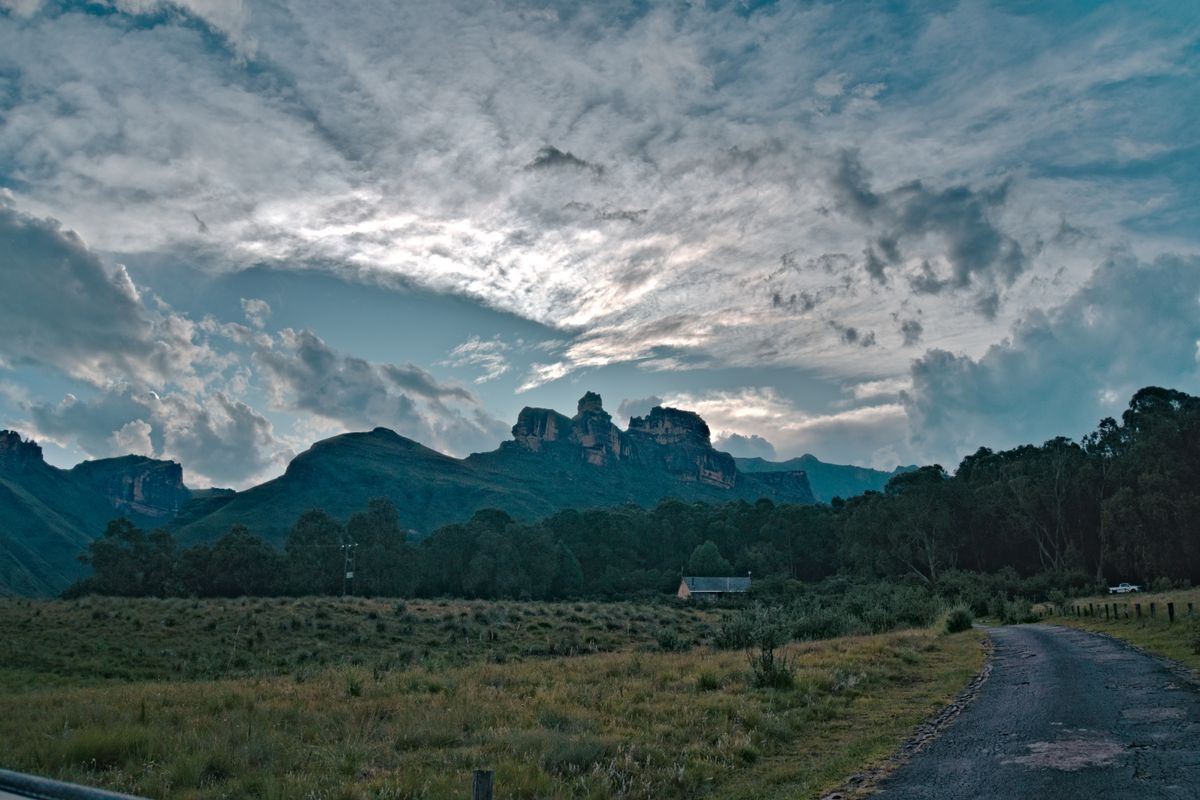
Cape Point
The dramatic, wind-scoured tip of the Cape Peninsula where two oceans meet.
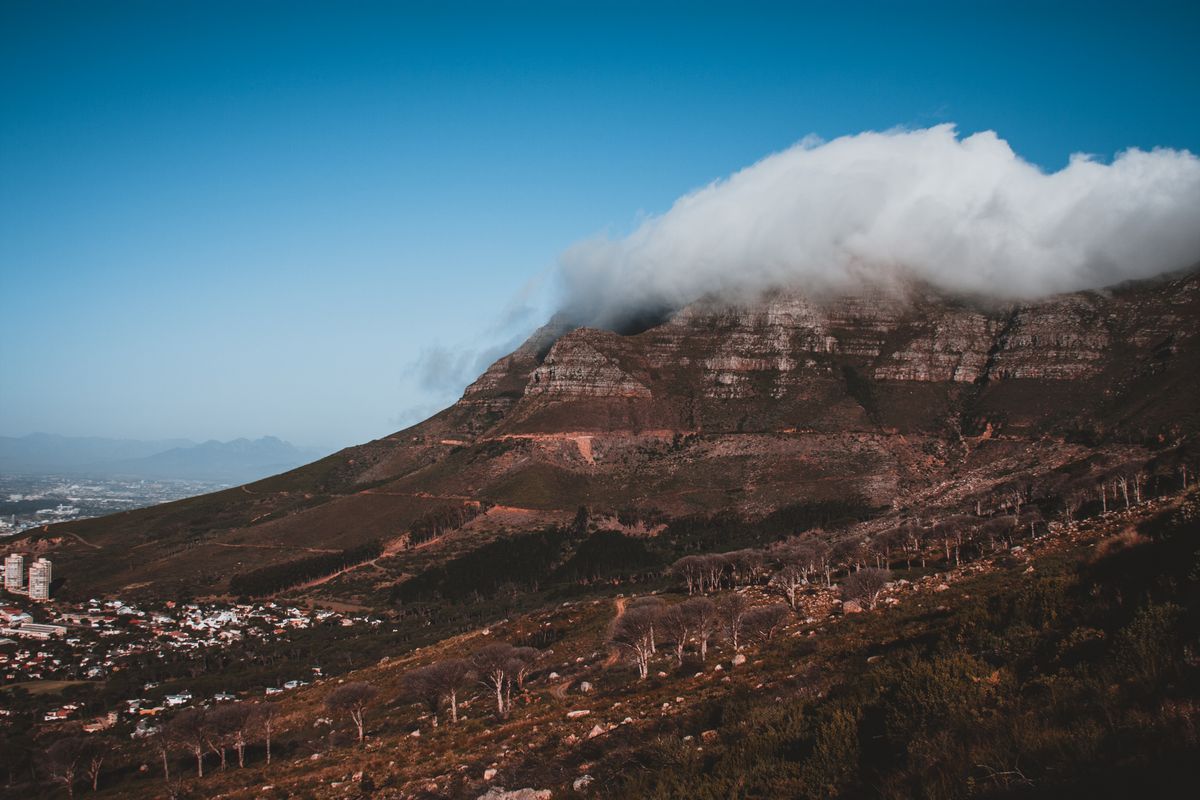
Devil's Peak Hike
The Table Mountain sibling hike to the peak that frames the City Bowl — a steep, quiet summit away from the cableway crowds.

India Venster
The quieter, scramblier route up Table Mountain, directly below the cable car line.

Kasteelspoort Hike
The Table Mountain route to the old cableway ruins — the most rewarding ascent of the mountain, with a direct Atlantic view.
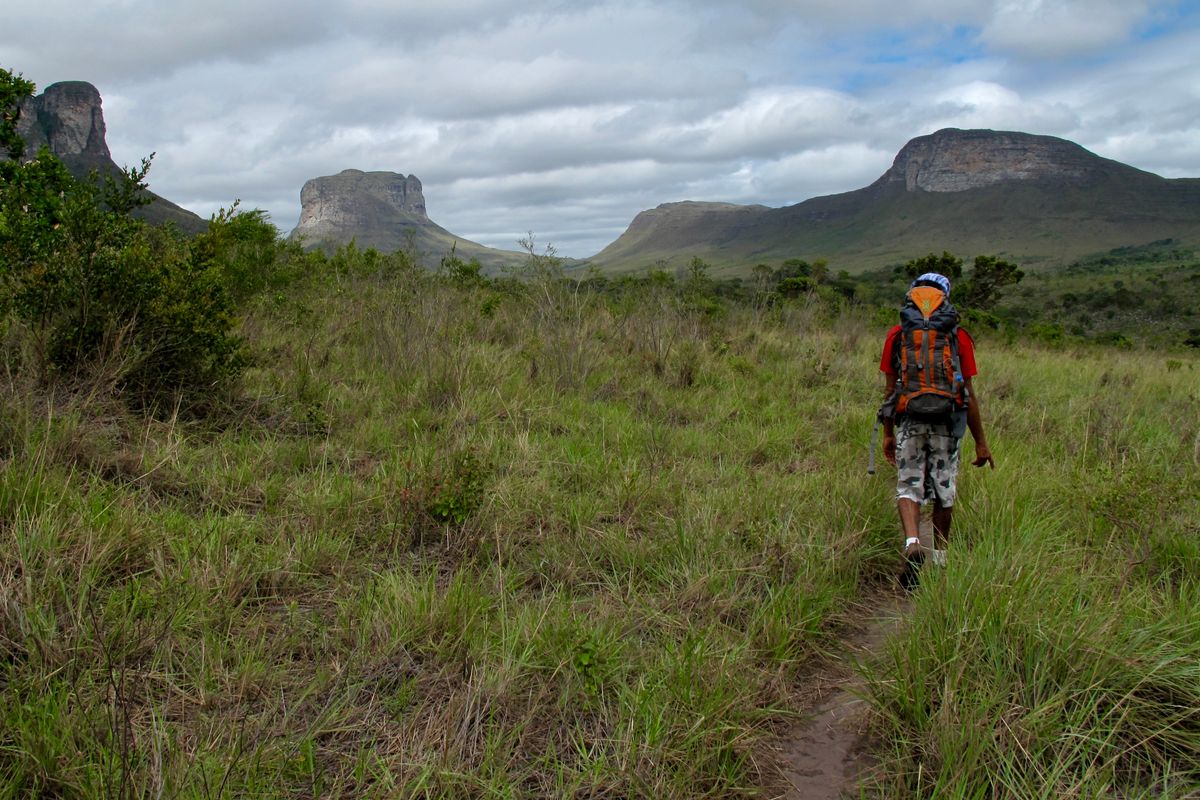
Lion's Head
The spiral hike above Cape Town with the city's best summit payoff — short, steep, and busy.

Platteklip Gorge
The direct, reliable way up Table Mountain — steep but straightforward in good weather.

Skeleton Gorge
The greener, steeper route up Table Mountain, starting inside Kirstenbosch.

Table Mountain
Cape Town's flat-topped icon — take the cableway up, or hike Plattekloof Gorge if you're fit and the weather's right.
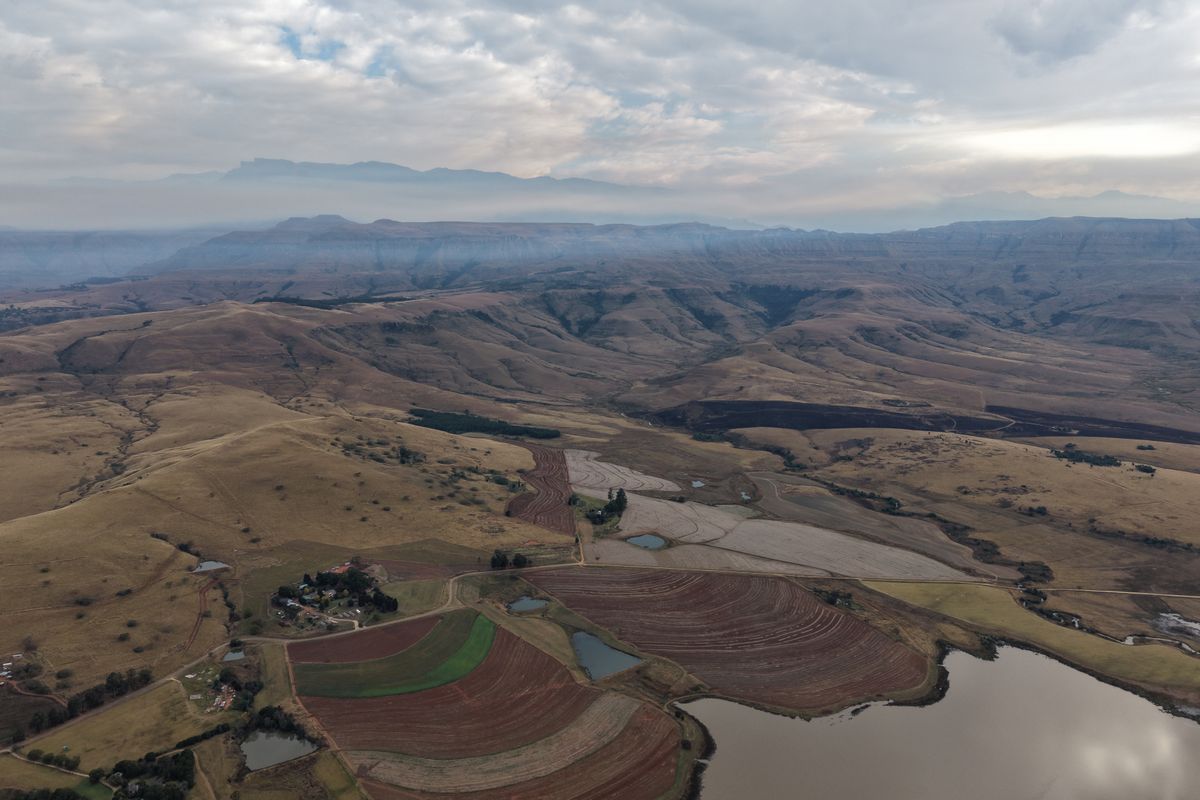
Twelve Apostles
The Atlantic-side ridge of Table Mountain — a serrated line of peaks above Camps Bay, reached from the Pipe Track.
More national park in Western Cape

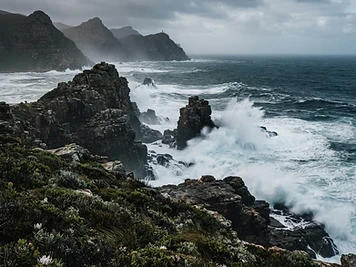
Agulhas National Park
Africa's southernmost tip — windswept fynbos, shipwreck coast, and southern right whales passing offshore in season.

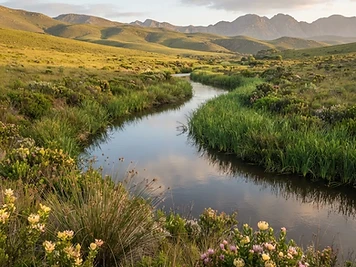
Bontebok National Park
Small Breede River reserve that saved the bontebok from extinction — a relaxed, malaria-free stop on the Garden Route.

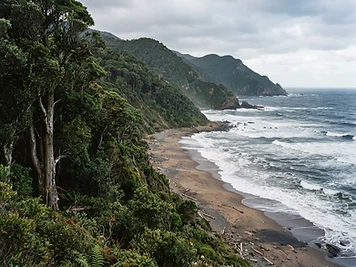
Garden Route National Park
Knysna forest, Tsitsikamma coast and Wilderness lakes — elephants (elusive), leopard, otters and marine life along the coast.

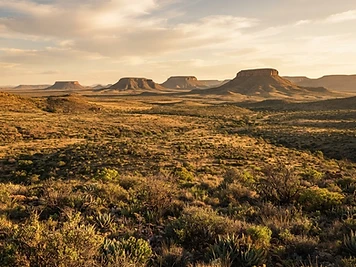
Karoo National Park
Great Karoo landscape near Beaufort West — black rhino, buffalo and mountain zebra plus desert-adapted flora and fossils.

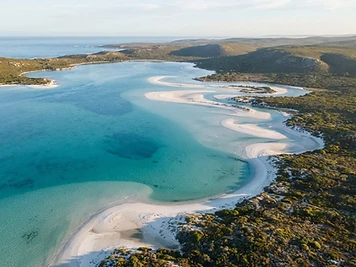
West Coast National Park
Langebaan Lagoon and salt marsh — flamingos, pelicans and spring wildflowers; wildlife offset by birdlife rather than big game.