West Coast National Park
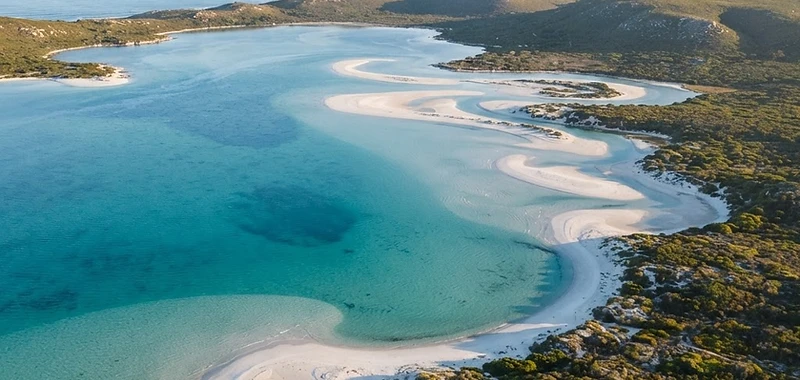
Langebaan Lagoon and salt marsh — flamingos, pelicans and spring wildflowers; wildlife offset by birdlife rather than big game.
Trip Role
Ideal stay
Best for
Our take
A serene, accessible coastal escape that shines brightest in spring.
A serene, accessible coastal escape that shines brightest in spring.
- Trip Role
- Worth a Detour
- Ideal Stay
- 1 day
- Time Needed
- 1 day
- Best For
- Birdwatching and spring flower viewing.
- Go If
- You are based in Cape Town and want a day trip or weekend focused on birding and coastal scenery.
Why it's worth your time
Located just north of Cape Town, this park centers on the turquoise Langebaan Lagoon and surrounding fynbos. It is a vital sanctuary for migratory birds and offers a spectacular wildflower display in spring.
What we love
The striking contrast of the turquoise lagoon against the white sand and fynbos.
What to know
The Postberg section is only open during the spring flower season (August-September).
The full guide
What it is like
The West Coast National Park does not feel like a typical African bushveld safari. The landscape is dominated by the Langebaan Lagoon, which creates an intense, unnatural turquoise colour against white dunes and low-lying fynbos vegetation. You will hear the wind constantly, and there is an absence of the deep, heavy heat found in the interior. The first hour of your visit feels quiet, almost domestic, because the park is nestled so close to human settlement that you never quite lose the sense of being on the edge of civilisation. Light here is harsh and bleached by the Atlantic proximity, making the landscape look starkly beautiful but never lush. It lacks the dense forest cover of the Garden Route or the vast, open savannah horizons of the northern game parks. The scale is intimate, manageable, and largely defined by the water line of the lagoon rather than the rolling scrub typical of other regional reserves.
Wildlife, realistically
Do not come here looking for the Big Five. If you expect lions, elephants, or buffalo, you will be bored within twenty minutes. This is a destination for birdwatchers and people who appreciate the smaller details of the ecosystem. The lagoon acts as a massive wetland sanctuary, so you will see thousands of migratory birds, particularly waders and flamingos, depending on the tide and the time of year. On land, the wildlife is limited to smaller antelope like eland, red hartebeest, and springbok. You can see these animals frequently, especially if you drive quietly through the fynbos areas during the early morning. They are not particularly shy, but they are not the main event. Genuinely hard-to-find species include the elusive predators that might occasionally traverse the coastal scrub, but you should count on leaving without seeing anything with sharp teeth or a mane. It is a slow, observant type of wildlife experience.
How a visit works
The park is best approached as a self-drive destination. You can manage the entire park in a single day, as the roads are well-maintained and easy to navigate in a standard sedan. Guided tours are available through various operators, but the freedom of your own vehicle allows you to linger at the bird hides or picnic spots for as long as you like. The gate and camp logic is straightforward, though access to the Postberg section is restricted to the spring flower season. You should not plan a trip longer than one or two days because the novelty of the scenery fades quickly. A four-night stay is excessive for the average traveller. Most people arrive in the morning, spend the afternoon driving the circuit, and are ready to head back toward Cape Town before sunset. It functions best as a quiet detour rather than a primary vacation base.
When to go
August and September are the months that matter. This is the spring flower season when the Postberg section opens and the entire landscape transforms with colour. Outside of these two months, the park is significantly less impressive. The winter months can be cold and wet, which makes birdwatching uncomfortable and the drive miserable, while the peak of summer brings fierce winds and harsh glare. If you avoid the spring rush, you will find fewer crowds and lower costs, but you will miss the primary reason for visiting. There is a direct trade-off between the visual impact of the wildflowers and the peace of the off-season. If you value seeing the park at its absolute peak, you must accept that you will be sharing the road with many other visitors. If you prefer solitude, come in the off-season, but manage your expectations regarding the visual spectacle.
Who it suits, who it does not
This place rewards the patient traveller who enjoys coastal vistas and avian life. It suits someone based in Cape Town who wants an easy, low-stress day out without the logistical burden of a long-haul journey. It is a perfect spot for photography enthusiasts who understand how to capture the specific blue of the lagoon and the delicate textures of the wildflowers. However, it will frustrate anyone who equates a safari with intense sightings of large mammals or those seeking a remote, untamed wilderness. If you are looking for rugged, deep-bush isolation, this park will feel too tame and too close to the suburbs. You would be better served heading toward the Cederberg for more dramatic topography or pushing north to the more arid reserves if you require a true, dusty sense of adventure. It is a place for a quiet, scenic afternoon, not an expedition.
More national park in Western Cape

Agulhas National Park
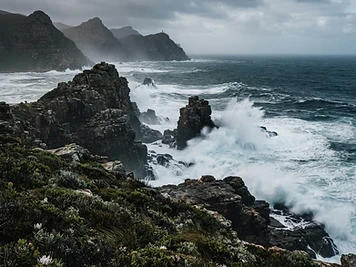
Africa's southernmost tip — windswept fynbos, shipwreck coast, and southern right whales passing offshore in season.

Bontebok National Park
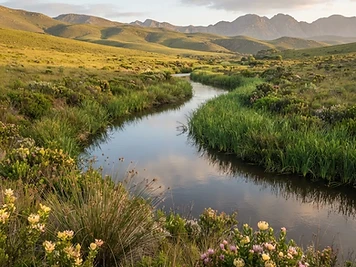
Small Breede River reserve that saved the bontebok from extinction — a relaxed, malaria-free stop on the Garden Route.

Garden Route National Park
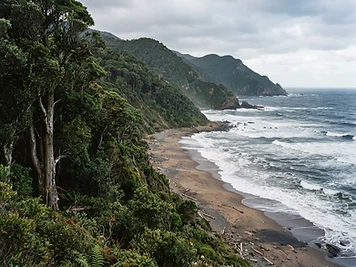
Knysna forest, Tsitsikamma coast and Wilderness lakes — elephants (elusive), leopard, otters and marine life along the coast.

Karoo National Park
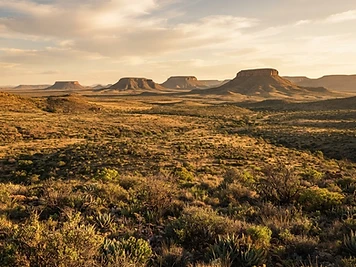
Great Karoo landscape near Beaufort West — black rhino, buffalo and mountain zebra plus desert-adapted flora and fossils.

Table Mountain National Park
Cape Town's urban-edge park running mountain to sea — baboons, dassies, ostrich at Cape Point, and the Boulders penguin colony.