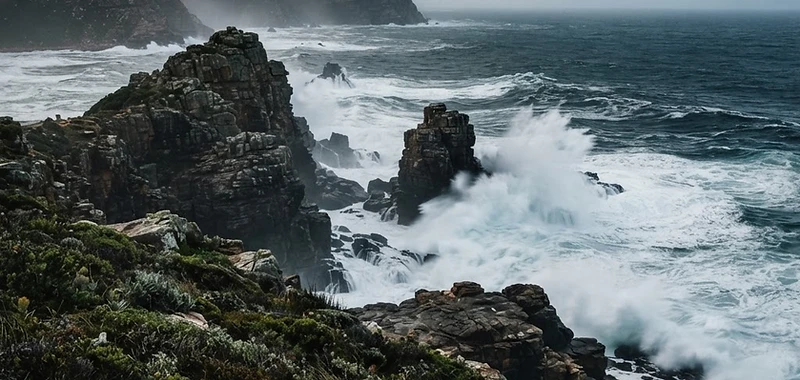
Agulhas National Park
Africa's southernmost tip — windswept fynbos, shipwreck coast, and southern right whales passing offshore in season.
Trip Role
Ideal stay
Best for
Our take
A windswept, atmospheric edge of the continent.
A windswept, atmospheric edge of the continent.
- Trip Role
- Worth a Detour
- Ideal Stay
- 1 day
- Time Needed
- 1-2 days
- Best For
- Coastal hiking and maritime history.
- Go If
- You want to stand at the official meeting point of two oceans and explore coastal fynbos.
Why it's worth your time
Situated at the southernmost tip of Africa, this park protects a unique coastal fynbos ecosystem where the Atlantic and Indian Oceans meet. It is a landscape of windswept plains, historic shipwrecks, and coastal heritage.
What we love
The historic Cape Agulhas Lighthouse and the rugged, shipwreck-strewn coastline.
What to know
The weather is notoriously windy and unpredictable; bring layers regardless of the season.
The full guide
What it is like
Agulhas National Park is defined by the flat, stubborn expanse of the Agulhas Plain. The terrain consists of low-lying limestone and sandstone hills covered in uniform fynbos. It lacks the dramatic mountain backdrops found in other parts of the Western Cape. Instead, the landscape feels horizontal and exposed. The light is harsh and brilliant, constantly filtered through a sea mist that rarely lifts entirely. You hear the wind before you see the ocean, a relentless sound that rattles windows and forces you to hunch your shoulders. The first hour of arrival involves an overwhelming sensation of isolation.
Unlike the more manicured botanical gardens or the sheltered estates closer to Cape Town, this place feels raw and unkept. The salt air eats away at everything metal, and the vegetation looks stunted by the constant gale. It does not offer the lush variety of a mountain forest or the contained comfort of a game reserve. It is a place of maritime austerity where the meeting of the Atlantic and Indian Oceans manifests as a turbulent, churned-up collision of water against jagged rock. You realise quickly that this is an edge of the world, not a retreat into nature's gentler side.
Wildlife, realistically
If you arrive expecting the Big Five, you will leave disappointed. This is not a safari destination in the traditional sense. The wildlife here is subtle and terrestrial. You will find small antelope like the steenbok and grysbok hiding in the thickets, but you have to watch the road verge closely to spot them. These animals are accustomed to the wind and stay low. Birdwatching provides a more rewarding experience, particularly along the coast where gulls, terns, and oystercatchers dominate the shoreline. The biodiversity exists in the fynbos plants rather than the megafauna.
Marine life is present but elusive. You might spot southern right whales from the shore during the winter and spring months, but sightings are entirely dependent on their proximity to the coastline. Seals and dolphins are occasional visitors to the deeper channels, yet they remain distant silhouettes. Large predators are entirely absent. The primary focus of a visit here is the ecosystem's resilience in the face of constant environmental stress. Do not waste your time searching for leopards or large game. The real interest lies in the small, hardy inhabitants that manage to thrive on this wind-battered coast.
How a visit works
A visit to Agulhas functions best as a self-drive day trip. The park is sprawling and fragmented, meaning you spend a significant amount of time behind the wheel moving between the lighthouse, the coastal paths, and the shipwreck sites. There are no guided game drive vehicles because there is no game to track. You are your own guide. Most visitors start at the lighthouse, walk the boardwalk to the southernmost point marker, and then drive the gravel tracks to view the coast. The road conditions vary depending on recent rainfall, so a standard passenger vehicle is usually sufficient if you drive with caution.
One day is sufficient to see the essential landmarks and feel the atmosphere of the coast. Staying longer only makes sense if you are intent on walking the coastal trails or studying the fynbos in detail. There is no central hub or high-end lodge experience here. The infrastructure is basic and practical. You need to pack your own supplies, as there are no large restaurants or amenities inside the park boundaries. You manage your own schedule, balancing the need to explore against the inevitable fatigue caused by the relentless wind.
When to go
The weather dictates everything here. Summer brings warmer air but also persistent, high-velocity winds that can make standing near the water miserable. It is the busiest season, yet the crowds never reach levels that feel suffocating because the park is so spread out. Expect to pay higher prices for local accommodation in nearby towns during the peak holiday months of December and January. You also contend with the risk of fynbos fires, which can occasionally force closures of hiking trails.
Winter and spring offer a more tempered experience. The wind loses some of its aggressive edge, though the rain is more frequent and the sky turns a heavy, uniform grey. This is the prime time for whale watching, though you must accept that you might spend your day in a raincoat rather than a sun hat. The trade-off is a quieter park and the chance to see the fynbos in a fresher, greener state. There is never a perfect time to visit that guarantees clear skies and calm seas. You pick your season based on whether you prefer the risk of heat and wind or the probability of mist and rain.
Who it suits, who it does not
This park rewards the patient traveller who finds beauty in barrenness and maritime history. If you have an interest in shipwrecks, the geography of the ocean, or the unique botanical composition of the Cape, you will find it fascinating. It suits those who want to stand at a geographical marker and contemplate their place on the map. It is a quiet, reflective destination for those who prefer wind-whipped solitude over organized safari activity. You appreciate it if you understand that the point is the journey to the edge rather than the excitement of a wildlife encounter.
Conversely, it frustrates anyone looking for a conventional holiday. If you want swimming, soft sand, or a luxury lodge experience, go elsewhere. The ocean here is dangerous and cold, not suitable for leisure bathing. If your primary goal is to see lions, elephants, or buffalos, this is a waste of a drive. For those who need constant stimulation or high-end service, the lack of infrastructure will feel like a failure of management. Seek out the Addo Elephant National Park or the private reserves of the Eastern Cape if you need a true safari experience.
What's here
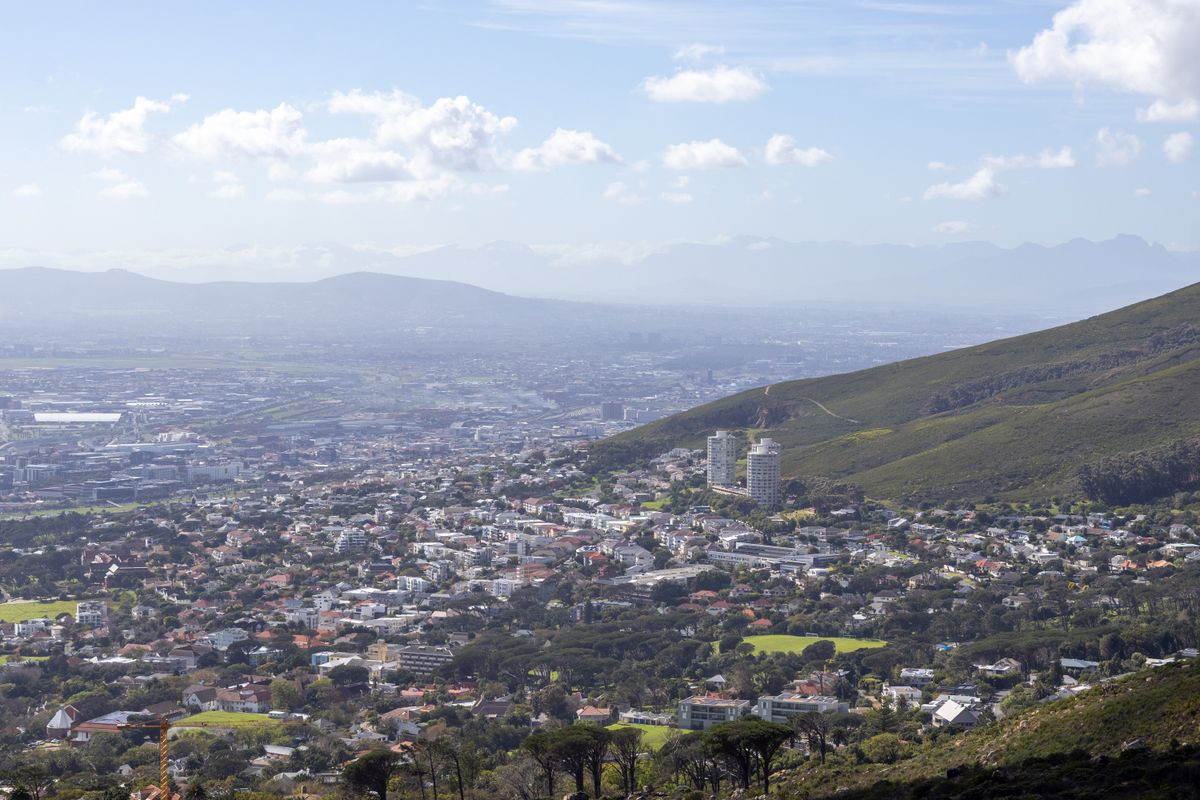
More national park in Western Cape

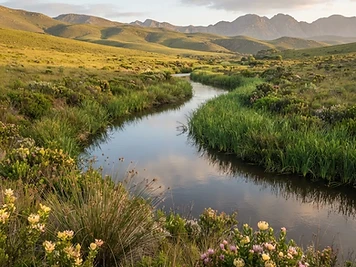
Bontebok National Park
Small Breede River reserve that saved the bontebok from extinction — a relaxed, malaria-free stop on the Garden Route.

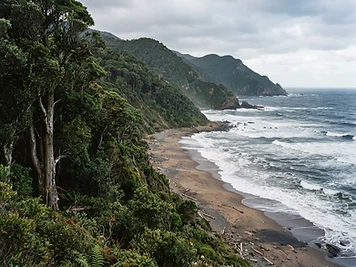
Garden Route National Park
Knysna forest, Tsitsikamma coast and Wilderness lakes — elephants (elusive), leopard, otters and marine life along the coast.

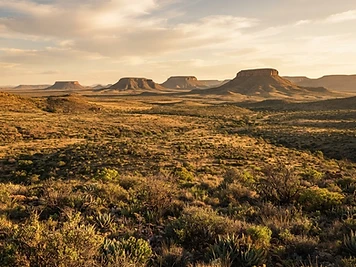
Karoo National Park
Great Karoo landscape near Beaufort West — black rhino, buffalo and mountain zebra plus desert-adapted flora and fossils.

Table Mountain National Park
Cape Town's urban-edge park running mountain to sea — baboons, dassies, ostrich at Cape Point, and the Boulders penguin colony.

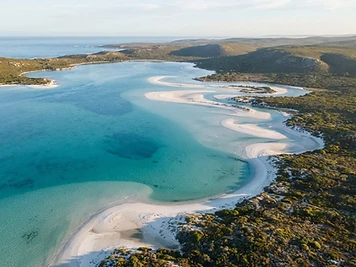
West Coast National Park
Langebaan Lagoon and salt marsh — flamingos, pelicans and spring wildflowers; wildlife offset by birdlife rather than big game.