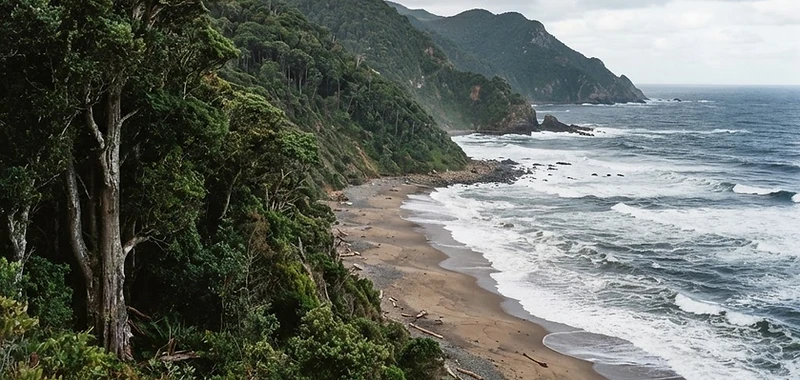
Garden Route National Park
Knysna forest, Tsitsikamma coast and Wilderness lakes — elephants (elusive), leopard, otters and marine life along the coast.
Trip Role
Ideal stay
Best for
Our take
The protected spine of the Garden Route — forest, estuary, and the Otter Trail.
The protected spine of the Garden Route — forest, estuary, and the Otter Trail.
- Trip Role
- Trip Anchor
- Ideal Stay
- 2-3 days (Tsitsikamma section)
- Time Needed
- 3-4 days
- Best For
- Hikers, coastal travelers, anyone doing the Garden Route properly.
- Skip If
- Visitors expecting a game reserve.
- Go If
- You're driving the Garden Route and have a day or two for the coast.
Why it's worth your time
Garden Route National Park is another non-safari reserve — a fragmented park protecting the Tsitsikamma forest and coastline, the Wilderness lakes, and the Knysna estuary. The reason most people come is the Storms River Mouth and the Otter Trail, the country's most famous multi-day hike, which runs along the Tsitsikamma coast. The forest sections hold vervet monkeys, bushbuck and birds rather than big game, and the experience is about coastline, indigenous forest, and river mouths, not predators. It's the natural anchor of any Garden Route drive and the reason the route earns its reputation for scenery rather than towns. Allow two to three days for the Tsitsikamma section alone if you hike; less if you're driving through.
What we love
The Otter Trail and the Storms River Mouth suspension bridge.
What to know
Otter Trail permits book out a year ahead. Tsitsikamma section is the headline; Wilderness is gentler.
The full guide
What it is like
Garden Route National Park is not a singular, fenced landscape but a fragmented collection of coastal and forest corridors. Arriving in the Tsitsikamma section feels like encountering the raw edge of the continent where dark, tangled indigenous forest crashes directly into the churning Indian Ocean. The light here is filtered and moody, dictated by the dense canopy and frequent sea mist that rolls off the water. The soundscape is dominated by the constant thrum of heavy surf rather than the silence of the bushveld.
The scale is manageable yet deceptive. Unlike the sprawling savanna reserves to the north, this park demands a different kind of focus. You are not scanning the horizon for lions but looking down at river mouths, fern-choked ravines, and dramatic geological formations. The Wilderness section offers a gentler contrast, defined by tranquil lakes and estuary systems that feel far removed from the rocky drama of the coast. It is a place that rewards those who stop the car and walk, as the true character of the landscape is hidden away from the main road.
Wildlife, realistically
Manage your expectations because this is not a safari destination in the traditional sense. You will not find the big five here. The wildlife is cryptic and elusive, favouring the dense vegetation of the Knysna forests or the sheltered estuaries of the Wilderness. You might catch a glimpse of a bushbuck at the forest edge or watch a troop of vervet monkeys raiding a bin, but these sightings are incidental rather than the focus of your trip. Marine life is more visible if you are willing to look, with dolphins and whales frequently passing offshore during the migratory season.
Birding is the quiet highlight of the park. Kingfishers and raptors occupy the river valleys, and the estuary systems support a significant variety of waterbirds. The famed Knysna elephants, though often discussed in local folklore, are essentially ghosts of the forest. Do not arrive expecting to track them; any sighting is a genuine anomaly rather than a realistic possibility. The appeal here lies in the ecosystem as a whole, specifically the relationship between the mountain catchments, the forest, and the marine environment, rather than the thrill of the hunt.
How a visit works
Your experience depends entirely on your intent. If you are here to hike, you need to be organised, as permits for the popular trails are snapped up months in advance. The self-drive experience along the Garden Route acts more like a scenic corridor than a game drive. You move between distinct clusters of protected land, each with its own management and access logic. A stay of two to three days in the Tsitsikamma section is sufficient for most, provided you are willing to lace up your boots and explore the trails surrounding the Storms River Mouth.
Guided activity varies significantly by operator and location. You can find kayak tours on the estuaries or guided forest walks, but there is no centralised system for booking these excursions. The park is best used as a staging ground for a broader coastal trip. If you simply drive through without walking the trails or spending time on the water, you will miss the point of the park entirely. Two nights provide enough time to settle into the rhythm of the coast, but staying longer becomes repetitive unless you are committed to a specific multi-day trekking programme.
When to go
The park is accessible year-round, but your comfort depends on how much rain you are willing to tolerate. Summer brings warmer temperatures, yet it also invites higher humidity and more consistent coastal mist that can obscure the views. Autumn is often the sweet spot, with clearer skies and milder winds, making the coastal hikes far more pleasant. Winter is quiet, and while the days can be crisp and sunny, the weather is volatile. Cold fronts from the southern ocean can stall over the coast for days, turning the forest into a sodden, grey expanse that makes outdoor activity miserable.
Crowds are a reality during the peak school holidays, particularly along the Storms River Mouth and the popular boardwalks. If you are budget-conscious, avoid December and January, as the cost of nearby accommodation inflates rapidly. Fire risk is a legitimate seasonal concern in the fynbos and forest margins during the dry spells, which may occasionally lead to the closure of specific hiking routes. Always check current conditions before committing to a long-distance trail, as the climate here is the final arbiter of your itinerary.
Who it suits, who it does not
This park rewards the active traveller who finds satisfaction in geology, coastal ecology, and long, solitary walks. If you want to stand on a suspension bridge over a churning river or navigate a kayak through a quiet estuary, you will be happy here. It suits those who view a holiday as a series of physical challenges and nature-focused explorations rather than a passive viewing experience. It provides the essential scenery that separates the Garden Route from a standard highway drive, serving as a necessary punctuation mark to any journey along the southern coast.
It frustrates the traveller who is looking for a traditional game-viewing safari. If your primary goal is to see lions, leopards, or elephants in a high-density environment, you will find this park boring and ill-suited to your needs. If you dislike rain, humidity, or the physical exertion of walking long distances, skip it entirely. For those demanding authentic, concentrated big game viewing, move your focus inland to the private reserves of the Eastern Cape, which offer a far more reliable and convenient safari experience.
What's here
Also in Garden Route National Park


More national park in Western Cape

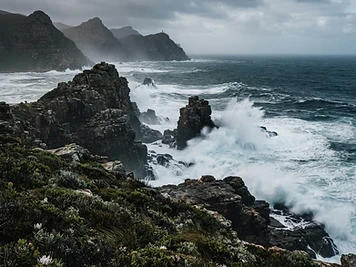
Agulhas National Park
Africa's southernmost tip — windswept fynbos, shipwreck coast, and southern right whales passing offshore in season.

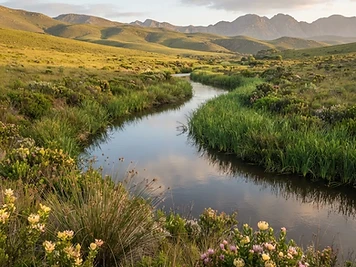
Bontebok National Park
Small Breede River reserve that saved the bontebok from extinction — a relaxed, malaria-free stop on the Garden Route.

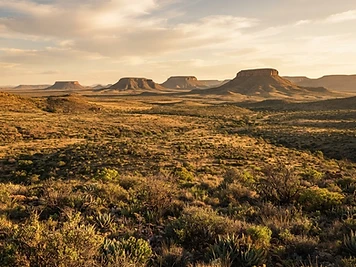
Karoo National Park
Great Karoo landscape near Beaufort West — black rhino, buffalo and mountain zebra plus desert-adapted flora and fossils.

Table Mountain National Park
Cape Town's urban-edge park running mountain to sea — baboons, dassies, ostrich at Cape Point, and the Boulders penguin colony.

West Coast National Park
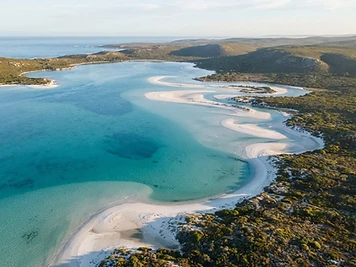
Langebaan Lagoon and salt marsh — flamingos, pelicans and spring wildflowers; wildlife offset by birdlife rather than big game.