
The Dolphin Trail
A 2.5-day slackpacking hike along the Tsitsikamma coast — forest, sea caves, and dolphins, with luggage moved for you.
Trip Role
Ideal stay
Best for
Our take
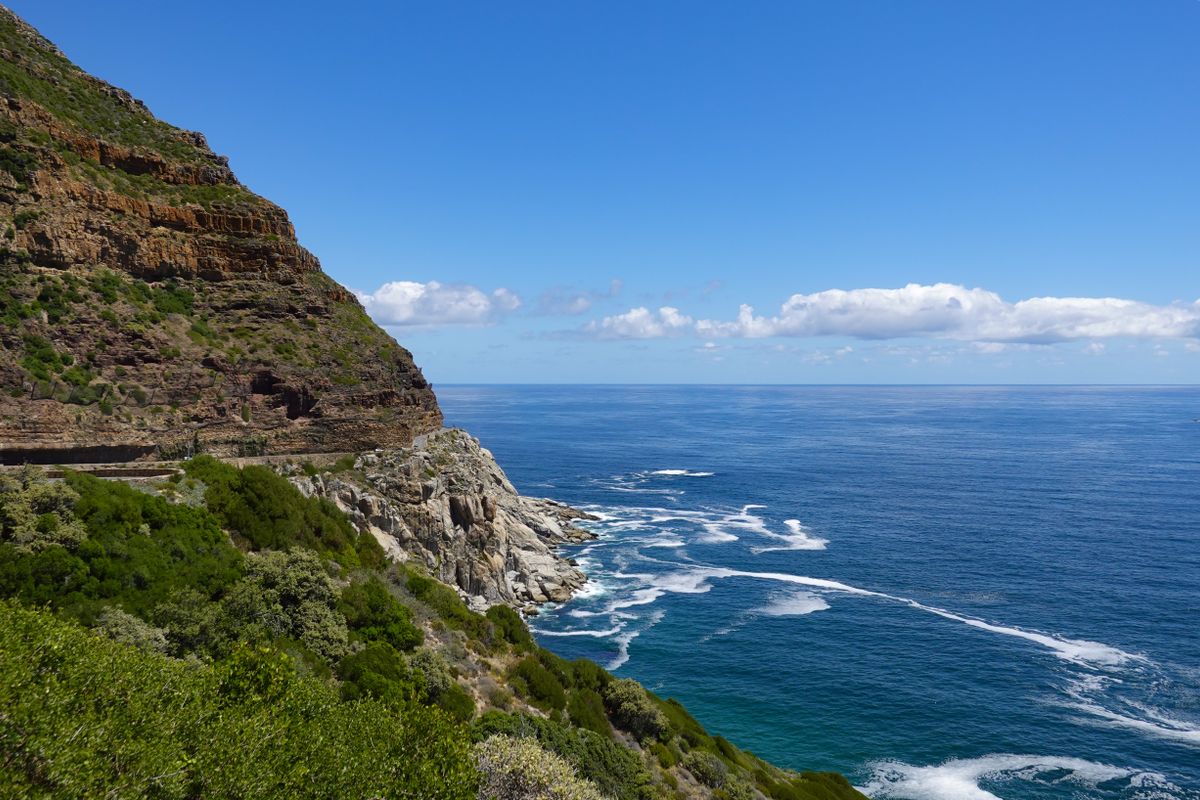
The Dolphin Trail is a comfortable, fully catered alternative to the more demanding Otter Trail. It offers the same dramatic Tsitsikamma coastline without the physical toll of carrying a heavy pack or sleeping in basic huts.
The Dolphin Trail is a comfortable, fully catered alternative to the more demanding Otter Trail. It offers the same dramatic Tsitsikamma coastline without the physical toll of carrying a heavy pack or sleeping in basic huts.
- Trip Role
- Worth a Detour
- Ideal Stay
- Two days of hiking, plus arrival and departure time.
- Best For
- coastal scenery, slackpacking, birding, marine life spotting, luxury forest accommodation
- Skip If
- purist backpackers, budget travellers, those seeking total solitude
- Go If
- You want to experience the Tsitsikamma coast but prefer a soft landing at night. It suits travellers who value convenience and luxury over the raw, self-sufficient challenge of traditional multi-day wilderness hiking.
Why it's worth your time
The Otter Trail's easier eastern sibling — two days of Tsitsikamma forest and coast, slackpacked.
What we love
The seamless transition from rugged coastal paths to high-end lodge comfort is the primary draw. You get to walk through the same dense indigenous forest and along the same dramatic cliffs as the Otter Trail, but you finish your day with a hot shower and a prepared meal.
What to know
This is a guided, all-inclusive package, not a DIY hike. You must book through the official operators, and the itinerary, including luggage transfers and meals, is fixed. While the hiking is moderate, the terrain involves uneven coastal paths and forest tracks, so bring broken-in walking shoes and be prepared for changing weather conditions common to the Garden Route.
The full guide
The route and daily rhythm
The trail covers approximately 17 kilometres over two days, starting at the Storms River Mouth Rest Camp. You move eastwards through a mix of indigenous forest, fynbos, and rocky shoreline. The daily pace is moderate, typically requiring five to seven hours of walking depending on your group and the number of stops for birding or marine life viewing. Because your luggage is portaged between your overnight accommodation, you only carry a light daypack with essentials like water, a camera, and extra layers. Guides accompany the group, providing local knowledge and ensuring you stay on the correct path through the varied vegetation types. The day ends at private lodges where meals and amenities are provided, removing the need for any camp setup or food preparation.
Handling the terrain
The terrain is varied and requires a moderate level of fitness. You will encounter soft sand, uneven rocky sections along the water's edge, and steep climbs through the forest. While the trail is not technically difficult, the exposure to the elements and the constant up-and-down nature of the coastal path can be tiring. If you have a fear of heights, be aware that some sections follow cliff edges with significant drops to the ocean below. Footing can be slippery, especially after rain, so sturdy, comfortable walking shoes are essential. A walking stick is often recommended for stability on the steeper or rockier segments. The guides are there to assist with navigation and safety, but you are responsible for your own physical ability to manage the daily distance.
Timing and preparation
The best time to visit is from spring through to autumn, specifically September to April, when the weather is generally more stable and the days are warm. Rain can occur at any time in the Tsitsikamma, so pack light, breathable layers and a reliable waterproof jacket. Because the trail is fully catered, you do not need to carry food or cooking equipment, but you should bring a small daypack for your personal items. Ensure your footwear is well-worn before you arrive to avoid blisters. Always check the specific requirements provided by your booking operator regarding dietary needs and any gear lists, as these can vary slightly. The trail is popular, so secure your booking well in advance, especially if you are planning to visit during the peak summer holiday season.
Before you book
Questions The Dolphin Trail always raises
- Do I need to be an experienced hiker to do this trail?
- A moderate level of fitness is sufficient. You will be walking for several hours each day over uneven ground, so you should be comfortable on your feet for extended periods. It is not an advanced technical climb, but it is more demanding than a casual park stroll.
- Is the trail suitable for children?
- The trail is generally aimed at adults who can manage the daily distances and terrain. While families do participate, the physical nature of the hike and the length of the days mean it is best suited for older children or teenagers who are accustomed to walking.
- What happens if the weather is bad?
- The Garden Route is known for unpredictable weather. Guides will assess conditions on the day to ensure safety. While the trail continues in most conditions, extreme weather may lead to adjustments in the route or timing. Always pack high-quality rain gear regardless of the forecast.
- Can I book this trail through SANParks directly?
- The Dolphin Trail is a partnership between SANParks and private lodge operators. You should book through the official Dolphin Trail website or their designated booking partners to ensure your accommodation, luggage transfers, and guide services are all included in your package.
More hike in Eastern Cape

Hogsback 39 Steps Hike
A short forest walk in Hogsback to a series of cascading steps on the Tyhume River.

Otter Trail
South Africa's most famous multi-day hike — five days along the Tsitsikamma coast, booked a year ahead.
Storms River Mouth
Where the Storms River meets the Indian Ocean in Tsitsikamma — suspension bridges and forest trails.