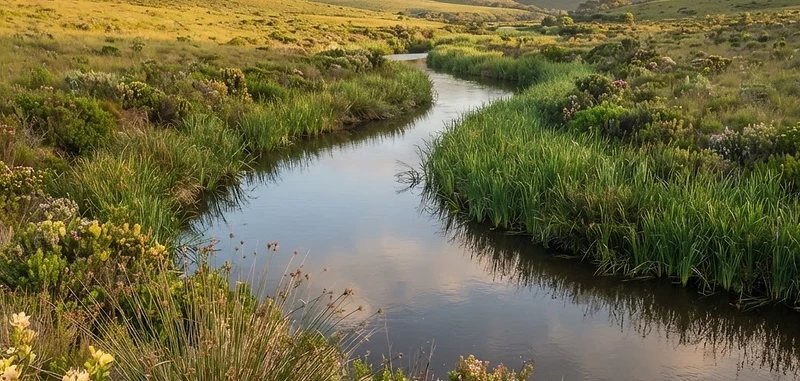
Bontebok National Park
Small Breede River reserve that saved the bontebok from extinction — a relaxed, malaria-free stop on the Garden Route.
Trip Role
Ideal stay
Best for
Our take
A charming, low-pressure stopover that rewards those who appreciate the smaller details of the Cape floral kingdom.
A charming, low-pressure stopover that rewards those who appreciate the smaller details of the Cape floral kingdom.
- Trip Role
- Quick Stop
- Ideal Stay
- 1 day
- Time Needed
- Half day
- Best For
- Relaxed nature walks and birdwatching
- Go If
- You are traveling the Garden Route and want a quiet, accessible spot for birding and light walking.
Why it's worth your time
A compact, riverside reserve established specifically to prevent the extinction of the bontebok antelope. It offers a gentle, malaria-free environment along the Breede River.
What we love
The peaceful, scenic picnic spots right on the banks of the Breede River.
What to know
It is a small park; you can see the main attractions in a single afternoon.
The full guide
What it is like
Bontebok National Park sits small and flat against the banks of the Breede River. The landscape consists of rolling fynbos plains that do not command your attention with height or drama. You will not find the dense bushveld here that defines a typical safari experience. The sky feels wide because the ground stays low and unassuming. The light in the afternoon hits the river water and reflects against the pale grasses, creating a muted colour palette that shifts from dry gold to dusty green. It is quiet. You hear the wind moving through the restio reeds and the constant presence of water flowing past the bank. After an hour, you realise the park is more of a protected coastal corridor than a wild wilderness. It lacks the scale of its neighbours, feeling more like a private garden than a vast reserve. You do not come here to feel small in the face of nature. You come here to walk calmly along the water and observe the stillness of the Cape floral kingdom.
Wildlife, realistically
This park functions as an island for a specific antelope. The bontebok is the reason this place exists, and you will see them. They are not shy, and they often graze near the road or the picnic areas. Do not expect anything else. If you are hunting for lions, elephants, or any of the big predators, you will walk away disappointed. The diversity of mammals is thin compared to the northern reserves. You might spot grey rhebok or cape mountain zebra, but they are incidental to the bontebok population. The real wildlife focus here is the birdlife along the river. The variety of waterbirds and raptors is the park's quiet strength. Sightings concentrate near the riverbanks, especially during the morning or late afternoon. You will not find intense tracking sessions or high-speed chases. It is a slow, methodical pace where patience rewards you with a glimpse of a kingfisher or a heron. If you are counting heads of big game, you will find this place lacking. It is a conservation experiment that prioritises specific species over a full menagerie.
How a visit works
A visit is entirely self-driven. There are no fancy open-top game vehicles or trackers taking you on a hunt. You drive the gravel roads at your own pace or simply park at the river to sit and watch. The gate logic is straightforward, but it serves only to control access to a small patch of land. A single day is more than enough to see everything the park offers. In fact, after four or five hours, you will likely have walked the main paths and seen the herds twice over. Some travellers spend a night in the camp to wake up by the river, and the morning quiet is worth the effort, but there is little reason to stay for four days unless you are committed to reading a book and doing nothing else. The rhythm of the day is dictated by the sun and your own desire to picnic. You are responsible for your own entertainment here. It is a place for slow movement, not for the structured itineraries found in more commercial safari destinations.
When to go
Summer brings heat that radiates off the dry, low-lying landscape, making long walks uncomfortable. You will spend more time hiding in the shade of the river trees than exploring the plains. Winter is colder, often bringing rain, but it keeps the dust down and the floral kingdom looks fresher. Spring is perhaps the best choice, as the fynbos blooms and the temperatures remain mild enough for active walking throughout the day. You do not have to worry about the seasonal migration of massive predators or the changing water holes that drive game movement in other regions. Visibility of the bontebok remains constant year-round. Crowds are rarely a problem, though the riverside spots attract locals during holidays and weekends. Costs stay relatively stable because the infrastructure is minimal. You trade the extreme game-viewing windows of the north for a consistent, year-round experience where the seasonal trade-offs are mostly about your personal comfort in the heat or rain rather than the quantity of wildlife sightings.
Who it suits, who it does not
This park suits the traveller who is already moving through the Western Cape and needs a quiet place to break a journey. It rewards the patient observer who finds pleasure in botany, birding, and the gentle aesthetics of the fynbos. If you are looking for a high-octane safari with dangerous game and intense tracking, this place will frustrate you immediately. It is not a place to check off the Big Five or to experience the scale of a traditional bushveld expedition. If you find yourself craving real wilderness or adrenaline, you are better off heading to the larger, more established reserves in the Eastern Cape or further north. Bontebok is for the person who values a quiet riverbank over a lion sighting. It is a niche destination that demands nothing from you, but offers very little to those who do not know how to entertain themselves. When it does not fit your needs, do not try to force it; just drive on.
More national park in Western Cape

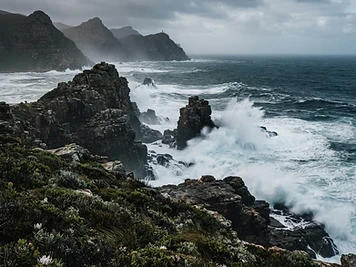
Agulhas National Park
Africa's southernmost tip — windswept fynbos, shipwreck coast, and southern right whales passing offshore in season.

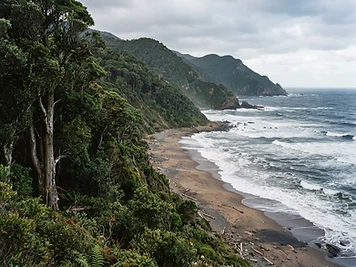
Garden Route National Park
Knysna forest, Tsitsikamma coast and Wilderness lakes — elephants (elusive), leopard, otters and marine life along the coast.

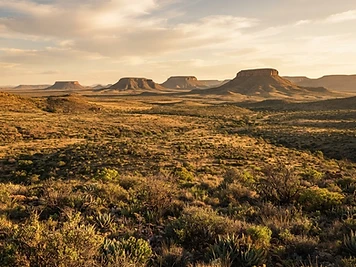
Karoo National Park
Great Karoo landscape near Beaufort West — black rhino, buffalo and mountain zebra plus desert-adapted flora and fossils.

Table Mountain National Park
Cape Town's urban-edge park running mountain to sea — baboons, dassies, ostrich at Cape Point, and the Boulders penguin colony.

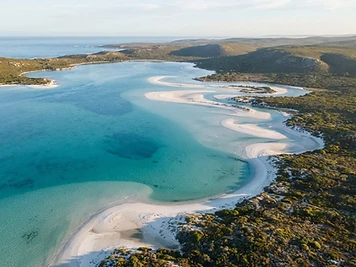
West Coast National Park
Langebaan Lagoon and salt marsh — flamingos, pelicans and spring wildflowers; wildlife offset by birdlife rather than big game.