Karoo National Park
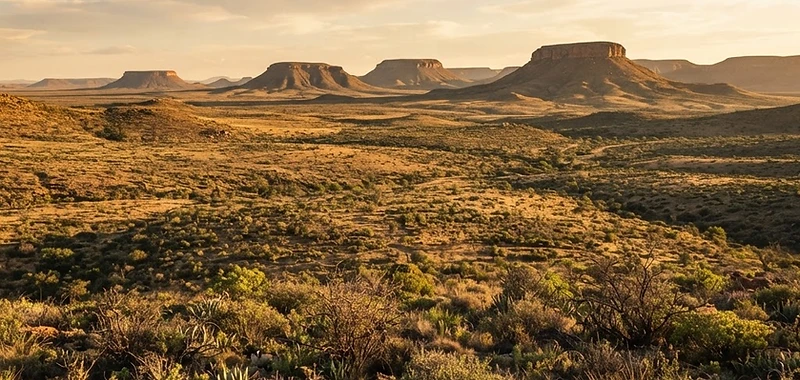
Great Karoo landscape near Beaufort West — black rhino, buffalo and mountain zebra plus desert-adapted flora and fossils.
Trip Role
Ideal stay
Best for
Our take
A quintessential Karoo experience that is both accessible and wild.
A quintessential Karoo experience that is both accessible and wild.
- Trip Role
- Worth a Detour
- Ideal Stay
- 1 day
- Time Needed
- 1-2 days
- Best For
- Mountain zebra and Karoo landscapes.
- Go If
- You are driving the N1 and want a high-quality, accessible stopover with excellent wildlife viewing.
Why it's worth your time
Situated near Beaufort West, this park showcases the vast, arid beauty of the Great Karoo. It is home to desert-adapted species like mountain zebra and black rhino, alongside a rich fossil record.
What we love
The dramatic mountain passes that offer sweeping views of the Karoo plains.
What to know
It is a very convenient stop for travelers on the main route between Cape Town and Johannesburg.
The full guide
What it is like
The Karoo National Park is a massive slab of arid landscape that sits hard against the N1 highway. The scale is oppressive in the best way possible. You feel the isolation the moment you turn off the blacktop. The terrain consists of jagged, sun-bleached mountain ridges that collapse into wide, flat plains of scrub and low-lying succulent bushes. The light here is sharp and unforgiving. It turns the earth into deep ochre and orange, making every rock and shadow appear etched with a razor. Silence dominates the acoustic environment, interrupted only by the wind or the crunch of tyres on gravel. It lacks the lush, soft greenery of the eastern reserves or the dense bushveld of the north. Instead, it offers a stark, skeletal beauty that demands your attention without any pretense of luxury. You notice the sheer size of the horizon immediately, and your own car feels significantly smaller than it did while cruising down the highway a few minutes prior.
The park feels significantly more exposed than the neighbouring private reserves, which often hide behind thicker vegetation and denser tree lines. Here, you see everything for miles. The mountains are not just a backdrop but an active part of the driving experience, as you climb steep passes that reveal the vastness of the Great Karoo floor. The first hour is a lesson in patience and observation, as the arid landscape refuses to give up its secrets easily to the impatient eye.
Wildlife, realistically
Do not go here expecting the sheer volume of animals found in the Kruger. That is not the objective. Wildlife density is surprisingly good for a desert environment, but sightings require effort. The Cape mountain zebra is the primary attraction, and you will see them frequently if you stick to the higher ground. They are hardy, rugged animals that fit the scenery perfectly. Black rhino are present, but spotting them is a matter of luck rather than planning. You should expect to see springbok, gemsbok, and red hartebeest grazing on the open plains where they have clear sightlines for approaching predators. Predators like the caracal are present but notoriously difficult to spot. You might see jackals darting between shrubs or raptors circling in the thermal updrafts above the plateaus.
The wildlife movement is entirely dictated by the presence of water sources. During drier spells, animals congregate near the few established pans and dams, which improves your viewing consistency. In the wetter months, they disperse across the vast plains, making them much harder to locate. Some visitors complain about the emptiness, but those people are usually looking for bulk biomass rather than the specialised, desert-adapted creatures that call this harsh environment home. You have to learn to scan the horizon and look for movement rather than expecting large herds to be positioned right next to the road.
How a visit works
This is a quintessential self-drive destination. There is no need for a guided vehicle unless you are completely unfamiliar with driving on loose gravel roads. The park is designed to be navigated at your own pace, which is the only way to appreciate the shifts in light and topography. Gate logic is straightforward, but the camps vary in their amenities depending on the season and your specific booking type. Most visitors spend their time driving the established loop roads and stopping at designated viewpoints to climb out and observe the plains from a height. A day visit is enough to get the flavour, though an overnight stay allows you to experience the silence of the desert once the other day-trippers have left the gates.
Your day is shaped by the sun. You want to be moving at dawn when the temperatures are still manageable for the animals and the light is softest. By midday, most wildlife seeks shelter in the shadows of the hills or under the limited scrub cover, and the heat rising off the ground makes photography frustrating. If you stay for more than one night, use the extra time to hike the shorter trails that branch off from the main routes. Pushing for four nights is only necessary if you are genuinely interested in fossil hunting or quiet contemplation, as the core wildlife routes can be covered comfortably in a single full day.
When to go
The seasonal trade-offs are brutal in the Karoo. Summer months are exceptionally hot, with temperatures regularly soaring high enough to make even the animals lethargic. You will spend more time in the air conditioning of your vehicle than actually observing the environment. The risk of fire is also a genuine concern during the peak heat, which can occasionally lead to road closures. Winter, conversely, offers crisp days and freezing nights. While the cold can be biting, the game visibility is at its peak. The lack of dense foliage and the tendency for animals to seek out the scarce water makes them easier to track against the sparse vegetation. Crowds are rarely a problem here compared to the major national parks, but holiday periods still see an uptick in traffic along the main circuits.
Cost remains relatively static throughout the year, but accommodation availability fluctuates significantly during the South African school holiday periods. If you want the most comfortable experience, choose the shoulder seasons. Spring and autumn provide a balance where the heat is not suffocating and the nights are not yet treacherous. You sacrifice a bit of game density for human comfort, but the scenery remains spectacular regardless of the date on the calendar. Prioritise visibility over temperature if you are serious about seeing the wildlife.
Who it suits, who it does not
The Karoo National Park rewards the patient traveller who appreciates geological drama and sparse beauty. If you are the type of person who finds peace in open spaces and does not need a constant stream of big game sightings to feel validated, this place will stay with you. It suits the road-tripper who is already traversing the N1 and wants to break up the drive with something more meaningful than a petrol station snack. It is a fantastic place for those interested in desert ecology and the subtle details of the landscape, like fossils and endemic succulents.
It is a source of frustration for the traveller who equates a safari with tropical landscapes and massive, easy-to-spot herds of elephants or lions. If you need lush greenery to feel like you are on holiday, you will find this place dry, dusty, and fundamentally disappointing. If your primary goal is high-intensity wildlife viewing, do not force a visit here. You would be much better off skipping the Karoo entirely and heading straight to a private reserve in the Eastern Cape or the north of the country. This park is not a destination for the luxury-seeker who requires a lodge experience; it is a wild, rugged, and honest slice of the desert that expects you to put in the work.
More national park in Western Cape

Agulhas National Park
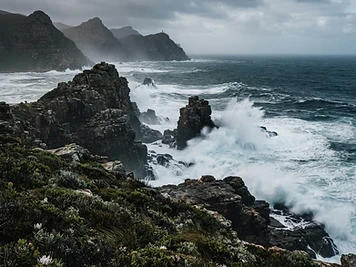
Africa's southernmost tip — windswept fynbos, shipwreck coast, and southern right whales passing offshore in season.

Bontebok National Park
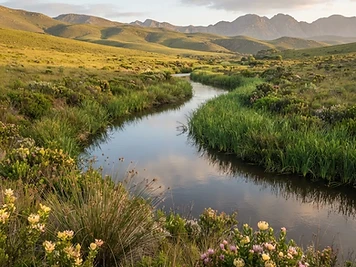
Small Breede River reserve that saved the bontebok from extinction — a relaxed, malaria-free stop on the Garden Route.

Garden Route National Park
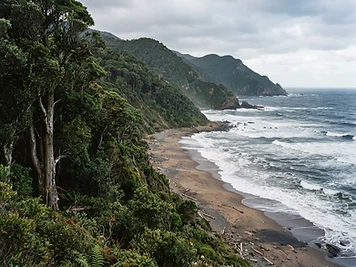
Knysna forest, Tsitsikamma coast and Wilderness lakes — elephants (elusive), leopard, otters and marine life along the coast.

Table Mountain National Park
Cape Town's urban-edge park running mountain to sea — baboons, dassies, ostrich at Cape Point, and the Boulders penguin colony.

West Coast National Park
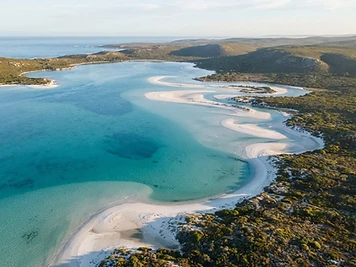
Langebaan Lagoon and salt marsh — flamingos, pelicans and spring wildflowers; wildlife offset by birdlife rather than big game.