
Kasteelspoort Hike
The Table Mountain route to the old cableway ruins — the most rewarding ascent of the mountain, with a direct Atlantic view.
Trip Role
Ideal stay
Best for
Our take
Kasteelspoort is the superior way to summit Table Mountain. It trades the relentless, crowded slog of the northern routes for a steady, scenic climb up the Twelve Apostles, delivering you directly to the mountain's quieter, rugged back table.
Kasteelspoort is the superior way to summit Table Mountain. It trades the relentless, crowded slog of the northern routes for a steady, scenic climb up the Twelve Apostles, delivering you directly to the mountain's quieter, rugged back table.
- Trip Role
- Day Trip
- Ideal Stay
- 3 to 5 hours, plus the descent time.
- Best For
- Atlantic coast views, avoiding crowds, accessing the back table, photography
- Skip If
- Casual walkers, those with severe vertigo, hikers in poor weather
- Go If
- You want a challenging, rewarding ascent that avoids the tourist crush of Platteklip Gorge. It suits hikers who prefer Atlantic views and a more gradual, varied gradient over a direct, vertical staircase.
Why it's worth your time
The Table Mountain climb with the payoff — a direct Atlantic-side ascent to the old cableway ruins.
What we love
The route offers a sense of isolation that the northern faces lack. While others fight for space on the main tourist paths, you are climbing through the Twelve Apostles with the Atlantic Ocean as your constant, dramatic backdrop for the entire ascent.
What to know
The cableway is weather-dependent and frequently closes in high winds. Never assume you can ride down. Always check the status before you start, and be prepared to walk down via Platteklip Gorge, which adds two hours to your day. Carry more water than you think you need, as the route is exposed to the sun.
The full guide
The ascent and the day
The hike begins at the top of Theresa Avenue in Camps Bay. You start on a jeep track that leads to the Pipe Track before turning upward into the ravine. The path is a steady, steep climb that winds through the Twelve Apostles. You will encounter rocky steps and sections of uneven terrain, but the gradient is generally more manageable than the direct northern routes. As you gain elevation, the views of the Atlantic coastline and Lion's Head open up. You will pass the ruins of the old cableway station, which served the reservoirs on the mountain's back table. The trail eventually levels out as you reach the summit plateau, where you can explore the reservoirs or head toward the upper cable station for the ride down.
Managing the terrain
The trail is physically demanding but not technically complex. You do not need climbing gear, though you should expect to scramble over some rocky sections. The footing is loose in places, particularly on the descent, which is where most injuries occur. If you have weak knees, use trekking poles to manage the impact. There is very little shade once you leave the lower slopes, so the sun is a constant factor. While the route is not excessively exposed to sheer drops, those with a strong fear of heights should remain cautious near the edge of the Diving Board. If the weather turns or the wind picks up, the mountain becomes hazardous. If you feel exhausted before reaching the top, turn back early rather than pushing to the summit.
Timing and preparation
Summer mornings are the best time to hike to avoid the intense heat. Start as early as possible to ensure you are off the mountain before the afternoon sun peaks. Always carry at least two litres of water, as there is no reliable water source on the trail. Wear sturdy, grippy footwear, as the rocks can be slippery. Check the cableway status before you leave home; if it is closed, you must descend on foot, which requires significant extra energy and time. Always tell someone your planned route and expected return time. If you find yourself on the mountain as light fades, do not attempt to navigate the descent in the dark. Call for assistance immediately if you are in trouble.
Before you book
Questions Kasteelspoort Hike always raises
- Is the Diving Board safe?
- The Diving Board is a natural rock ledge that hangs over a significant drop. It is safe for a photo if you are careful, but it is extremely dangerous in high winds. Never go out onto the ledge if the wind is gusting.
- Can I do this hike if I am afraid of heights?
- Kasteelspoort is generally manageable for those with mild vertigo. The path is wide enough that you do not need to walk along exposed edges. However, if your fear of heights is severe, the steep, open nature of the upper ravine may still feel uncomfortable.
- What happens if the cable car is closed?
- If the cable car is closed due to wind or maintenance, you must walk down. The standard descent is via Platteklip Gorge, which takes about two hours from the upper station. Ensure you have enough daylight and water to complete this extra distance.
- Do I need a guide?
- You do not need a guide if you are an experienced hiker who is comfortable with navigation and mountain safety. However, if you are unfamiliar with Table Mountain or the weather patterns, a guide provides a significant safety margin and local knowledge.
More hike in Western Cape

Cecilia Forest Hike
A half-day forest walk on the back of Table Mountain near Kirstenbosch, rising gently onto the contour path.

Cederberg Cracks Hike
A half-day hike through the Cederberg's signature rock formations, the Cracks, near Algeria.
Cederberg Wolfberg Arch Hike
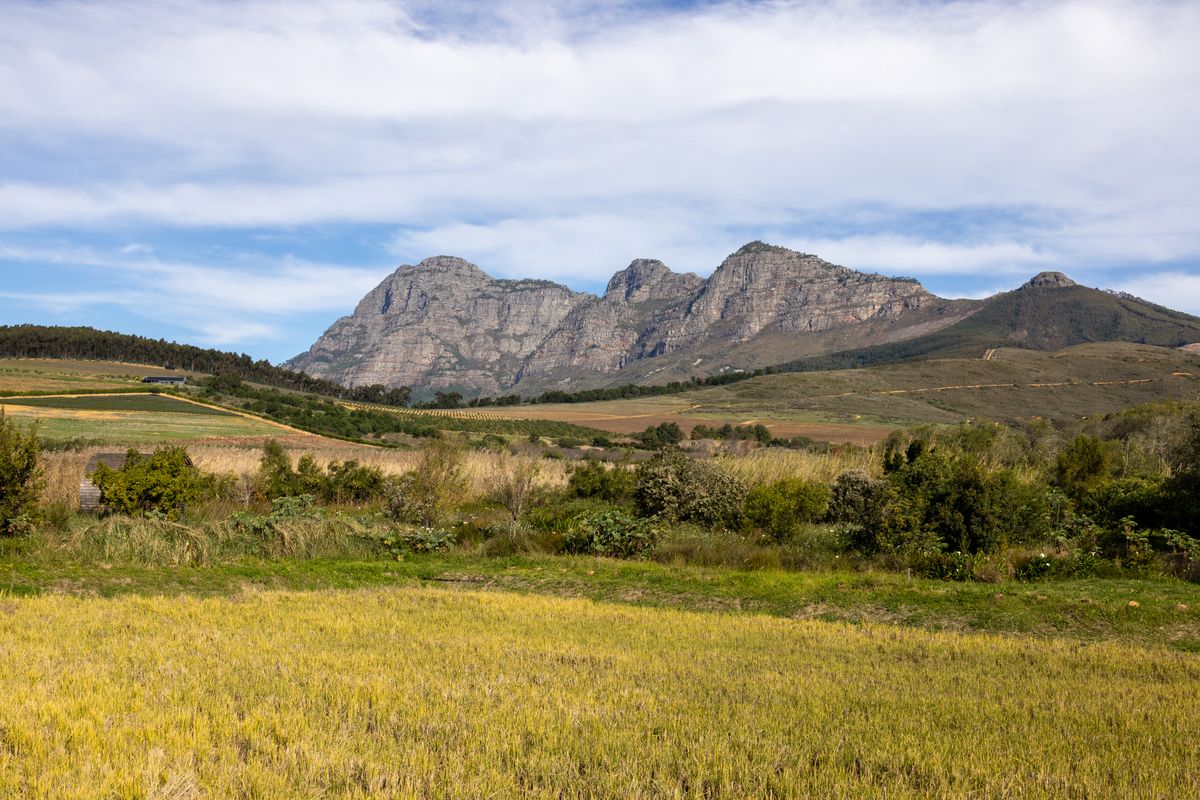
The iconic Cederberg hike to the Wolfberg Arch and Crack — two nights, rock formations, and a high plateau camp.
Devil's Peak Hike
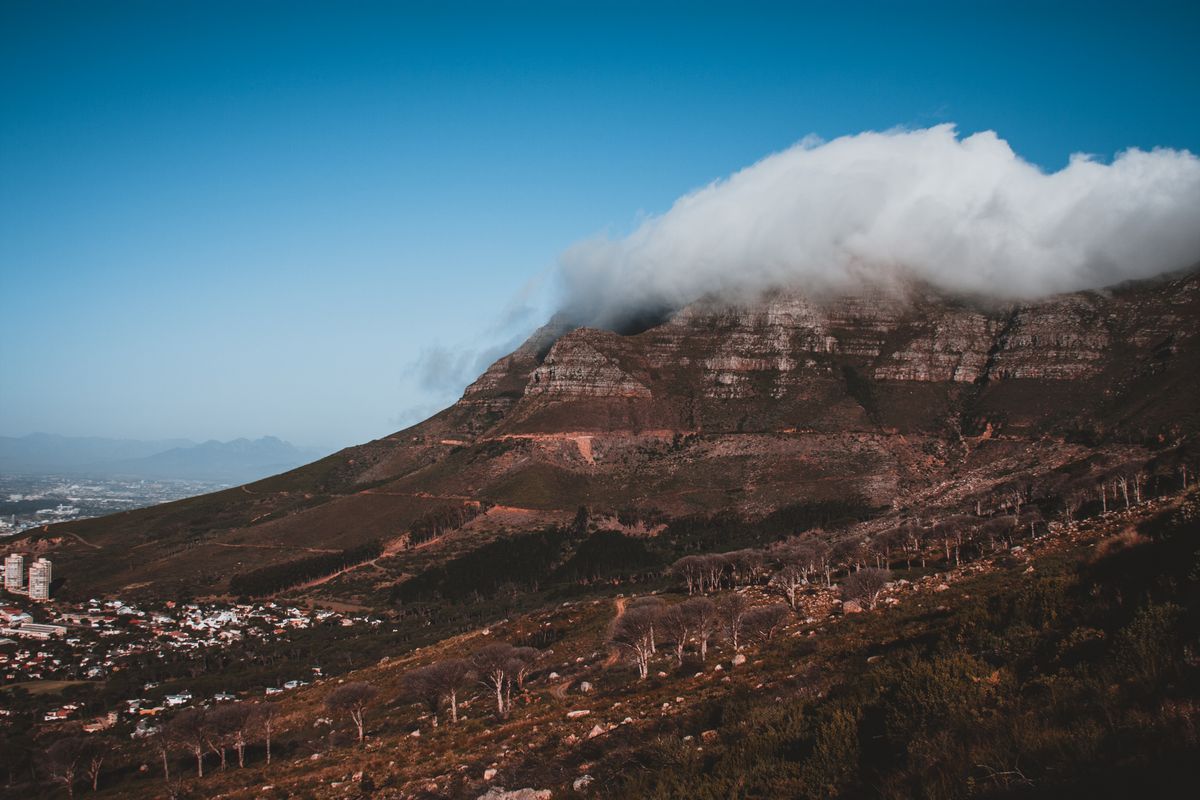
The Table Mountain sibling hike to the peak that frames the City Bowl — a steep, quiet summit away from the cableway crowds.
Du Toitskloof Hike
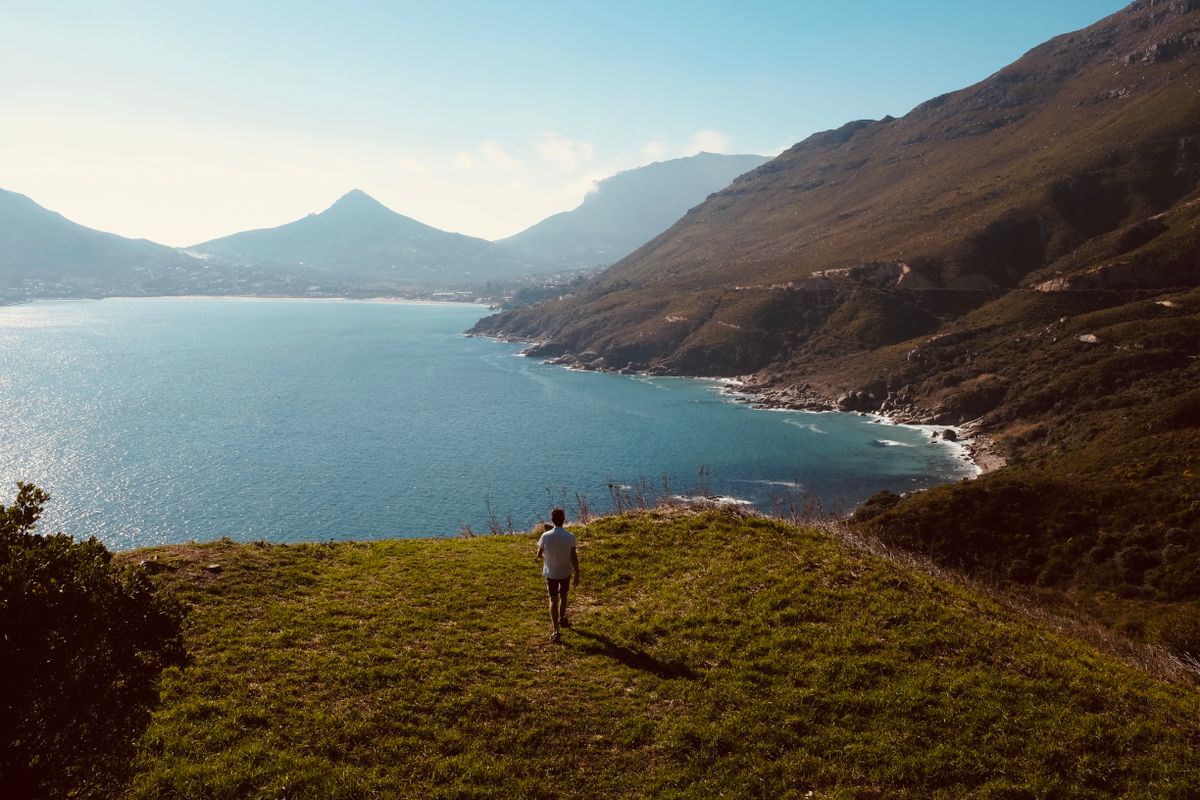
A Boland mountain hike between Paarl and Worcester — high passes, a waterfall tunnel, and a Cape-fold range crossing.

Elephant's Eye Cave Hike
A half-day hike in Silvermine Nature Reserve to a cave with a view over False Bay.