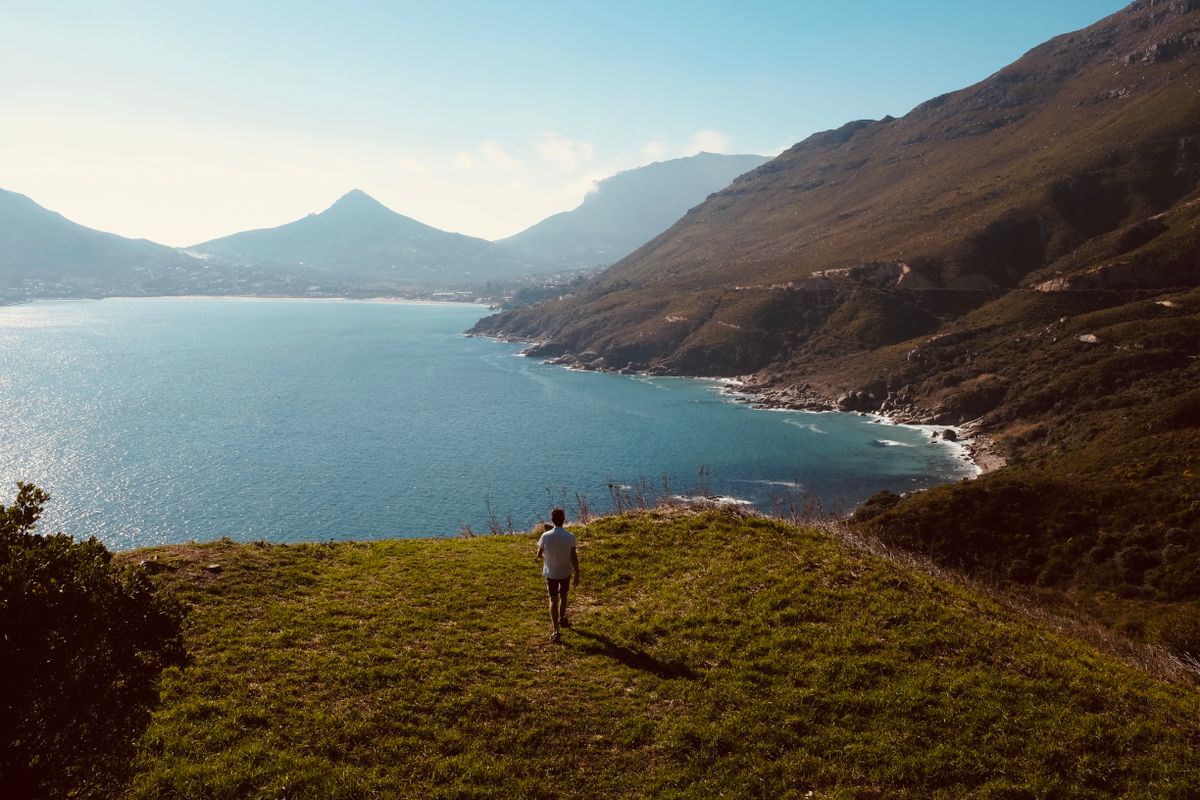
Du Toitskloof Hike
A Boland mountain hike between Paarl and Worcester — high passes, a waterfall tunnel, and a Cape-fold range crossing.
Trip Role
Ideal stay
Best for
Our take
Du Toitskloof offers rugged, high-mountain walking that rewards effort with deep river pools and dramatic peaks. It is a serious, unmanicured environment where the terrain demands respect and careful navigation.
Du Toitskloof offers rugged, high-mountain walking that rewards effort with deep river pools and dramatic peaks. It is a serious, unmanicured environment where the terrain demands respect and careful navigation.
- Trip Role
- Only If Nearby
- Ideal Stay
- Five to six hours, plus travel time.
- Best For
- river swimming, mountain scenery, challenging day hikes, fynbos exploration
- Skip If
- casual walkers, young children, those needing flat, well-marked paths
- Go If
- You are a fit hiker who enjoys technical, rocky paths and wants to swim in cold mountain water. This is for those who prefer raw, wild landscapes over manicured park trails.
Why it's worth your time
A Boland high-pass crossing — waterfall tunnel and Cape-fold range between Paarl and Worcester.
What we love
The transition from the harsh, sun-baked slopes into the cool, shaded riverine forest is jarring and welcome. Reaching the hidden waterfalls after navigating the boulder-strewn riverbanks feels like a genuine discovery, far removed from the manicured paths found closer to the city.
What to know
You must book a permit through CapeNature before arriving, as access is strictly controlled. The weather in these mountains changes rapidly, and heavy rain can make river crossings dangerous or impossible. Always check the forecast and carry enough water, as the mountain sun is intense and shade is inconsistent.
The full guide
The Route and Daily Flow
Most hikers head for the Krom River or Elands River trails, which start near the Huguenot Tunnel. These routes are not linear paths but rather slow, technical journeys along riverbanks. You will spend much of your time navigating rocks, ducking under branches, and crossing water. The day is defined by the pace of the terrain, which rarely allows for a steady rhythm. Expect to spend several hours moving through dense vegetation and over uneven ground before reaching the primary waterfall or pool. The return journey follows the same path, meaning you must account for the same physical effort on the way back. Always ensure you are off the mountain before sunset, as the light fades quickly in the deep kloof.
Handling the Hard Parts
The difficulty here lies in the footing and the gradient. The paths are often cut into steep slopes, and the river sections require constant attention to where you place your feet. If you are attempting the Miaspoort trail, prepare for a relentless, steep ascent that tests your endurance early on. Loose gravel and large boulders are standard, so trekking poles are a significant advantage for both stability and saving your knees on the descent. If you encounter a river crossing that looks high or fast, do not attempt it. The water levels can rise unexpectedly, and the rocks become dangerously slick. If the path feels too technical or the exposure makes you uncomfortable, turn back immediately rather than pushing into terrain that exceeds your ability.
Seasonal Planning and Gear
Summer brings intense heat, making early starts essential to avoid heat exhaustion. Winter offers cooler temperatures but introduces the risk of dangerous river crossings after heavy rain. Regardless of the season, you must carry a hat, sunscreen, and enough water, as the mountain environment is unforgiving. Wear sturdy, closed-toe hiking shoes with aggressive tread; smooth-soled trainers will fail you on the wet rocks. Pack a windbreaker, as the temperature drops sharply when the wind funnels through the pass. Always check the current status of the trails with CapeNature before you leave home, as closures for maintenance or fire risk are common. Never hike alone, and ensure someone knows your planned route and expected return time.
Before you book
Questions Du Toitskloof Hike always raises
- Do I need a permit to hike here?
- Yes, you must obtain a permit from CapeNature before you arrive. Access is managed to protect the reserve, and you may be turned away or fined if you do not have the correct documentation for the specific trail you intend to hike.
- Are these trails suitable for children?
- These are not easy walks. While older, active children may enjoy the challenge, the technical nature of the terrain, the steep drop-offs, and the river crossings make these trails unsuitable for young children or those who are not confident on uneven, rocky ground.
- Can I hike if it has been raining?
- Rain makes the trails significantly more dangerous. The river crossings can become impassable, and the steep, rocky paths turn into slippery hazards. If there has been heavy rain, it is safer to skip the hike and wait for the ground to dry out.
- How long does the hike actually take?
- While the distances are short, the terrain is slow. Expect to spend five to six hours for a standard out-and-back hike. The time varies based on your fitness level and how much time you spend navigating the technical sections or resting at the pools.
More hike in Western Cape

Cecilia Forest Hike
A half-day forest walk on the back of Table Mountain near Kirstenbosch, rising gently onto the contour path.

Cederberg Cracks Hike
A half-day hike through the Cederberg's signature rock formations, the Cracks, near Algeria.
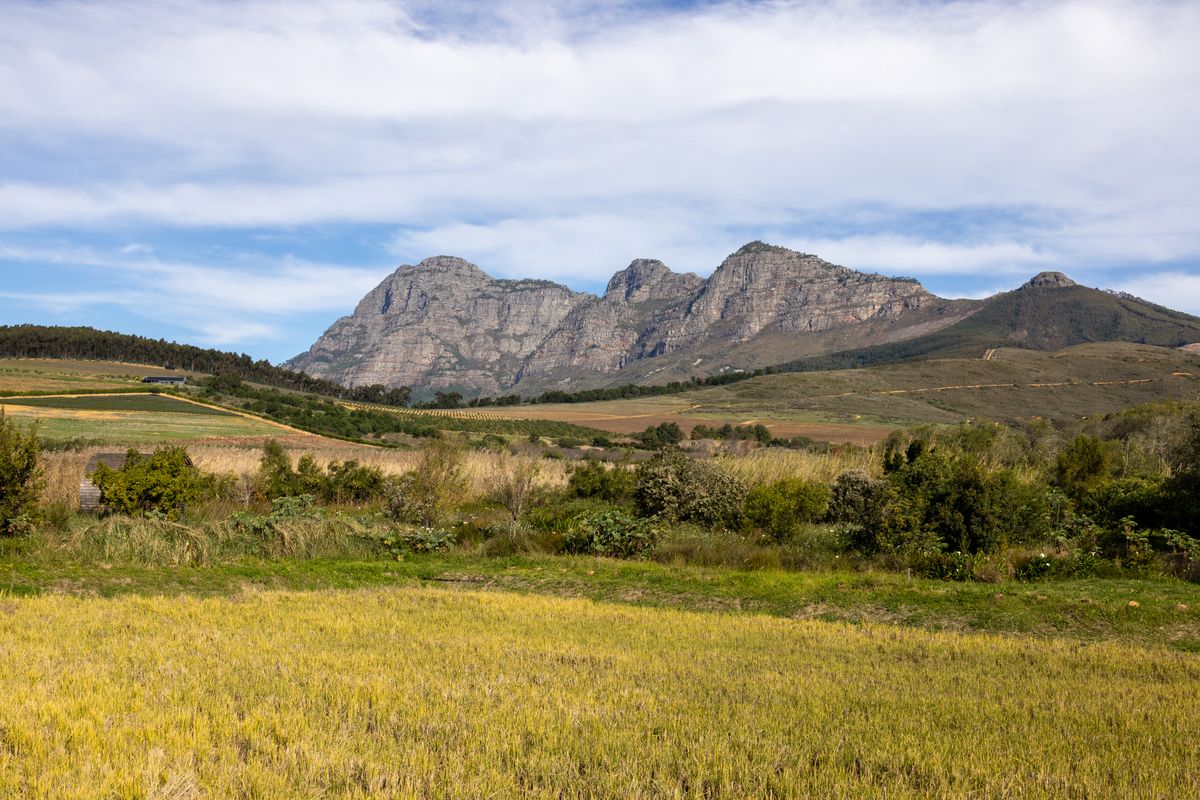
Cederberg Wolfberg Arch Hike
The iconic Cederberg hike to the Wolfberg Arch and Crack — two nights, rock formations, and a high plateau camp.
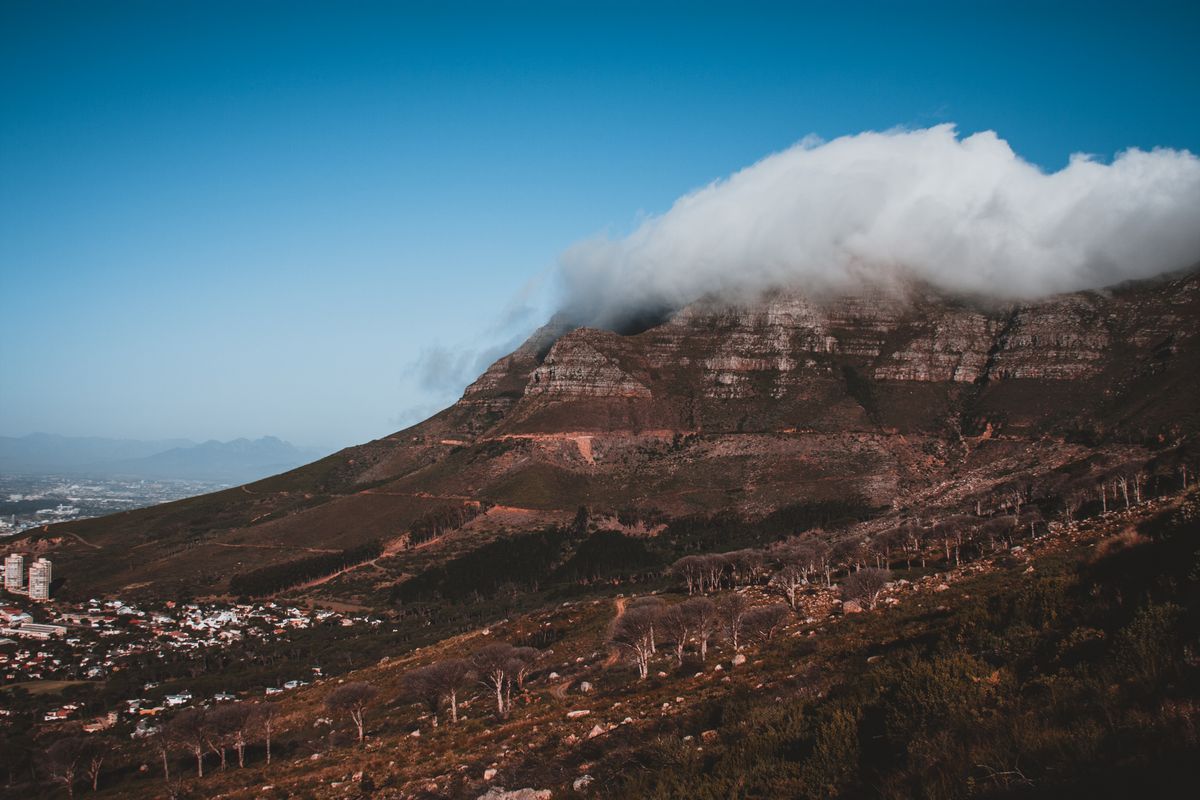
Devil's Peak Hike
The Table Mountain sibling hike to the peak that frames the City Bowl — a steep, quiet summit away from the cableway crowds.

Elephant's Eye Cave Hike
A half-day hike in Silvermine Nature Reserve to a cave with a view over False Bay.

Fernkloof Circular Walk
A network of easy Hermanus fynbos walks — 60km of trails above the town, and the best whale-watching return on foot.