
Fernkloof Circular Walk
A network of easy Hermanus fynbos walks — 60km of trails above the town, and the best whale-watching return on foot.
Trip Role
Ideal stay
Best for
Our take
Fernkloof offers a rare, accessible mountain experience where the fynbos is the main event. It is a straightforward, well-managed network that rewards minimal effort with expansive views of the Walker Bay coastline.
Fernkloof offers a rare, accessible mountain experience where the fynbos is the main event. It is a straightforward, well-managed network that rewards minimal effort with expansive views of the Walker Bay coastline.
- Trip Role
- Day Trip
- Ideal Stay
- 90 minutes to five hours, depending on the chosen route.
- Best For
- fynbos diversity, whale watching vantage points, accessible mountain air, free entry
- Skip If
- hikers seeking technical scrambles, those wanting total isolation
- Go If
- You want a quiet, self-guided morning in the mountains without the technical demands of high-altitude climbing. It suits those who prefer botanical diversity over sheer physical exhaustion.
Why it's worth your time
Hermanus's fynbos trails above the whale cliffs — easy, signed, and the best free thing in town.
What we love
The sheer botanical density of the Cape Floral Kingdom is on full display here. Unlike coastal paths that focus solely on the ocean, these trails pull you into the mountain slopes where the variety of proteas, ericas, and restios is genuinely staggering.
What to know
The reserve is a network, not a single path. You must visit the visitor centre near the parking area to buy a map. Without one, the colour-coded signs can be confusing, and you risk choosing a route that exceeds your fitness level.
The full guide
The trail network and how the day runs
The reserve operates as a hub of colour-coded routes radiating from the visitor centre. You start by parking at the centre and selecting a trail based on your fitness. The lower paths are gentle, winding through the fynbos near the gardens, while the upper routes climb steeply into the Kleinrivier Mountains. Most visitors spend two to three hours on the mid-level circuits, which provide the best balance of mountain air and coastal views. The paths are well-graded, but the terrain changes from sandy tracks to rocky mountain slopes as you gain altitude. Always check the weather before starting, as the mountain slopes are exposed to sudden shifts in wind and mist that can obscure the trail markers.
Handling the terrain and physical demands
The difficulty varies significantly by route. The lower loops are easy, but the outer circuits involve sustained climbing that will test your lungs. Footing is generally stable, though you should expect loose gravel and uneven rock on the higher sections. There is very little shade once you leave the lower gardens, so sun protection is non-negotiable. If you have a fear of heights, stick to the lower contour paths; the higher ridges are narrow and exposed. Water is not available on the trails, so carry more than you think you need. If you find yourself struggling, the network is dense enough that you can usually find a junction to loop back to the centre earlier than planned.
Seasonal planning and essential gear
The best time to visit is during the cooler months or early in the morning. September is particularly popular due to the flower festival and peak bloom, but the trails are accessible year-round. Summer afternoons can be punishingly hot and windy, making the higher ridges uncomfortable. Regardless of the season, carry a windbreaker, as the mountain weather changes rapidly. Sturdy walking shoes are essential, as the sandy and rocky paths can be slippery. If you plan to hike the longer, more strenuous routes, start at dawn to ensure you are off the mountain before the afternoon heat sets in. Always carry a physical map from the visitor centre, as mobile signal can be unreliable once you are deep in the kloofs.
Before you book
Questions Fernkloof Circular Walk always raises
- Is there an entrance fee for Fernkloof?
- No, entry to the reserve is free. However, the visitor centre relies on donations to maintain the trails, so contributing is encouraged. You should still stop at the centre to purchase a map for a small fee.
- Are dogs allowed on the trails?
- Dogs are permitted only on specific lower paths and must be kept on a leash at all times. They are not allowed on the higher mountain trails, so check the signage at the visitor centre before you start.
- Can I see whales from the hiking trails?
- Yes, the higher vantage points offer excellent views over Walker Bay. During the whale season, which runs from June to November, you can spot southern right whales from the ridges, though the coastal cliff path is better for close-up sightings.
- How long does the longest hike take?
- The longest circular routes can take up to five hours. This depends entirely on your pace, the number of stops you make for photography, and the weather conditions. Always start early if you intend to complete the full mountain circuit.
More hike in Western Cape

Cecilia Forest Hike
A half-day forest walk on the back of Table Mountain near Kirstenbosch, rising gently onto the contour path.

Cederberg Cracks Hike
A half-day hike through the Cederberg's signature rock formations, the Cracks, near Algeria.
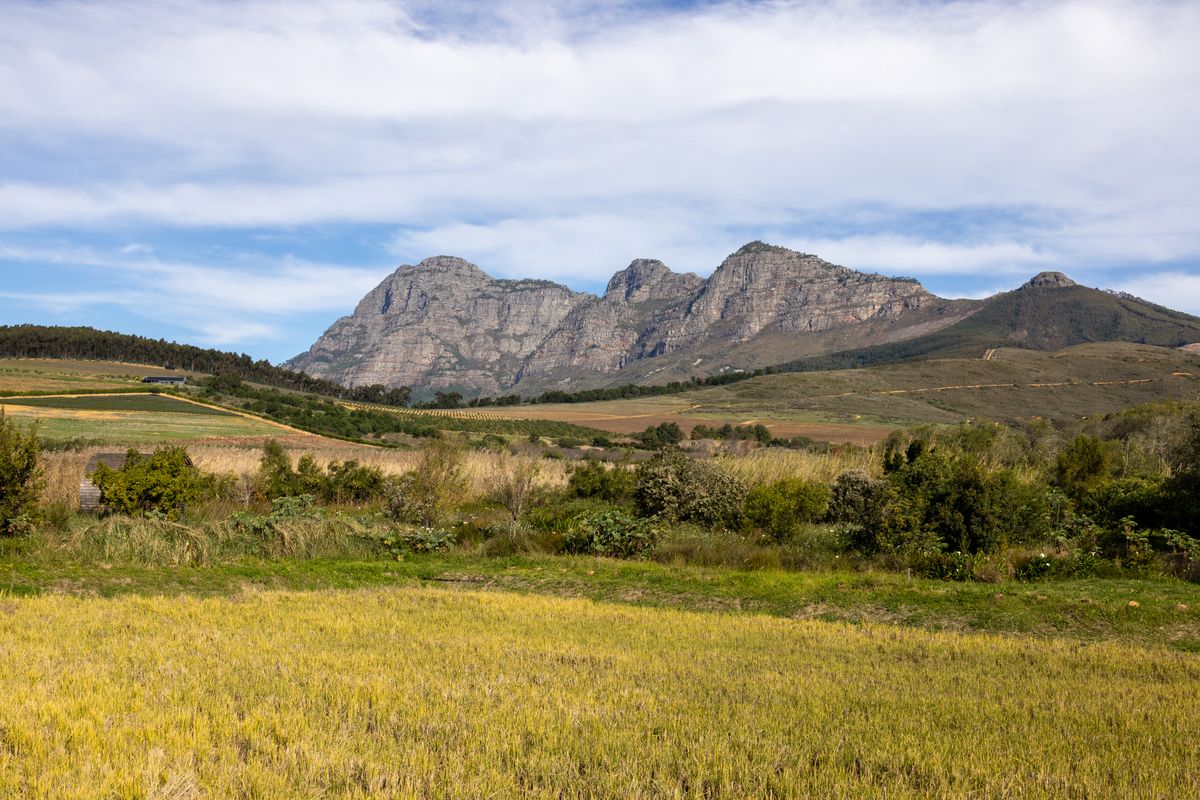
Cederberg Wolfberg Arch Hike
The iconic Cederberg hike to the Wolfberg Arch and Crack — two nights, rock formations, and a high plateau camp.
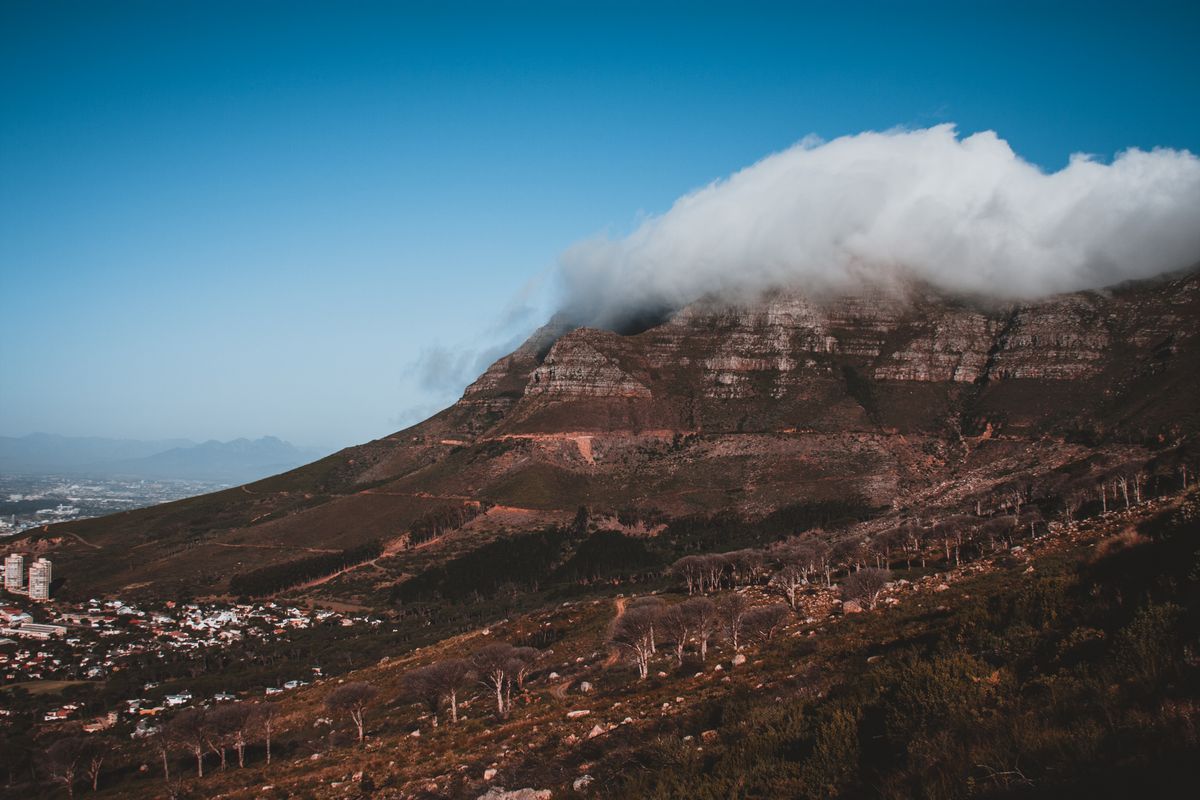
Devil's Peak Hike
The Table Mountain sibling hike to the peak that frames the City Bowl — a steep, quiet summit away from the cableway crowds.
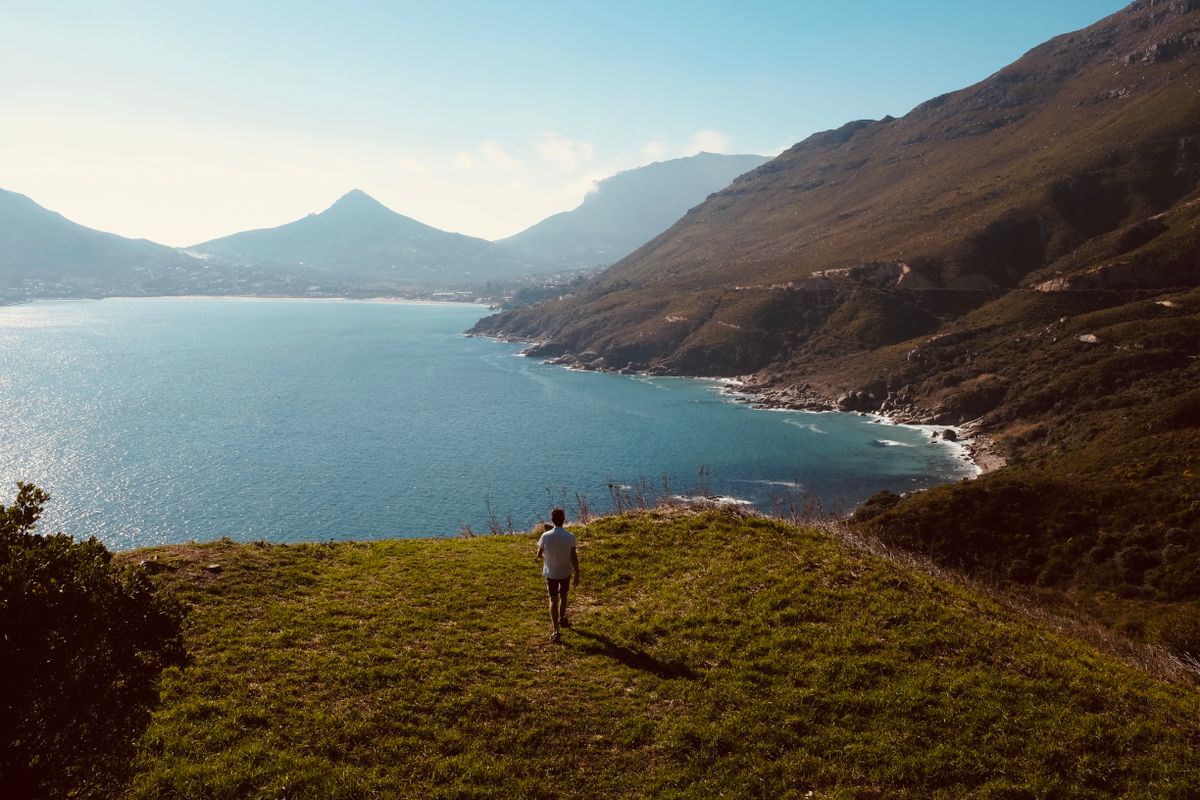
Du Toitskloof Hike
A Boland mountain hike between Paarl and Worcester — high passes, a waterfall tunnel, and a Cape-fold range crossing.

Elephant's Eye Cave Hike
A half-day hike in Silvermine Nature Reserve to a cave with a view over False Bay.