
Welgevonden Game Reserve
A malaria-free Big Five reserve in the Waterberg — 360km2 of bushveld, two-and-a-half hours from Johannesburg.
Trip Role
Ideal stay
Best for
Our take
The closest malaria-free Big Five to Johannesburg that feels properly wild.
The closest malaria-free Big Five to Johannesburg that feels properly wild.
- Trip Role
- Overnight
- Ideal Stay
- 2-3 days
- Best For
- Malaria-free Big Five from Joburg
- Go If
- You want a malaria-free Big Five weekend from Johannesburg.
Why it's worth your time
Welgevonden is the largest private reserve in the Waterberg — malaria-free Big Five, a good range of lodges, and close enough to Johannesburg for a long weekend.
What we love
The Waterberg bushveld and the low malaria risk, within reach of Joburg.
What to know
Part of the Waterberg Biosphere (a UNESCO site); malaria-free and roughly 360km2, making it the biggest private reserve in the region.
The full guide
What it is like
Welgevonden sits in the heart of the Waterberg, a place defined by sudden dramatic shifts in elevation and rugged sandstone cliffs. Unlike the flat savanna of the lowveld, the topography here dictates your view. The vegetation is a mix of sourveld and woody savanna, creating a denser, more enclosed feel that forces you to scan the immediate brush rather than distant horizons. The light in the late afternoon catches the ochre rock faces, providing a distinct warmth that feels different from the harsh glare of more exposed regions. The air is thinner and cooler than in the Kruger, which makes the morning drives crisp and brisk.
Your first hour on the reserve introduces you to the sheer scale of the landscape. It covers roughly three hundred and sixty square kilometres, and because of the varied terrain, the sense of isolation is real. There is a quietness here that feels distinct from the neighbouring reserves, which are often more fragmented. You feel the scale immediately, not just in the size of the hills, but in the lack of human infrastructure visible once you pass the gate. The transition from the dusty approach near Vaalwater to the interior of the reserve is abrupt, moving you quickly from human settlement into a space that feels managed but undeniably wild.
Wildlife, realistically
The Big Five are present and accounted for, but you should temper your expectations if you are comparing this to the frenetic predator sightings of the Sabi Sand. Sightings here require patience and a willingness to traverse the undulating ground. Elephants are abundant, as they thrive in the diverse browse available across the valleys. You will see plenty of antelope species, particularly those that favour rocky outcrops and woodland settings. Tracking leopards is a persistent challenge; they are here, but they use the complex topography to remain largely unseen by all but the most experienced trackers.
Seasonal movement follows the availability of water, which is naturally sparser during the dry months. Sightings concentrate around the limited permanent water sources as the veld dries out. Cheetahs are present and often benefit from the open ridges where they can scout their surroundings, but they remain a prize rather than a guarantee. Do not arrive expecting the kind of dense, habituated predator viewing found elsewhere in the country. Instead, appreciate the wildlife in the context of the rugged Waterberg habitat where a sighting feels earned through persistent movement across the reserve's challenging contours.
How a visit works
You cannot simply drive into Welgevonden at your own whim. The reserve mandates strict control, and you must access the interior through guided vehicles provided by your specific lodge. This is not a self-drive destination, and the restriction preserves the quiet nature of the bush experience. Your daily rhythm is dictated by the lodge schedule, which typically revolves around the dawn and dusk patrol. Each lodge functions as its own hub, so the quality of your guide often determines the success of your day. The gate logic is designed to prevent congestion, which keeps the total experience feeling exclusive.
Two to three days is the ideal amount of time for a visit. Anything less than two nights leaves you feeling like you are constantly packing and unpacking without ever settling into the pace of the landscape. A four-night stay allows you to explore the further reaches of the reserve, though some travellers may find the terrain repetitive if they stay longer. You spend your days between the lodge deck and the vehicle, punctuated by meals that highlight the seclusion of the area. It is a structured, managed experience that prioritises the integrity of the reserve over high-volume visitor flow.
When to go
The choice of season here is a trade-off between visibility and comfort. The dry winter months offer the best game viewing because the vegetation dies back and animals congregate at the waterholes. You will be cold on the morning game drives, and the dust can be pervasive, but the odds of seeing predators against a sparse backdrop increase significantly. The days are usually mild and clear, making it a reliable time for those who prioritise sightings over swimming or lounging by the pool.
Summer brings lush green growth, which makes finding elusive game much harder. The heat is palpable, and the afternoon thunderstorms can turn the roads into challenging mud tracks. While the bush is beautiful and the birdlife is exceptional, you will spend more time searching for animals that are well-hidden in the dense foliage. Crowds remain manageable throughout the year due to the lodge-based system, though prices fluctuate during school holidays. If you have the flexibility, visit in late autumn when the rains have ceased but the landscape still holds some of its verdant colour, offering a middle ground between the harshness of winter and the heat of summer.
Who it suits, who it does not
Welgevonden is the logical choice for the traveller based in Johannesburg who wants a genuine safari experience without the logistics of flying or the risk of malaria. It rewards those who value the specific aesthetic of the Waterberg, with its dramatic ridges and rocky vistas. If you want a weekend getaway that feels like a proper wilderness escape, this is the place to be. The malaria-free status makes it an easy sell for families with young children or those who prefer to avoid the medical precautions required for destinations further north.
Conversely, it will frustrate the traveller who demands constant, high-octane predator action or those who prefer a wide, open plains savanna experience. If you are a seasoned safari goer expecting the density of sightings common in the Sabi Sand, you will likely walk away feeling underwhelmed. For those who find this reserve too managed or too contained, a move to the Timbavati or the greater Kruger area is the better alternative. It is a specific type of bush experience that suits those who appreciate the quiet, rugged character of the Waterberg more than the thrill of a big-game checklist.
More private reserve in Limpopo
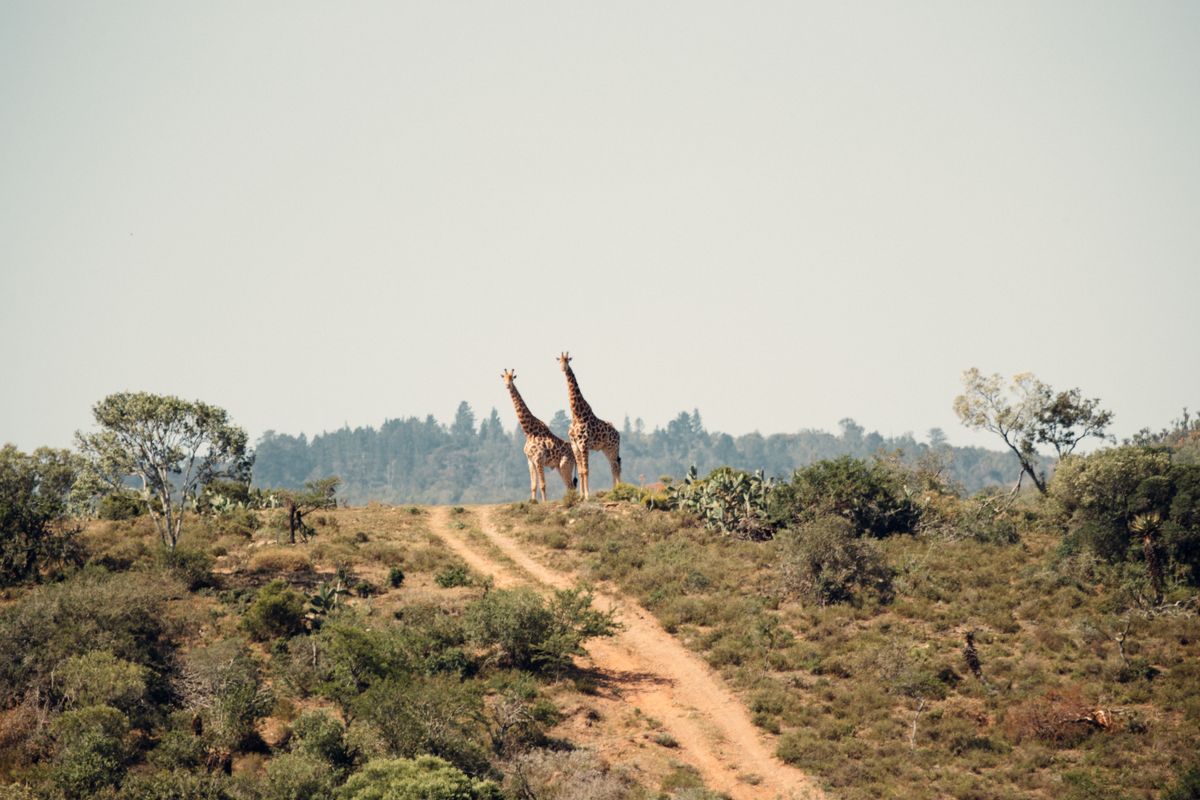
Balule Nature Reserve
Greater Kruger reserve offering more affordable private safaris — unfenced, Big Five, river frontage.

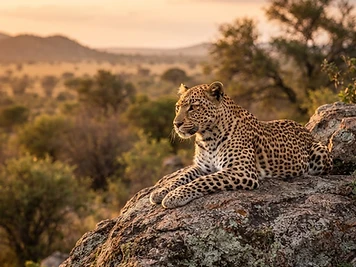
Karongwe Private Game Reserve
A smaller private Big Five reserve near Hoedspruit, popular for first-time and family safaris.
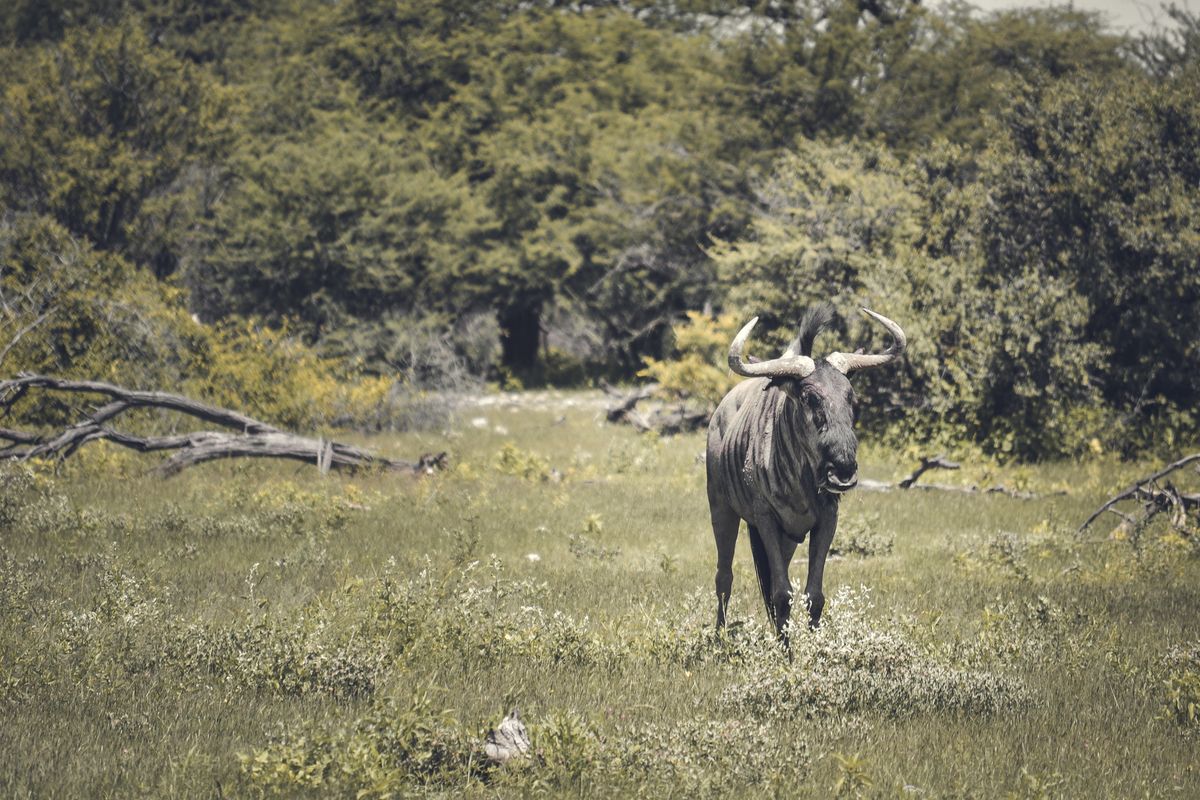
Klaserie Game Reserve
One of the largest private reserves in Greater Kruger — quieter than Sabi Sand, unfenced, strong Big Five.

Modjadji Cycad Reserve
The sacred cycad forest of the Lobedu rain-queen — some of the largest and oldest cycads in the world.

Nylsvley Nature Reserve
A seasonal floodplain that becomes one of South Africa's great bird spectacles when the water arrives — up to 100,000 birds.
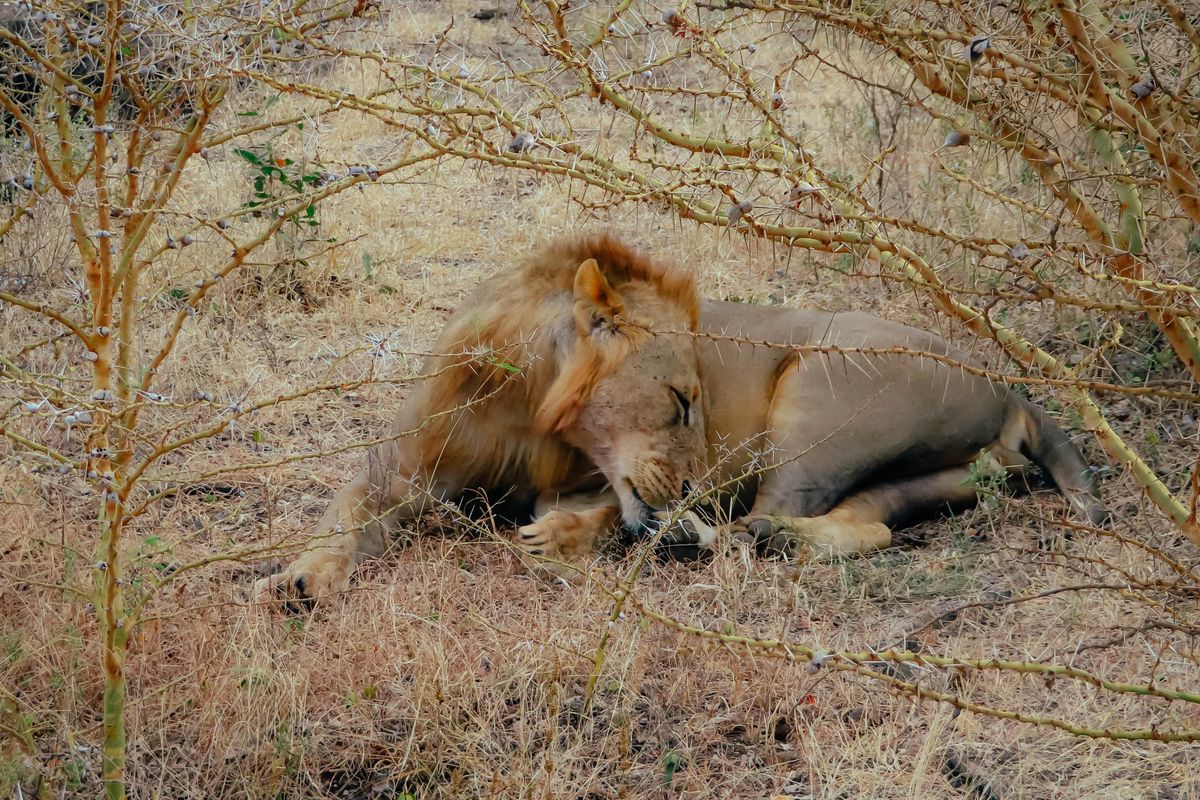
Timbavati Game Reserve
Greater Kruger private reserve famed for its white lions — unfenced to Kruger with classic lowveld game viewing.