Timbavati Game Reserve
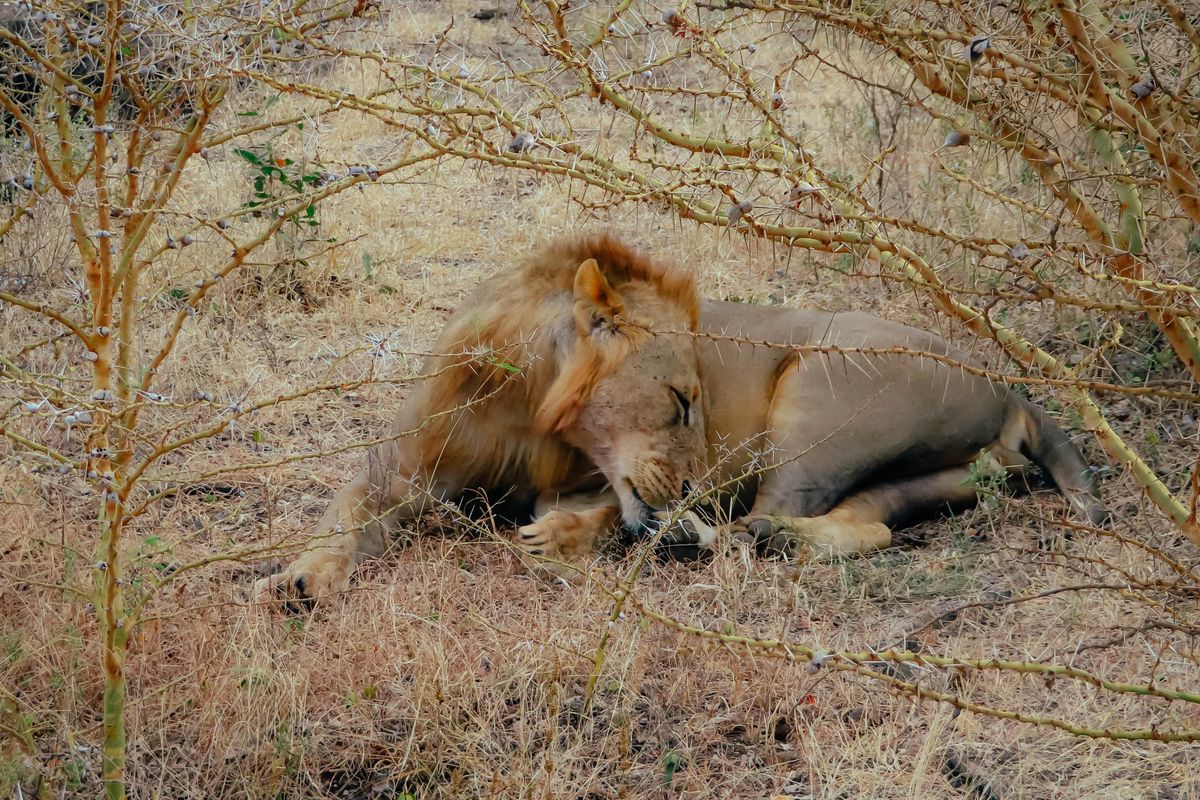
Greater Kruger private reserve famed for its white lions — unfenced to Kruger with classic lowveld game viewing.
Trip Role
Ideal stay
Best for
Our take
A sophisticated, high-end safari destination that delivers consistent, world-class wildlife encounters.
A sophisticated, high-end safari destination that delivers consistent, world-class wildlife encounters.
- Trip Role
- Base
- Ideal Stay
- 3-4 days
- Time Needed
- 3 days
- Best For
- Big Five sightings and luxury lodges
- Go If
- You want a premium, private safari experience with a high probability of seeing the Big Five.
What to optimise for
What Timbavati Game Reserve rewards
The same reserve can be a different trip depending on what you came for. Choose the version you want, then plan around it.
- Big Five sightings
- The unfenced border with Kruger means wildlife moves freely, ensuring high animal density. Guides here use trackers and traverse vast private mandates to find predators. You will see more in two days here than in a week elsewhere, though the cost is significantly higher per day.
- Luxury lodge experience
- This is a premier destination for high-end hospitality. Expect refined service, gourmet dining, and exclusivity in the bush. You pay for the comfort and the privacy, meaning you are often removed from the rugged reality of wilderness life in favour of curated, sophisticated safari luxury and relaxation.
- Wildlife photography
- Timbavati allows off-road driving, which is the primary advantage for photographers. You can position vehicles for perfect angles on lions or leopards. The compromise is that you are restricted to lodge vehicles, limiting your ability to control the shoot duration compared to a private photo safari.
- Seeing white lions
- Timbavati is the only place with a consistent genetic history of white lions. Tracking them is a specialised focus for many lodges. The trade-off is that these animals are not separate species and sightings remain rare, so focus on the broader experience rather than just one genetic anomaly.
When to go
Timing a visit to Timbavati Game Reserve
Rain, grass and water decide what you see. These are the trade-offs, season by season.
May to September
BestThis is the dry winter season. Vegetation dies back and wildlife congregates at permanent water sources, making sightings predictable and easy. Mornings and evenings are freezing, so pack heavy layers. The bush is thin, dust is everywhere, and this is the peak period for premium pricing and heavy demand.
October to November
GoodThis is the shoulder season. The first rains bring a flush of new life and the bush begins to turn green. Migrant birds arrive and many ungulates drop their calves. It is an active, productive time, though the increasing heat and humidity signal the coming summer rains.
December to March
MixedThis is the green season. Heat is intense and afternoon thunderstorms are common. The bush becomes thick, making wildlife harder to spot. While rates are lower and the scenery is lush, malaria risk peaks in the lowveld and you must be comfortable with bugs and intense humidity.
How long to stay
Nights, and what each one buys
Nights are the unit of cost here. This is the honest return on each one.
- Two nights
- This is the bare minimum to justify the travel time and cost. You get four game drives, which offers a decent chance at spotting most of the Big Five. However, it feels rushed and leaves no room for error if weather interrupts your viewing schedule.
- Three to four nights
- This is the ideal window. It allows for the rhythm of the bush to set in and provides enough time for trackers to locate elusive leopard or specific pride movements. You gain a better sense of the ecosystem without the fatigue that eventually sets in on longer trips.
- A week
- A week is excessive for most unless you are a dedicated photographer or birdwatcher. The routine of twice-daily game drives becomes monotonous after five days. You run the risk of diminishing returns, and the isolation of the private reserves can start to feel claustrophobic after this duration.
Getting there
Airport, road, gate
Distances here are hours, not kilometres. Fuel up before the last town.
- Nearest airport
- Hoedspruit Eastgate Airport is the primary hub, situated about one hour from the reserve gates. Many lodges offer road transfers directly from the terminal. Flying from Johannesburg is standard, as it avoids the long haul by road and gets you into the bush within two hours.
- Drive
- Driving from Johannesburg takes roughly six to seven hours. The route is straightforward but tiring. You will spend significant time on national roads before hitting the secondary routes leading into the Lowveld. Factor in enough time to reach the gate before sunset to avoid hazardous night driving.
- Gates and hours
- Reserve gates operate on strict schedules to ensure security and manage wildlife safety. You must arrive well before closing, as gates do not permit entry after dark. Check your specific lodge instructions, as arrival times are enforced to avoid dangerous encounters with wildlife on access roads.
- Roads and vehicle
- A standard sedan will manage the tarred roads to the main gates. However, once inside the reserve, roads are gravel and sand. Most lodges prefer you use their high-clearance game viewers anyway. If self-driving, ensure you have a vehicle capable of handling deep sand and occasional rutted tracks.
Where to base yourself
Three kinds of base
The base decides your gate times, your privacy and your bill more than the reserve does.
Private luxury lodges
These are the standard choice. They provide a full-service experience with all meals and two guided drives per day included. You are paying for the expertise of the rangers and the exclusivity of the private traversing rights within the reserve.
Timbavati camps
Some camps offer a more rustic approach, focusing on the bush rather than opulent decor. They provide a similar wildlife experience to the luxury lodges but with simpler amenities. Choose these if you want to focus entirely on the game and prefer a more grounded environment.
Hoedspruit gateway
Staying outside the reserve in Hoedspruit is a cheaper option, but it is not a safari base. You lose the early morning and late evening access to the bush, which are the most productive times. You will spend your trip commuting instead of watching wildlife.
Day trips and detours
What else the day holds
Most stays run on a fixed rhythm of dawn and dusk drives. The middle of the day is yours.
Kruger National Park
Directly borders, 0 minutes
The border is unfenced, so the reserve is effectively an extension of the park. You do not need to leave the reserve for a day trip; the wildlife here is often better and more accessible due to the low vehicle density compared to the national park.
Blyde River Canyon
1.5 hours one way
If you need a change of pace, the canyon offers massive cliffs and viewpoints. It is worth the drive if you have an extra day, but skip it if you are only there for the safari. The safari experience is the reason to visit Timbavati.
Hoedspruit town
1 hour one way
The town serves as a supply centre with restaurants and shops. It is useful for logistics or buying supplies if you are self-catering, but it holds little appeal for the visitor. Stay within the reserve to maximise your time with the wildlife and avoid unnecessary travel.
What it costs
The money, in bands
Rand rates and park fees change. Compare the bands, then check current figures with the park or the lodge directly.
- Park or reserve fees
- Conservation levies are mandatory for all guests entering the reserve. These fees support anti-poaching and infrastructure. Rates vary by lodge and are usually added to your final bill or included in the package. Check the exact figure with your host prior to arrival.
- Self-catering
- Self-catering options are very limited in private reserves. If you find one, expect to pay for your own fuel, food, and gate entrance. This keeps costs down, but you lose the expertise of a professional guide, which is the entire point of this destination.
- Mid-range guided
- These packages offer shared game drives and comfortable, functional accommodation. You still get excellent guiding, but you sacrifice privacy in the vehicle and some of the elaborate perks. Rates vary, so confirm whether drinks and specialised activities are included in your quote.
- Top end and fly-in
- This covers the high-end lodges where everything is included. You pay for private vehicles, gourmet meals, and impeccable service. Rates vary widely based on the season and lodge exclusivity. Expect to pay premium prices for what is essentially a fully curated, zero-effort experience.
Why it's worth your time
A private reserve sharing an unfenced border with Kruger, allowing for the free movement of wildlife. It is internationally recognized for its population of white lions and high-quality, guided game viewing.
What we love
The ability to go off-road with trackers to get closer to leopard and lion sightings.
What to know
It is a malaria-risk area; consult your doctor regarding prophylaxis.
The full guide
What it is like
Timbavati is a vast stretch of bushveld that feels distinctly private because of its low vehicle density. It shares an open, unfenced boundary with the Kruger National Park, which removes any barrier to animal migration. The landscape is a mix of savanna, acacia thickets, and drainage lines, offering a raw, dusty aesthetic that lacks the polished feel of a suburban park. The heat is dry and intense, and the light in the late afternoon turns everything a deep, burnt orange. You do not hear traffic or distant hums of machinery; you hear the frantic calls of francolins and the rhythmic ticking of cicadas. The silence feels heavy until a lion roars, which carries across the plains with an unsettling clarity.
Your first hour here is defined by a shift in pace. You move from the open road into the deep sand of the reserve tracks, where the vehicle jostles and leans. The isolation is immediate. Unlike the public sections of Kruger, where you are tethered to asphalt and gridlocked traffic, Timbavati feels like an exclusive, guarded wilderness. The vegetation is thick enough to hide predators, yet open enough for long-range tracking. It is a place where you stop moving for the sake of covering ground and start moving for the sake of finding something specific.
Wildlife, realistically
The Big Five are here, and you are likely to see all of them over the course of a few days. Leopard sightings are frequent and often intimate because the reserve allows off-road driving, meaning you can follow a cat through the brush rather than watching it vanish into a thicket from a hundred metres away. Lions are equally common, and while the white lions are a famous genetic anomaly of the area, you should not travel here with the singular expectation of seeing one. They are rare, and their presence is not guaranteed.
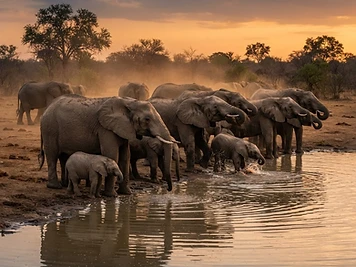
Elephants roam in large herds and show little fear of vehicles, which can make for tense, thrilling encounters. Rhino populations are also present, but their sightings are treated with extreme caution and discretion due to the ongoing poaching pressure. Do not expect to see everything within the first drive. You will encounter days where the bush feels empty and silent. Cheetahs and wild dogs are more elusive, moving through the reserve based on prey availability. You see what the tracker can spot, and the quality of the sighting depends entirely on the skill of the guide and the willingness of the animals to remain stationary.
How a visit works
Timbavati is almost exclusively a guided reserve. You do not come here to self-drive. The logic of the place is built around lodge-based experiences where your day is orchestrated from sunrise to sunset. You wake before dawn, spend four hours on a game vehicle, and return to camp for a substantial brunch. The middle of the day is for rest, reading, or watching the waterhole, and the cycle repeats in the late afternoon, often extending into a night drive with spotlights to catch the nocturnal hunters.
Three to four nights is the ideal length of stay. Anything less feels like a rushed attempt to tick boxes, leaving you with little time to settle into the rhythm of the bush. The quality of your experience varies significantly by operator, as each lodge manages its own traversing rights and vehicle standards. You are paying for the expertise of the tracker and the exclusivity of the land. If you prefer the independence of driving your own car or having complete control over your schedule, you will find the structured nature of the reserve restrictive and frustrating.
When to go
The dry season, from May to September, is when game viewing is at its easiest. The vegetation thins out, and animals congregate around the remaining water sources, making them far easier to locate. The temperatures are comfortable, though the mornings can be bitingly cold on an open vehicle. This is also the period when the risk of malaria is at its lowest. However, this is also when the lodges reach their peak pricing and the reserve experiences its highest density of guests.
October through April brings the rains and the heat. The bush becomes dense, green, and lush, which makes spotting smaller wildlife difficult. The heat can be stifling, often rising into the forties, and the insect population increases dramatically. Fire is a constant concern during the late dry season, and you may find certain areas inaccessible due to controlled burns or accidental bushfires. While the summer months offer cheaper rates and the joy of seeing newborn antelope, you must weigh those benefits against the reality of increased malaria risk and the physical challenge of searching for predators in thick, vibrant cover.
Who it suits, who it does not
Timbavati rewards the traveller who values comfort and the luxury of time. If you want a deep, focused safari where you can watch a predator at close range without fighting for a view, this is the right place. It suits those who want the guesswork removed from their holiday and are happy to let an experienced guide navigate the complexities of the landscape. It is a premium destination, and it makes no apologies for the cost associated with maintaining such high standards of guiding and wildlife management.
It frustrates the traveller who needs constant activity or who resents being told when to wake, eat, and move. If your budget is tight, Timbavati will feel like an expensive compromise when compared to the vast, public expanses of the Kruger National Park. If you crave the freedom to explore at your own pace, or if you prefer a self-contained, adventurous road trip over a curated lodge experience, look elsewhere. The Kruger itself provides a more democratic, DIY experience that offers similar wildlife density at a fraction of the price of the private lodges found here.
Before you book
Questions Timbavati Game Reserve always raises
- Is there a malaria risk?
- Yes, Timbavati is a high-risk malaria zone. You must consult a doctor before departure for appropriate prophylaxis. The risk is higher in the humid summer months, but you should take precautions regardless of when you travel. Always use insect repellent and cover up during dawn and dusk.
- Should I self-drive or take guided game drives?
- Take the guided drives. The terrain is challenging, and professional rangers have the expertise to track animals and navigate the bush safely. Guided vehicles are also allowed to go off-road, which is essential for getting close to predators. You will see infinitely more with an experienced guide.
- Do I need a 4x4?
- If you are flying in and using lodge vehicles, no. If you are self-driving to your accommodation, a high-clearance vehicle is recommended, though not always mandatory for main roads. However, a 4x4 provides better security against deep sand and sudden ruts in the internal bush tracks.
- Are children allowed?
- Most lodges have age restrictions for children on game drives because of the safety risk posed by big predators. Some lodges offer dedicated family programmes, while others are strictly adult-only. You must check the specific policy of your chosen lodge before booking, as these rules are rigid.
- Is it worth the money compared to Kruger?
- Timbavati is for those who value exclusivity and high-density sightings over budget. You pay for the privilege of not competing with hundreds of other cars for a lion sighting. If you want a private, high-quality, and reliable safari experience, it is worth the extra cost over the national park.
What's here

Pair it with
More private reserve in Limpopo
Balule Nature Reserve
Greater Kruger reserve offering more affordable private safaris — unfenced, Big Five, river frontage.

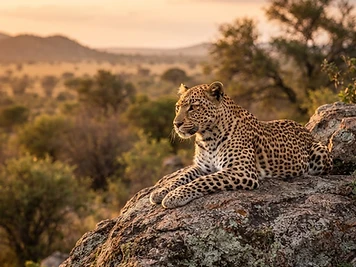
Karongwe Private Game Reserve
A smaller private Big Five reserve near Hoedspruit, popular for first-time and family safaris.
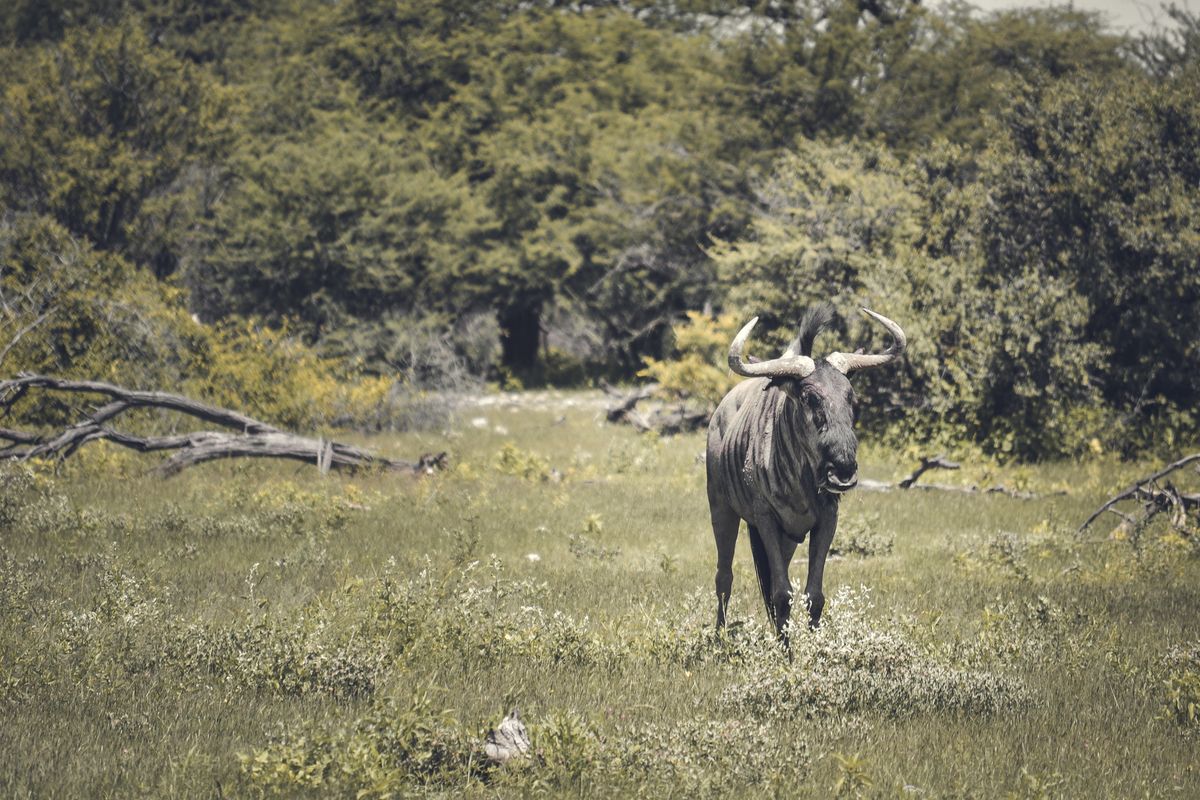
Klaserie Game Reserve
One of the largest private reserves in Greater Kruger — quieter than Sabi Sand, unfenced, strong Big Five.

Modjadji Cycad Reserve
The sacred cycad forest of the Lobedu rain-queen — some of the largest and oldest cycads in the world.

Nylsvley Nature Reserve
A seasonal floodplain that becomes one of South Africa's great bird spectacles when the water arrives — up to 100,000 birds.

Welgevonden Game Reserve
A malaria-free Big Five reserve in the Waterberg — 360km2 of bushveld, two-and-a-half hours from Johannesburg.