
Modjadji Cycad Reserve
The sacred cycad forest of the Lobedu rain-queen — some of the largest and oldest cycads in the world.
Trip Role
Ideal stay
Best for
Our take
The sacred cycad forest of the Lobedu rain-queen — a unique 2-hour walk among 12-metre cycads, for botany and culture travellers.
The sacred cycad forest of the Lobedu rain-queen — a unique 2-hour walk among 12-metre cycads, for botany and culture travellers.
- Trip Role
- Worth a Detour
- Ideal Stay
- 2 hours
- Best For
- Botany travellers, cultural travellers, slow explorers.
- Skip If
- Travellers wanting big game.
- Go If
- You want the one Limpopo stop that combines botany, culture, and a unique landscape.
- Worth Extra Drive
- 45 min
Why it's worth your time
A forest reserve above Tzaneen protecting one of the world's largest and oldest concentrations of the Modjadji cycad (Encephalartos transvenosus) — a species that grows to 12 metres and can live centuries, and is the sacred plant of the Lobedu people and their rain-queen. The reserve is the genuine long-tail Limpopo stop: a 2-hour walk among the cycads with a guide, a sense of the rain-queen tradition, and a landscape unlike anything else in the country. Pair with Tzaneen and the Magoebaskloof drive.
What we love
The 12-metre cycads; the rain-queen tradition; the sense of a sacred, protected forest.
What to know
Take a guide from the reserve gate — the walks are signed but the cultural context needs a local. The rain-queen's royal kraal is nearby but visit-by-arrangement only.
The full guide
What it is like
Modjadji Cycad Reserve feels nothing like the typical lowveld safari experience. The air here is thin and cool compared to the sweltering plains below. You are standing on a steep hillside above Tzaneen where the silence is heavy and distinct. The landscape is dominated by the Encephalartos transvenosus, a species of cycad that reaches twelve metres in height. These plants look prehistoric, standing like sentinels across the slopes. The light filters through their stiff fronds in sharp, geometric patterns that feel entirely alien to a traditional bushveld landscape.
The first hour involves walking along paths that snake through this concentrated forest. You do not hear the sound of engines or the bustle of a typical reserve gate. Instead, the environment feels guarded and static. It is a place of profound botanical density rather than broad, sweeping vistas. The ground is often damp, and the vegetation is thick enough to obscure the horizon. Where neighboring reserves focus on the thrill of the chase, this place demands a slower, more deliberate pace. It is a dense, leafy refuge that feels far removed from the dust of larger game parks.
Wildlife, realistically
Do not come to Modjadji looking for a checklist of the big five. This is not a game reserve in the conventional sense of roaming predators or massive herds. The wildlife here is subtle, consisting largely of the birds and insects that inhabit a high-altitude forest biome. You might see smaller mammals, but they are incidental to the experience. The primary attraction is strictly botanical, which creates a specific kind of sighting culture. If you are expecting a leopard or an elephant, you are in the wrong place entirely.
Because the reserve is small and focused on the protection of the cycads, the wildlife sightings are limited to what you can spot while walking. You might encounter various reptiles or raptors, but they are not the point. The difficulty here lies in shifting your focus away from megafauna to the slow, steady growth of the plants themselves. Everything moves at a geological tempo. If you want the thrill of a tracking session, this will disappoint you. If you are interested in the resilience of ancient flora, it is a rewarding environment.
How a visit works
A visit to Modjadji is best described as a detour rather than a destination. You should allocate roughly two hours for the walk through the forest. It is a place to stretch your legs and absorb the cultural context after a long drive through the Magoebaskloof area. You can drive to the reserve easily, but the experience truly begins when you meet a guide at the gate. Walking the trails alone is possible, but you will miss the significance of the cycads and the history of the Lobedu people without a local voice to explain the connection to the rain queen.
Logic dictates that you treat this as a morning or afternoon stop. You do not need to stay for four days, as the core experience is contained within a short loop. Most travellers find that one visit is sufficient. The day is shaped by how much you value history over activity. If you rush through the gate and ignore the commentary, the value evaporates. The logistics are straightforward enough that you can easily combine this with a stay in Tzaneen or further travels toward the northern Kruger gate.
When to go
The seasonality of Modjadji is tied to the mist and the heat of the Limpopo interior. The summer months bring a lush, green aesthetic to the forest but also high humidity and the risk of frequent afternoon thunderstorms. These storms can make the hiking trails slick and difficult to navigate. If you prefer clear skies and manageable temperatures, the cooler months between May and August are superior. During this time, the visibility is sharp and the walking is far more comfortable, though the landscape looks less vibrant.
Crowds are rarely an issue here regardless of the season. You will not be fighting for space on the trails, and the cost of entry remains consistent throughout the year. Fire is always a concern in the dry season, so keep an eye on local conditions if you are visiting in late winter. If you are chasing a specific botanical display or fruit cycle, consult with the reserve management, but for the general visitor, the trade-off is simply between the intensity of the heat and the ease of the hike.
Who it suits, who it does not
This reserve rewards the traveller who appreciates botany and slow, meditative exploration. If you are interested in the intersection of indigenous tradition and natural history, you will find the Lobedu rain queen narrative compelling. It suits the person who is already touring the Magoebaskloof and wants a cultural anchor to their trip. It is a quiet, contemplative space that rewards those who have the patience to listen to a guide recount centuries of local heritage.
It will frustrate the traveller who needs constant stimulation or the high-octane excitement of big game viewing. If you measure the success of a trip by the number of predator sightings you can brag about, you will find this place boring. It is too small and too quiet for the safari enthusiast who needs a high-end lodge experience. If you are strictly looking for that classic savanna safari, skip this and head directly to a private reserve in the greater Kruger area. Modjadji is a specific, niche interest that occupies a small space in the landscape.
More private reserve in Limpopo
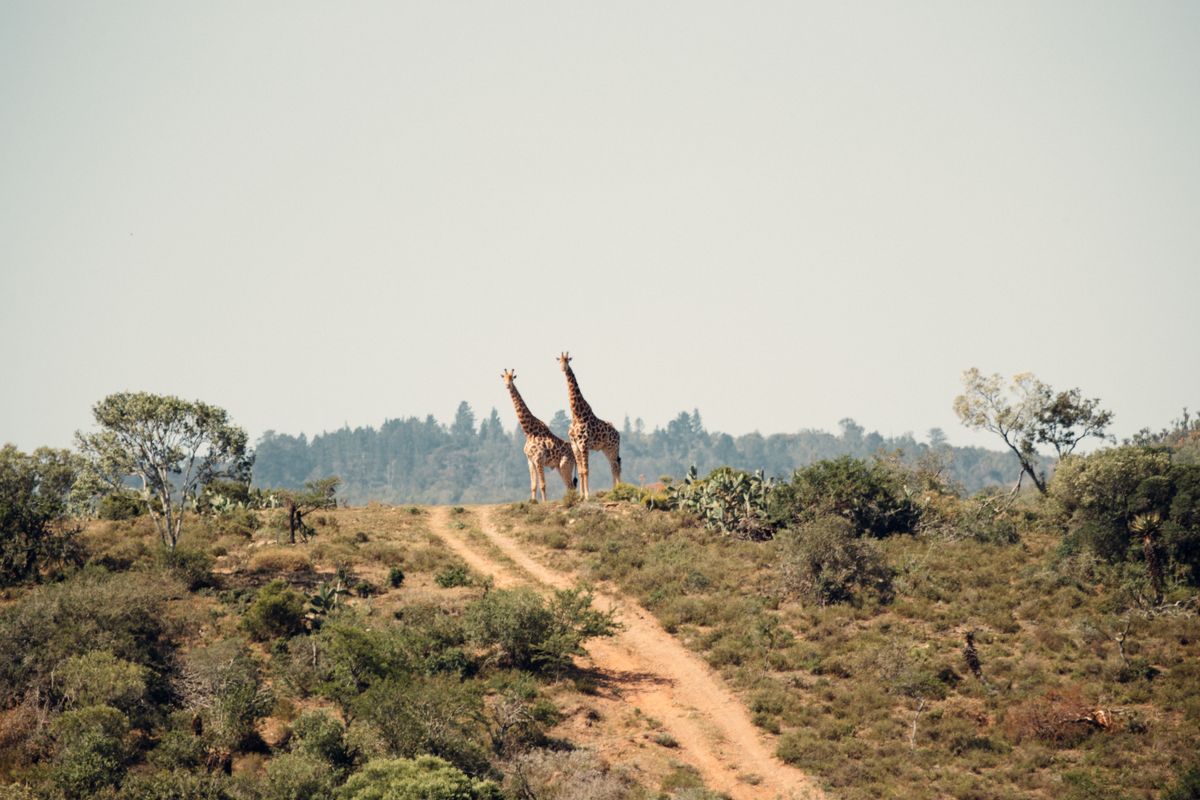
Balule Nature Reserve
Greater Kruger reserve offering more affordable private safaris — unfenced, Big Five, river frontage.

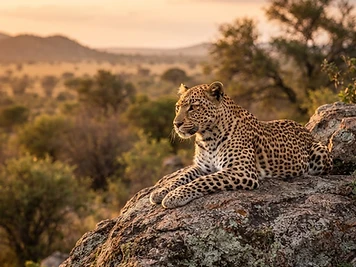
Karongwe Private Game Reserve
A smaller private Big Five reserve near Hoedspruit, popular for first-time and family safaris.
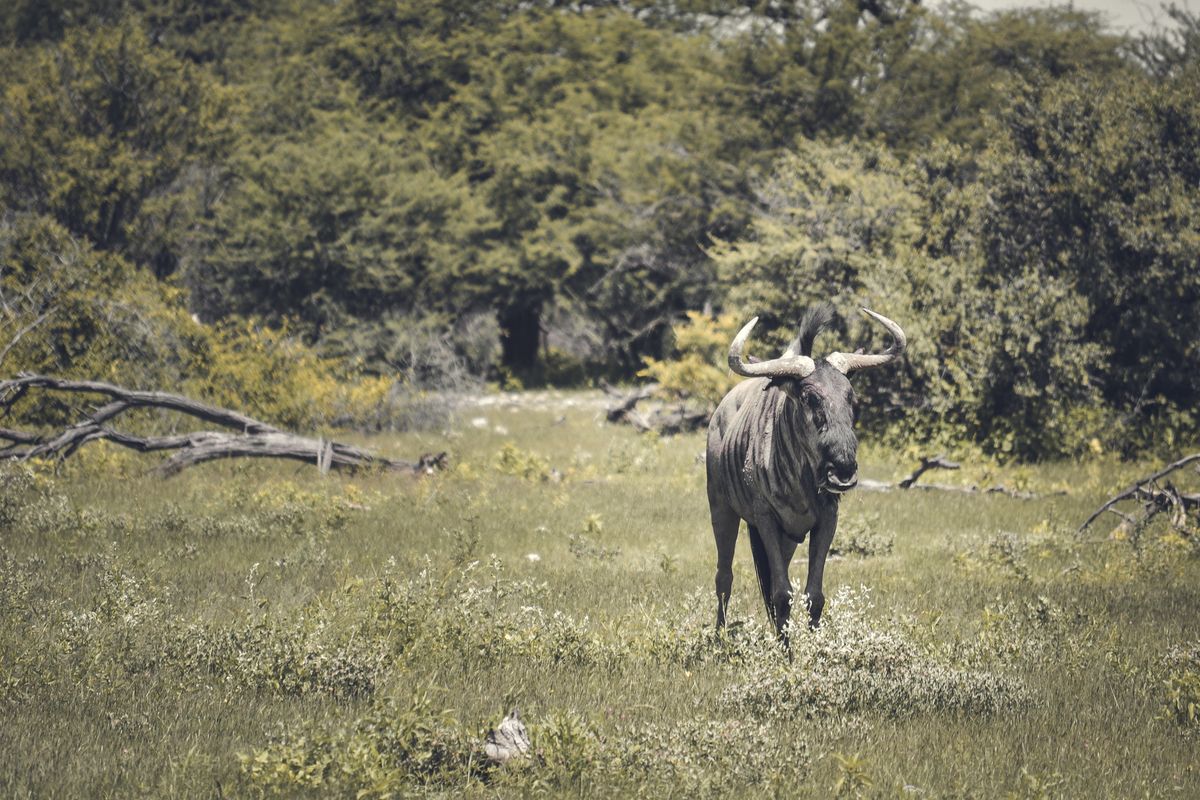
Klaserie Game Reserve
One of the largest private reserves in Greater Kruger — quieter than Sabi Sand, unfenced, strong Big Five.

Nylsvley Nature Reserve
A seasonal floodplain that becomes one of South Africa's great bird spectacles when the water arrives — up to 100,000 birds.
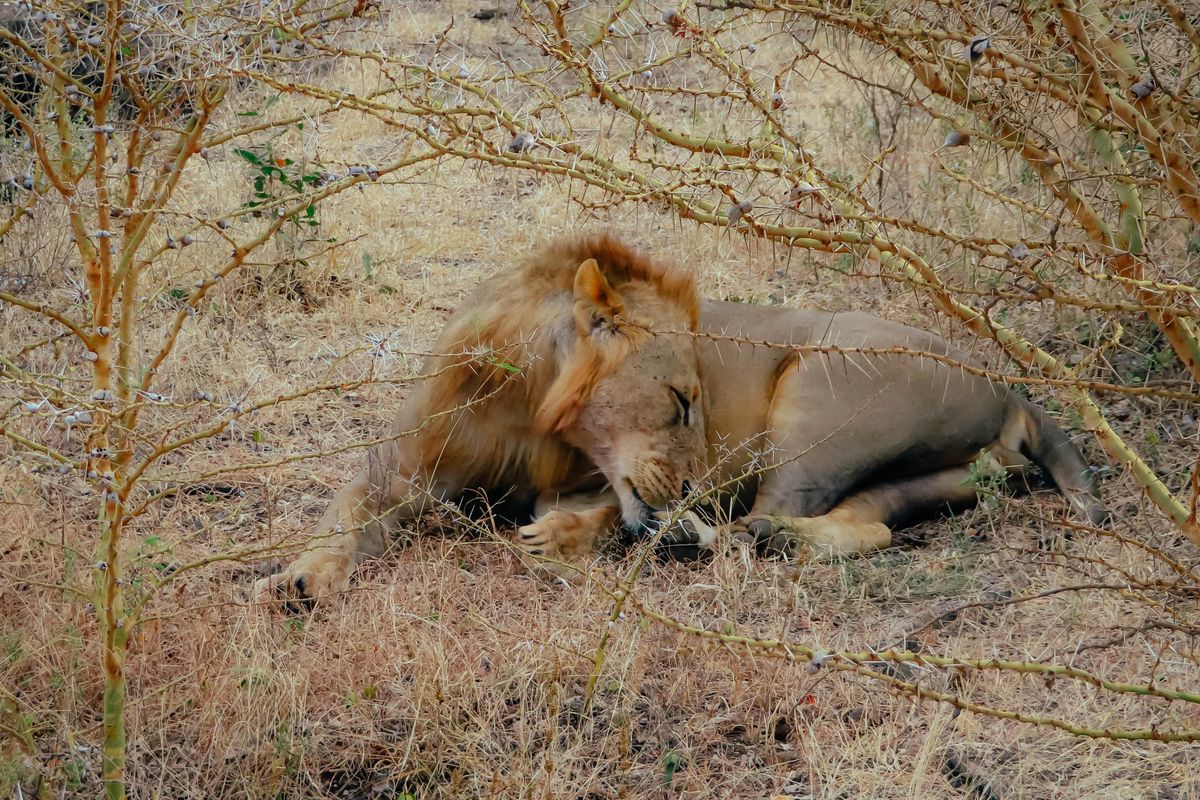
Timbavati Game Reserve
Greater Kruger private reserve famed for its white lions — unfenced to Kruger with classic lowveld game viewing.

Welgevonden Game Reserve
A malaria-free Big Five reserve in the Waterberg — 360km2 of bushveld, two-and-a-half hours from Johannesburg.