Klaserie Game Reserve
One of the largest private reserves in Greater Kruger — quieter than Sabi Sand, unfenced, strong Big Five.
Trip Role
Ideal stay
Best for
Our take
A raw, honest slice of the Greater Kruger.
A raw, honest slice of the Greater Kruger.
- Trip Role
- Base
- Ideal Stay
- 3-4 days
- Time Needed
- 3 days
- Best For
- Authentic, wild bushveld encounters.
- Go If
- You want a genuine, unfenced Big Five experience at a more accessible price point than the Sabi Sand.
Why it's worth your time
Sharing an unfenced border with Kruger, the Klaserie offers a wild, authentic safari experience without the commercial density of neighboring reserves. It is known for its rugged terrain and excellent predator sightings.
What we love
The lack of fences between the reserve and Kruger National Park.
What to know
It is a malaria-risk area; consult your doctor regarding prophylaxis.
The full guide
What it is like
The Klaserie feels vast and unkempt. The terrain consists of rolling mopane woodland and scattered acacia thickets that hide as much as they reveal. The silence here is heavy, interrupted only by the sudden snap of branches or the distant, rhythmic grinding of cicadas in the heat. It lacks the manicured, manicured edges of more commercial estates, opting instead for a raw, dusty aesthetic that prioritizes the bush over the amenities. The light hits the dry riverbeds with a harsh, unfiltered intensity that makes every silhouette of a tree appear charcoal black against the pale sky. When you first arrive, the scale hits you through the complete absence of human infrastructure. You are effectively driving into a segment of the Greater Kruger without the bureaucratic wall of a national park gate. There is no paved road to smooth the ride, and no grand reception centre to orient you. The reserve communicates through the smell of dry earth and the constant potential of something moving in the long grass. It feels older and more indifferent than the neighbouring Timbavati, lacking the polished, high-density infrastructure that defines the region’s more expensive parcels.
Wildlife, realistically
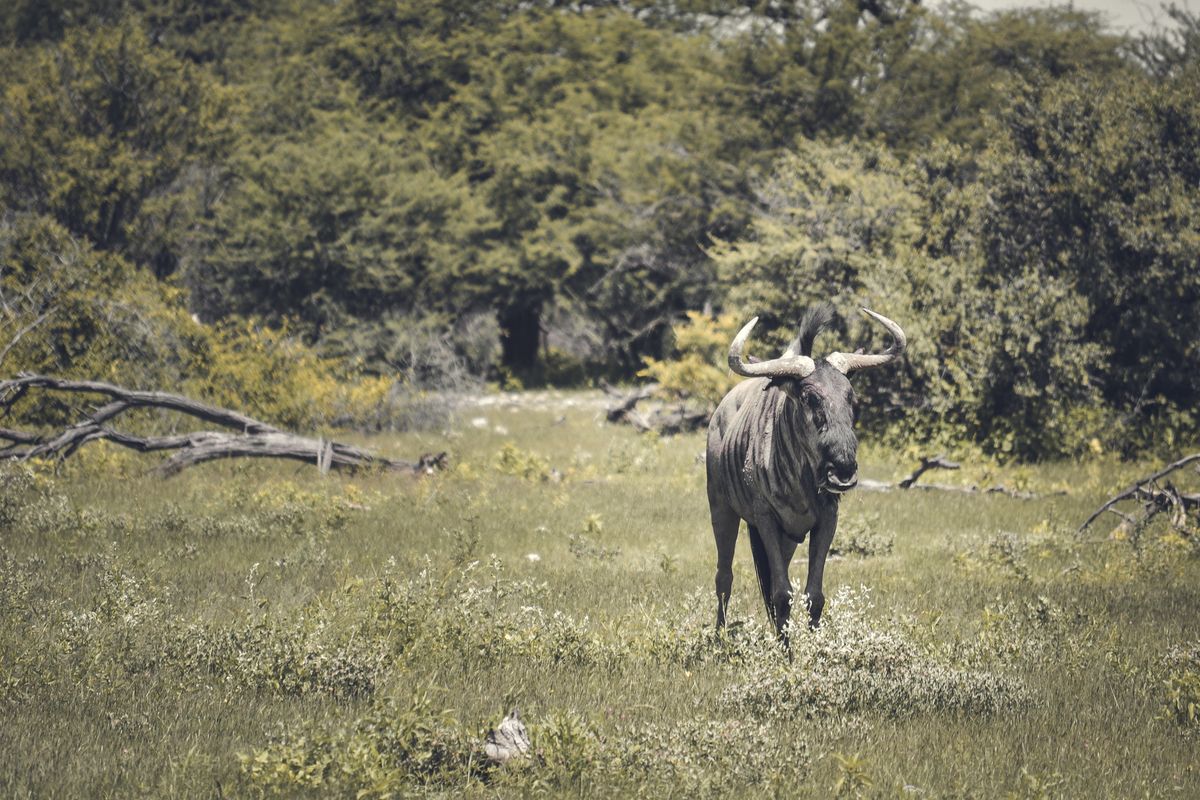
You come here for the Big Five, and you will likely see them if you spend enough time on the move. The absence of fences means wildlife flows naturally between this reserve and the Kruger National Park, which keeps the populations high and the genetics diverse. Sightings concentrate around the remaining water sources during the dry months, as animals congregate out of necessity. It is not uncommon to have a leopard sighting entirely to yourself, a rare luxury in other parts of the Greater Kruger. The bush is thick, however, and you must work for your sightings. It is not a zoo, and there are days when the landscape feels empty. Finding certain species requires patience and an experienced tracker. While elephant and buffalo are practically guaranteed, rhino sightings have become significantly more difficult and guarded due to poaching pressures. Predators are active, but they do not always perform for the vehicle. If you expect a circus of animals circling your lodge, you will be disappointed. You must accept that the thrill of this place lies in the genuine pursuit of wild animals that are not conditioned to the presence of people, which makes every encounter feel earned rather than staged.
How a visit works
The Klaserie operates almost exclusively through private lodges. There is no self-drive culture here comparable to the national parks, as the road networks are designed for guided access. You are expected to stay in a lodge where the daily rhythm is dictated by the sun. Mornings begin before dawn with tea and a quick departure. The day is split into two primary drives, with a long, sweltering mid-day period dedicated to rest and heat avoidance. The lodge staff dictates the movement, and your ability to explore is tied to the knowledge and constraints of your allocated guide. You need at least three or four days to properly acclimatise to the pace. A single night is a wasted effort, as you spend the first few hours just shaking off the fatigue of travel and adjusting to the sensory load of the bush. The logic is simple: you wake, you track, you retreat, you repeat. Those who try to cram the experience into forty-eight hours leave frustrated, never having truly settled into the quiet observation that makes the reserve worthwhile. It is a slow, methodical process.
When to go
Choosing a time to visit is a trade-off between visibility and comfort. The winter months from June to August are the standard for game viewing. The vegetation thins out, and the animals are forced to frequent the waterholes, making them significantly easier to spot. The trade-off is the morning cold, which can be brutal in an open vehicle, and the fact that everyone else wants to be there too. The dry heat has not yet settled in, making the walking excursions far more bearable, though the landscape itself takes on a monotone, brownish hue. Summer brings the rains, turning the bush into a dense, green wall. Wildlife scatters into the interior, and the tall grass makes spotting smaller predators a task of extreme luck. It is hot, humid, and frequently uncomfortable, but the reserve is quiet and the light after a thunderstorm is spectacular. Prices drop to reflect the lack of demand, making it the right time for those who care less about ticking off a checklist of species and more about the solitude of the wilderness. Expect insects, expect mud, and accept that the bush has claimed the roads for the season.
Who it suits, who it does not
The Klaserie suits the traveller who wants the wildness of the Kruger without the feeling of being in a tourist queue. It rewards those who value authenticity over air conditioning and who prefer a quiet gin and tonic in a remote clearing to a social hour at a resort bar. If you appreciate a place that prioritises land conservation over modern convenience, this reserve will satisfy you. It is honest, and it does not try to hide the grit of the bush behind a veneer of luxury. Conversely, this is not the place for anyone who requires constant connectivity, paved roads, or resort-style amenities. If you need a swimming pool for your children every afternoon or a menu with twenty choices, you will find the facilities lacking and the environment unforgiving. Those looking for a pampered, high-gloss safari experience should look toward the Sabi Sand. If you want a place that feels wilder and more accessible, stick with the Klaserie, but leave your suburban expectations behind before you cross the boundary.
More private reserve in Limpopo
Balule Nature Reserve
Greater Kruger reserve offering more affordable private safaris — unfenced, Big Five, river frontage.

Karongwe Private Game Reserve
A smaller private Big Five reserve near Hoedspruit, popular for first-time and family safaris.

Modjadji Cycad Reserve
The sacred cycad forest of the Lobedu rain-queen — some of the largest and oldest cycads in the world.

Nylsvley Nature Reserve
A seasonal floodplain that becomes one of South Africa's great bird spectacles when the water arrives — up to 100,000 birds.
Timbavati Game Reserve
Greater Kruger private reserve famed for its white lions — unfenced to Kruger with classic lowveld game viewing.

Welgevonden Game Reserve
A malaria-free Big Five reserve in the Waterberg — 360km2 of bushveld, two-and-a-half hours from Johannesburg.