
Nylsvley Nature Reserve
A seasonal floodplain that becomes one of South Africa's great bird spectacles when the water arrives — up to 100,000 birds.
Trip Role
Ideal stay
Best for
Our take
A seasonal floodplain that becomes one of the great bird spectacles on earth — go in a wet year, skip it dry.
A seasonal floodplain that becomes one of the great bird spectacles on earth — go in a wet year, skip it dry.
- Trip Role
- Worth a Detour
- Ideal Stay
- A day in flood season
- Best For
- Serious birders, especially in wet years.
- Skip If
- Non-birders, and anyone in the dry season.
- Go If
- You're a birder and the floodplain is in flood (typically Dec–Mar in a good rain year).
- Worth Extra Drive
- 30 min
Why it's worth your time
A 4,000-hectare floodplain nature reserve in the N1 bushveld, internationally protected under the Ramsar convention. Nylsvley is dry grassland most of the year — and, when the summer rains flood it, one of the great inland bird spectacles on earth, with up to 100,000 waterbirds and rarities seen almost nowhere else in South Africa. For birders in a good water year it is a genuine destination; for everyone else it is a quiet grassland walk, and the honest frame is to go only when the water is there.
What we love
The 100,000-bird spectacle in flood; the rarity list; the complete quiet of the floodplain.
What to know
Check water levels before going — the birds only arrive with the flood. Basic facilities; bring everything. The flood is seasonal and varies year to year.
The full guide
What it is like
Nylsvley is a flat expanse of floodplain set against the backdrop of the Limpopo bushveld. It does not feel like a typical safari destination because it lacks the drama of mountainous terrain or thick scrub. The light is often harsh during the day, bleaching the dry grasses when the water recedes. The reserve is dominated by a sense of vast openness that can feel monotonous to those who are not looking for specific details in the landscape.
In the first hour, you will likely notice the silence. Unlike the private reserves in the Lowveld that buzz with the mechanical noise of game viewing vehicles and the constant presence of large mammals, Nylsvley is quiet. The scale is manageable at four thousand hectares, which makes it feel intimate rather than grand. When the water arrives, the environment shifts from a dusty, nondescript grassland to a chaotic, noisy wetland that stretches as far as the eye can see. The experience changes entirely based on the rainfall.
Wildlife, realistically
Expectations must be managed regarding the wildlife. This is not a place for the Big Five. If you arrive hoping to spot lions or elephants, you will be disappointed. The wildlife here revolves almost exclusively around the birdlife that the floodplain supports. When the rains are sufficient, the avian density is staggering. You might see up to one hundred thousand waterbirds congregating in the shallow pools. It is an honest spectacle for those who know how to identify the rare species that stop here during their migrations.
Outside of the birding season, or during years of drought, the reserve is remarkably empty of life. You will see some common antelope grazing on the periphery, but the mammals are secondary and often skittish. Certain rarities are almost impossible to locate unless you have deep knowledge of the habitat and a significant amount of patience. Sightings concentrate around the water channels and the hide structures. If you are not here for the birds, you are essentially looking at grass.
How a visit works
A visit to Nylsvley is straightforward and self-directed. There are no luxury lodges or high-end game drives offered by the reserve, so you are left to your own devices. You should come prepared with your own water, food, and high-quality binoculars. The gate logic is simple, but it is wise to verify the state of the roads after heavy rain, as they can become difficult to navigate. Most visitors spend a few hours driving the tracks and sitting in the hides to watch the activity.
Whether you need one night or four is determined by your level of interest in ornithology. A casual visitor will likely find everything they need to see within a single afternoon. A serious birder might want to stay longer to catch the shifts in light and species movement across several days. There is no benefit to staying an entire week unless you are conducting a long-term survey. Keep your plans flexible based on the actual water levels at the time of your trip.
When to go
The timing of your visit is the most important factor in the success of the trip. If the floodplain is dry, there is no reason to go. The summer months from December to March are the peak, but only if the rainfall has been significant. You are gambling on the weather patterns of the Limpopo region. When the rain arrives, the park comes to life, but you must be prepared for extreme heat and the humidity that accompanies the wet season.
Outside of these specific months, the environment is arid and dusty. There are no crowds here, so you never have to worry about fighting for space at a sighting. However, the lack of people is a direct result of the lack of activity. The cost is low because the infrastructure is basic, which reflects the reality of what the reserve offers. Go when the water is high or skip the detour entirely.
Who it suits, who it does not
Nylsvley rewards the dedicated birder who understands the value of a wetland ecosystem. If you are the type of traveller who finds joy in the subtle markings of a rare migratory bird or the collective movement of a massive colony of waterbirds, this place will be rewarding. It suits the patient observer who does not require the adrenaline of a predator sighting to feel satisfied. It is a place for solitude and quiet observation rather than thrill-seeking.
It frustrates the traveller who expects a standard safari experience involving predators and large charismatic megafauna. If you equate a nature reserve with luxury accommodation and a tick-box approach to seeing the Big Five, this will be an irritating detour. For those who find the floodplain lacking, the surrounding areas of the Waterberg offer more traditional bushveld experiences with a wider variety of activities and better infrastructure. Do not try to force this reserve to be something it is not.
More private reserve in Limpopo
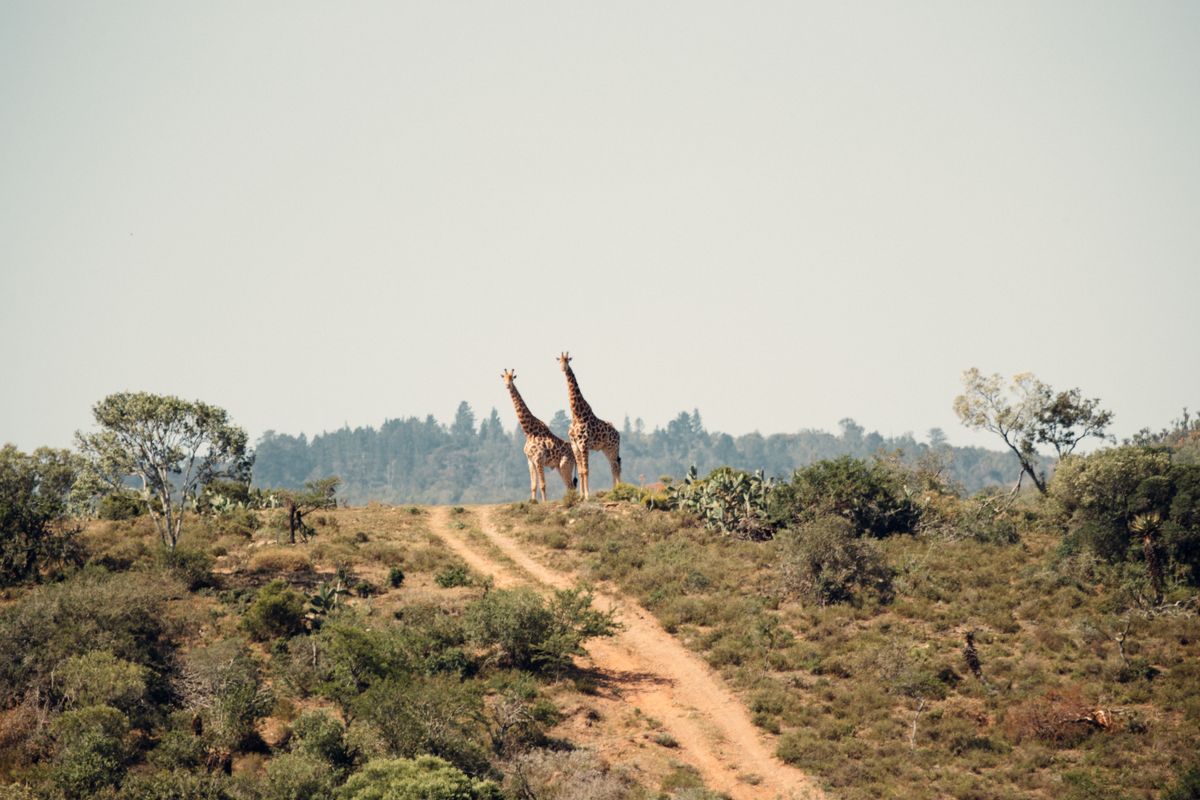
Balule Nature Reserve
Greater Kruger reserve offering more affordable private safaris — unfenced, Big Five, river frontage.

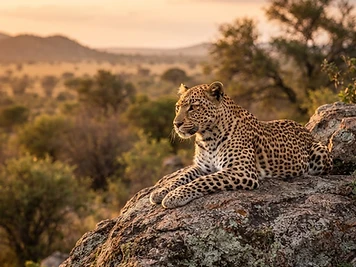
Karongwe Private Game Reserve
A smaller private Big Five reserve near Hoedspruit, popular for first-time and family safaris.
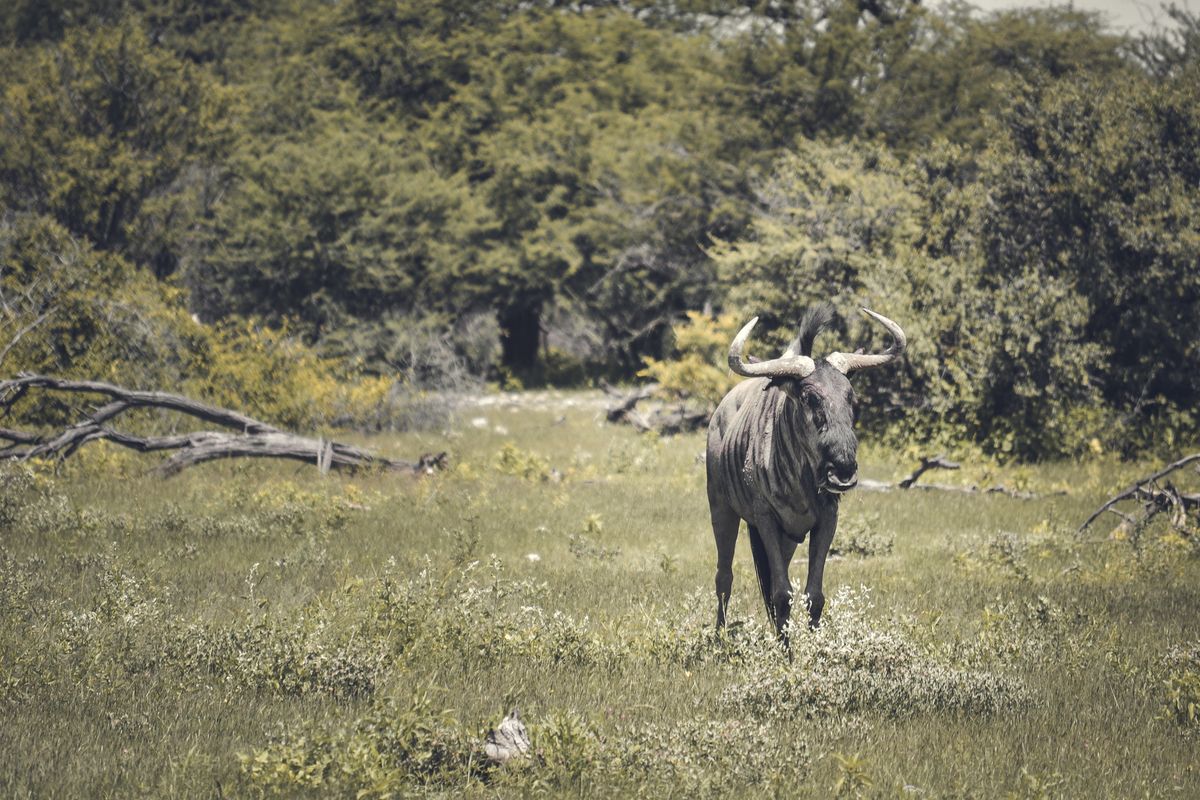
Klaserie Game Reserve
One of the largest private reserves in Greater Kruger — quieter than Sabi Sand, unfenced, strong Big Five.

Modjadji Cycad Reserve
The sacred cycad forest of the Lobedu rain-queen — some of the largest and oldest cycads in the world.
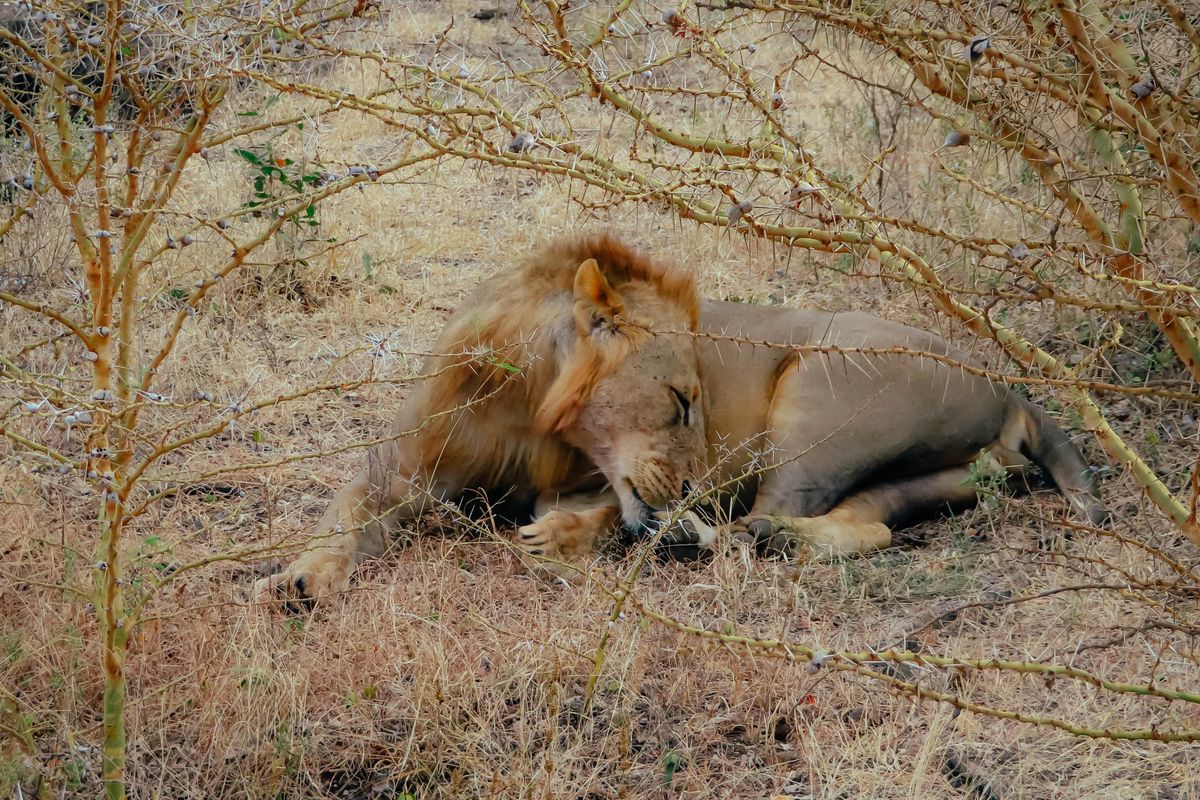
Timbavati Game Reserve
Greater Kruger private reserve famed for its white lions — unfenced to Kruger with classic lowveld game viewing.

Welgevonden Game Reserve
A malaria-free Big Five reserve in the Waterberg — 360km2 of bushveld, two-and-a-half hours from Johannesburg.