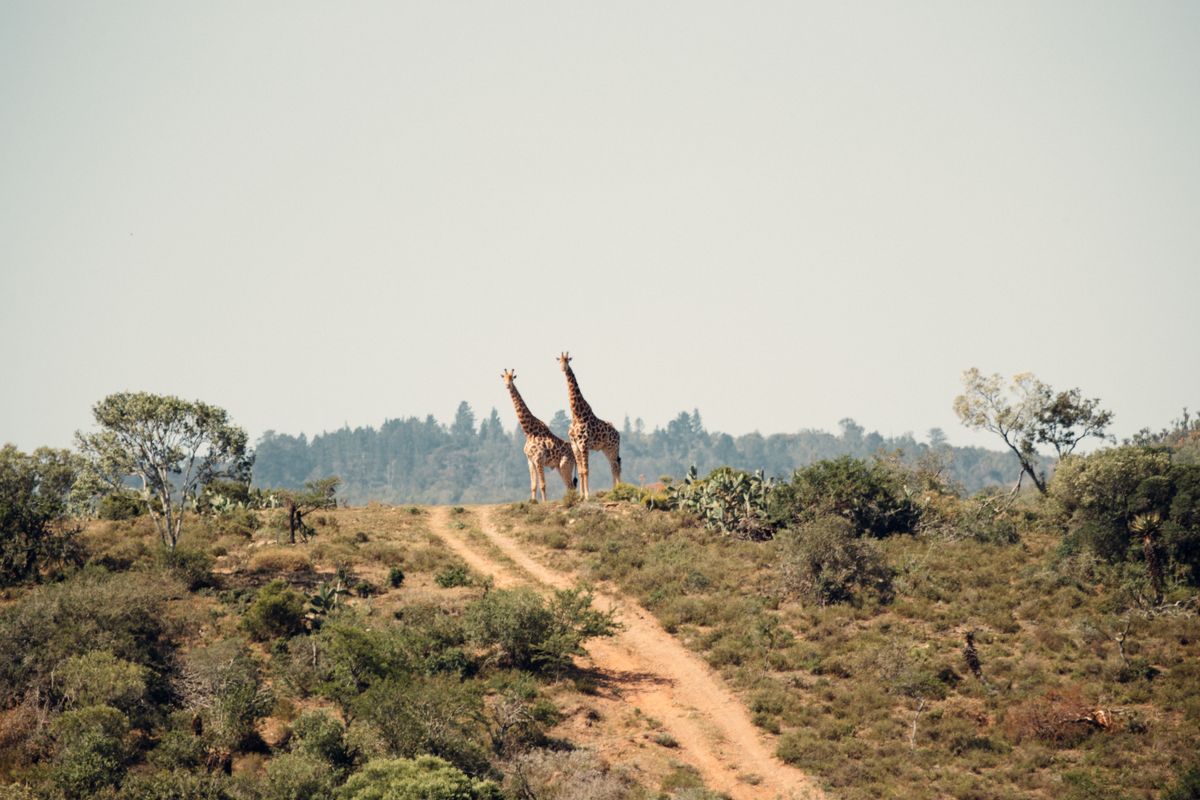
Balule Nature Reserve
Greater Kruger reserve offering more affordable private safaris — unfenced, Big Five, river frontage.
Trip Role
Ideal stay
Best for
Our take
A pragmatic choice for those who want the Greater Kruger experience without the inflated costs.
A pragmatic choice for those who want the Greater Kruger experience without the inflated costs.
- Trip Role
- Base
- Ideal Stay
- 3 days
- Time Needed
- 3 days
- Best For
- Value-focused private safaris
- Go If
- You want a private reserve experience without the premium price tag of the Sabi Sand.
Why it's worth your time
Part of the Greater Kruger ecosystem, Balule offers a more accessible and often more affordable private safari experience than its neighbors. It features river frontage and unfenced access to the main park.
What we love
The Olifants River frontage, which attracts massive herds of elephant and buffalo.
What to know
The reserve is large and varied; check the specific location of your lodge to ensure it is in a prime game-viewing area.
The full guide
What it is like
Balule occupies a vast stretch of land on the western boundary of the Kruger National Park. The landscape consists largely of mopane scrub and dense thickets that transition into the riverine forests lining the Olifants River. The light here feels harsh during the midday hours, reflecting off the pale, sandy soil that dominates the mopane veld. The soundscape is defined by the proximity of the river, where the call of fish eagles and the low rumble of elephant herds provide a constant background to the dry wind moving through the canopy.
Driving through the main gates, the experience is less manicured than the ultra-exclusive private reserves to the south. The bush feels raw and unscripted. Because the internal fences between Balule and the national park were removed years ago, the scale of the ecosystem feels immense. You do not see manicured lawns or overly groomed access tracks here. The terrain is varied, shifting quickly from rocky outcrops to deep river gullies. It rewards those who look past the scrub, as the lack of boundary fences makes this a genuine conduit for large game moving between the park and the private concessions.
Wildlife, realistically
The presence of the Olifants River is the primary driver of wildlife activity in Balule. During the dry months, large herds of buffalo and elephant congregate along the banks to drink. You can expect to see significant numbers of general game, including impala, waterbuck, and kudu, with little effort. Lions are frequently tracked through the network of tracks, and sightings are relatively consistent for those with experienced guides who know how to navigate the denser mopane stands.
Leopards exist throughout the reserve, though they are notoriously elusive compared to the pampered cats in the Sabi Sand. Do not expect the same frequency of relaxed sightings where vehicles sit with a single leopard for an hour. Tracking requires genuine effort and patience. Rhinos are present but remain sensitive to habitat changes and poaching pressures. You will likely see diverse birdlife and smaller carnivores like jackals or hyenas, but you should temper your expectations regarding seeing the entire Big Five in a single morning drive. The sightings are authentic and earned rather than guaranteed by high-density baiting or artificial habituation.
How a visit works
The logistics of a stay in Balule depend entirely on whether you have booked into a private lodge or a camp with self-drive access. Private lodge stays follow the standard safari rhythm of early morning and late afternoon game drives. These vehicles often have the advantage of traversing wider areas of the reserve, sometimes crossing into neighbouring sections. The quality of your experience correlates directly with the competence of your tracker and the location of your lodge. If your accommodation sits deep in the mopane thickets away from the river, you will spend significantly more time searching for movement.
Three nights is the correct duration for a visit. A single night is barely enough to settle into the pace of the bush, while four nights can become repetitive if your lodge does not offer walking safaris or specialized bush activities. If you choose a self-drive trip, you remain subject to the gate logic of the specific section you are visiting. The roads are generally manageable, but they lack the heavy maintenance found in the main national park. You are expected to be self-sufficient and capable of managing your own fuel and supplies before entering the reserve gates.
When to go
The winter months from May to August are the most predictable time to visit. The vegetation thins out significantly, making visibility across the mopane plains much easier. The lack of surface water forces animals to remain near the Olifants River, concentrating your sightings in predictable zones. The trade-off is the colder temperatures at dawn and the potential for larger crowds as other travellers chase the same reliable water sources. Costs remain high during this peak season, and lodges fill up months in advance.
Summer brings a dramatic transformation. The rains turn the landscape into a deep green, but visibility drops to almost zero in the dense thickets. Animals disperse widely as water becomes abundant in seasonal pans, making them harder to track. You will encounter heat, humidity, and the annoyance of insects, but the park is quiet and room rates drop. The risk of fire is high in the late dry season when the grass is parched, sometimes causing temporary closures or restricted access to certain routes. Choose your season based on whether you prioritise the ease of spotting game or the quiet of the low season.
Who it suits, who it does not
Balule is a pragmatic choice for the traveller who values the Greater Kruger ecosystem but refuses to pay the exorbitant premiums demanded by more famous neighbouring reserves. It rewards the patient visitor who appreciates the mechanics of a real safari—where wildlife is tracked through genuine woodcraft rather than radioed-in alerts from neighbouring trucks. If you want a functional, honest, and productive safari without the pretension of white-glove service, this is a destination that delivers.
It frustrates the traveller who expects a parade of wildlife at the lodge doorstep or those who demand five-star luxury and marble bathrooms. If your priority is the highest possible density of leopard sightings or the comfort of an ultra-modern spa facility, Balule will feel like a compromise. In those instances, you are better off saving your money for the Sabi Sand, where the habitat and management practices are specifically engineered for high-intensity, up-close animal encounters. Balule is for those who prefer the rugged and unpolished side of the African bush over manufactured spectacle.
More private reserve in Limpopo

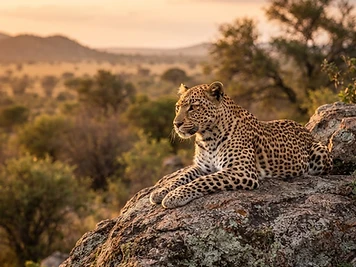
Karongwe Private Game Reserve
A smaller private Big Five reserve near Hoedspruit, popular for first-time and family safaris.
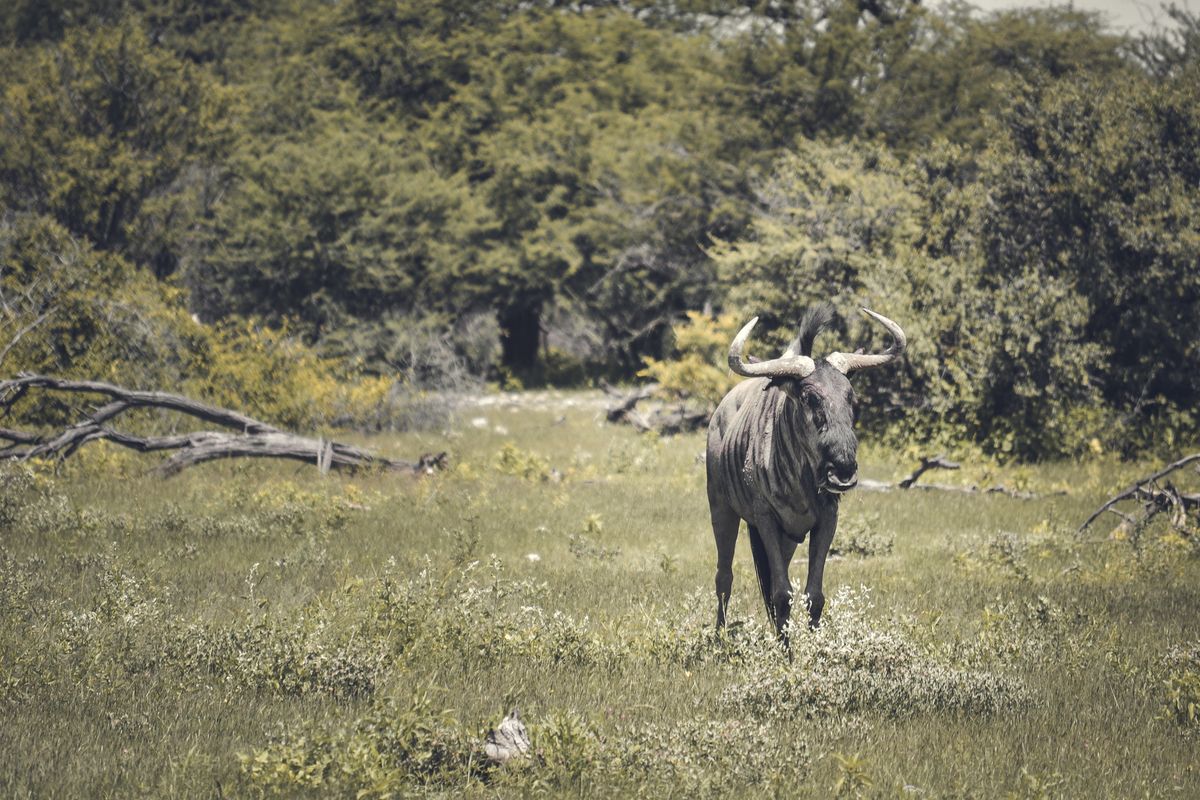
Klaserie Game Reserve
One of the largest private reserves in Greater Kruger — quieter than Sabi Sand, unfenced, strong Big Five.

Modjadji Cycad Reserve
The sacred cycad forest of the Lobedu rain-queen — some of the largest and oldest cycads in the world.

Nylsvley Nature Reserve
A seasonal floodplain that becomes one of South Africa's great bird spectacles when the water arrives — up to 100,000 birds.
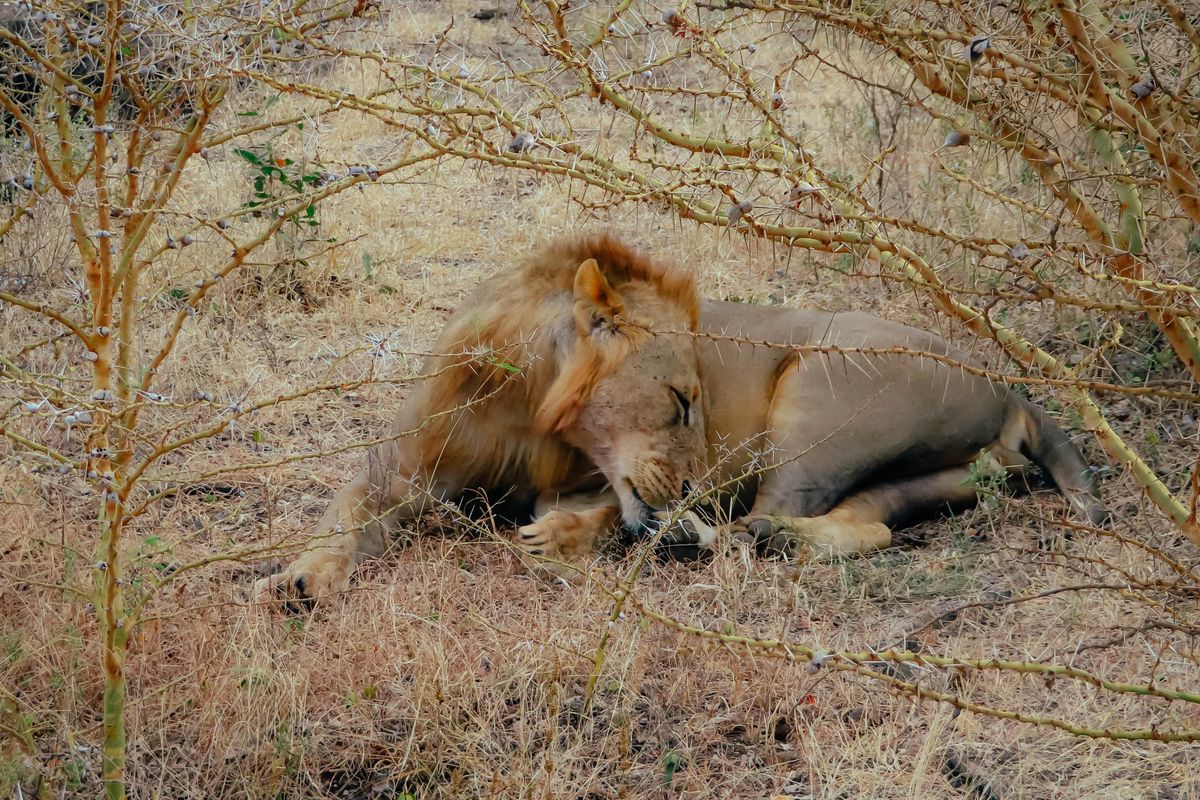
Timbavati Game Reserve
Greater Kruger private reserve famed for its white lions — unfenced to Kruger with classic lowveld game viewing.

Welgevonden Game Reserve
A malaria-free Big Five reserve in the Waterberg — 360km2 of bushveld, two-and-a-half hours from Johannesburg.