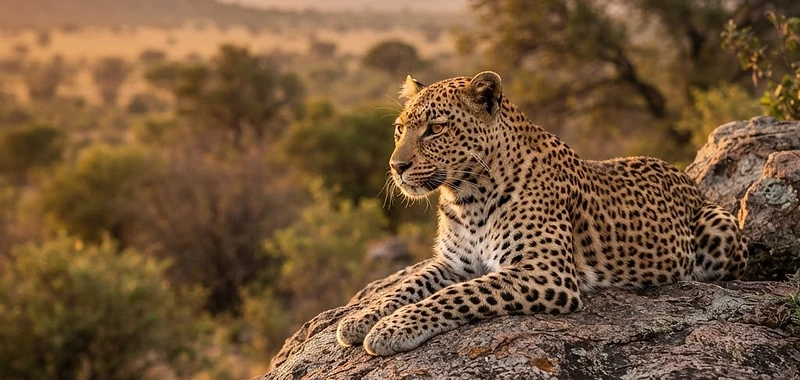
Karongwe Private Game Reserve
A smaller private Big Five reserve near Hoedspruit, popular for first-time and family safaris.
Trip Role
Ideal stay
Best for
Our take
An easy, accessible private Big Five for first-timers and families.
An easy, accessible private Big Five for first-timers and families.
- Trip Role
- Overnight
- Ideal Stay
- 2-3 days
- Best For
- First-timers and families
- Go If
- You want an easy private Big Five with family-friendly lodges.
Why it's worth your time
Karongwe is a smaller, accessible reserve — not the scale of Sabi Sand, but a well-run Big Five option convenient to Hoedspruit and good for families and first-timers.
What we love
The accessibility — close to Hoedspruit, easy logistics, good lodges.
What to know
A private reserve popular with families for its manageable size and reliable game; the Karongwe river draws animals year-round.
The full guide
What it is like
Karongwe feels contained and managed in a way that the massive unfenced reserves of the Lowveld do not. It is compact, covering roughly nine thousand hectares, which removes the sense of endless wilderness you might expect from a safari. The terrain is a mix of mixed bushveld and riverine forest, centred around the Karongwe and Makhutswi rivers. These water sources act as a magnet for game, ensuring activity is concentrated rather than spread across vast, empty distances. You will hear the frequent hum of vehicles and the distant murmur of other camps, a reminder that you are in a high-density, accessible corridor. The light here is sharp and unfiltered, catching the dust kicked up by rangers as they navigate established tracks. The first hour of your stay is marked by a sudden transition from the paved roads near Hoedspruit into a landscape that feels like a curated garden of African scrub. It lacks the raw, sprawling scale of the Sabi Sand or Timbavati, opting instead for a predictable, efficient experience that prioritises immediate sightings over the pursuit of true isolation. You see the fence lines and the proximity to the outside world more clearly here than in larger, more remote reserves.
Wildlife, realistically
The Big Five are here, and because the reserve is small and well-managed, you are almost guaranteed to see them over the course of a few days. The river systems act as the primary traffic arteries for leopards and lions, so you can expect frequent sightings of both. These predators have become accustomed to the presence of vehicles, meaning they rarely disappear when a car approaches. You will see elephants in large numbers, often congregating near the waterholes during the hotter hours of the day. Rhino are also present and visible, though their specific whereabouts are managed closely for security reasons. Because the area is smaller, the trackers have a distinct advantage in locating animals, which removes the typical frustration of long, empty hours behind the wheel. Expect to see plains game like impala, kudu, and zebra with tiresome regularity. If you are specifically looking for rare or elusive species, you will be disappointed, as this is a high-traffic environment designed for consistent, reliable wildlife encounters rather than the pursuit of rare, shy animals that demand total silence and vast territories.
How a visit works
Karongwe is strictly a guided experience. There is no provision for self-drive visitors, which preserves the orderliness of the game drives. You will be assigned a ranger and a tracker who control your access to the bush, and you will share vehicles with other guests from your lodge. The day follows the standard, rigid safari routine of pre-dawn wake-ups, long morning drives, a mid-day lull at camp, and an afternoon drive that spills into the night. It is a highly structured process designed to maximise the number of sightings while keeping groups together. Two or three days is the sweet spot for a visit; staying longer often leads to a sense of redundancy because you will have already exhausted the primary routes and seen the resident lion prides and elephant herds multiple times. The logistics are straightforward and easy to manage, with most lodges offering seamless transitions from nearby regional airports. You are a guest in a system that prides itself on efficiency, so do not expect the autonomy or the slow pace of a remote, private concession.
When to go
The choice of when to visit is a trade-off between the ease of spotting animals and your tolerance for the climate. During the dry winter months, the vegetation thins out significantly, making predators easier to spot as they move through the sparse scrub. The lack of surface water forces animals to the permanent rivers and man-made waterholes, concentrating them for easy viewing. However, this is also when the dust is most oppressive and the landscape turns a uniform, brittle brown. Spring and summer bring the rains and a surge of green growth that hides animals with frustrating efficiency. The heat in late summer becomes stifling, which makes sitting in an open vehicle for hours a test of endurance rather than a joy. You will deal with more insects and humidity during these warmer months, and the bush becomes dense enough to swallow a pride of lions whole. Cost follows a predictable curve, with winter attracting higher rates due to the prime visibility. If you prioritise comfort over the volume of sightings, shoulder seasons are the only sensible compromise.
Who it suits, who it does not
This reserve is designed for the first-time safari traveller or the family looking for a stress-free entry into the African bush. It caters to those who want the checklist of animals satisfied without the logistical headache or the sheer travel time associated with more remote, larger reserves. If you need a reliable, high-density environment where you can see a leopard in the morning and be back at a comfortable lodge by noon, Karongwe will satisfy you completely. It removes the guesswork and the risk of a quiet, empty drive. However, it will frustrate the traveller who seeks the silence of the wilderness or the feeling of being truly lost in the wild. If you have spent time in the Sabi Sand or the vast northern reaches of the Kruger, you will find Karongwe claustrophobic and overly managed. The fences and the density of lodges make it feel more like a suburban wildlife estate than a frontier experience. If you are a seasoned safari-goer, skip it entirely and seek out a larger, unfenced private concession where the landscape still dictates the rhythm of the day, rather than the lodge’s schedule.
More private reserve in Limpopo
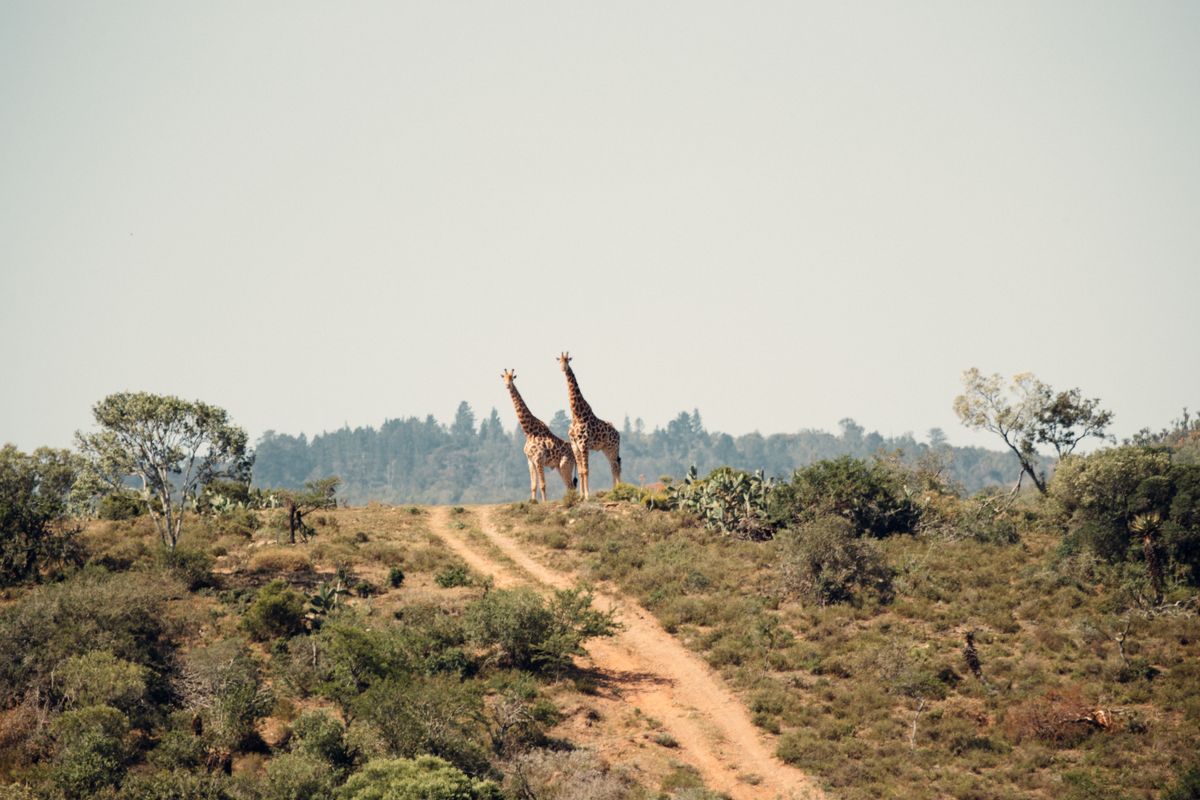
Balule Nature Reserve
Greater Kruger reserve offering more affordable private safaris — unfenced, Big Five, river frontage.
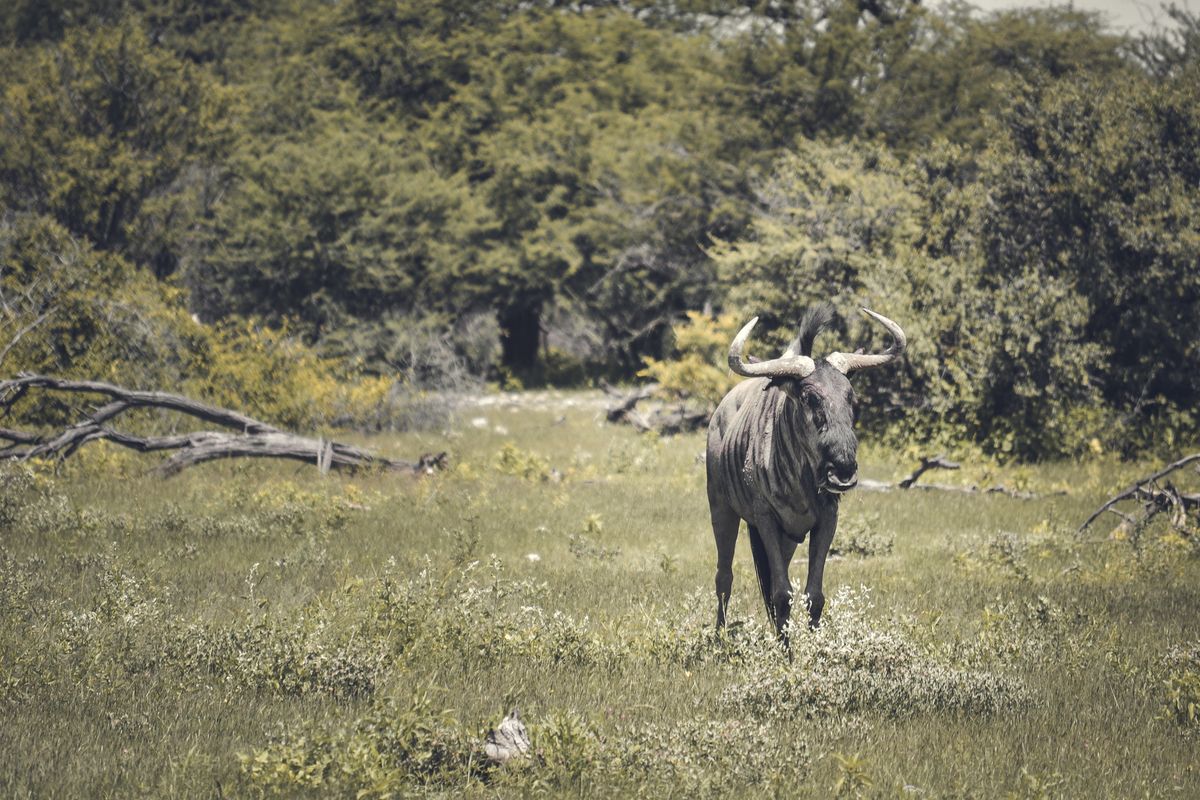
Klaserie Game Reserve
One of the largest private reserves in Greater Kruger — quieter than Sabi Sand, unfenced, strong Big Five.

Modjadji Cycad Reserve
The sacred cycad forest of the Lobedu rain-queen — some of the largest and oldest cycads in the world.

Nylsvley Nature Reserve
A seasonal floodplain that becomes one of South Africa's great bird spectacles when the water arrives — up to 100,000 birds.
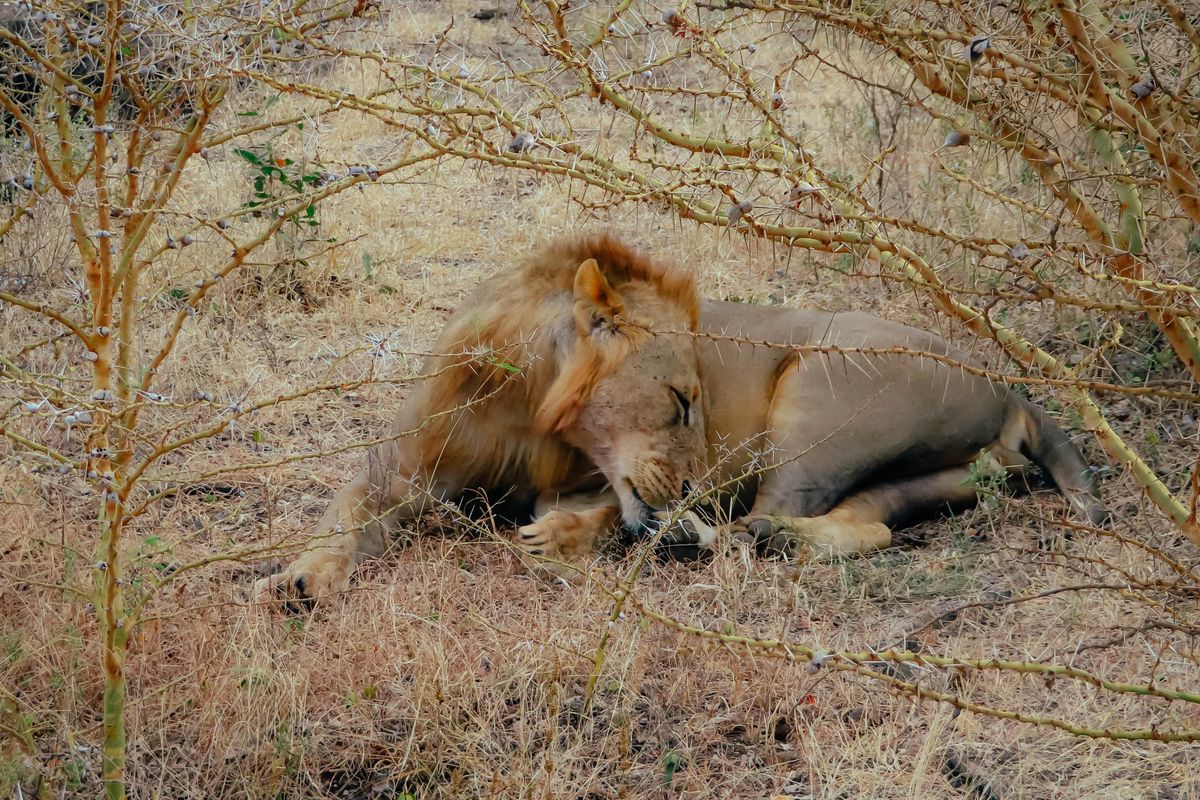
Timbavati Game Reserve
Greater Kruger private reserve famed for its white lions — unfenced to Kruger with classic lowveld game viewing.

Welgevonden Game Reserve
A malaria-free Big Five reserve in the Waterberg — 360km2 of bushveld, two-and-a-half hours from Johannesburg.