
Shamwari Game Reserve
Premier Eastern Cape malaria-free Big Five reserve — luxury lodges and a Born Free big cat sanctuary.
Trip Role
Ideal stay
Best for
Our take
The Eastern Cape's luxury malaria-free option, and a good substitute for Sabi Sand.
The Eastern Cape's luxury malaria-free option, and a good substitute for Sabi Sand.
- Trip Role
- Trip Anchor
- Ideal Stay
- 2-3 nights
- Best For
- Luxury travelers, families, anyone wanting malaria-free Big Five.
- Skip If
- Budget travelers and self-drive purists.
- Go If
- You want the private-reserve experience and can't or won't go to a malaria zone.
Why it's worth your time
Shamwari is the flagship of the Eastern Cape's malaria-free private reserves, a Big Five operation a short drive from Gqeberha that exists to give safari visitors the Sabi Sand experience without the flight to the lowveld or the malaria pills. The lodges are properly luxurious, the guiding is professional, and the reserve has been rehabilitated from farmland into genuine wilderness over decades. It pairs neatly with a Garden Route or Eastern Cape itinerary and is a common way to tag a safari onto a Cape Town-and-coast trip. The trade-off is price — it's a luxury product — and that, like most private reserves, you're seeing a managed, fenced wilderness rather than an open system. For a high-end malaria-free safari, it's the benchmark.
What we love
A true luxury safari without the malaria zone or the lowveld flight.
What to know
Malaria-free. All-inclusive lodge stays; book the lodge package. Pairs well with Addo.
The full guide
What it is like
Shamwari sits on a massive tract of former farmland that has been rehabilitated into a contained ecosystem. The terrain is a mix of rolling hills, thick scrub, and riverine thicket that feels distinct from the savanna landscapes of the north. The light here hits the Eastern Cape topography with a sharpness that defines the mid-day hours, while the evenings bring a quieter, cooler atmosphere than the lowveld. You do not feel the sense of infinite distance found in national parks because the perimeter fences are always present in the periphery of your mind.
The first hour involves leaving the main road near Paterson and entering a space that feels engineered for convenience. You notice the contrast immediately between the managed bushveld and the surrounding agricultural landscape. The sounds are consistent with a recovered ecosystem, filled with the noise of birds and the occasional low hum of safari vehicles. It lacks the raw, unkempt feeling of a vast open system, but it makes up for this with a polished presentation of African wilderness. The reserve does not pretend to be untamed; it functions as a highly organised sanctuary.
Wildlife, realistically
The Big Five are here and the reserve is geared to ensure you see them. You should expect regular sightings of lion, elephant, and rhino during a standard three-night stay. The high density of game is a product of consistent management and the fenced nature of the reserve. These animals have become accustomed to the presence of vehicles, which makes for high-quality, close-range photography opportunities. Sightings usually concentrate around the waterholes and drainage lines where the vegetation provides cover.
Leopard and buffalo are present but require more patience than the other species. You will not see the massive migratory herds found in East Africa, nor will you see the same territorial volatility of an unfenced wilderness. The seasonal movement is largely dictated by water availability, but the reserve manages these resources to keep wildlife near the lodges. Predators are monitored, and while you are likely to see them, the experience feels more like a controlled encounter than a true hunt. If you come expecting the sheer volume of a national park, you will miss the point of a private reserve.
How a visit works
Self-drive is not an option here. You are required to stay at one of the lodges, and your entire experience is mediated by the staff and your field guide. The day follows a predictable rhythm of early morning drives, mid-day leisure, and late afternoon excursions that end after dark. You spend your time transitioning between the comfort of the lodge and the front seat of a land cruiser. It is a closed system that removes the logistical headache of navigation or park gate times.
Two or three nights is the sweet spot for most travellers. One night is insufficient because it leaves you rushing to catch a single game drive before checking out. Four nights can become repetitive if you are not interested in the finer details of botanical walks or conservation centre visits. You book a package that covers everything from meals to drinks, which makes the visit stress-free but removes the flexibility to pivot your plans on a whim. The logic is one of total immersion in the service environment.
When to go
May through September is the superior time for game viewing. The bush thins out as the weather cools, which makes spotting animals much easier. The mornings are crisp, and the midday heat is manageable, though you should always pack layers. The scarcity of surface water during these months draws the animals to the permanent waterholes, making your sightings more reliable and frequent. Costs during this peak season are at their highest, and lodges fill up months in advance.
Summer brings lush, dense vegetation that makes spotting wildlife significantly harder. The heat can be oppressive, and the dense cover hides predators effectively. Some travellers prefer this time for the greenery and the birdlife, but you must accept that the wildlife will be less visible. Fire is always a consideration in the dry months, and the reserve has protocols in place to manage the risk. If you are sensitive to price, the shoulder seasons offer a compromise, but you pay for the cost savings with a higher chance of a quiet game drive.
Who it suits, who it does not
This place rewards the traveller who prioritises comfort and convenience over raw, unpredictable adventure. It is an excellent fit for families with children who need the malaria-free status and the safety of a managed environment. If your trip is anchored to a Garden Route itinerary, it provides a seamless way to tick the safari box without the cost and complexity of internal flights to the lowveld. It is for the person who values a hot shower and a glass of wine after a day in the bush.
It will frustrate the traveller who wants to feel lost in a truly wild, unfenced landscape. If you seek the rugged challenge of finding animals on your own, the guided structure will feel suffocatingly restrictive. If your budget is tight, look at Addo Elephant National Park instead; it is cheaper and lacks the luxury veneer, but the wildlife experience remains authentic. Shamwari is a luxury product for a specific consumer, and it does not try to be anything else.
More private reserve in Eastern Cape
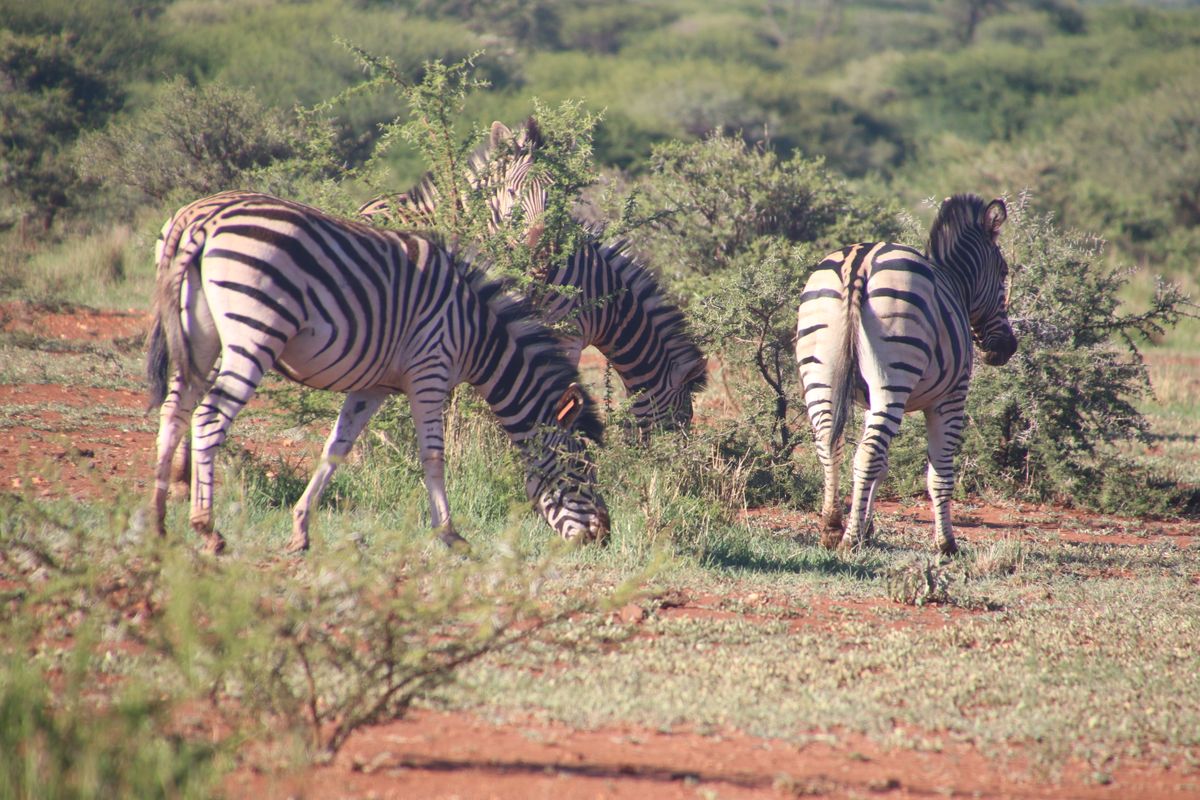
Amakhala Game Reserve
Collective of malaria-free Eastern Cape reserves near Addo — Big Five and cheetah with a range of lodge tiers.
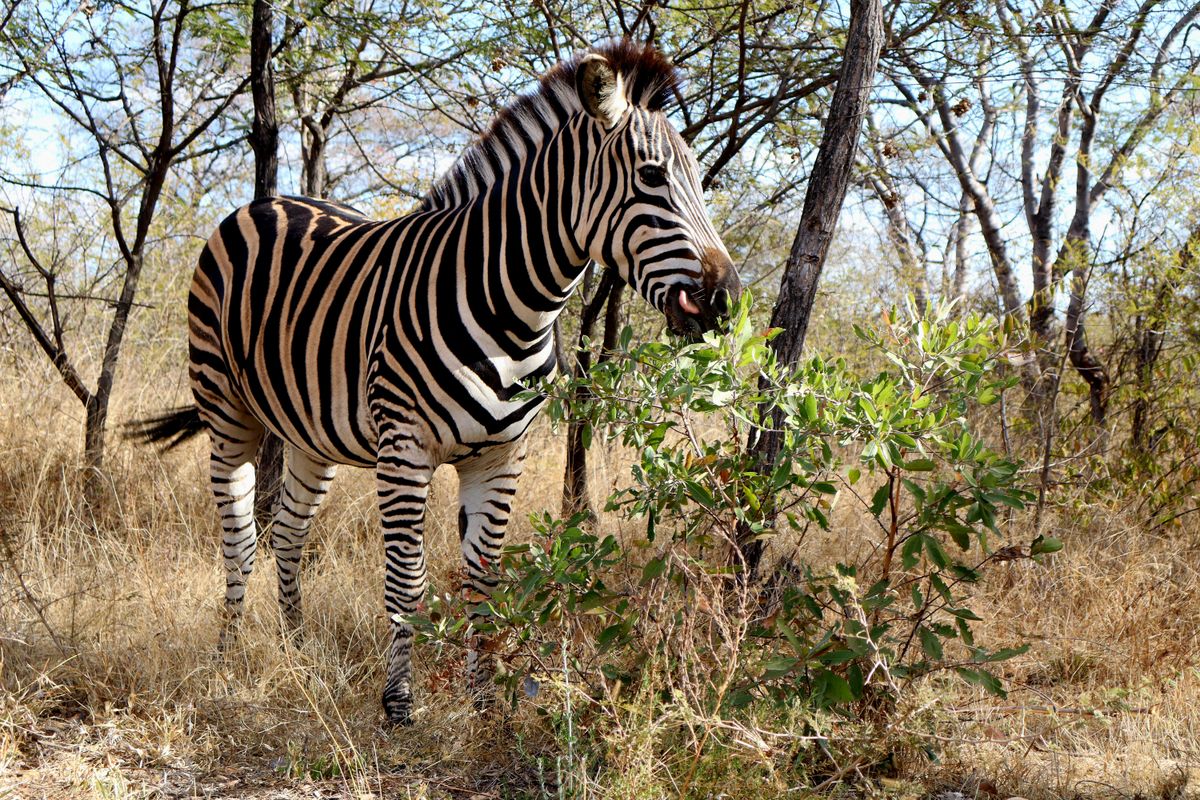
Inkwenkwezi Private Game Reserve
Malaria-free reserve near East London — Big Five, giraffe, and interactive elephant experiences.
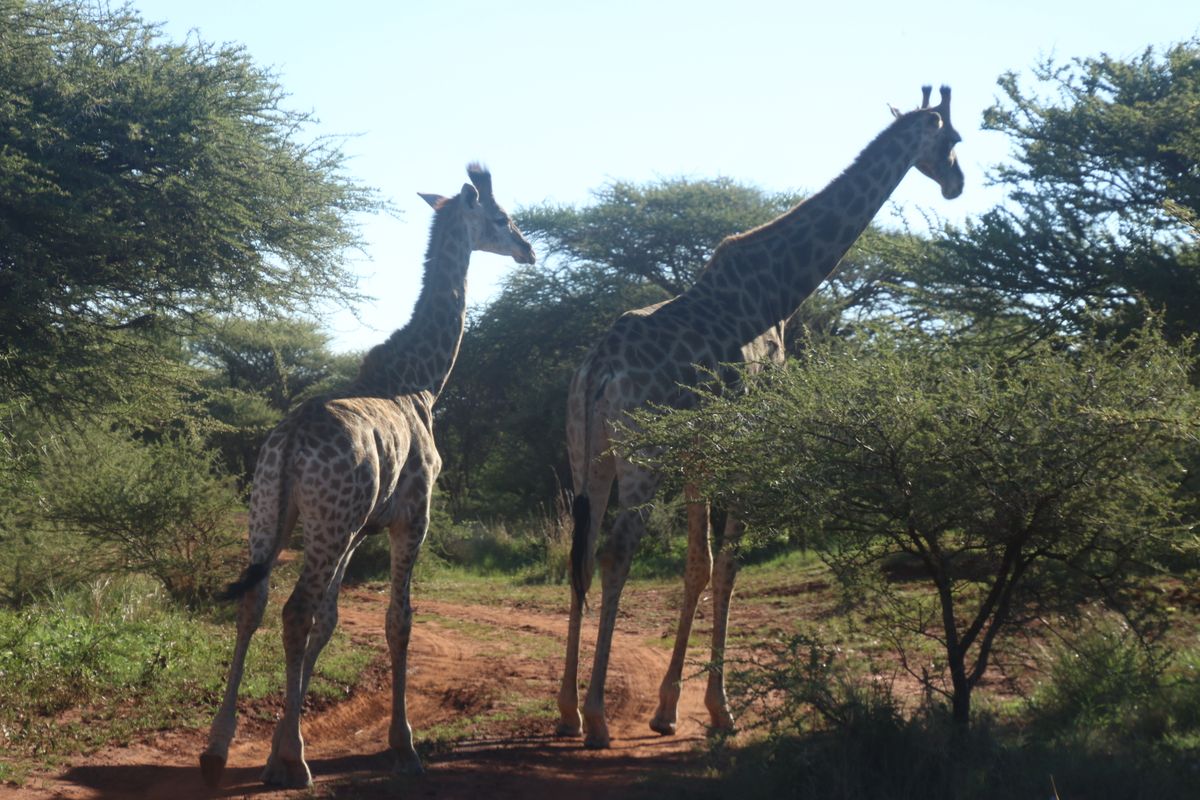
Kariega Game Reserve
Malaria-free Eastern Cape reserve on the Kariega River — Big Five plus boat cruises among wildlife.
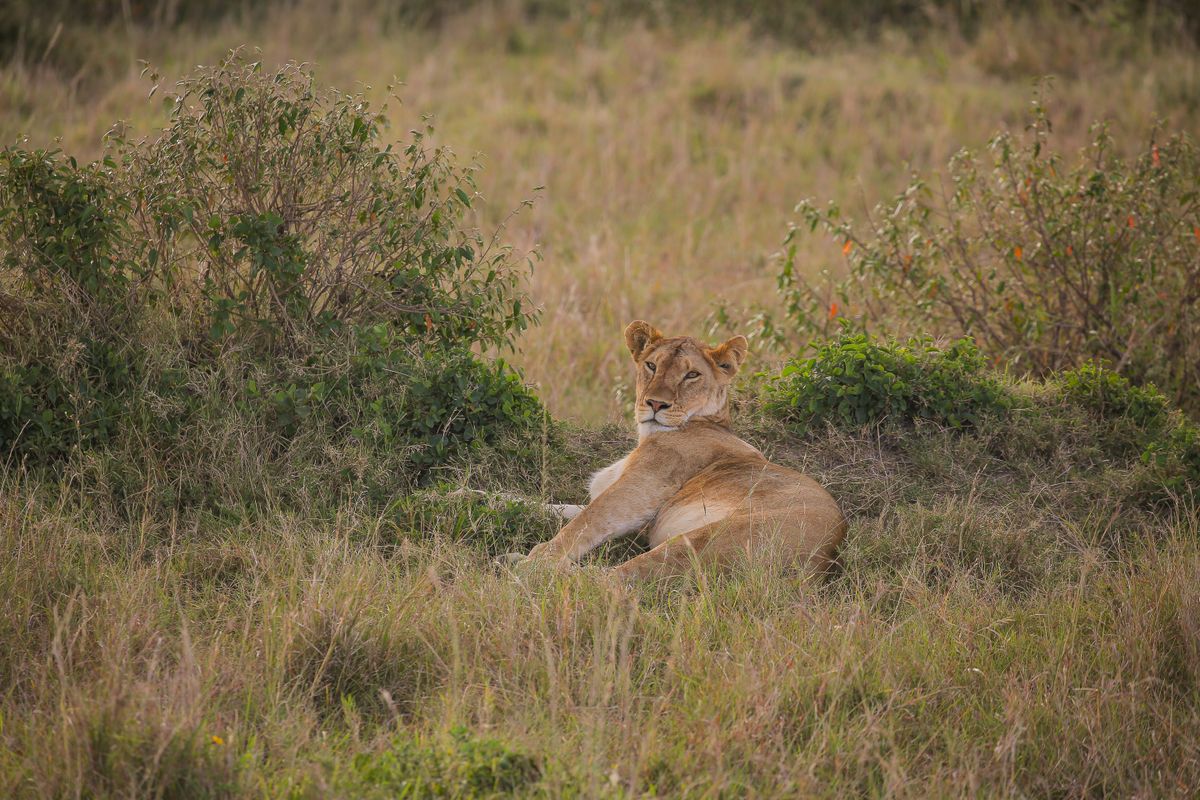
Kwandwe Game Reserve
Vast malaria-free Eastern Cape private reserve — cheetah, rhino and aardwolf across open Karoo valleys.
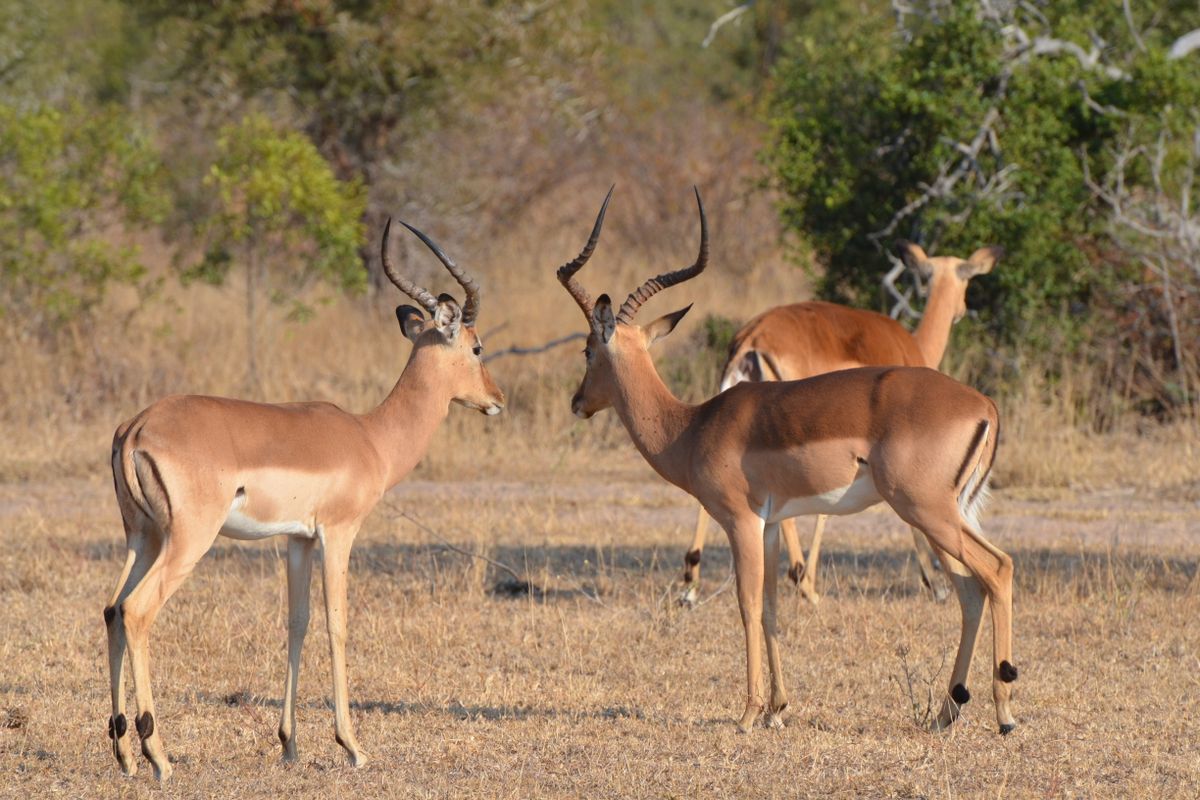
Lalibela Game Reserve
Malaria-free Big Five reserve in the Eastern Cape with a cluster of distinct lodges and strong rhino conservation.

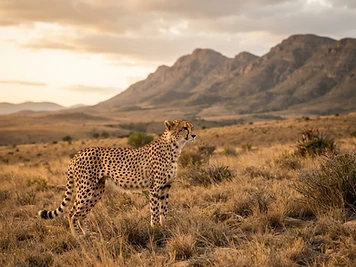
Samara Private Game Reserve
A Karoo private reserve pioneering cheetah and rhino conservation, with the rare chance to track cheetah on foot.