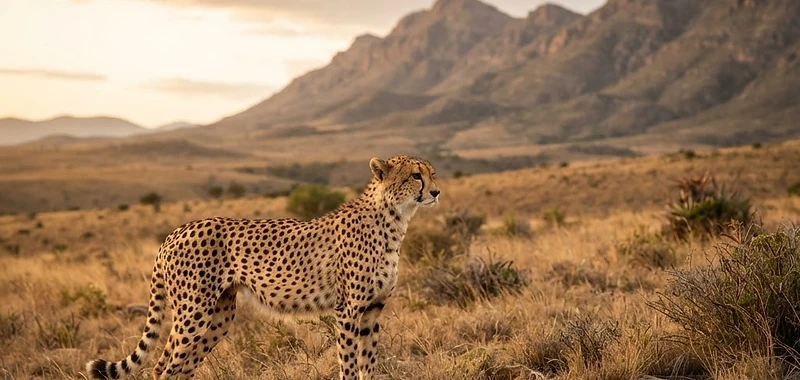
Samara Private Game Reserve
A Karoo private reserve pioneering cheetah and rhino conservation, with the rare chance to track cheetah on foot.
Trip Role
Ideal stay
Best for
Our take
The Karoo reserve that's a conservation story you can walk through.
The Karoo reserve that's a conservation story you can walk through.
- Trip Role
- Worth a Detour
- Ideal Stay
- 2-3 days
- Best For
- Walking safaris and conservation stories
- Go If
- You want a conservation-led, walk-based safari in a striking landscape.
Why it's worth your time
Samara is a 27,000-hectare reserve in the Eastern Cape Karoo — a landscape rehabilitation success story, and one of the few places where you can walk with cheetah and see both rhino species.
What we love
Tracking cheetah on foot across the Karoo plains.
What to know
A family-owned reserve that restored the Camdeboo ecosystem; the first private reserve in the Eastern Cape to reintroduce cheetah, and one of the few with both black and white rhino.
The full guide
What it is like
Samara occupies a vast, quiet stretch of the Eastern Cape Karoo. The landscape is defined by wide, flat plains and rugged mountains that hold the light in a way that feels distant and ancient. You will not find the dense scrub or heavy bushveld common in the northern provinces here. Instead, the terrain is exposed and sparse, dominated by succulents and hardy shrubs that change colour with the shifting sun. The scale is immense, creating a sense of isolation that feels intentional rather than accidental. In the first hour, the silence is the most prominent feature; it is not empty, but it is heavy.
Moving through this reserve feels different from a typical safari in the Kruger region. There is no rush to tick off predators in the shadow of a commercial cluster. The air is sharper and the horizon feels endless. It is a dry, stark environment where the beauty is found in the austerity of the slopes and the clarity of the sky. The reserve functions as a rehabilitation project, so the land looks like a work in progress, reclaiming its original form after decades of agricultural use.
Wildlife, realistically
Do not arrive expecting a constant stream of big cat sightings or the density of animals found in greener, more lush reserves. Samara is a success story in reintroduction, but the wildlife is spread across a massive territory. You can reliably see white and black rhino, which is a rare treat for a single location, but you must be prepared to spend hours scanning the open flats. The cheetah population is the primary draw, and tracking them on foot provides the best chance of a sighting, though even then, it is never a guarantee.
Seasonal movement dictates where the animals congregate. During the drier months, they tend to cluster around the few available water sources, which makes planning easier for trackers. Leopard are present, but they are elusive inhabitants of the mountainous terrain and will likely remain shadows in the rocks. Smaller desert-adapted species are the quiet stars here. You will see springbok and black wildebeest in numbers that reflect the nature of the Karoo. If you view a safari as a checklist of high-profile predators, you will be disappointed by the reality of the tracking process here.
How a visit works
A visit to Samara revolves entirely around the lodge and the expertise of their guides. You cannot self-drive this reserve, which keeps the tracks quiet and the experience focused on guided engagement. The daily rhythm is dictated by the sun, with early morning starts designed to catch animals before the midday heat settles over the plains. The time is largely spent in vehicles to traverse the distance, but the real point of being here is the walking component. Getting out on your feet changes the perspective from a passive spectator to an active participant in the landscape.
You should plan for at least two or three days to absorb the slow pace of the reserve. One night is a logistical error that leaves you arriving just as you need to depart. Four days might be excessive unless you are deeply invested in the conservation work or the physical challenge of long walks. The staff structure the experience to mirror the conservation mission, so you will spend a fair amount of time discussing the restoration of the ecosystem. It is a place for engagement rather than mere observation.
When to go
The Karoo is a land of extremes, and your experience depends on your tolerance for heat and cold. Summer months bring intense, punishing heat during the day and thunderstorms that can flood tracks, though they turn the plains vibrant green. If you can handle the soaring temperatures, you might find the landscape at its most resilient. However, the heat makes long walks uncomfortable and potentially dangerous for the less conditioned traveller.
Winter is the superior choice for those who prefer moderate temperatures and clear, cold mornings. The vegetation is sparse and brown, making visibility of the rhino and cheetah much easier as the animals are not hidden by deep brush. The nights are bitter, and the morning air will sting your face, but the dry climate means there is no humidity to contend with. Crowds are rarely an issue here regardless of the season, as the reserve maintains a low density of visitors. You are trading off the lush look of the summer for the clarity and comfort of the winter.
Who it suits, who it does not
This reserve rewards the patient traveller who prefers the quiet study of an ecosystem over the frantic pursuit of the Big Five. If you find value in walking through a landscape and understanding the mechanics of rewilding, you will find this place deeply satisfying. It is well-suited for someone who has already ticked the standard safari boxes and now wants a slower, more analytical experience. The conservation narratives here are tangible and impressive, and the solitude is a significant part of the draw.
It frustrates the traveller who demands immediate gratification or a high volume of predator sightings. If you want the classic bushveld experience where a lion is always around the next bend, do not come to the Karoo. You will be better off heading to the northern reserves where the habitat is richer and the animal density is significantly higher. Samara is a specific flavour of South African travel; it is a detour for the curious, not a primary destination for the casual tourist looking for a standard wildlife show.
More private reserve in Eastern Cape
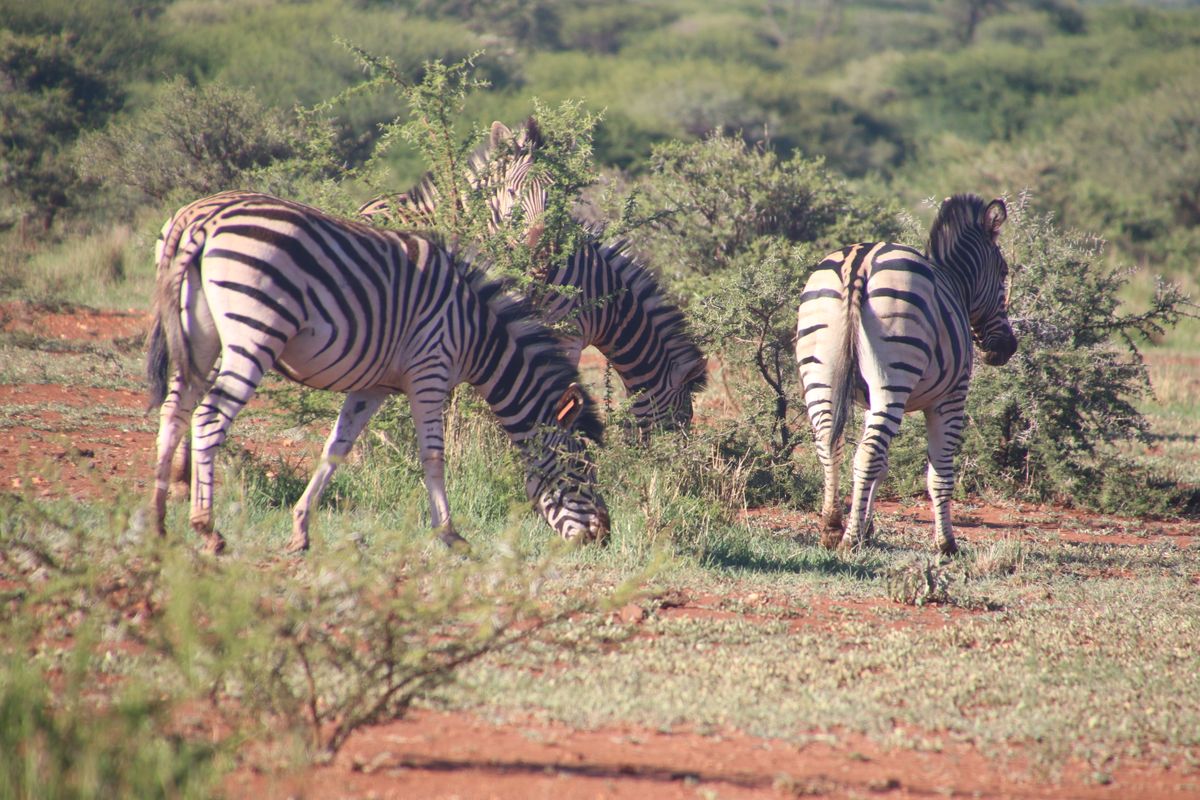
Amakhala Game Reserve
Collective of malaria-free Eastern Cape reserves near Addo — Big Five and cheetah with a range of lodge tiers.
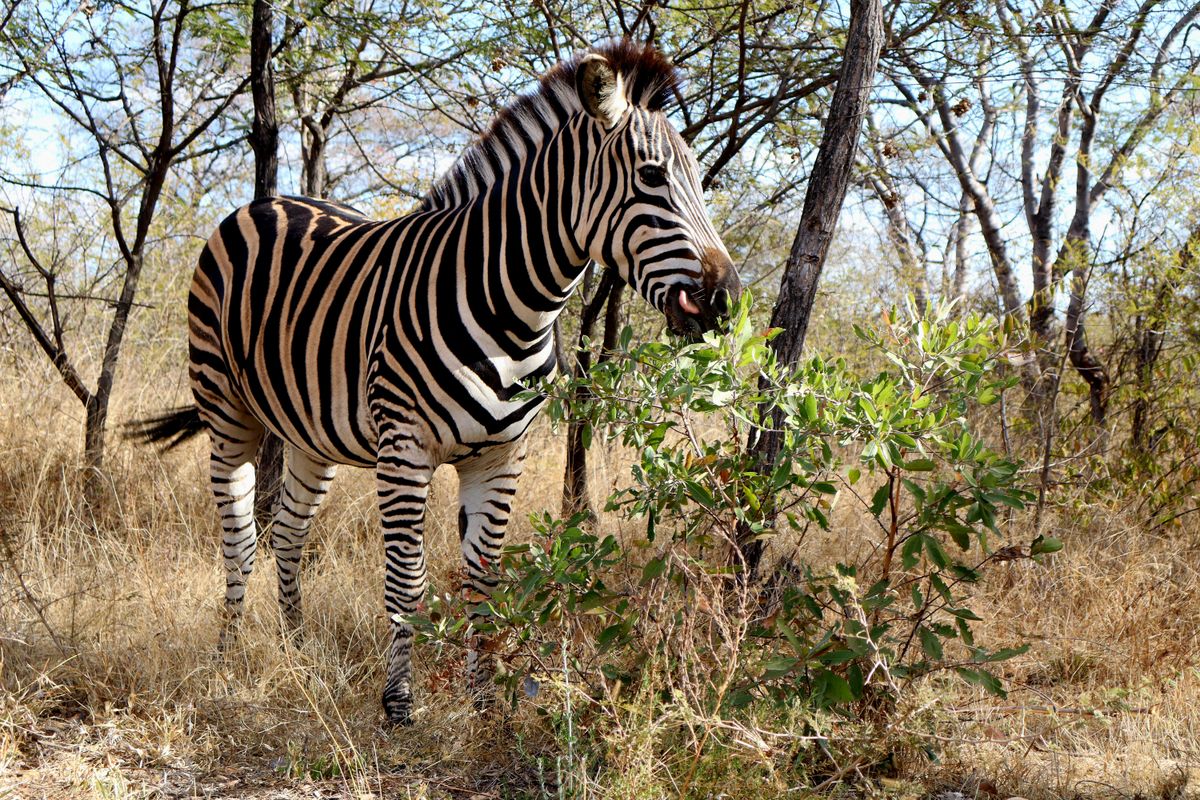
Inkwenkwezi Private Game Reserve
Malaria-free reserve near East London — Big Five, giraffe, and interactive elephant experiences.
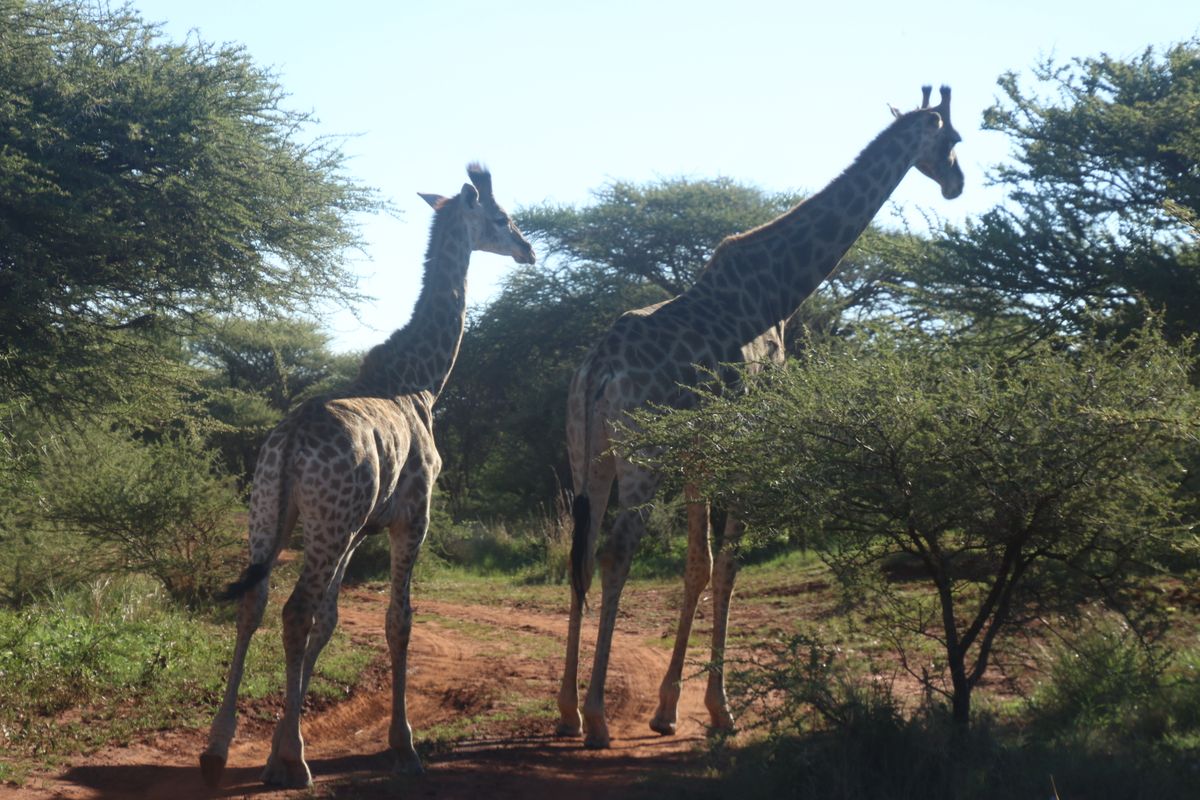
Kariega Game Reserve
Malaria-free Eastern Cape reserve on the Kariega River — Big Five plus boat cruises among wildlife.
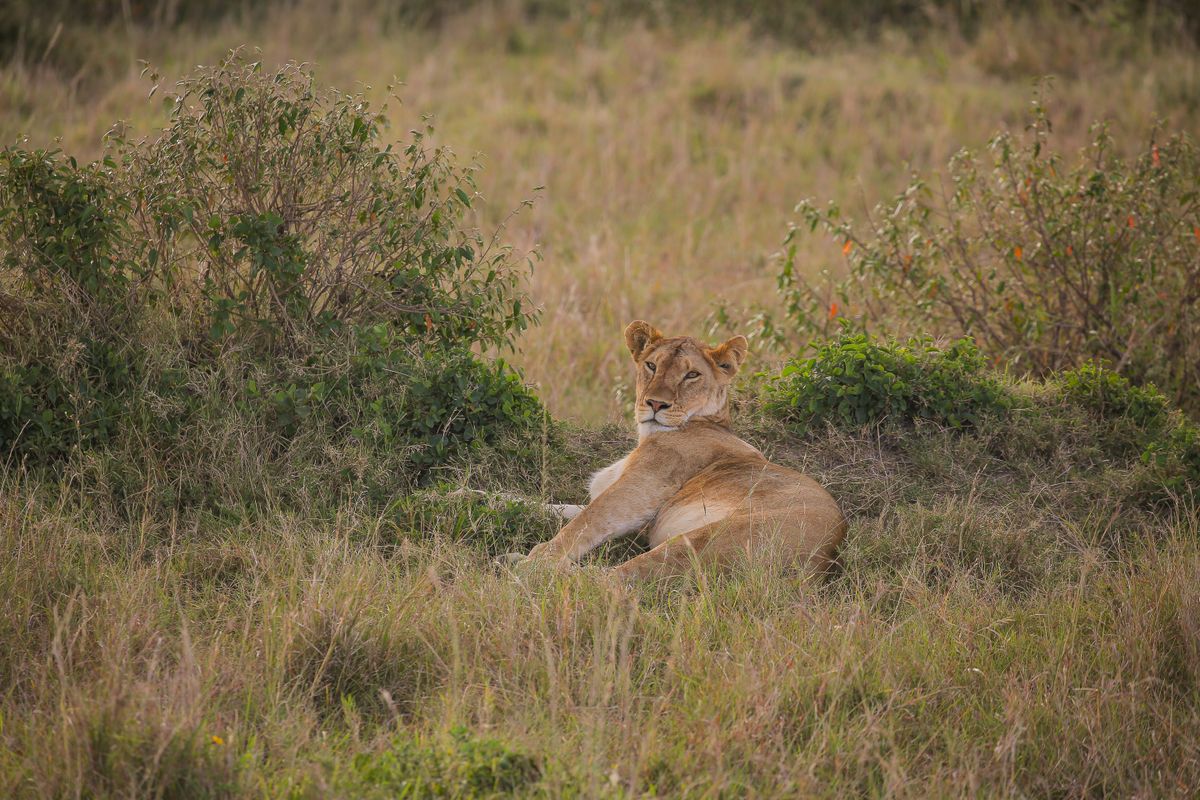
Kwandwe Game Reserve
Vast malaria-free Eastern Cape private reserve — cheetah, rhino and aardwolf across open Karoo valleys.
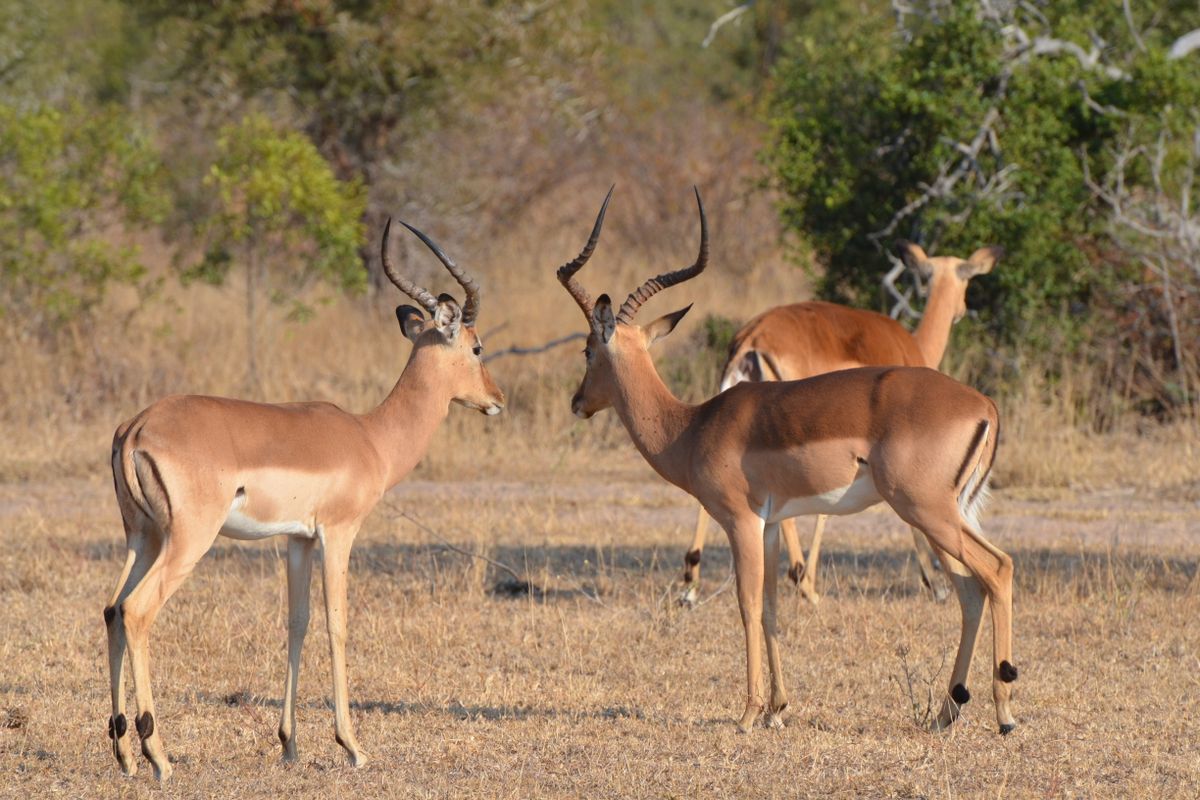
Lalibela Game Reserve
Malaria-free Big Five reserve in the Eastern Cape with a cluster of distinct lodges and strong rhino conservation.

Shamwari Game Reserve
Premier Eastern Cape malaria-free Big Five reserve — luxury lodges and a Born Free big cat sanctuary.