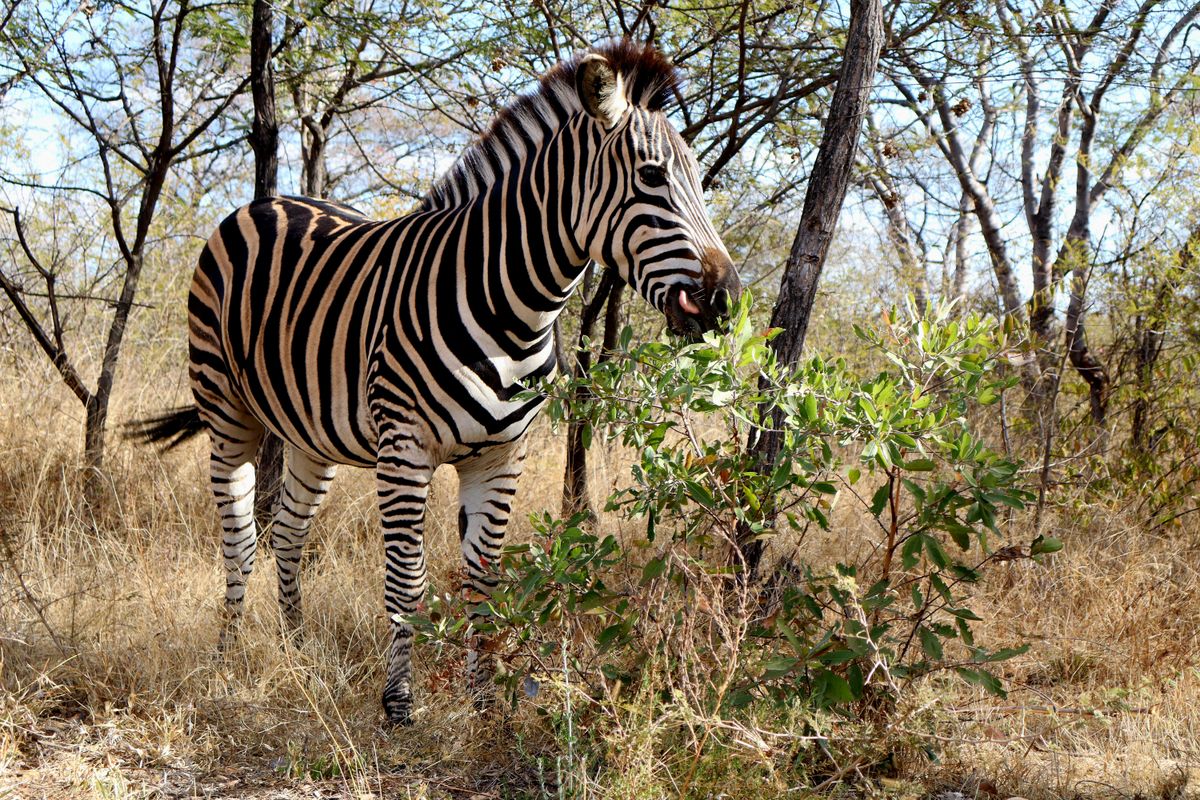
Inkwenkwezi Private Game Reserve
Malaria-free reserve near East London — Big Five, giraffe, and interactive elephant experiences.
Trip Role
Ideal stay
Best for
Our take
A convenient, accessible stop on the Eastern Cape route.
A convenient, accessible stop on the Eastern Cape route.
- Trip Role
- Day Trip
- Ideal Stay
- 1-2 days
- Time Needed
- 1 day
- Best For
- Wild Coast road-trippers.
- Go If
- You are traveling the Wild Coast and want a quick, malaria-free safari.
Why it's worth your time
Located near East London, this reserve offers a malaria-free safari experience with a focus on the Big Five and interactive elephant encounters. It is a popular stop for those traveling the Wild Coast.
What we love
The proximity to the coast and the lush, green landscape.
What to know
The reserve is relatively small compared to the northern giants.
The full guide
What it is like
Inkwenkwezi occupies a niche within the Eastern Cape landscape, defined by a distinct, lush greenness that differentiates it from the arid, scrub-heavy reserves of the interior. The terrain is rolling and coastal in character, which means the light here feels softer and more humid than the harsh brilliance found in the northern bushveld. Because the reserve is modest in scale, you lose the sense of being lost in a vast, indifferent wilderness almost immediately upon entering the gates. You will notice the fence lines more frequently, and the ambient sounds are often a mix of rural Eastern Cape wind and the distant, muffled echoes of human activity outside the boundaries.
Your first hour here does not feel like an expedition into the unknown. Instead, it feels like a structured, managed encounter with a landscape that has been curated for accessibility. The vegetation is thick, which creates an intimate atmosphere rather than an expansive one. It feels like an extension of the Wild Coast corridor rather than a disconnected pocket of wild Africa. If you are expecting the sprawling, limitless horizons that define the Kruger or the Kalahari, you will notice the difference within minutes of your first drive.
Wildlife, realistically
You come here for the Big Five in a malaria-free environment, and the reserve manages expectations by focusing heavily on reliable sightings. You can reasonably expect to see elephant herds and various antelope species without spending hours traversing vast distances. The wildlife populations are contained, which makes the frequency of sightings quite high compared to larger, more fragmented territories. Elephants are a cornerstone of the experience here, and the reserve is known for its focus on interactive encounters with these animals. These sessions are direct, close, and deliberate.
Other predators are present but require more patience than the elephant sightings. The dense cover can make tracking difficult, and leopards in particular remain elusive, as they are throughout the province. Seasonal movements are less pronounced here than in the open systems of the north because the animals have nowhere to go. You should not expect a migration or a dramatic shift in wildlife density between seasons. If you are specifically chasing the sight of a cheetah or a rare rhino, your success depends largely on the local rangers having spotted them earlier that morning. It is a controlled ecosystem, not a wild one.
How a visit works
A visit to Inkwenkwezi is typically short and purposeful. Most people fold it into a larger Wild Coast road trip, stopping for a day or two rather than setting up base for a long residency. The gate logic is straightforward, and the reserve operates with a clear emphasis on managed, guided activities. You are generally not left to your own devices for self-drive game viewing. The days are structured around specific time slots for game drives and interaction sessions, which removes the need for any complex navigation or planning on your part.
Two days are sufficient to see the core highlights of the reserve without rushing. Anything longer begins to feel repetitive, given the limited land area. The flow of the day is predictable: early starts for the morning drives, a midday break for meals, and afternoon excursions. It functions more like an upscale park visit than a rugged safari lodge experience. You do not need to worry about vehicle readiness or map navigation because the guided nature of the reserve dictates the pace. It is efficient, comfortable, and keeps the logistical burden to a minimum.
When to go
The Eastern Cape climate is mild, but seasons still dictate the comfort of your drive. Winter brings cooler, drier air, which makes the bush thinner and wildlife visibility slightly better as animals congregate around permanent water sources. You will avoid the stifling humidity of mid-summer, and the cost of travel often dips during these quieter months. However, the coastal weather remains unpredictable regardless of the season, and sudden grey days are part of the local reality.
Summer is vibrant and green but significantly hotter, and the heavy bush can make spotting smaller animals a difficult task. While crowds are rarely an issue in the same way they are in national parks, booking during public holidays will see the reserve reach its capacity quickly. Fire is a concern during the drier periods, though the reserve is well managed to mitigate these risks. If you want the most pleasant game viewing, target the shoulder months when the heat is manageable and the vegetation has not yet surged into impenetrable thickets. You trade dramatic, golden-hour light for a more consistent, comfortable experience throughout the year.
Who it suits, who it does not
This reserve rewards the Wild Coast road-tripper who wants to tick the Big Five box without the risk of malaria or the cost and travel time required to reach the northern provinces. It suits families who need a safe, contained environment and travellers who appreciate the convenience of an all-inclusive, guided programme. If you are looking for a gentle, low-stakes safari that fits neatly into a broader holiday along the coast, you will find this place well suited to your itinerary.
It frustrates the purist who demands vast, trackless wilderness and the thrill of self-navigated exploration. If you are philosophically opposed to interactive wildlife experiences, specifically the practice of touching or closely engaging with elephants, you will find yourself fundamentally at odds with the reserve ethos. It is not the right fit for those looking for deep solitude or the raw, unmanaged nature of a large-scale reserve. If you crave that total isolation, you are better off bypassing the Eastern Cape altogether and heading north to the expansive private concessions of the Limpopo or Mpumalanga.
More private reserve in Eastern Cape
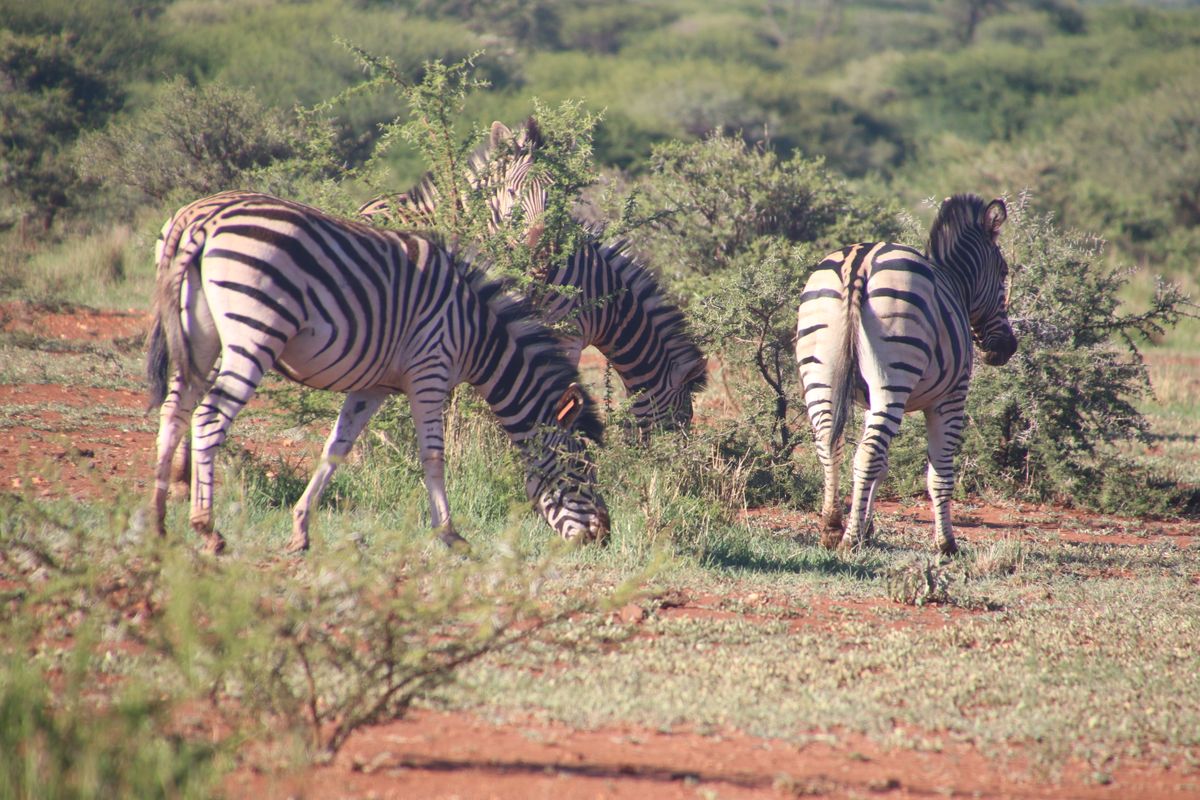
Amakhala Game Reserve
Collective of malaria-free Eastern Cape reserves near Addo — Big Five and cheetah with a range of lodge tiers.
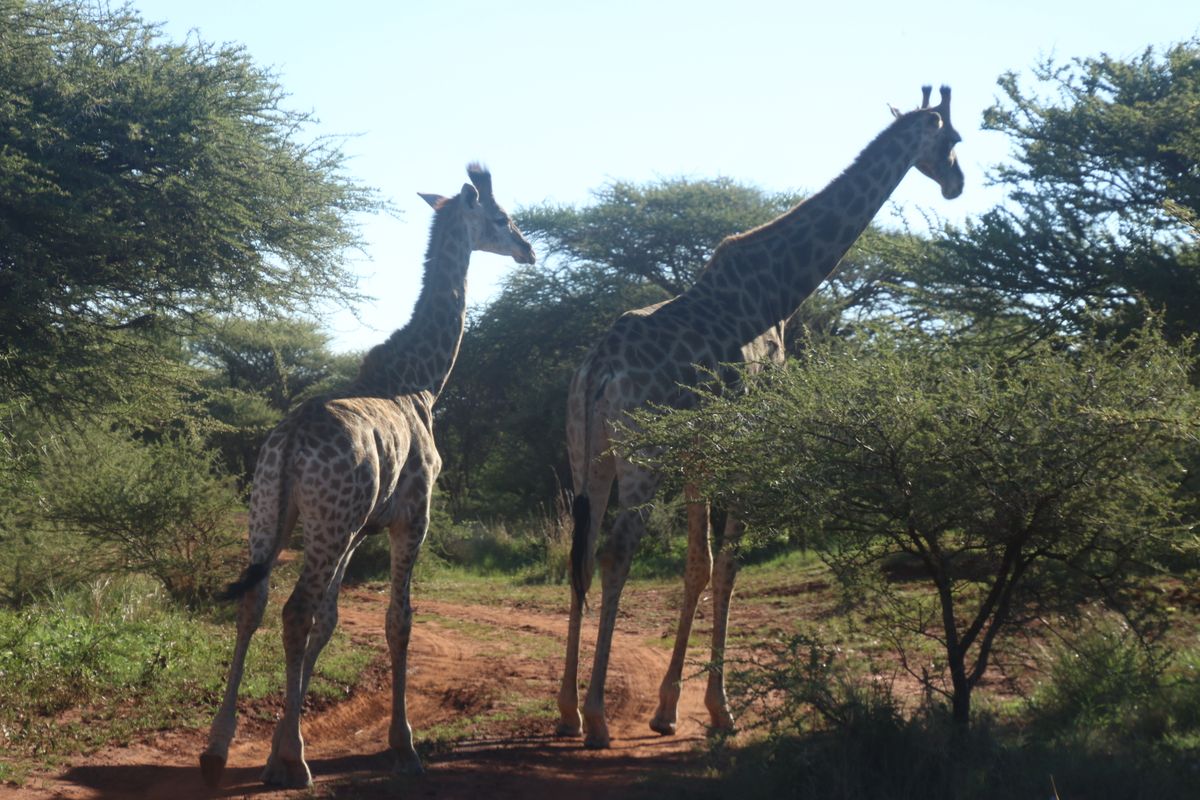
Kariega Game Reserve
Malaria-free Eastern Cape reserve on the Kariega River — Big Five plus boat cruises among wildlife.
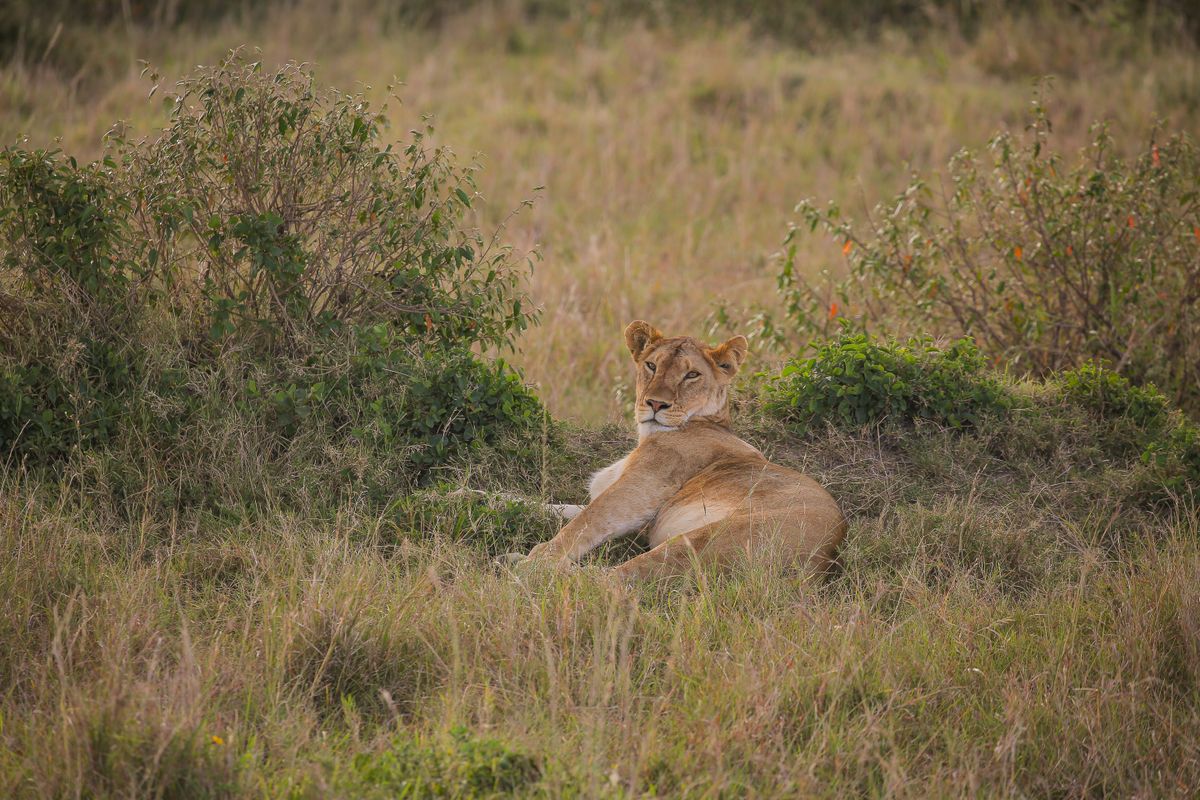
Kwandwe Game Reserve
Vast malaria-free Eastern Cape private reserve — cheetah, rhino and aardwolf across open Karoo valleys.
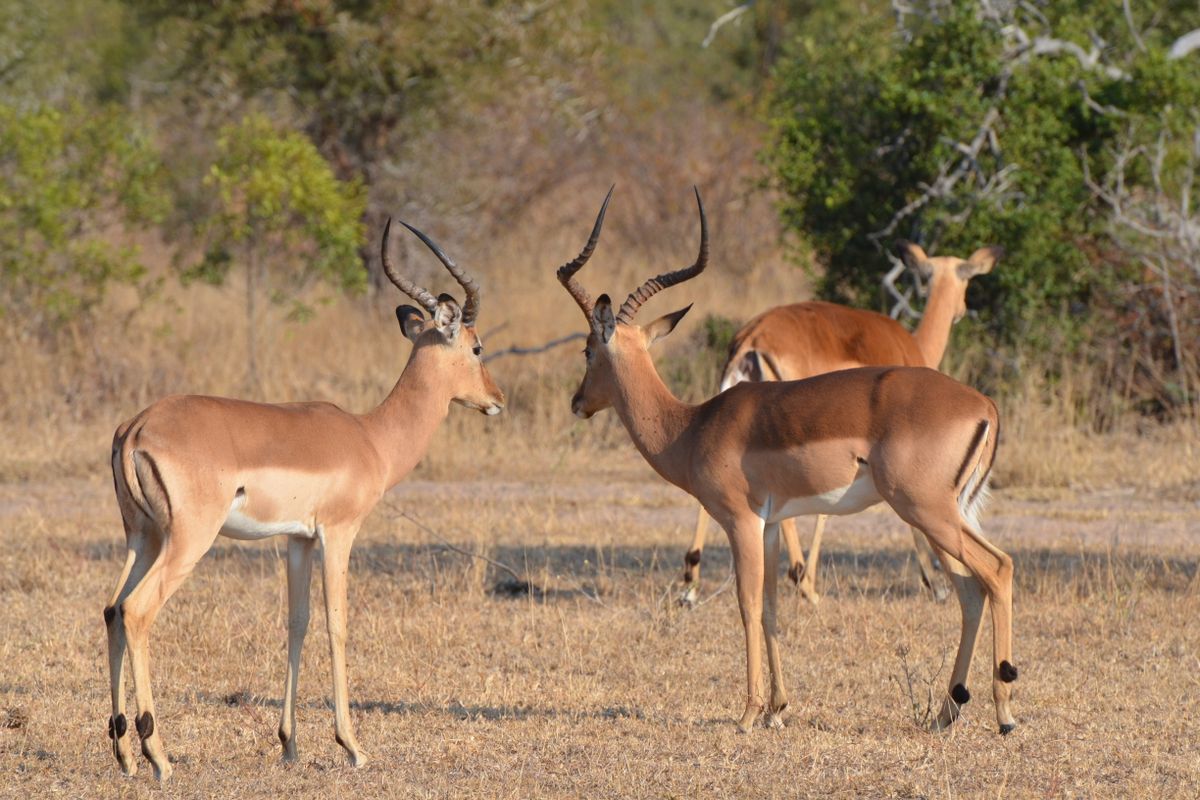
Lalibela Game Reserve
Malaria-free Big Five reserve in the Eastern Cape with a cluster of distinct lodges and strong rhino conservation.

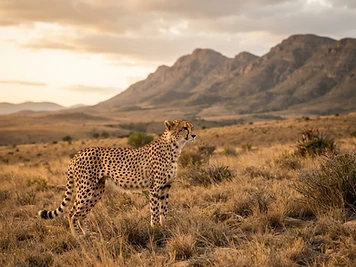
Samara Private Game Reserve
A Karoo private reserve pioneering cheetah and rhino conservation, with the rare chance to track cheetah on foot.

Shamwari Game Reserve
Premier Eastern Cape malaria-free Big Five reserve — luxury lodges and a Born Free big cat sanctuary.