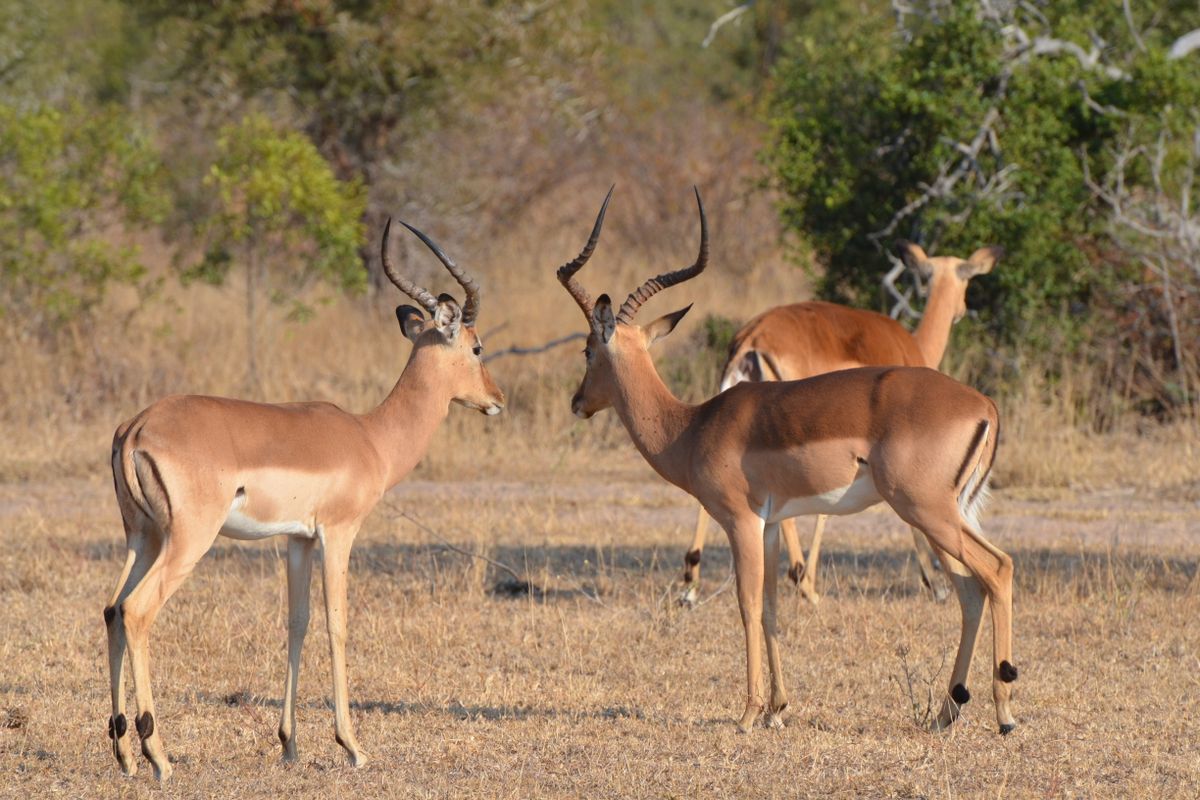
Lalibela Game Reserve
Malaria-free Big Five reserve in the Eastern Cape with a cluster of distinct lodges and strong rhino conservation.
Trip Role
Ideal stay
Best for
Our take
A solid, conservation-minded choice in the Eastern Cape.
A solid, conservation-minded choice in the Eastern Cape.
- Trip Role
- Base
- Ideal Stay
- 3 days
- Time Needed
- 2 days
- Best For
- Rhino conservation and varied lodge experiences.
- Go If
- You want a malaria-free safari with a strong focus on rhino conservation.
Why it's worth your time
Lalibela is a malaria-free, Big Five reserve in the Eastern Cape that emphasizes conservation and community. It features several distinct lodges, each with a different atmosphere.
What we love
The dedicated focus on protecting the local rhino population.
What to know
It is a malaria-free zone, making it ideal for families.
The full guide
What it is like
Lalibela sits within the varied Eastern Cape topography, defined by thicket and valley bushveld rather than the open, sweeping savannahs seen in the north. The landscape is dense, green, and undulating, which forces you to focus your attention on the immediate periphery rather than scanning a horizon. The light here has a distinct, soft quality, filtered through the tangled branches of spekboom and acacia. It lacks the expansive, stark feeling of the Kalahari and instead presents a more intimate, claustrophobic intimacy.
Your first hour inside the gates involves navigating winding tracks that feel deeply embedded in the scrub. The silence of the bush is rarely total, as the area teems with the constant, rhythmic movement of insects and the calls of birds concealed by the thick vegetation. Unlike the adjacent reserves that sometimes feel like extensions of a highway, Lalibela maintains a sense of enclosure. You feel shielded from the outside world, and the transition from the paved roads of the Eastern Cape to the internal reserve tracks is abrupt and physical.
Wildlife, realistically
The Big Five label is technically accurate, but it tells only half the story. You will see lion, elephant, buffalo, and leopard if you spend enough time scanning the thicket, but the density of the bush makes sightings require genuine patience. The rhino population stands out as the real success story here. The reserve maintains a serious, protective stance toward these animals, and your chances of seeing them are higher than in many other private concessions. It is a place where conservation effort shows in the health and frequency of these sightings.
Leopards remain the most difficult to track due to their shy nature and the high volume of cover provided by the valley bushveld. Do not expect the easy, open-plain encounters common in Kruger or the Serengeti. Seasonal changes dictate where animals congregate, with water sources becoming magnets during the drier months. Predators tend to follow the movement of the plains game, but the thick vegetation means you often catch glimpses rather than long, sustained viewings. It is honest, challenging game viewing that rewards persistence rather than passive observation.
How a visit works
This is not a destination for the self-drive traveller. The logistics revolve entirely around the guided experience, which is managed through a collection of lodges that vary wildly in character. Some offer a rustic, back-to-basics feel while others push toward high-end luxury. You need to verify which lodge suits your budget and aesthetic preferences, as the experience is entirely dependent on where you choose to sleep. The day is structured around the classic safari rhythm of early morning starts and late afternoon drives, with the middle of the day reserved for rest.
Three days is the golden mean for a stay here. Anything less than two nights leaves you feeling rushed, as you will likely spend half your time adjusting to the pace of the bush. Four nights or more allows for a deeper immersion into the reserve’s conservation efforts and provides the necessary buffer for days when the weather or animal movement does not cooperate. The lodge-based logic is absolute, and you are expected to conform to their daily programme to get the most from your investment.
When to go
The Eastern Cape does not follow the rigid wet and dry season dichotomy of the north, but winter remains the superior window for game viewing. From June to August, the vegetation thins out significantly, making it much easier to spot animals in the thick scrub. The mornings are crisp, sometimes biting, but the heat of the midday is rarely oppressive. You trade the lush, green beauty of the summer for a clearer view of the wildlife.
Summer brings heat, frequent afternoon thunderstorms, and dense, suffocating foliage that makes predators nearly impossible to track. While the landscape is vibrant and full of young animals, the density of the bush turns every sighting into a lucky accident. Crowds tend to track with school holidays, pushing up prices and filling the lodges. If you want value and clarity, choose the shoulder months. You will pay more during the peak holiday windows, but the weather consistency is higher. Avoid the hottest weeks if you dislike heat, and be prepared for the fact that summer fire risk in the thicket is a persistent, underlying concern.
Who it suits, who it does not
Lalibela rewards the visitor who values conservation over spectacle. If you are specifically interested in rhino protection and the mechanics of a malaria-free safari, this is a sensible, logical choice. It is perfectly suited to families who want a straightforward, safe, and educational experience without the medical complexity of northern reserves. The range of accommodation ensures that if you choose carefully, you will find a level of comfort that matches your personal expectations for a holiday.
It will frustrate the traveller who demands the vast, open horizons of the true arid savannah. If your goal is to see a cheetah chase an impala across a wide, flat plain, you will leave feeling disappointed by the density of the bush here. This place is not a theatre of grand, wide-angle movements. If you require that specific aesthetic, you are better off looking at reserves in the North West or the Tswalu Kalahari, where the landscape allows for a completely different scale of visibility and distance.
More private reserve in Eastern Cape
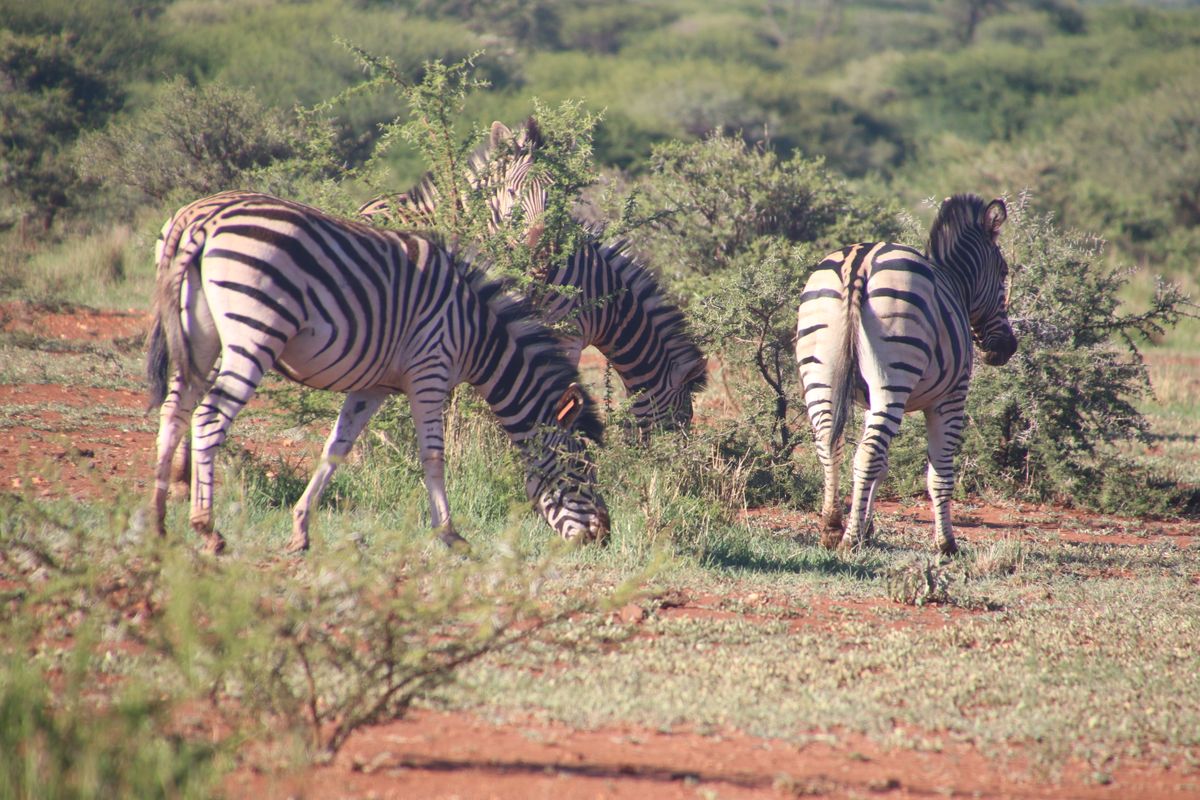
Amakhala Game Reserve
Collective of malaria-free Eastern Cape reserves near Addo — Big Five and cheetah with a range of lodge tiers.
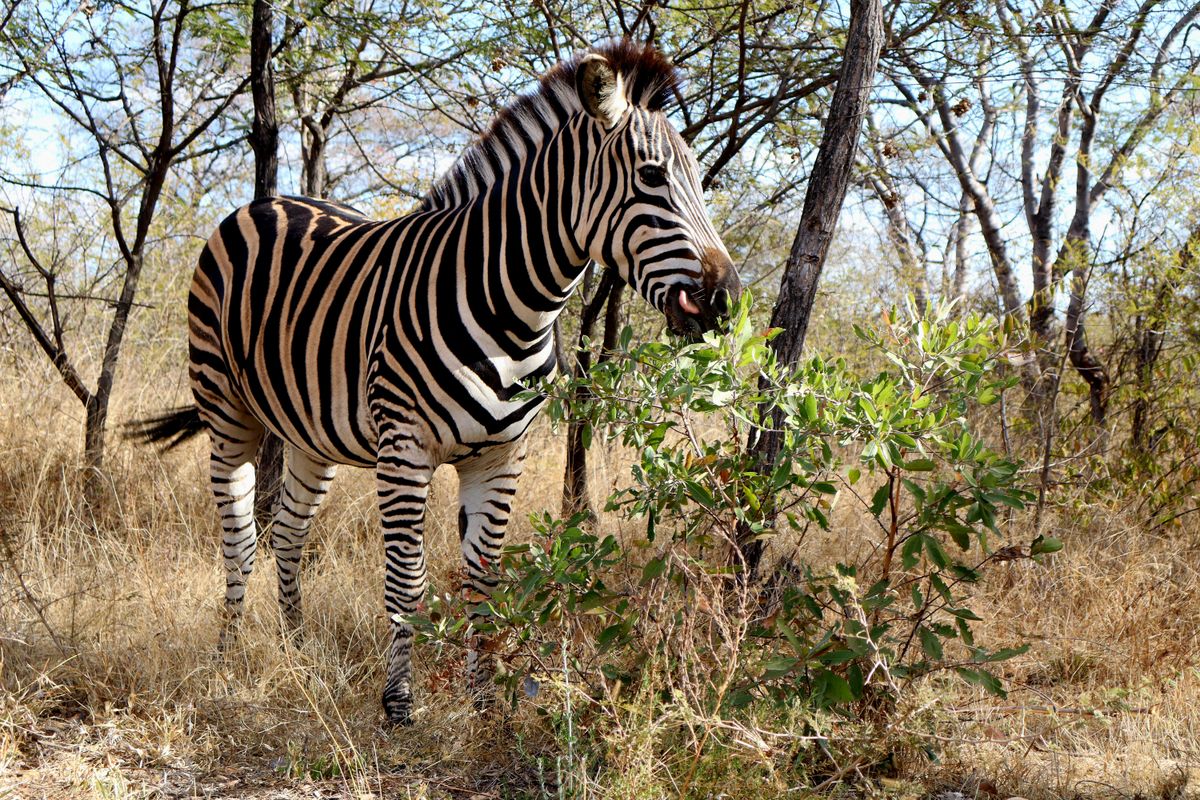
Inkwenkwezi Private Game Reserve
Malaria-free reserve near East London — Big Five, giraffe, and interactive elephant experiences.
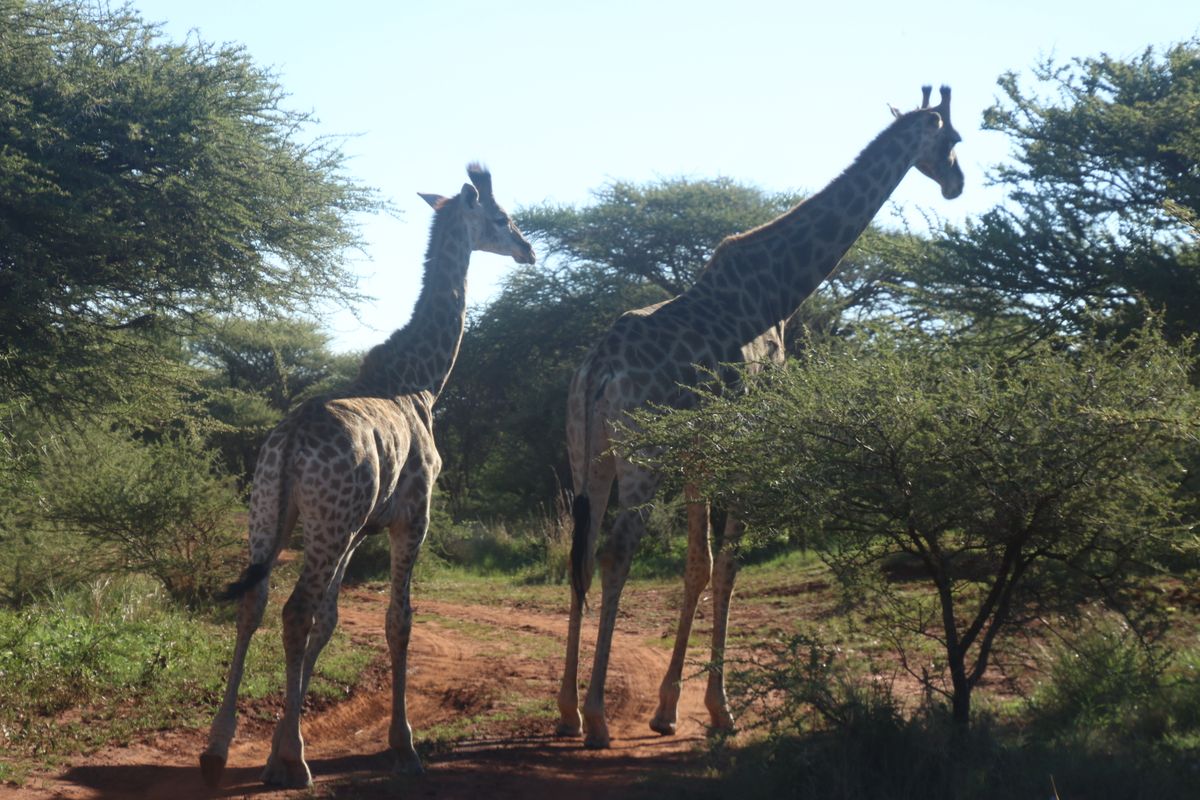
Kariega Game Reserve
Malaria-free Eastern Cape reserve on the Kariega River — Big Five plus boat cruises among wildlife.
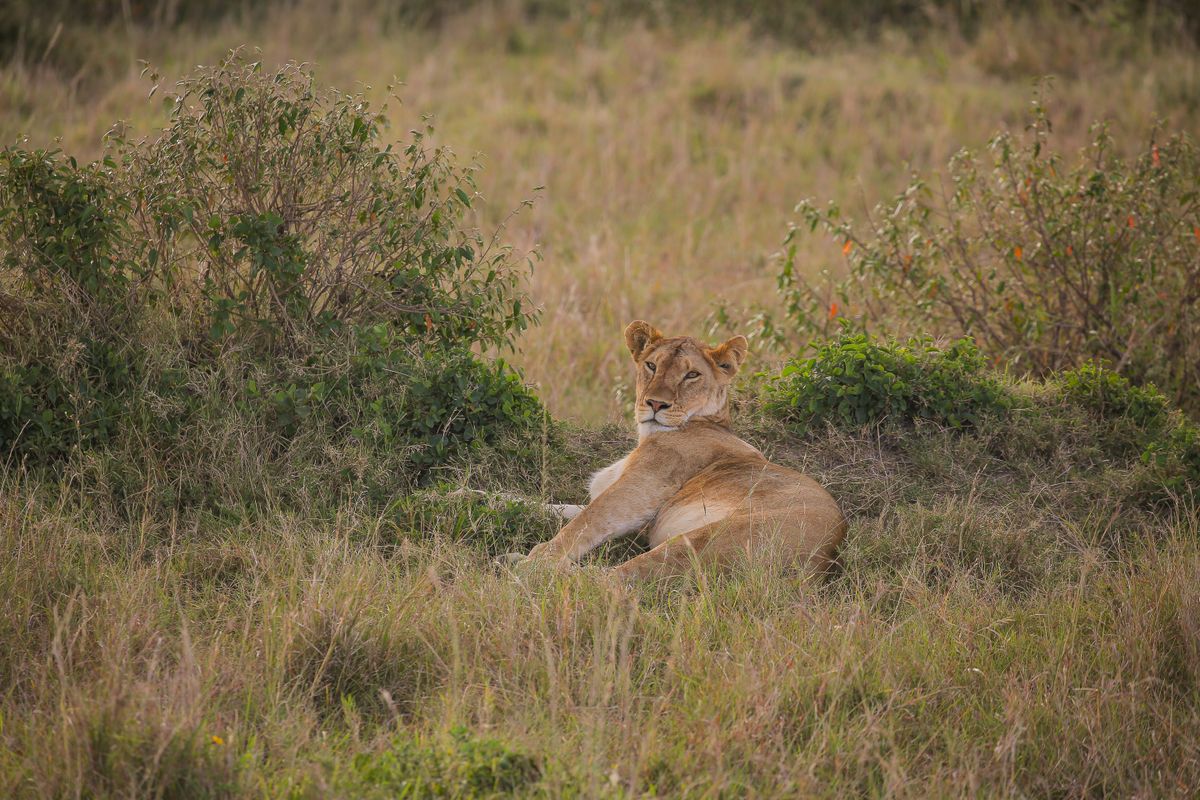
Kwandwe Game Reserve
Vast malaria-free Eastern Cape private reserve — cheetah, rhino and aardwolf across open Karoo valleys.

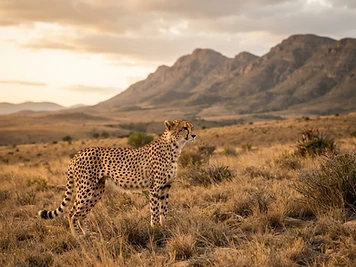
Samara Private Game Reserve
A Karoo private reserve pioneering cheetah and rhino conservation, with the rare chance to track cheetah on foot.

Shamwari Game Reserve
Premier Eastern Cape malaria-free Big Five reserve — luxury lodges and a Born Free big cat sanctuary.