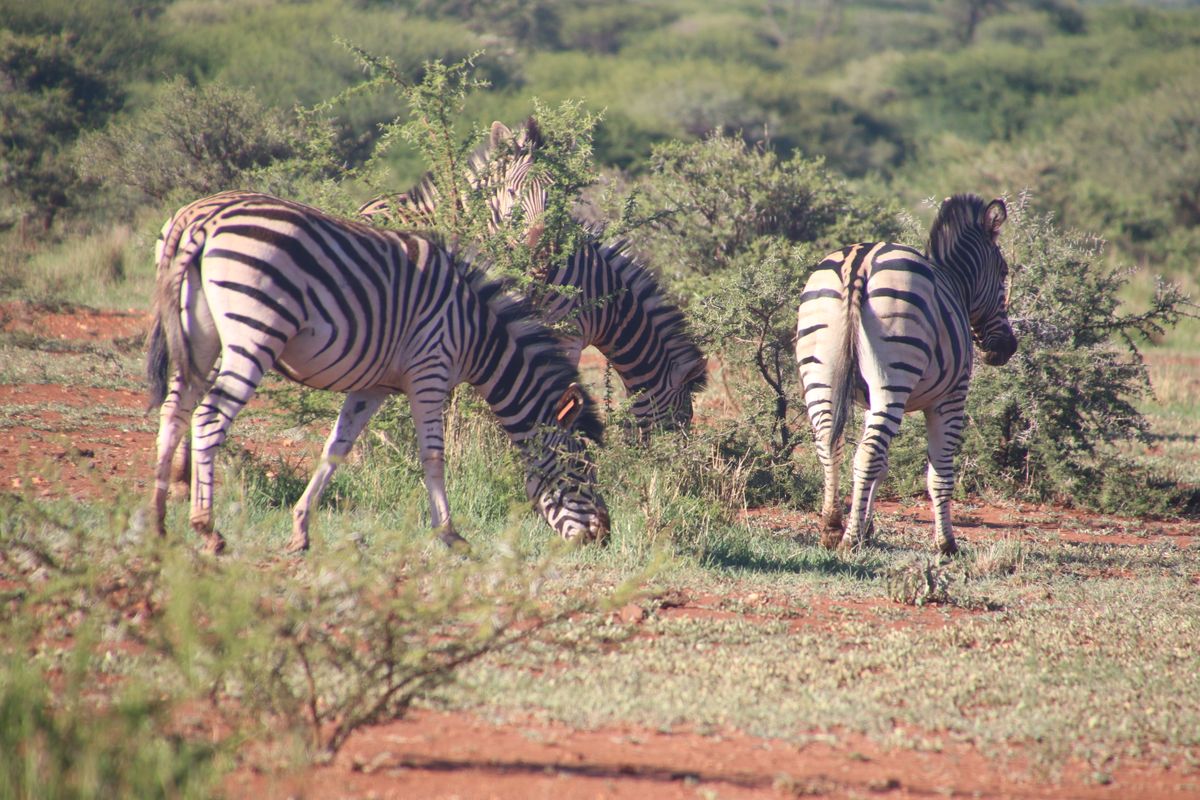
Amakhala Game Reserve
Collective of malaria-free Eastern Cape reserves near Addo — Big Five and cheetah with a range of lodge tiers.
Trip Role
Ideal stay
Best for
Our take
A convenient, accessible, and family-oriented safari hub.
A convenient, accessible, and family-oriented safari hub.
- Trip Role
- Base
- Ideal Stay
- 2-3 days
- Time Needed
- 2 days
- Best For
- Family-friendly, malaria-free safaris.
- Go If
- You are traveling with children or want a malaria-free Big Five safari on the Garden Route.
Why it's worth your time
Amakhala is a collection of private lodges in the Eastern Cape, offering a malaria-free alternative to the northern reserves. It features a diverse landscape and a range of accommodation styles.
What we love
The variety of lodge styles, from historic farmhouses to modern luxury.
What to know
The reserve is fragmented by public roads, which can impact the feeling of total wilderness.
The full guide
What it is like
Amakhala sits in the Eastern Cape, a landscape defined by rolling hills, thicket vegetation, and river valleys that feed into the Bushman’s River. The light here is sharp and clear, catching the scrub in a way that feels distinctly coastal rather than bushveld. You do not get the infinite horizons found in the northern provinces. Instead, you get a topography that feels intimate and contained. The reserve is bisected by public roads, a fact that serves as a constant reminder that you are not in a vast, empty wilderness. You will hear the distant hum of traffic or see a fence line that disrupts the illusion of total seclusion. It is a managed, human-impacted landscape.
The first hour feels like a transition from farmland to game viewing. The boundaries between the reserve and the surrounding Eastern Cape countryside are often porous in appearance. You are essentially moving through a collection of private properties that have been stitched together for conservation. While the biodiversity is healthy, the scale of the reserve does not support the feeling of being entirely disconnected from civilisation. It is a safari experience that remains firmly tethered to the familiar rhythms of the South African agricultural heartland.
Wildlife, realistically
The Big Five are present and accounted for, but your experience depends entirely on the proficiency of your guide and a fair amount of luck. Because the reserve is made up of different parcels of land, animal sightings are often concentrated around the river systems or managed waterholes. You will likely see elephant and buffalo with relative ease, as they tend to congregate in the thicker bush where they are harder to track but easy to spot once located. Lions are present, though finding them involves dedicated effort and frequent communication between game rangers across the reserve network.
Cheetahs are a highlight here, yet their movement is dictated by the enclosure and the presence of larger predators. Do not expect to see them on every drive. You will have to be patient. Leopards are notoriously difficult to find due to the dense thicket that dominates much of the vegetation. Visitors often struggle to spot the smaller, elusive cats because the bushveld here is quite tall and layered. If you arrive expecting a parade of predators appearing on open plains, you will be disappointed. You must earn your sightings by learning to look closer at the shadows.
How a visit works
You do not self-drive at Amakhala. The reserve operates on a model where game drives are conducted exclusively by lodge-based guides. This is a deliberate choice to protect the habitat and manage the density of vehicles. Your day follows a rigid structure that begins before dawn and ends with a sundowner drink in the bush. There is a predictable rhythm to the time spent on the vehicle, usually broken up by a stop for coffee or snacks. This structure is designed to maximise your chances of catching the predators while they are still active, but it leaves little room for spontaneity.
Staying for two to three days is the sweet spot. Anything less than two nights feels like a hurried introduction, and by the fourth day, the repetitive nature of the drives can start to grate. The experience is entirely lodge-dependent. Because the lodges operate independently, the quality of your vehicle, the expertise of your tracker, and the hospitality you receive will vary significantly between operators. You are choosing your accommodation as much as you are choosing the reserve itself.
When to go
The trade-offs in the Eastern Cape are centred on water availability and vegetation density. The winter months from May to August are generally considered the best time for game viewing. The bush thins out, and the animals are forced to stay closer to permanent water sources, which makes them far easier to spot against the dry, brown backdrop of the dormant landscape. The days are usually mild and clear, though the nights can turn sharply cold. You pay for the visibility with the lack of lush greenery.
Summer brings high heat and dense, impenetrable bush. While the landscape is green and vibrant, the animals vanish into the thicket, and finding them becomes a frustrating exercise. You may end up driving for hours and seeing very little. Furthermore, summer is the busy season for families on holiday, which means crowds and higher prices for accommodation. If you must travel in summer, prepare for oppressive heat and lower expectations regarding the quantity of your wildlife sightings. There is no perfect season, only a preference for either seeing more animals or enjoying a greener view.
Who it suits, who it does not
Amakhala rewards the family traveller who wants a comfortable, malaria-free experience without the logistical headache of flying to the far north. It is perfectly suited for those who treat the safari as a base for exploring the broader Garden Route. If you have young children or want a straightforward, reliable introduction to the African bush where the food is good and the beds are soft, you will find this place perfectly acceptable. It is accessible and efficient.
However, it frustrates the traveller who is looking for a raw, untamed wilderness. If you measure a safari by the sense of isolation and the ability to drive for hours without seeing a fence or a public road, Amakhala will feel far too managed and domestic. Those seeking the vast, wild expanses of the Kruger or the Timbavati will find this reserve underwhelming. When you feel the need for true scale and wilder, less predictable encounters, it is better to skip the Eastern Cape altogether and commit to the northern reserves where the sense of frontier remains intact.
More private reserve in Eastern Cape
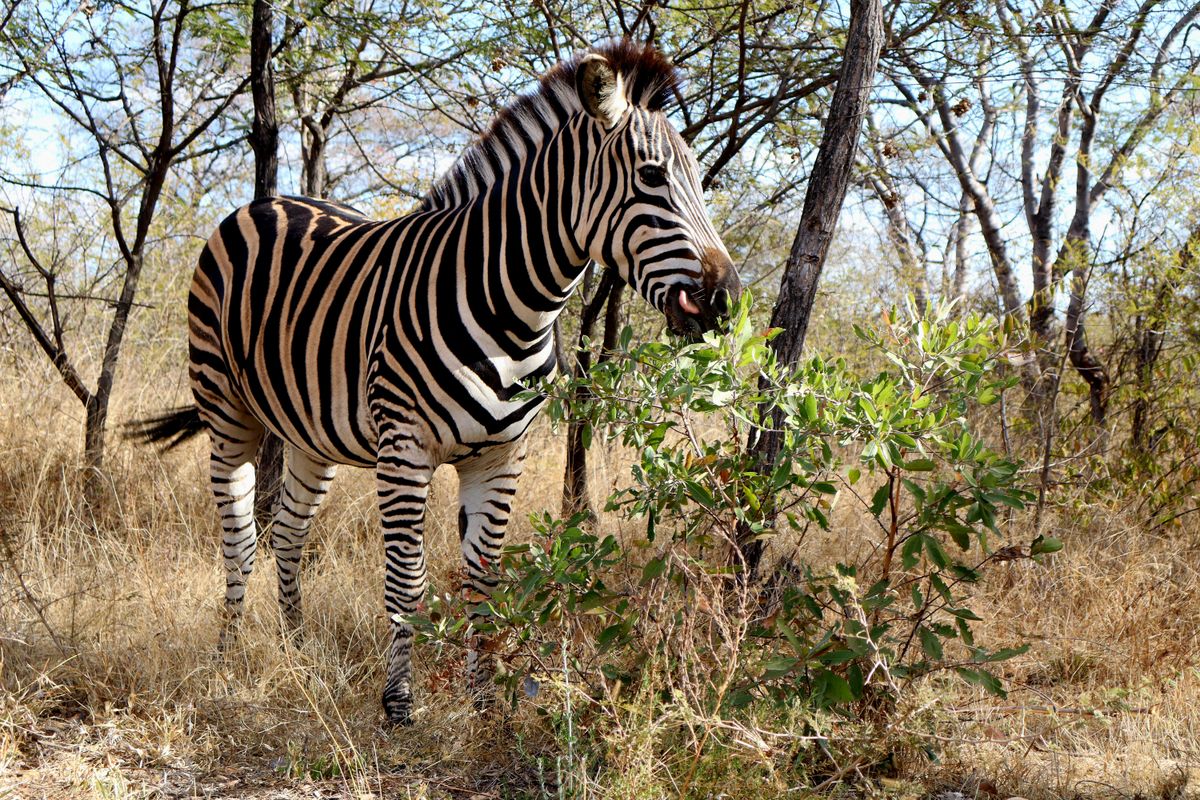
Inkwenkwezi Private Game Reserve
Malaria-free reserve near East London — Big Five, giraffe, and interactive elephant experiences.
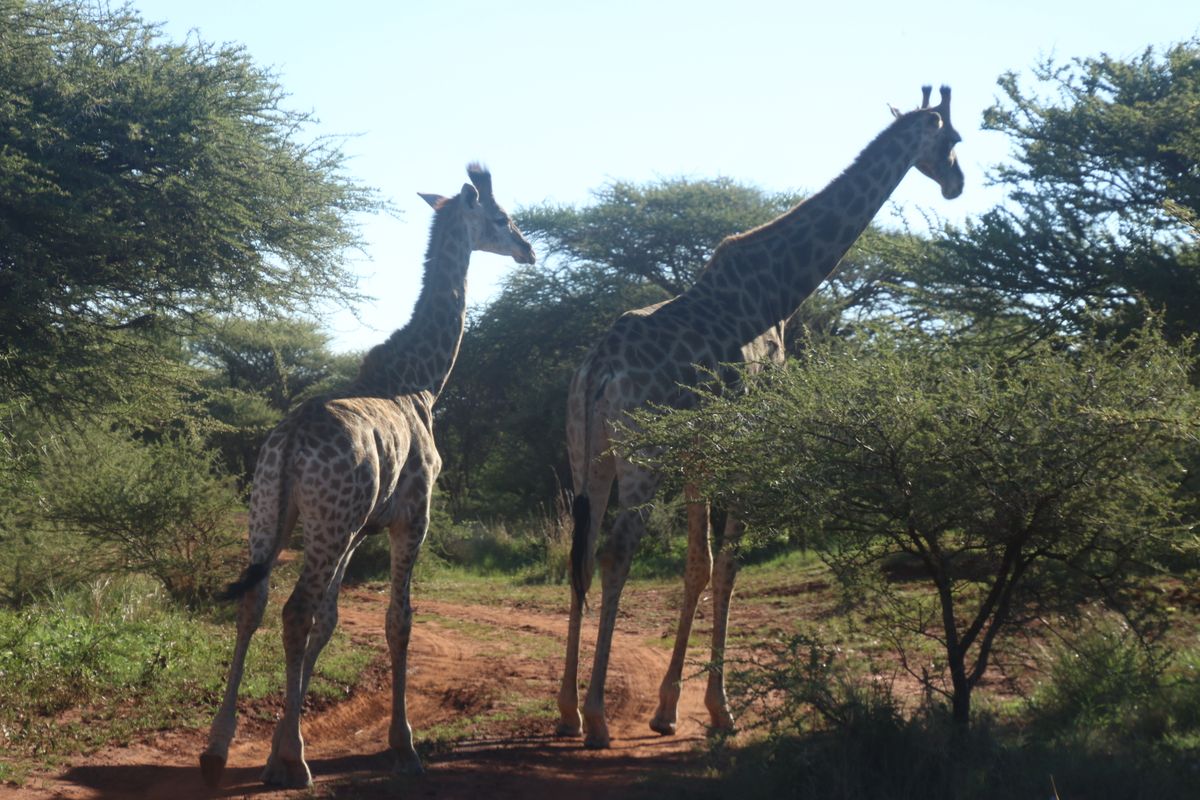
Kariega Game Reserve
Malaria-free Eastern Cape reserve on the Kariega River — Big Five plus boat cruises among wildlife.
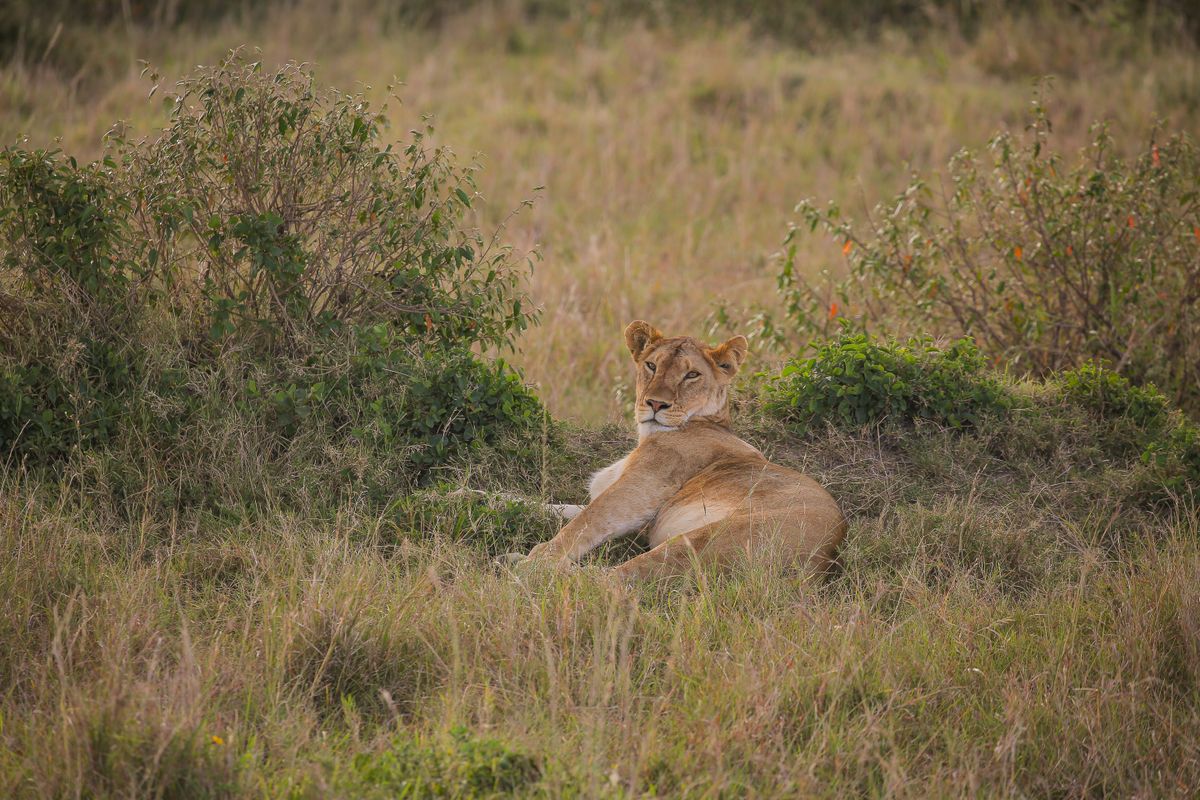
Kwandwe Game Reserve
Vast malaria-free Eastern Cape private reserve — cheetah, rhino and aardwolf across open Karoo valleys.
Lalibela Game Reserve
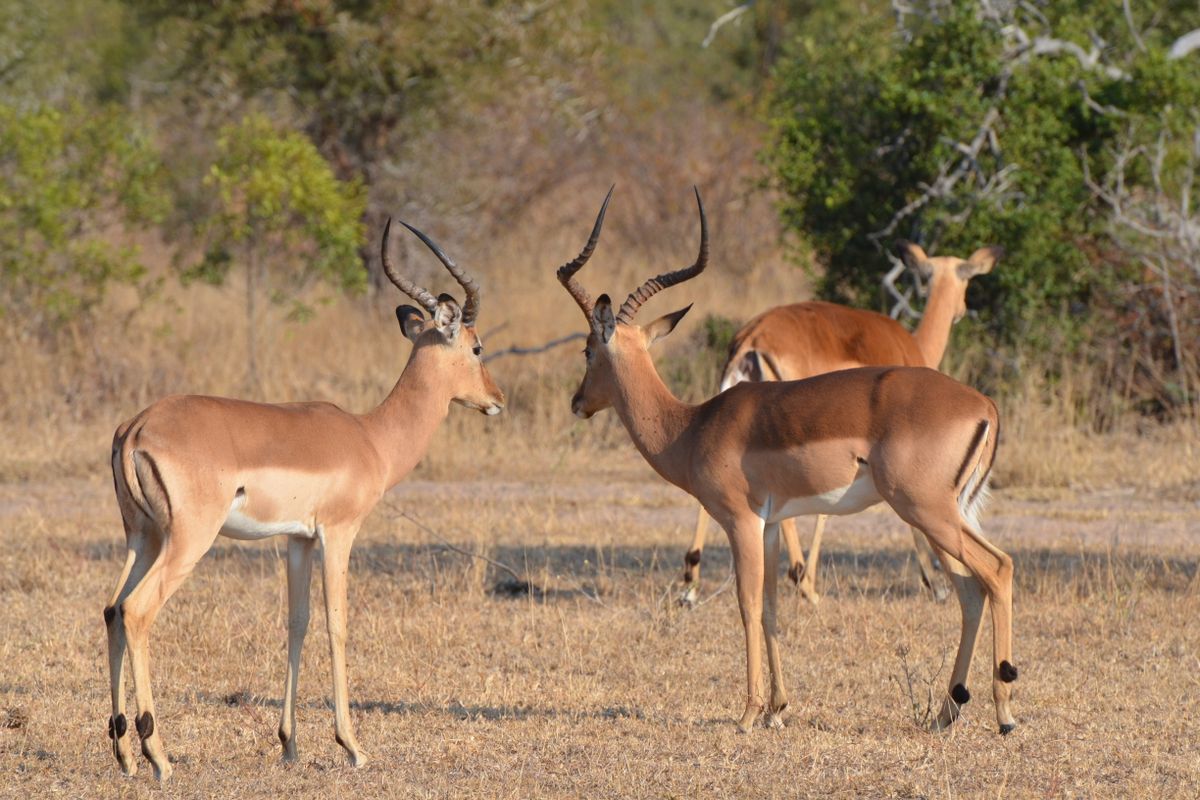
Malaria-free Big Five reserve in the Eastern Cape with a cluster of distinct lodges and strong rhino conservation.

Samara Private Game Reserve
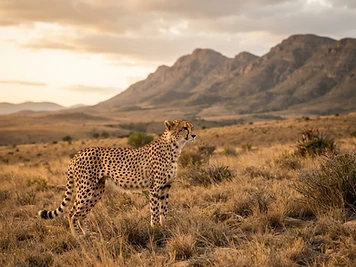
A Karoo private reserve pioneering cheetah and rhino conservation, with the rare chance to track cheetah on foot.

Shamwari Game Reserve
Premier Eastern Cape malaria-free Big Five reserve — luxury lodges and a Born Free big cat sanctuary.