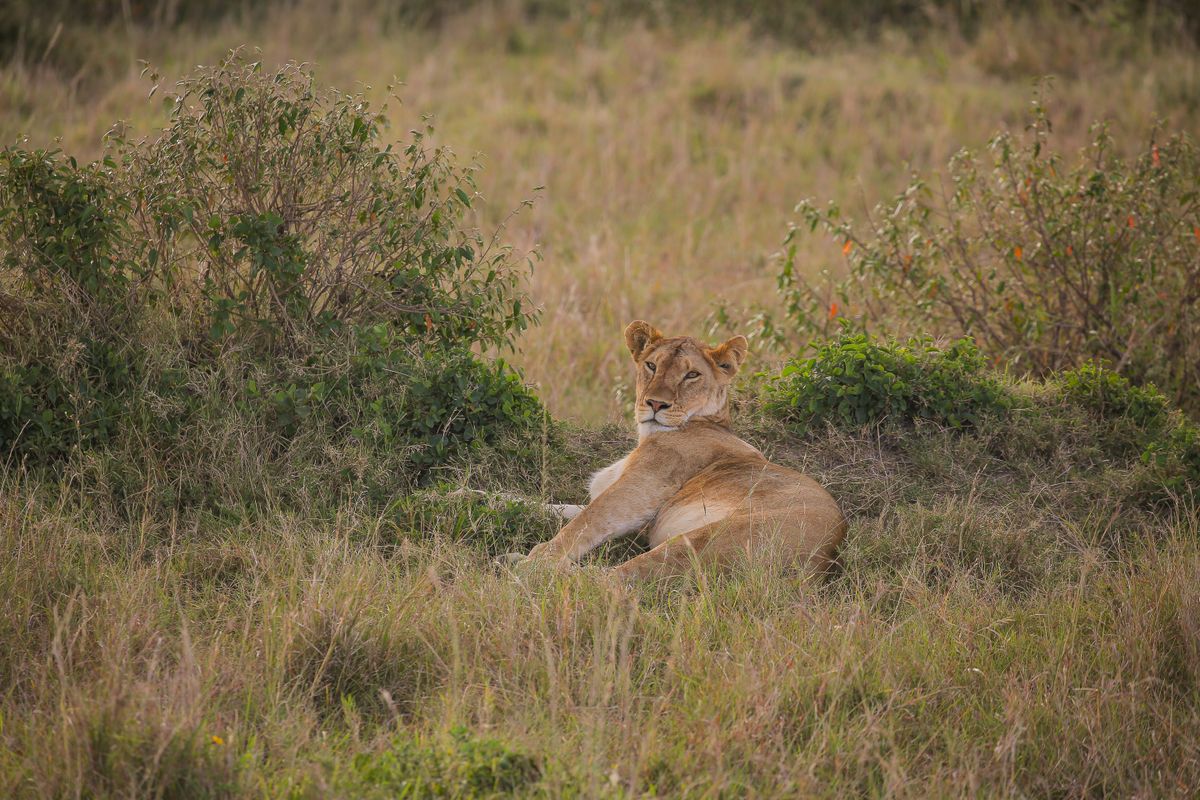
Kwandwe Game Reserve
Vast malaria-free Eastern Cape private reserve — cheetah, rhino and aardwolf across open Karoo valleys.
Trip Role
Ideal stay
Best for
Our take
The gold standard for malaria-free safaris, blending high-end hospitality with serious conservation.
The gold standard for malaria-free safaris, blending high-end hospitality with serious conservation.
- Trip Role
- Base
- Ideal Stay
- 3-4 days
- Time Needed
- 3 days
- Best For
- Malaria-free luxury and cheetah tracking
- Go If
- You are traveling with family or want a malaria-free safari that doesn't compromise on luxury or wildlife quality.
Why it's worth your time
A vast, malaria-free private reserve in the Eastern Cape known for its conservation efforts and open, sweeping valleys. It is a top-tier destination for cheetah and rhino tracking.
What we love
The sense of space and the ability to track cheetahs across the open plains.
What to know
It is located in the Eastern Cape, requiring a flight to Gqeberha (Port Elizabeth) followed by a transfer.
The full guide
What it is like
Kwandwe sits in the Eastern Cape, a landscape defined by rolling hills and vast, sweeping valleys that feel noticeably more expansive than the cramped, thorny thickets of the north. The vegetation consists of a mix of succulent karoo scrub and riverine bush, which keeps the horizons wide and the sightlines long. This is not the dense, claustrophobic bushveld that defines much of the Kruger. The light here is sharp and unrelenting, bleaching the open plains during the day before softening into long, golden shadows across the Great Fish River. Silence is the default setting until the sound of wind over the grasslands or the alarm call of a bird interrupts the stillness. The first hour of a visit involves shedding the frantic pace of travel, as the scale of the reserve becomes apparent only when you descend into the valley floor. You will notice the difference from neighbouring reserves almost immediately. The landscape feels curated but not manicured, maintaining a sense of wildness that is often lost in smaller private concessions. It is a quiet, contemplative place where the sheer amount of open space forces you to slow down. You are not searching for wildlife in a narrow lane; you are observing it across a vast, exposed theatre of earth and sky.
Wildlife, realistically
The wildlife experience here is defined by high-intensity encounters rather than constant motion. Because the terrain is open, the tracking of predators is methodical and often highly successful. Cheetah sightings are the standout feature of the reserve, and you can reasonably expect to see them moving across the plains if you spend enough time on the ground. Rhino tracking is equally reliable, as the rangers leverage the sparse vegetation to locate animals that would be invisible in thicker cover. You will see the standard Big Five regularly, though the density of leopard sightings can vary significantly depending on the season and the individual animal movements along the river courses. Some species remain genuinely difficult to find, particularly those that prefer the deeper, more sheltered valleys or the thicker brush patches that still exist in the riverine belts. Seasonal movement dictates where you find the herds; during drier periods, animals gravitate toward the water points with predictable consistency. Do not expect the constant parade of animals that some northern reserves offer, but trust that when a sighting occurs, it is usually prolonged and uninterrupted by other vehicles. The intensity of a predator kill on these open plains is a raw, jarring experience that proves this is anything but a soft or artificial environment.
How a visit works
Kwandwe operates strictly on a guided vehicle basis, which is the standard model for high-end Eastern Cape reserves. You cannot self-drive here. The day follows the rhythm of early morning wake-up calls followed by a morning game drive, a substantial break in the heat of the day, and a second drive that stretches into the evening. The gate logic is simple because the reserve is private and fenced; you arrive at the main entrance, are met by staff, and your vehicle is parked for the duration of your stay. The luxury aspect is pervasive, meaning your time is structured around meals and wildlife viewing, with little room for unplanned movement. Four days is the ideal window for a visit. One night is an exercise in frustration that leaves you exhausted by travel without the time to truly settle into the rhythm of the veld. Three or four days allow you to explore different sectors of the reserve and wait out the times when the wildlife is inactive. Because the experience is almost entirely dictated by the lodge schedules and the expertise of your tracker, you are essentially a passenger in an expertly managed conservation operation. If you try to rush it, you will miss the nuance of the terrain.
When to go
The choice of season involves a trade-off between visibility and comfort. The winter months from May to August offer the best game viewing, as the vegetation dies back and animals congregate around the remaining water sources. The days are crisp and the light is perfect for photography, though the nights can be bitterly cold. You will deal with fewer crowds during the mid-winter lull, but you will also pay for the privilege of the high-demand seasons. Spring and autumn bring milder weather but can make sightings more challenging as the bush recovers its density. Summer brings heat that can be stifling, particularly in the midday hours when the wildlife seeks cover and remains stationary. The risk of fire increases during the dry spells, though the management is well-practised in mitigation. You must balance your budget against your tolerance for discomfort; the peak periods are inevitably more expensive and require booking well in advance. If you have the flexibility, the shoulder months offer a fair compromise between the harshness of the summer sun and the bite of the winter wind. No matter when you go, realise that the Eastern Cape weather is unpredictable and can shift within hours.
Who it suits, who it does not
Kwandwe is the destination for the traveller who demands malaria-free safety without sacrificing the gravity of a true safari experience. It rewards those who value conservation ethics and high-quality guiding over the social posturing found in more commercialised areas. If you are travelling with family and want to provide a genuine encounter with predators in a secure environment, this place is essentially peerless. It is designed for those who want to spend their days in the field and their nights in a state of high-end comfort, detached from the logistics of the outside world. It frustrates the traveller who is looking for the dense, tropical bushveld aesthetic found in the Kruger or the Lowveld. If you require the romantic notion of deep, impenetrable jungle to feel that you are truly in Africa, the open, sparse plains of the Eastern Cape will feel underwhelming or even barren. If that is your specific requirement, you should skip this reserve entirely and look toward the private concessions of the Timbavati or the Sabi Sand. Kwandwe is for the person who finds beauty in the open horizon and understands that a lack of trees does not mean a lack of wildness.
More private reserve in Eastern Cape
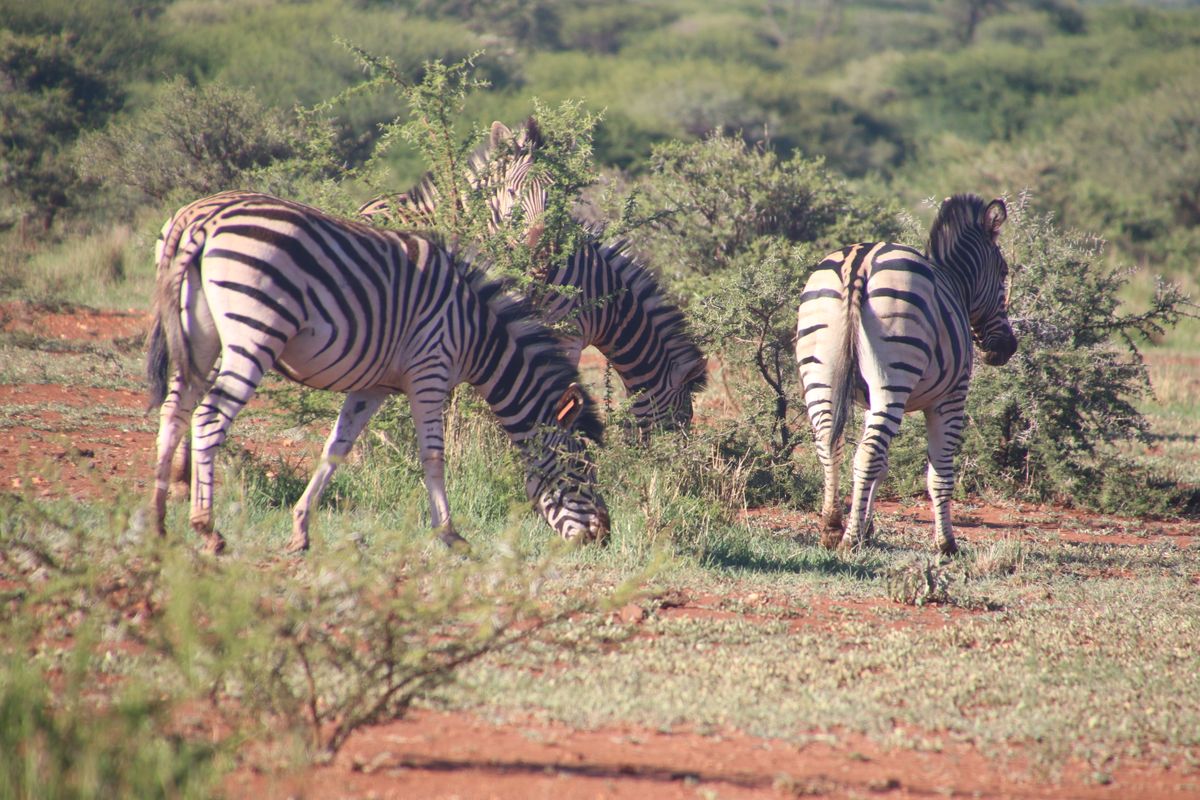
Amakhala Game Reserve
Collective of malaria-free Eastern Cape reserves near Addo — Big Five and cheetah with a range of lodge tiers.
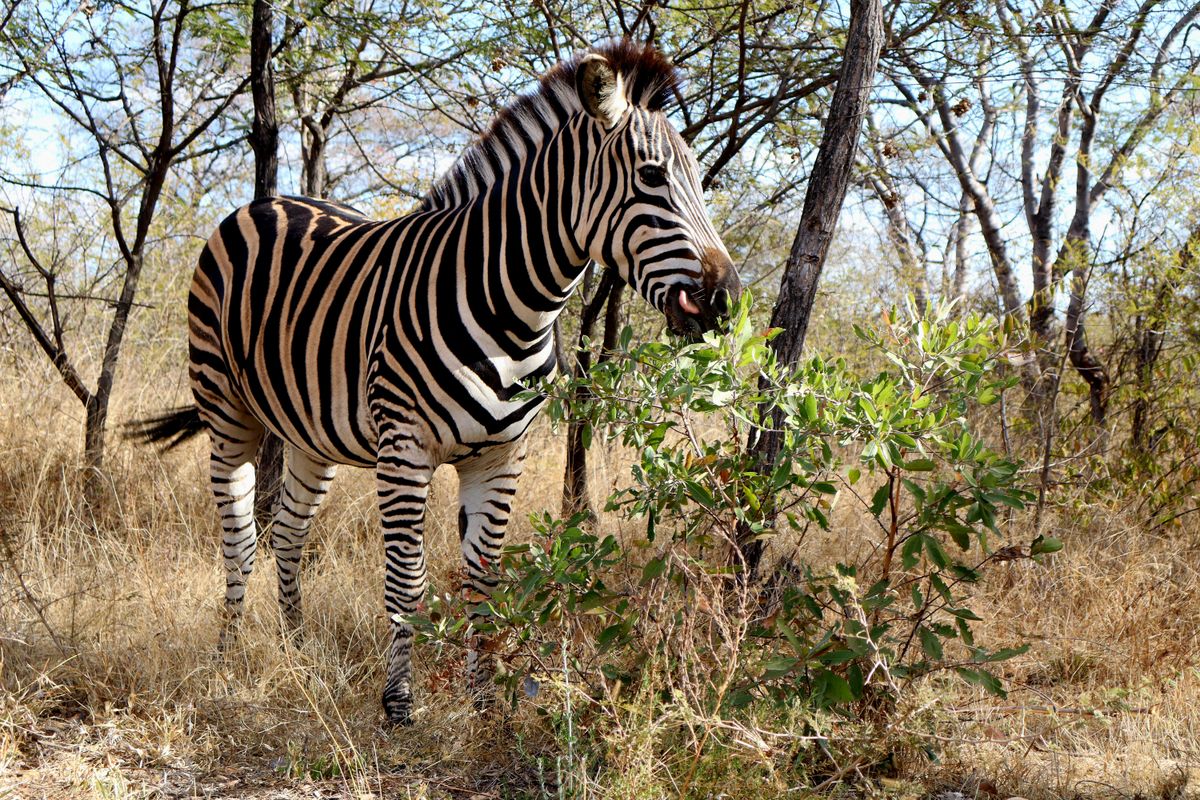
Inkwenkwezi Private Game Reserve
Malaria-free reserve near East London — Big Five, giraffe, and interactive elephant experiences.
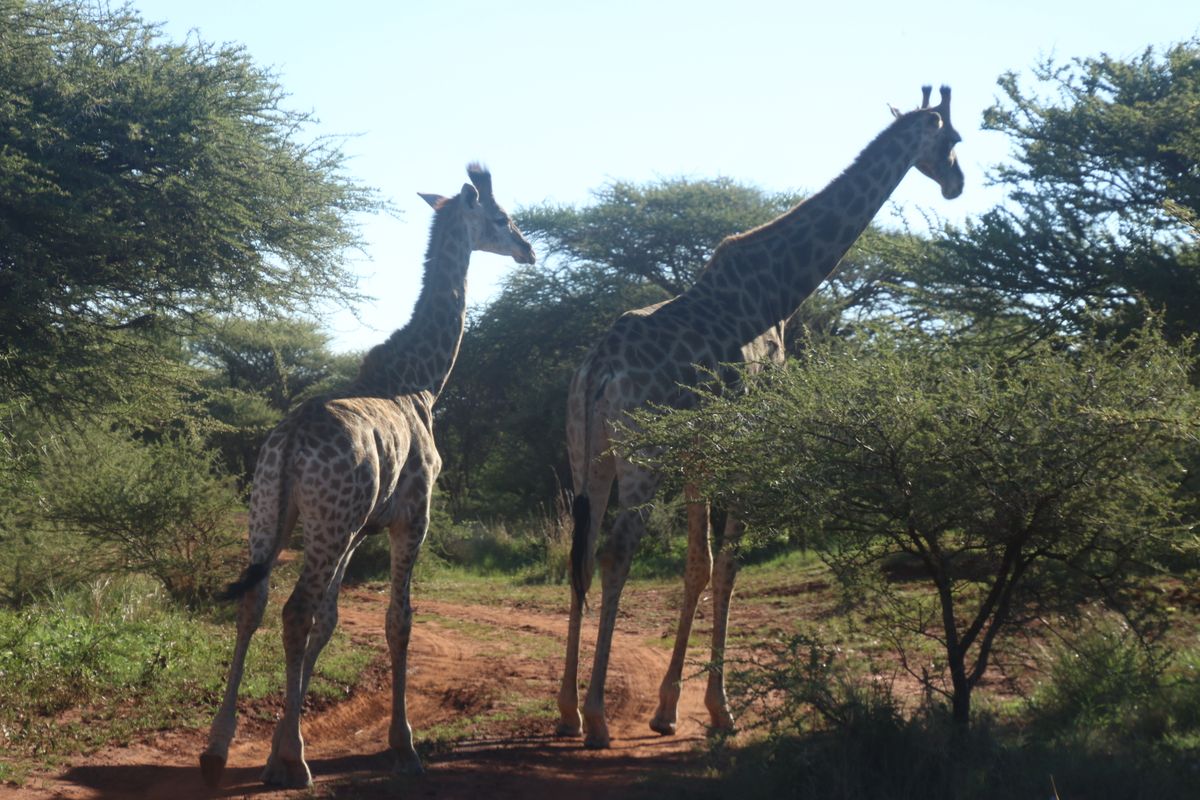
Kariega Game Reserve
Malaria-free Eastern Cape reserve on the Kariega River — Big Five plus boat cruises among wildlife.
Lalibela Game Reserve
Malaria-free Big Five reserve in the Eastern Cape with a cluster of distinct lodges and strong rhino conservation.

Samara Private Game Reserve
A Karoo private reserve pioneering cheetah and rhino conservation, with the rare chance to track cheetah on foot.

Shamwari Game Reserve
Premier Eastern Cape malaria-free Big Five reserve — luxury lodges and a Born Free big cat sanctuary.