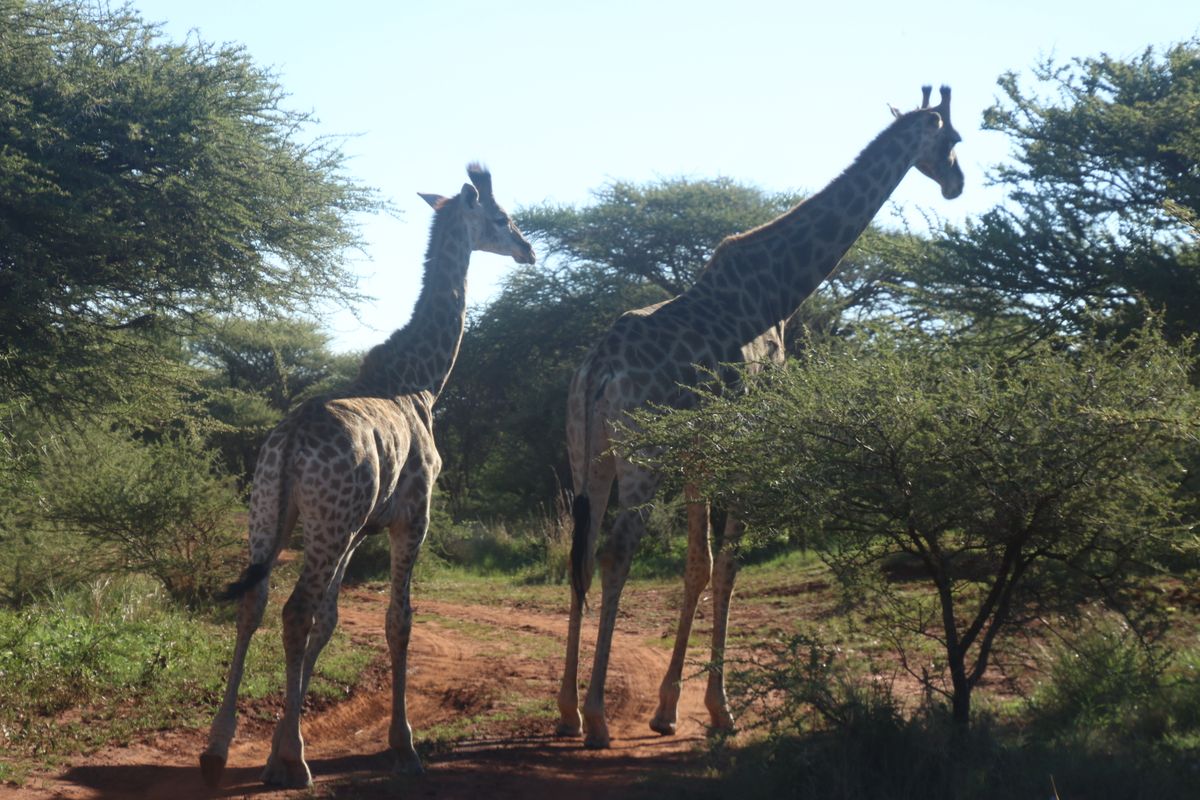
Kariega Game Reserve
Malaria-free Eastern Cape reserve on the Kariega River — Big Five plus boat cruises among wildlife.
Trip Role
Ideal stay
Best for
Our take
A versatile, family-friendly Eastern Cape staple.
A versatile, family-friendly Eastern Cape staple.
- Trip Role
- Base
- Ideal Stay
- 3 days
- Time Needed
- 2 days
- Best For
- River-based wildlife viewing.
- Go If
- You want to combine game drives with river cruises.
Why it's worth your time
Situated along the Kariega River in the Eastern Cape, this reserve offers a mix of safari and water-based activities. It is malaria-free and home to the Big Five.
What we love
The boat cruises that allow for unique perspectives of wildlife along the riverbanks.
What to know
The reserve is divided into different sections, so check which lodge you are booking.
The full guide
What it is like
The landscape at Kariega is a dense collision of thicket and riverine forest. Unlike the open savannahs typical of northern South African reserves, the geography here feels enclosed. You spend your time navigating valleys carved by the Kariega and Bushmans rivers. The light filters through heavy canopy, turning the afternoons a deep gold that hides as much as it reveals. The soundscape is dominated by the constant movement of water and the dense rustle of scrub, rather than the expansive silence found in the Kalahari.
The first hour feels claustrophobic to anyone expecting wide-open horizons. The bush is thick and unforgiving, pushing against the tracks. You realise quickly that this is not a place for scanning endless plains. It is a reserve defined by its riparian edges, where the elevation changes feel more pronounced than the flat stretches. It lacks the stark, arid isolation of the Karoo. Instead, it feels lush, humid, and intensely verdant, creating a sense of intimacy that forces you to focus on the immediate vicinity rather than the distant horizon.
Wildlife, realistically
You will see the big five here if you stay long enough, but the density of the brush makes for challenging viewing. Sightings concentrate heavily along the riverbanks, where the animals come to drink or escape the midday heat. The river cruises are the real advantage here, offering a vantage point that keeps the wildlife relatively unbothered by the presence of a vehicle. Predators like lions are present, but spotting them requires patience and the keen eye of an experienced tracker who knows how to read the patterns in the thicket.
Leopards and rhinos are the hardest to find, as they use the dense cover to their advantage. You should not expect the easy, high-volume sightings of the Kruger National Park. The animals are habituated, but the terrain ensures they maintain their own terms. Seasonal movement is less about mass migration and more about a shift toward the water as the weather warms. Do not be surprised if hours pass with little movement, followed by a sudden cluster of activity near the river once the shadows lengthen.
How a visit works
The reserve is strictly a guided experience. You leave the self-drive ambition at the gate, as the lodge-based model dictates your entire schedule. Your day follows the rhythm of early morning starts and late afternoon drives, with the essential mid-day river cruise slotted in between. The lodge you choose dictates your experience, as the reserve is physically divided into different sections. Each lodge feels like its own distinct entity, and you rarely cross paths with guests staying in different areas of the property.
Three days is the absolute minimum to get a feel for the rhythm of the reserve. Anything less makes the trip feel like a hurried transit. The pace is designed for families and those who want the logistics handled with precision. There is little room for spontaneous changes once you arrive. You are effectively committed to the programme provided by your lodge, which allows for a high degree of comfort but removes any sense of autonomy over how you traverse the land.
When to go
The trade-offs between seasons are clear. Winter offers the best game viewing because the vegetation dies back and the animals congregate around water sources, making them far easier to track. The mornings are cold and crisp, but the visibility is superior. Summer brings stifling heat and dense green cover, which makes searching for game a frustrating exercise in looking at leaves. However, summer is the time to be on the river, where the breeze off the water makes the high temperatures tolerable.
Crowds are largely dictated by school holidays, which spike prices and occupancy levels. If you want a quiet experience, avoid the peak festive periods. Rain is unpredictable in the Eastern Cape, but it rarely ruins a trip. Fire is a genuine concern during the dry season, and you may find certain areas cordoned off for management reasons. It is a calculated compromise; you choose between the ease of spotting animals in the brown, dry months or the aesthetic beauty of the river in the lush, crowded summer.
Who it suits, who it does not
This reserve rewards the family traveller who values convenience and variety. If you want to put your children in a safari environment that feels managed and secure, this is an excellent choice. It works for those who find traditional game drives repetitive and enjoy the novelty of moving from a Land Rover to a boat. The lack of malaria is a massive practical benefit for those who are anxious about health logistics in more remote parts of the country.
It frustrates the purist who craves a sense of vast, uninterrupted wilderness. If you are looking for the feeling of being miles from civilisation or the challenge of self-navigation, you will find this place too sanitised and restrictive. The constant presence of other guests and the structured nature of the lodge operations can feel stifling to the seasoned traveller. If you are looking for raw, expansive bushveld, you are better off looking further north, as the river-based focus here serves a very specific, and occasionally limiting, type of safari ambition.
Pair it with

More private reserve in Eastern Cape
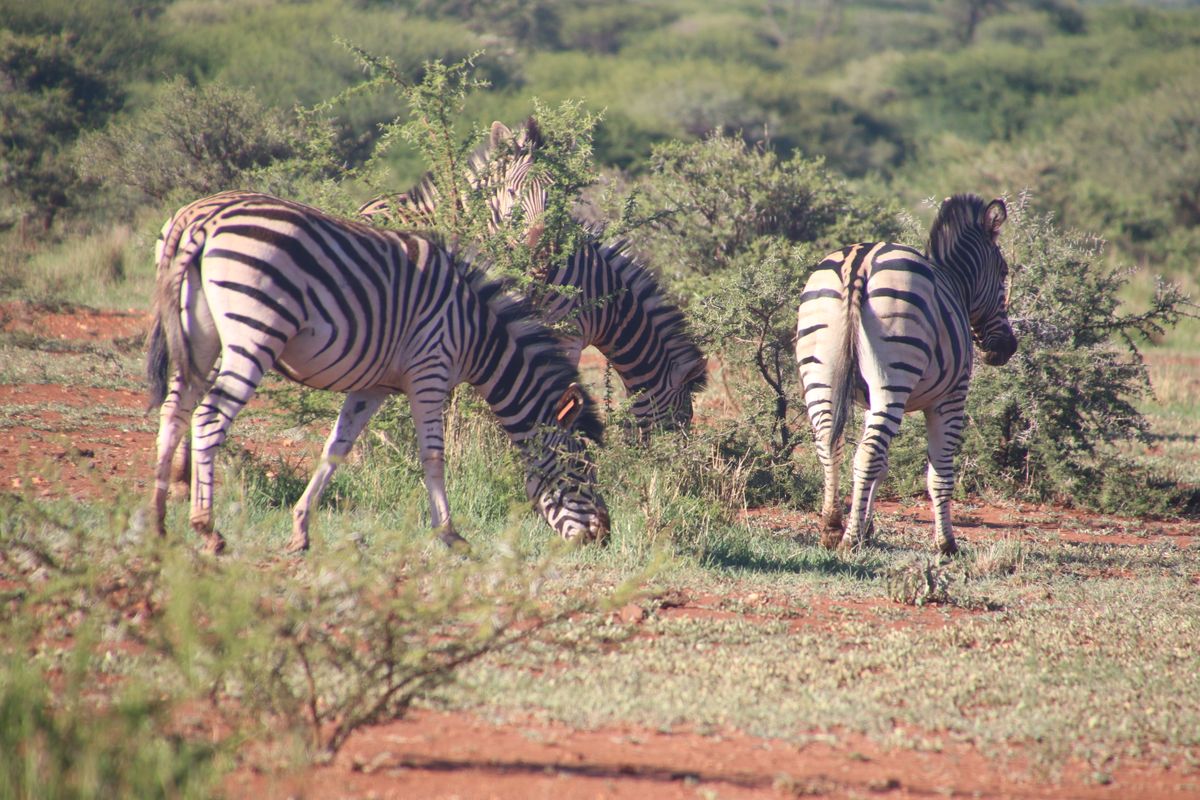
Amakhala Game Reserve
Collective of malaria-free Eastern Cape reserves near Addo — Big Five and cheetah with a range of lodge tiers.
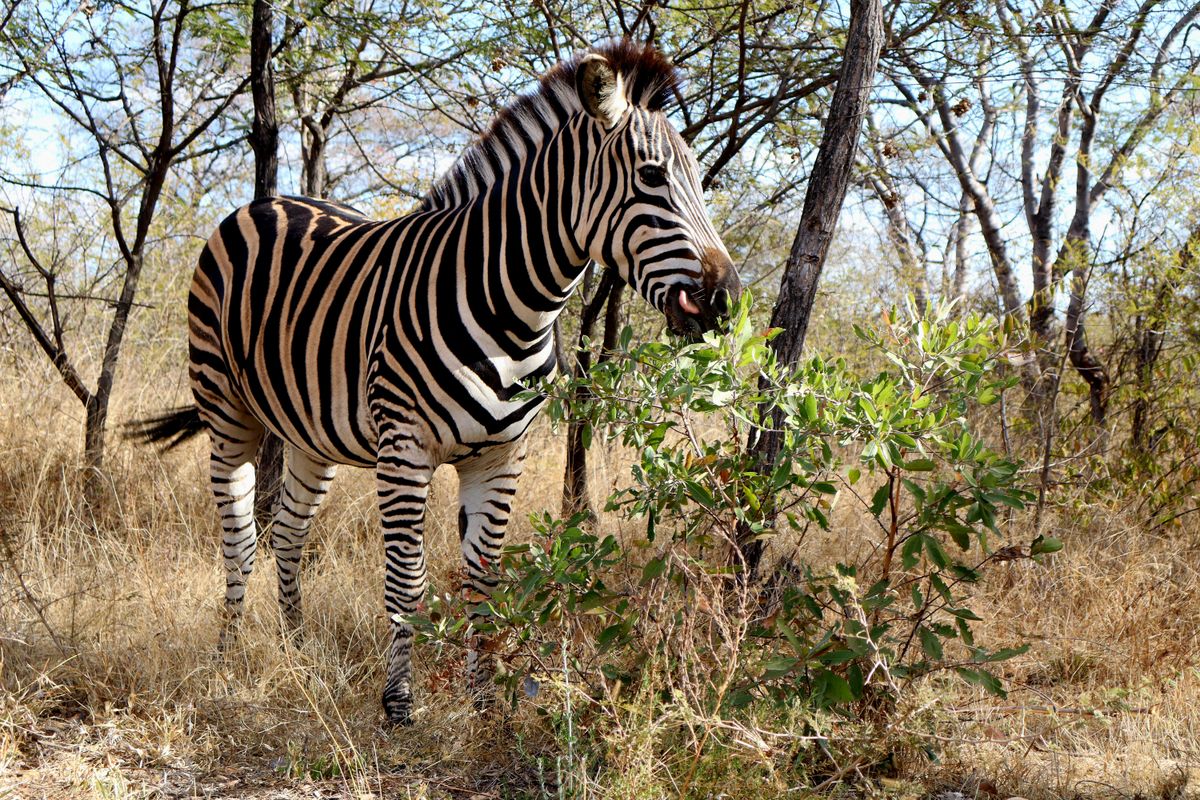
Inkwenkwezi Private Game Reserve
Malaria-free reserve near East London — Big Five, giraffe, and interactive elephant experiences.
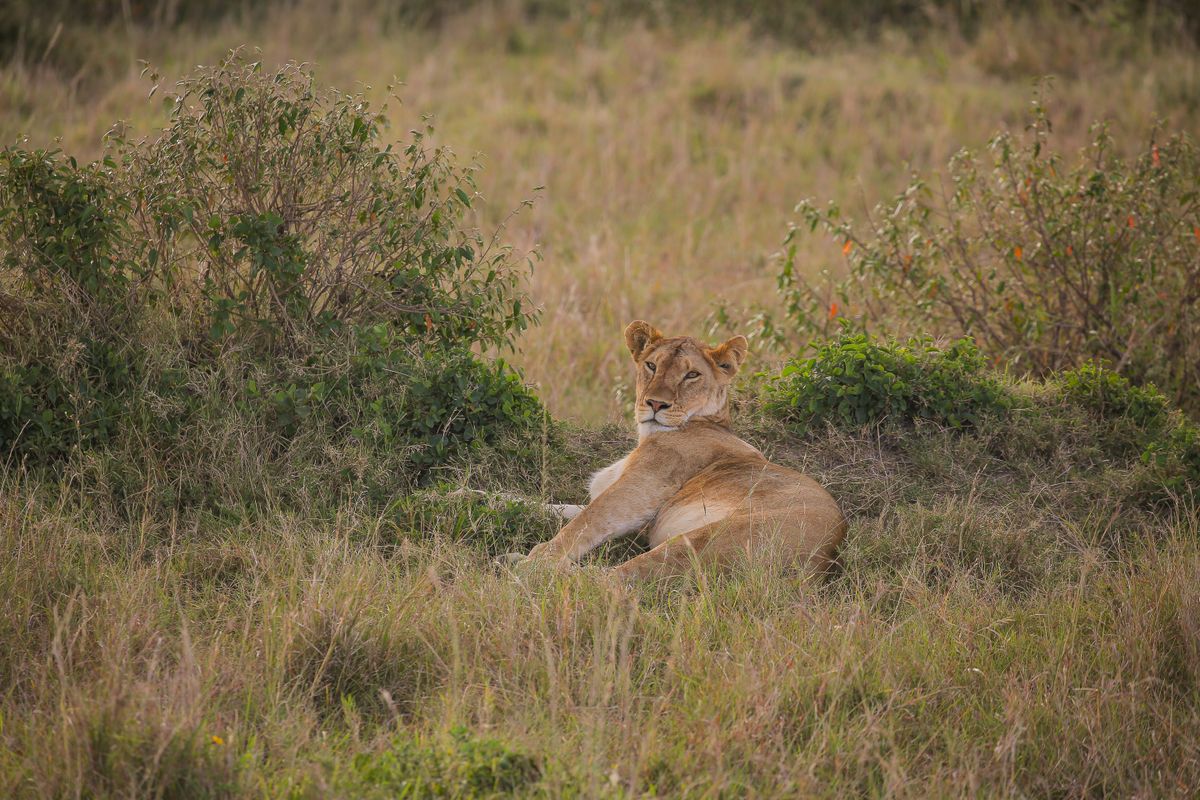
Kwandwe Game Reserve
Vast malaria-free Eastern Cape private reserve — cheetah, rhino and aardwolf across open Karoo valleys.
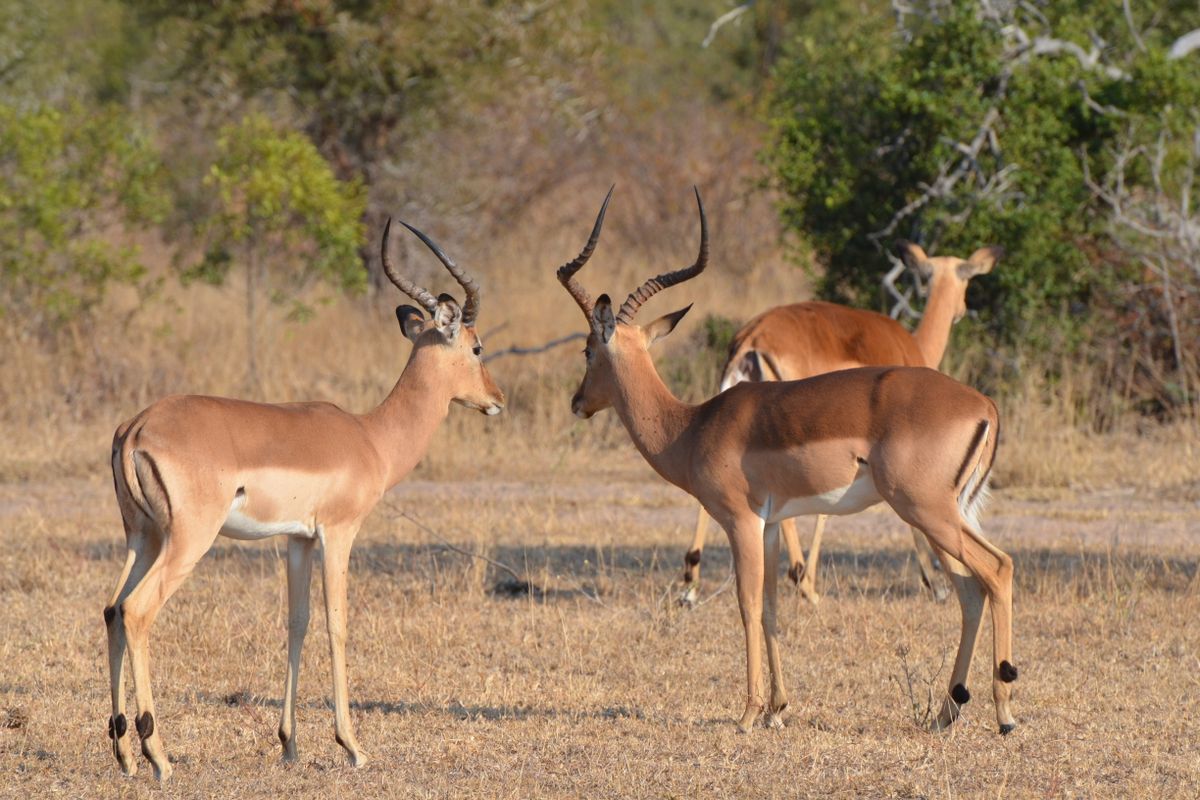
Lalibela Game Reserve
Malaria-free Big Five reserve in the Eastern Cape with a cluster of distinct lodges and strong rhino conservation.

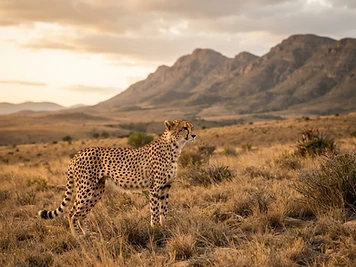
Samara Private Game Reserve
A Karoo private reserve pioneering cheetah and rhino conservation, with the rare chance to track cheetah on foot.

Shamwari Game Reserve
Premier Eastern Cape malaria-free Big Five reserve — luxury lodges and a Born Free big cat sanctuary.