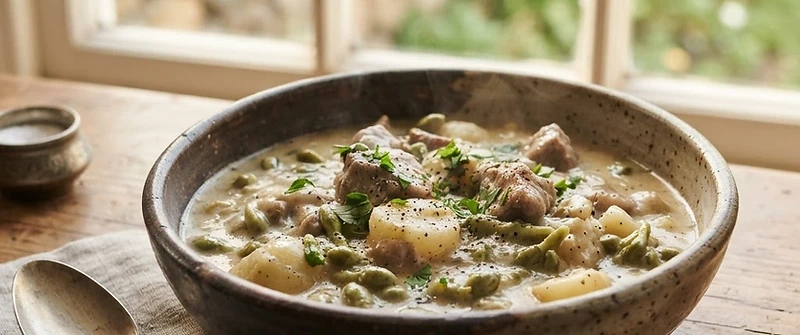
Waterblommetjie Bredie
A Cape stew of lamb and waterblommetjies (pond flowers) — a seasonal, locally-sourced winter dish.
Ideal stay
Best for
Our take
This is a quintessential Cape winter comfort food, offering an earthy, mineral depth that defines the season. It is a rustic, slow-cooked masterpiece that rewards those who seek out authentic, hyper-local ingredients during the cold months.
This is a quintessential Cape winter comfort food, offering an earthy, mineral depth that defines the season. It is a rustic, slow-cooked masterpiece that rewards those who seek out authentic, hyper-local ingredients during the cold months.
- Ideal Stay
- 90 minutes to two hours, plus the drive
- Best For
- seasonal winter dining, authentic Cape cuisine, slow-cooked lamb, local winelands culture
- Skip If
- vegetarians, summer travellers, those seeking quick or light meals
- Go If
- You are travelling through the Western Cape winelands between June and September and want to eat exactly what the locals are eating to warm up after a rainy day in the Boland.
Why it's worth your time
A seasonal Cape winter stew of lamb and waterblommetjies — the small water-lily buds that grow in Western Cape wetlands and vleis. It's an old Cape dish, harvested by farmers from their own ponds, and it only appears in the cold months when the flowers are in season. The flavour is earthy and slightly mineral, nothing like a vegetable you'd know. Order it at a Winelands restaurant in winter — Boschendal, Babylonstoren, or any Franschhoek kitchen that lists it — and only in season.
What we love
The unique flavour profile of the waterblommetjie itself is unmatched. It provides an earthy, slightly mineral taste that sits somewhere between green beans and artichoke hearts. When slow-cooked with fatty lamb, the buds absorb the rich juices, creating a complex, savoury harmony that feels deeply connected to the local landscape.
What to know
This dish is strictly seasonal, typically appearing on menus from June to October. If you see it outside these months, it is likely frozen or substituted with green beans, which lacks the authentic character. Always check with your server if the waterblommetjies are fresh. The dish is best served with plain white rice to soak up the gravy.
The full guide
The Nature of the Dish
Waterblommetjie bredie is a traditional Western Cape stew made from lamb and the edible buds of the Aponogeton distachyos, a water plant that thrives in local dams and vleis. The name translates to small water flower stew, but do not expect a floral or sweet experience. The buds have a distinct, earthy, and slightly mineral flavour that is best described as a cross between artichoke and green beans. The dish relies on the slow rendering of lamb fat, usually from the neck, shoulder, or rib, to create a rich, thick gravy. It is a hearty, unpretentious meal that has been a staple of Cape cooking for centuries, originally taught to settlers by the indigenous Khoi people who understood the value of these pond-grown delicacies.
Setting and Service
You will find this dish served in the winelands of the Boland and surrounding areas, particularly in restaurants that focus on traditional Cape cuisine. It is a winter dish, meant to be eaten in a warm, indoor setting while the weather is wet and cold outside. The stew is almost always served with a generous portion of white rice, which is essential for balancing the richness of the lamb and the slight acidity often added to the pot. A glass of local red wine is the standard accompaniment, as the tannins cut through the fat of the meat. The setting should be relaxed and unhurried, as this is food that demands time to be prepared and time to be enjoyed.
Meeting the Dish
When you are in the Western Cape during the winter, look for the dish on the chalkboard menus of farm kitchens and established restaurants in towns like Franschhoek, Paarl, or Stellenbosch. If a restaurant lists it, ask if the waterblommetjies are fresh. If they are not in season, some kitchens will use green beans as a substitute, which is a different experience entirely. When ordering, be prepared for a dish that is soft in texture; the buds are meant to be tender, not crisp. Avoid places that serve it as a quick-fix meal, as a proper bredie needs to simmer for hours to allow the flavours to meld. If you are cooking it yourself, remember that the dish is often even better the following day.
Before you book
Questions Waterblommetjie Bredie always raises
- What does a waterblommetjie taste like?
- It tastes like a cross between a green bean and an artichoke heart. It has an earthy, slightly mineral flavour that is not floral or sweet. When cooked in a stew, it absorbs the rich, fatty juices of the lamb, becoming soft and savoury.
- Can I eat this dish in summer?
- No, you should not expect to find authentic fresh waterblommetjie bredie in summer. The plant is strictly seasonal, growing in the cold, wet winter months. If you see it on a menu in summer, it is likely made with frozen buds or green bean substitutes.
- How do I pronounce waterblommetjie?
- It is pronounced vaa-ter-blom-ma-kiss. The tjies suffix is a diminutive in Afrikaans, and it is pronounced with a soft, clicking sound similar to the word kiss. It translates literally to little water flower.
- Is the dish very expensive?
- The price varies by restaurant and the availability of the harvest. Because the buds must be hand-picked from ponds and carefully cleaned to remove mud and grit, it is considered a delicacy. Expect to pay a premium for it compared to standard stews.
More dish in Western Cape

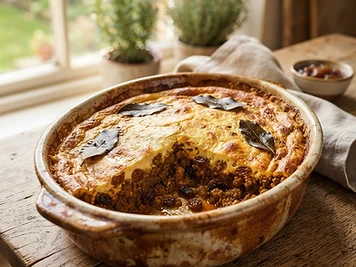
Bobotie
Cape Malay spiced minced meat baked with a savoury egg-custard top — South Africa's most famous home dish.


Gatsby
A long Cape Town submarine sandwich — a full loaf loaded with curry-slathered chips, meat and salad.

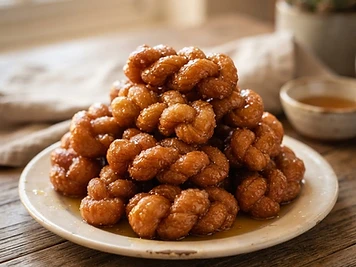
Koeksister
A plaited or ball-shaped doughnut, fried and drenched in syrup — two versions: the Cape Malay spiced ball and the Afrikaner plaited crisp.

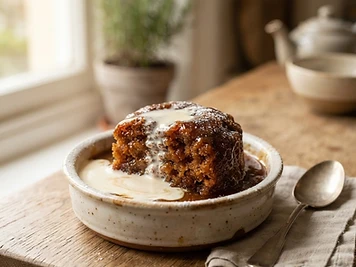
Malva Pudding
A baked, sticky sponge of apricot jam and butter, served hot with custard — the Cape's national dessert.

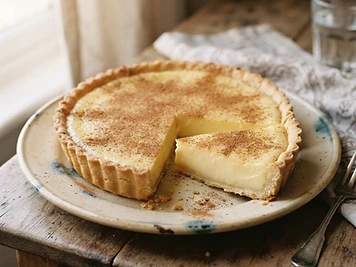
Melktert (Milk Tart)
A Cape custard tart dusted with cinnamon — soft, barely sweet, and the country's most-baked tart.

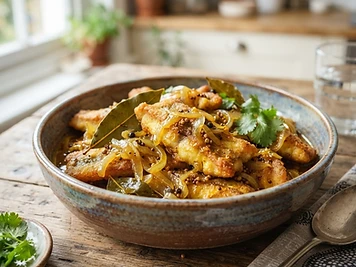
Pickled Fish
A Cape spiced pickled fish — snoek or hake in a turmeric-onion vinegar — the Easter dish of the Cape.