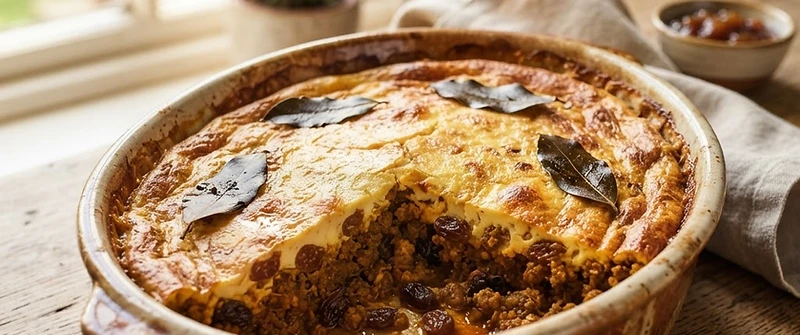
Bobotie
Cape Malay spiced minced meat baked with a savoury egg-custard top — South Africa's most famous home dish.
Ideal stay
Best for
Our take
Bobotie is a complex, aromatic bake of spiced mince and egg custard that defines the Cape Malay culinary tradition. It is a deeply comforting, sweet-and-savoury staple that rewards those who seek out authentic, home-style preparation.
Bobotie is a complex, aromatic bake of spiced mince and egg custard that defines the Cape Malay culinary tradition. It is a deeply comforting, sweet-and-savoury staple that rewards those who seek out authentic, home-style preparation.
- Ideal Stay
- 60 to 90 minutes for a sit-down meal.
- Best For
- a taste of Cape history, comfort food, authentic local flavours
- Skip If
- those who dislike sweet and savoury combinations, picky eaters
- Go If
- You are a traveller interested in the historical fusion of Cape Malay and Dutch kitchens. It suits those who appreciate slow-cooked, fragrant comfort food that balances spice with fruit and a rich, set custard.
Why it's worth your time
Bobotie is the signature dish of the Cape Malay community — descendants of enslaved people brought from Southeast Asia by the Dutch in the 17th century. It descends from Indonesian bobotok, adapted with local spices and that savoury egg-custard topping. The sweet-spiced mince under golden custard is the country's most-cited home dish. For the real thing, eat it in Cape Town's Bo-Kaap at Bo-Kaap Kombuis, where the view of Table Mountain comes free with the plate.
What we love
The interplay between the aromatic, spiced mince and the golden egg custard topping is what makes this dish. When prepared correctly, the custard seeps slightly into the meat, creating a cohesive, moist texture that elevates it far beyond a standard meatloaf or cottage pie.
What to know
Bobotie is not a single, fixed recipe. You will find variations in spice levels, the inclusion of almonds or sultanas, and the texture of the custard. It is traditionally served with yellow rice, which is rice cooked with turmeric, and various sambals like chutney, sliced banana, or coconut. Always remove the bay leaves before eating, as they are used for infusion only.
The full guide
The flavour profile
Bobotie is a baked casserole of minced meat, typically beef or lamb, infused with a complex blend of spices including curry powder, turmeric, ginger, and cinnamon. The meat is often mixed with bread soaked in milk to ensure a tender consistency, and frequently includes sultanas or dried fruit to provide a subtle sweetness that contrasts with the savoury spices. The entire mixture is topped with a layer of egg and milk custard, which is baked until set and golden. The result should be a fragrant, moist dish where the sweetness of the fruit and the warmth of the spices are balanced by the richness of the custard. It is a dish of layers, where the aromatic meat and the delicate, set topping should taste like a single, harmonious creation rather than two separate components.
Serving and sides
The dish is almost always served with yellow rice, which is long-grain rice boiled with turmeric and sometimes cinnamon sticks or cardamom pods to give it a vibrant colour and mild fragrance. To complete the meal, it is standard to serve a variety of sambals on the side. These are essential for adding texture and acidity to the plate. Common accompaniments include mango chutney, sliced bananas, desiccated coconut, and a fresh tomato and onion salad. These sides allow the diner to customise each bite, balancing the richness of the meat with the sharp, sweet, or cooling elements of the garnishes. A robust red wine, such as a local Cabernet Sauvignon, is often recommended to stand up to the aromatic spices and the gaminess of the meat.
Finding the real thing
To experience bobotie properly, look for establishments that specialise in Cape Malay cuisine, particularly in the Bo-Kaap neighbourhood of Cape Town. While many restaurants across the country feature it on their menus, the quality varies significantly. Avoid places that serve a dry, overcooked version where the custard has separated from the meat. A good bobotie should be moist and flavourful. If you are travelling along the Garden Route or through the Western Cape, ask locals for their recommendations, as the best versions are often found in smaller, family-run kitchens that have been refining their recipes for generations. When ordering, do not be afraid to ask if the dish is made with traditional spices, as this is the hallmark of an authentic preparation that respects the dish's complex history.
Before you book
Questions Bobotie always raises
- Is bobotie spicy?
- It is aromatic rather than hot. The dish uses a blend of spices like curry powder, turmeric, and cinnamon, which provide depth and fragrance. While it is flavourful, it is generally not prepared to be aggressively spicy or hot, making it accessible to most palates.
- Can I find a vegetarian version?
- Yes, some kitchens offer versions made with lentils or other plant-based proteins instead of minced meat. These versions aim to replicate the same spiced, sweet-and-savoury profile and are usually served with the same traditional yellow rice and sambals as the meat-based original.
- What is the best way to eat it?
- The best way to eat bobotie is to ensure you get a bit of the custard topping, the spiced meat, and the yellow rice in every forkful. Add a small amount of chutney and a slice of banana to each bite to balance the savoury spices with the sweetness.
- Why are there bay leaves on top?
- The bay leaves are placed on top of the custard before baking to infuse the dish with a subtle, herbal aroma. They are not meant to be eaten, so you should set them aside on the side of your plate before you begin your meal.
More dish in Western Cape


Gatsby
A long Cape Town submarine sandwich — a full loaf loaded with curry-slathered chips, meat and salad.

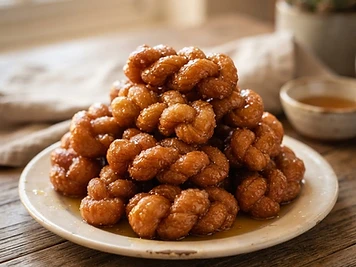
Koeksister
A plaited or ball-shaped doughnut, fried and drenched in syrup — two versions: the Cape Malay spiced ball and the Afrikaner plaited crisp.

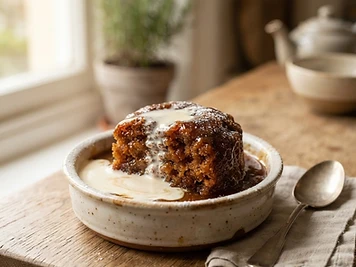
Malva Pudding
A baked, sticky sponge of apricot jam and butter, served hot with custard — the Cape's national dessert.

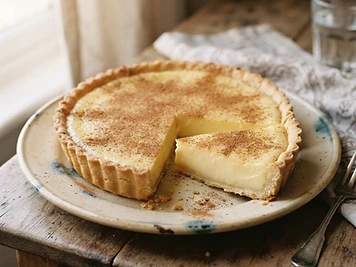
Melktert (Milk Tart)
A Cape custard tart dusted with cinnamon — soft, barely sweet, and the country's most-baked tart.

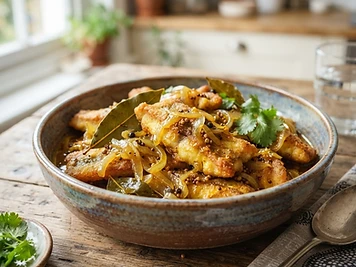
Pickled Fish
A Cape spiced pickled fish — snoek or hake in a turmeric-onion vinegar — the Easter dish of the Cape.

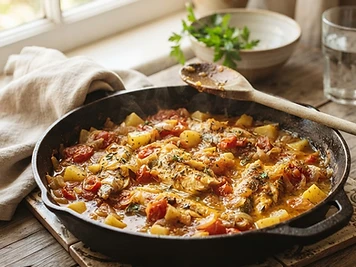
Smoorsnoek
A stew of smoked snoek (a local fish) with potato, tomato and onion — a Cape West Coast classic.