Koeksister
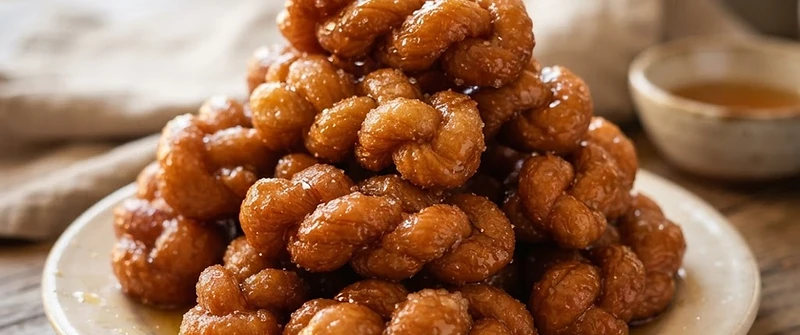
A plaited or ball-shaped doughnut, fried and drenched in syrup — two versions: the Cape Malay spiced ball and the Afrikaner plaited crisp.
Ideal stay
Best for
Our take
This is a tale of two distinct pastries sharing a name. Whether you choose the brittle, syrupy Afrikaner plait or the spiced, coconut-dusted Cape Malay ball, you are eating a foundational piece of South African culinary history.
This is a tale of two distinct pastries sharing a name. Whether you choose the brittle, syrupy Afrikaner plait or the spiced, coconut-dusted Cape Malay ball, you are eating a foundational piece of South African culinary history.
- Ideal Stay
- 15 to 30 minutes per stop
- Best For
- a morning sugar rush, understanding local history, authentic street food
- Skip If
- those avoiding gluten or sugar, people who dislike sticky fingers
- Go If
- You are a traveller who prioritises local food culture over convenience. You should seek these out if you enjoy sweet, sticky treats and want to understand the divide between Cape Dutch and Cape Malay traditions.
Why it's worth your time
Two dishes share the name. The Cape Malay version — round, syrup-drenched, spiced — comes from the enslaved cooks who brought Indonesian doughnut traditions to the Cape. The Afrikaner version — a plaited, brittle crisp — is the farm-gate parallel. Both are weekend-morning food, sticky enough to need a napkin. Find the Malay one in Bo-Kaap bakeries and the Afrikaner one at farm stalls and church bazaars.
What we love
The contrast between the two versions is fascinating. The Afrikaner koeksister offers a sharp, glass-like crunch that shatters into cold syrup, while the Cape Malay koesister provides a warm, aromatic, cake-like crumb that feels like a comforting, spiced hug on a Sunday morning.
What to know
The spelling matters. If you see koeksister, expect a plaited, crunchy, syrup-drenched doughnut. If you see koesister, expect a spiced, oval-shaped ball rolled in coconut. The former is a farm-stall staple found across the country, while the latter is a specific, warm, Sunday-morning ritual in Cape Town's Bo-Kaap neighbourhood. Do not expect to find them in the same shop.
The full guide
The Afrikaner Plait
The Afrikaner koeksister is a feat of engineering. It is a plaited dough, deep-fried until it achieves a rigid, golden crust, and then immediately plunged into ice-cold syrup. This thermal shock is the secret to its success, as it forces the syrup deep into the centre while keeping the exterior brittle and crisp. You will find these at farm stalls, church bazaars, and supermarkets throughout the country. They are best eaten cold, often straight from the fridge, and they pair perfectly with a strong, bitter cup of black coffee to cut through the intense sweetness. If you find one that is soft or soggy, it has been sitting out too long. Look for the ones that shatter when you bite into them, as that is the hallmark of a properly made specimen.
The Cape Malay Koesister
The Cape Malay koesister is a different animal entirely. It is a spiced, oval-shaped doughnut, flavoured with a complex blend of cinnamon, ginger, cardamom, aniseed, and sometimes dried tangerine skin. After frying, it is dipped in syrup and generously rolled in desiccated coconut. These are soft, cake-like, and aromatic. In Cape Town, particularly in the Bo-Kaap, they are a Sunday-morning institution. You buy them by the bag, ideally while they are still warm from the kitchen. They are not meant to be stored for days; they are meant to be eaten immediately, often while walking through the neighbourhood or sitting on a stoep with a cup of milky tea. If you are in Cape Town on a weekend, this is the version you must prioritise.
Meeting the Dish
When you are out in the field, your location dictates your experience. If you are driving through the rural Western Cape or the interior, stop at farm stalls for the plaited Afrikaner version. If you are in Cape Town, head to the Bo-Kaap on a Sunday morning to find the spiced koesister. Avoid the mass-produced, pre-packaged versions in large chain supermarkets if you want to taste the real thing. Always carry napkins, as both versions are aggressively sticky. If you are ordering, be specific about which one you want to avoid confusion. If you are unsure, ask the vendor if they are selling the plaited or the spiced version. This simple question shows you know the difference and ensures you get the specific experience you are looking for.
Before you book
Questions Koeksister always raises
- Are koeksisters and koesisters the same thing?
- No. They are two different pastries. The koeksister is a crunchy, plaited, syrup-soaked Afrikaner doughnut. The koesister is a soft, spiced, coconut-dusted Cape Malay ball. They have different origins, textures, and flavours, and they are rarely sold in the same place.
- How do I eat them without making a mess?
- You generally cannot. Both versions are heavily coated in syrup and are inherently sticky. The best approach is to embrace the mess, keep a stack of napkins handy, and eat them quickly while they are fresh. They are not meant to be eaten with cutlery.
- Where is the best place to find them?
- For the plaited Afrikaner version, look for farm stalls, church bazaars, and local bakeries throughout the country. For the spiced Cape Malay version, head to the Bo-Kaap in Cape Town on a Sunday morning, where they are a traditional weekend treat.
- Can I buy them to take home as a souvenir?
- It is not recommended. The Cape Malay koesister is best eaten warm and fresh, and the Afrikaner koeksister loses its signature crunch if it is not stored perfectly. They are best enjoyed as a fresh, immediate experience during your travels.
More dish in Western Cape

Bobotie
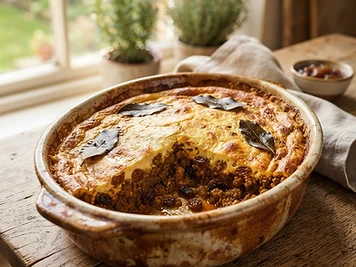
Cape Malay spiced minced meat baked with a savoury egg-custard top — South Africa's most famous home dish.


Gatsby
A long Cape Town submarine sandwich — a full loaf loaded with curry-slathered chips, meat and salad.

Malva Pudding
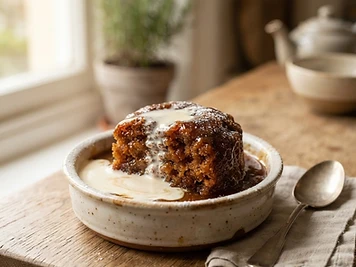
A baked, sticky sponge of apricot jam and butter, served hot with custard — the Cape's national dessert.

Melktert (Milk Tart)
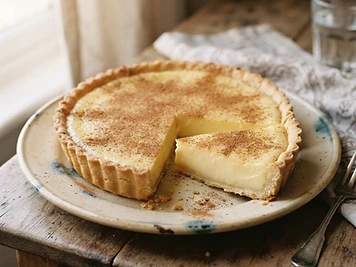
A Cape custard tart dusted with cinnamon — soft, barely sweet, and the country's most-baked tart.

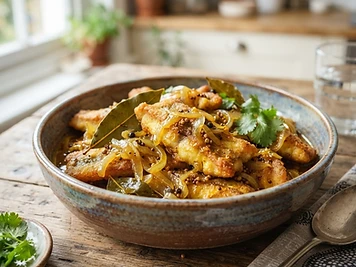
Pickled Fish
A Cape spiced pickled fish — snoek or hake in a turmeric-onion vinegar — the Easter dish of the Cape.

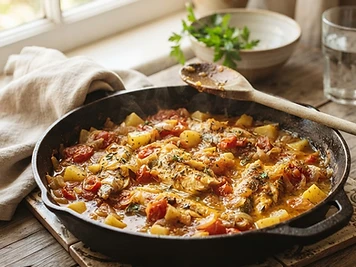
Smoorsnoek
A stew of smoked snoek (a local fish) with potato, tomato and onion — a Cape West Coast classic.