Smoorsnoek
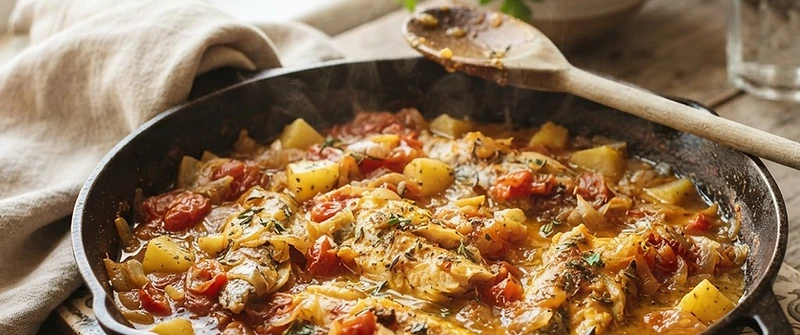
A stew of smoked snoek (a local fish) with potato, tomato and onion — a Cape West Coast classic.
Ideal stay
Best for
Our take
Smoorsnoek is a humble, deeply savoury staple of the Western Cape. It transforms simple, preserved fish into a comforting, hearty meal that captures the essence of coastal fishing communities without any unnecessary fuss or pretension.
Smoorsnoek is a humble, deeply savoury staple of the Western Cape. It transforms simple, preserved fish into a comforting, hearty meal that captures the essence of coastal fishing communities without any unnecessary fuss or pretension.
- Ideal Stay
- 45 minutes to one hour, plus the time to find a table.
- Best For
- authentic coastal flavours, a taste of Cape Malay heritage, hearty comfort food
- Skip If
- those seeking light salads, diners who dislike fish bones or strong salt
- Go If
- You are travelling along the West Coast and want to eat like a local. It is the perfect choice for a slow, unpretentious lunch in a seaside town where the fish was landed that morning.
Why it's worth your time
A West Coast fishing-community dish, built around smoked snoek — the local king mackerel — flaked into a smoor (smother) of potato, tomato, and onion. It grew out of the need to use cured fish that kept through the long drives inland. The smoked fish gives it a depth no fresh-fish version can match. Eat it where the snoek is landed — the West Coast, from Paternoster to Langebaan — at a beachside restaurant or a fishmonger who cooks.
What we love
The depth of flavour is unmatched. By using smoked or salted snoek, the dish gains a smoky, concentrated intensity that fresh fish simply cannot replicate. It is a masterclass in making a substantial, satisfying meal out of humble, long-lasting ingredients that were once essential for inland travel.
What to know
The most important part of the experience is the preparation of the fish. Snoek is notoriously bony, and even in well-regarded kitchens, you must remain vigilant for small, sharp bones. If you are cooking it yourself, expect to spend significant time flaking the fish by hand to ensure it is safe to eat.
The full guide
The Anatomy of a Smoor
At its core, smoorsnoek is a braise, or a smothering, of flaked fish with onions, potatoes, and tomatoes. The name comes from the Afrikaans word for braising, and the goal is to create a thick, cohesive mixture where the ingredients meld into a single, savoury whole. While some versions are simple, others incorporate green peppers, chilli, or a touch of nutmeg to add complexity. The potatoes are essential, acting as a starch that absorbs the salty, smoky juices of the fish. When done correctly, the result is a rustic, golden-hued stew that feels substantial and warming. It is not meant to be pretty; it is meant to be filling and deeply flavoured, reflecting the practical, resourceful nature of the fishing kitchens from which it originated.
Setting and Service
You will find this dish served most authentically in the small towns along the Cape West Coast, from Paternoster to Langebaan. It is traditionally eaten with white rice, which provides a neutral base for the intense, salty fish. Some households and restaurants serve it with fresh bread, perfect for mopping up the sauce. While it is a staple of Cape Malay cooking, often appearing on Monday tables to follow the richer meals of the weekend, it is also a common sight at beachside fishmongers and casual eateries. Do not expect a formal presentation. It is usually served in a bowl or on a plate, often garnished with a bit of fresh parsley and a squeeze of lemon to cut through the richness of the smoked fish.
Meeting the Dish
When you are out looking for it, prioritise places that specialise in local seafood or those that have a direct connection to the fishing industry. If a menu lists it, ask if they use smoked or salted snoek; if they cannot confirm, proceed with caution. Avoid places that treat it as an afterthought or a generic fish stew. When ordering, be prepared for the fact that the dish can vary significantly between kitchens, with some cooks adding cabbage or extra chilli depending on family tradition. If you are visiting a fishmonger who cooks, you are likely to get the most honest version. Always check for bones as you eat, as the nature of the fish makes it difficult to remove every single one, regardless of the skill of the cook.
Before you book
Questions Smoorsnoek always raises
- Is smoorsnoek always spicy?
- Not necessarily. While many traditional recipes include chilli or green peppers for a bit of heat, it is not a requirement. The primary flavour profile is defined by the saltiness and smokiness of the fish, not by heat. You can ask the kitchen about their specific spice level.
- Can I eat this if I am not a fan of very salty food?
- You might find it challenging. The dish relies on smoked or salted snoek, which is inherently salty. If you are sensitive to salt, you may find the dish overwhelming, though the addition of potatoes and tomatoes helps to balance the intensity of the fish.
- What is the best side dish to order with it?
- White rice is the traditional and most common accompaniment, as it effectively balances the strong, savoury flavours of the fish. Fresh, crusty bread is also an excellent choice for soaking up the sauce, and some people enjoy a simple green salad on the side to add freshness.
- Is it safe to eat for children?
- You must be extremely careful. Snoek is a very bony fish, and even with careful preparation, small, sharp bones can remain in the flaked meat. It is not a dish that should be served to young children without an adult meticulously checking every single bite for bones first.
More dish in Western Cape

Bobotie
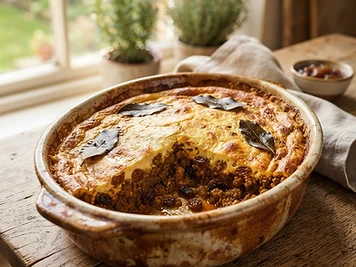
Cape Malay spiced minced meat baked with a savoury egg-custard top — South Africa's most famous home dish.


Gatsby
A long Cape Town submarine sandwich — a full loaf loaded with curry-slathered chips, meat and salad.

Koeksister
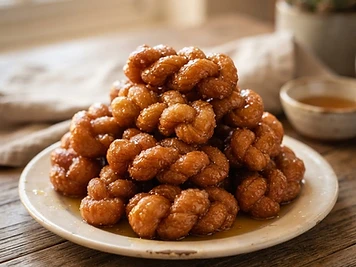
A plaited or ball-shaped doughnut, fried and drenched in syrup — two versions: the Cape Malay spiced ball and the Afrikaner plaited crisp.

Malva Pudding
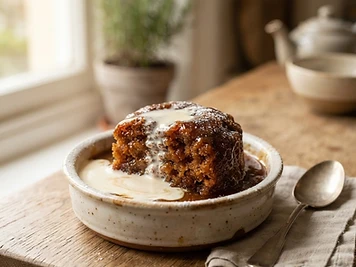
A baked, sticky sponge of apricot jam and butter, served hot with custard — the Cape's national dessert.

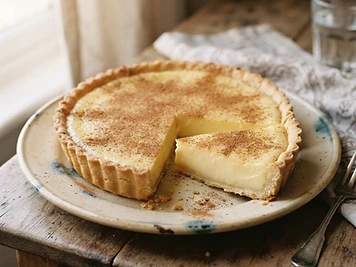
Melktert (Milk Tart)
A Cape custard tart dusted with cinnamon — soft, barely sweet, and the country's most-baked tart.

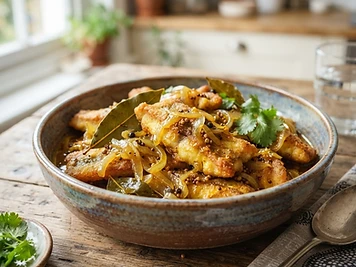
Pickled Fish
A Cape spiced pickled fish — snoek or hake in a turmeric-onion vinegar — the Easter dish of the Cape.