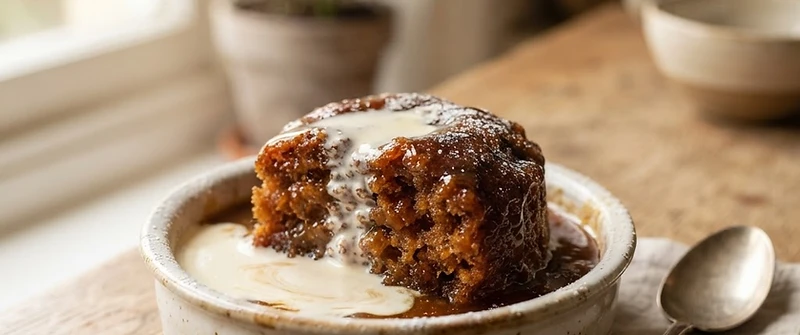
Malva Pudding
A baked, sticky sponge of apricot jam and butter, served hot with custard — the Cape's national dessert.
Ideal stay
Best for
Our take
Malva pudding is the definitive South African comfort dessert. It is a sticky, apricot-scented sponge that relies on a heavy cream sauce to achieve its signature gooey, collapsing texture. When done right, it is unmatched.
Malva pudding is the definitive South African comfort dessert. It is a sticky, apricot-scented sponge that relies on a heavy cream sauce to achieve its signature gooey, collapsing texture. When done right, it is unmatched.
- Ideal Stay
- 30 to 45 minutes for a relaxed dessert course
- Best For
- a classic Cape Dutch finish, post-braai indulgence, winter comfort food
- Skip If
- those avoiding dairy, anyone seeking a light dessert
- Go If
- You are looking for a heavy, soul-warming end to a meal after a long day of travel. It is the perfect companion to a cold evening or a hearty post-braai dinner.
Why it's worth your time
A Cape Dutch dessert with contested origins, though it's now firmly South African and named, most agree, for the Malvasia wine once used in the sauce. It's a baked sponge of apricot jam and butter, drowned in hot cream sauce that soaks through while it's still in the oven. The good version is gooey and collapses on the spoon; the bad one is dry cake pretending. Order it after a braai — anywhere from a Cape Town bistro to a Winelands farm restaurant — with custard or ice cream.
What we love
The way the hot cream sauce is poured over the sponge immediately after it leaves the oven. This creates a saturated, pudding-like consistency that makes the cake feel less like a baked good and more like a warm, syrupy embrace that lingers on the spoon.
What to know
The quality of the dish varies significantly by establishment. A proper version must be moist and saturated with sauce; if the sponge is dry or crumbly, it has been sitting out too long or was under-sauced. Always ask for it to be served warm, as the temperature contrast with cold custard or ice cream is essential.
The full guide
The Anatomy of the Sponge
At its core, malva pudding is a simple baked sponge cake enriched with apricot jam and butter. The jam provides a subtle, fruity acidity that cuts through the intense sweetness of the sugar and the richness of the cream. The texture should be soft and springy, almost like a marshmallow, which is one of the theories behind its name. A well-made version is never dry; it should feel heavy and dense, holding its shape until it hits the plate. If you find the cake is light and airy like a standard sponge, it lacks the necessary moisture that defines the dish. The best versions are baked in a deep dish, allowing the edges to caramelise slightly while the centre remains tender and saturated with the sauce that defines the experience.
The Essential Sauce
The defining characteristic of a true malva pudding is the sauce. It is typically a mixture of cream, butter, and sugar, sometimes spiked with a splash of vanilla or even a local liqueur like Amarula. This sauce must be poured over the pudding while both are piping hot, immediately after the cake is removed from the oven. This allows the sponge to act like a sponge, soaking up the liquid until it becomes gooey and decadent. When you order it, look for a sheen on the surface of the pudding, which indicates that the sauce has successfully penetrated the crumb. If the pudding arrives looking matte or dry, it has likely been prepared too far in advance or the sauce was applied too sparingly to make an impact.
Ordering and Serving
You will find malva pudding on menus ranging from casual roadside bistros to high-end farm restaurants in the Winelands. It is almost always served warm, accompanied by a generous pour of vanilla custard or a scoop of ice cream. The temperature difference between the hot, syrupy cake and the cold dairy is the primary reason to order it. Avoid places that serve it cold or at room temperature, as the fats in the sauce will congeal and ruin the texture. If you are dining at a steakhouse or a place known for a good braai, the pudding is usually a safe and reliable bet. It is a dish that rewards consistency, so stick to establishments that treat it as a signature item rather than an afterthought on the menu.
Before you book
Questions Malva Pudding always raises
- Is malva pudding the same as sticky toffee pudding?
- They are similar in spirit and texture, but they are distinct dishes. Malva pudding uses apricot jam as its primary flavouring agent, whereas sticky toffee pudding relies on dates and a dark treacle or caramel sauce. They occupy the same culinary niche but offer different flavour profiles.
- Should I eat it with custard or ice cream?
- Both are acceptable, but the choice changes the experience. Custard provides a warm, velvety coating that complements the pudding's heat, while ice cream offers a sharp, refreshing contrast. Most locals prefer vanilla ice cream to balance the intense sweetness of the cream-soaked sponge.
- Why is it called malva?
- The origin of the name is debated. Some believe it comes from the Afrikaans word for marshmallow due to its soft texture, while others suggest it was named after a woman named Malva or the Malvasia wine once used in the sauce. There is no single, verified historical answer.
- Can I find good malva pudding outside of South Africa?
- You might find versions in restaurants specialising in South African cuisine, but it is rarely as authentic as what you will find locally. The dish relies on specific local ingredients and a particular method of soaking the sponge that is difficult to replicate perfectly abroad.
More dish in Western Cape

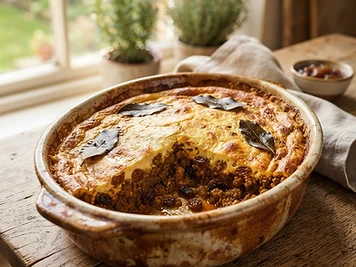
Bobotie
Cape Malay spiced minced meat baked with a savoury egg-custard top — South Africa's most famous home dish.


Gatsby
A long Cape Town submarine sandwich — a full loaf loaded with curry-slathered chips, meat and salad.

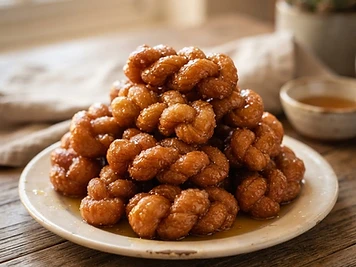
Koeksister
A plaited or ball-shaped doughnut, fried and drenched in syrup — two versions: the Cape Malay spiced ball and the Afrikaner plaited crisp.

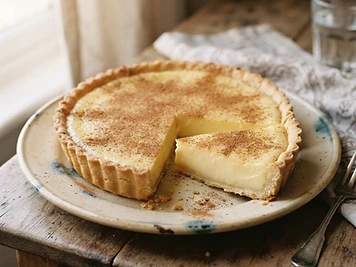
Melktert (Milk Tart)
A Cape custard tart dusted with cinnamon — soft, barely sweet, and the country's most-baked tart.

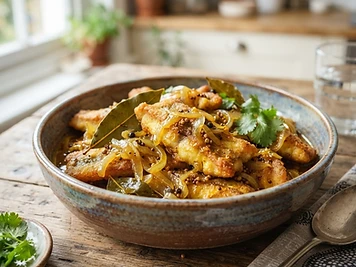
Pickled Fish
A Cape spiced pickled fish — snoek or hake in a turmeric-onion vinegar — the Easter dish of the Cape.

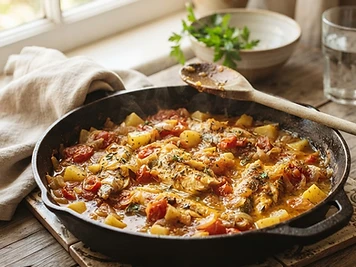
Smoorsnoek
A stew of smoked snoek (a local fish) with potato, tomato and onion — a Cape West Coast classic.