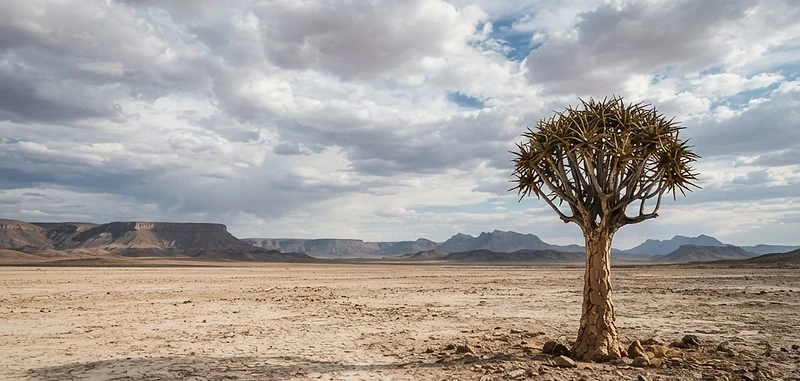
Tankwa Karoo National Park
Hyper-arid Karoo wilderness — stark landscapes, star fields and sparse desert fauna for those seeking silence.
Trip Role
Ideal stay
Best for
Our take
A stark, beautiful void for those who find comfort in emptiness.
A stark, beautiful void for those who find comfort in emptiness.
- Trip Role
- Only If Nearby
- Ideal Stay
- 3 days
- Time Needed
- 3 days
- Best For
- Stargazing and off-grid solitude.
- Go If
- You are a self-sufficient traveler looking for solitude, stargazing, and a true 4x4 adventure.
Why it's worth your time
This is a vast, hyper-arid wilderness characterized by extreme silence, dust, and some of the darkest night skies in South Africa. It is a rugged, remote park that rewards those seeking isolation.
What we love
The profound, absolute silence of the Karoo desert at night.
What to know
The park is extremely remote; you must be fully self-sufficient with water, fuel, and supplies.
The full guide
What it is like
Tankwa Karoo is a hyper-arid expanse defined by its relentless, crushing scale. The landscape is a flat, dusty basin rimmed by the distant, jagged escarpment of the Roggeveld Mountains. Vegetation is restricted to stunted succulents and stubborn Karoo scrub, creating a monochrome environment that makes every small feature stand out. The light here is sharp and unforgiving during the day, rendering the heat haze a constant companion on the horizon.
The silence is the defining characteristic of the first hour. It is a physical weight, stripped of the mechanical hum of modern life, leaving only the sound of wind over gravel and the occasional dry crunch of tyre against stone. Unlike the private reserves of the Lowveld, there is no sense of being in a managed garden. The park feels raw and exposed, a void that demands your attention rather than courting it. This is not a place for lush green vistas, but for the stark, brutal honesty of a desert that offers no shade.
Wildlife, realistically
Do not arrive expecting a parade of megafauna. The wildlife here is sparse, cautious, and perfectly camouflaged against the grey-brown dust. You will likely see springbok and gemsbok standing like statues in the distance, but do not expect the density seen in national parks with higher rainfall. The animals are nomadic, moving across the vast terrain in response to the unpredictable arrival of moisture. Seeing a predator is an outlier event rather than a standard expectation.
Birdlife remains the best reason to carry binoculars here, with species adapted to the harsh Karoo climate dominating the sightings. Everything else is hard to find. You might drive for hours through empty plains before encountering a herd. The game is wary and elusive, keeping to the drainage lines and shade where they exist. If you measure your success by the volume of sightings, this park will fail you. Patience is not just a virtue here; it is the only way to catch a glimpse of the animals that survive in this unforgiving territory.
How a visit works
The park operates on a model of total self-sufficiency. There is no infrastructure for the casual traveller; you provide your own water, fuel, and medical supplies before crossing the boundary. The park is a self-drive experience where the scale makes guided options rare and expensive depending on the operator. Gate and camp logic dictates your movement, meaning you must plan your transit time carefully to avoid being caught in the dark on difficult, rocky tracks.
A single night is insufficient to absorb the rhythm of the place. Three days is the sweet spot, allowing you enough time to settle into the pace of the landscape without feeling the pressure of a quick departure. Your day will be shaped by the sun, starting early to avoid the midday thermal spikes and ending with the transition to the most notable feature of the park, which is the night sky. The isolation is the point, so structure your time around slow movement and long periods of stationary observation.
When to go
Timing a trip is a trade-off between heat and visibility. Summer months bring temperatures that turn the interior of a vehicle into an oven and make the landscape shimmer with impossible heat, often limiting the window for outdoor movement to the edges of the day. Game visibility is theoretically higher when water is scarce, but the sheer effort of enduring the sun often outweighs the benefits of spotting animals that are barely moving.
Winter and spring offer the most comfortable temperatures, though you must contend with the biting cold that settles in once the sun dips. There is no fire to rely on beyond what you bring, and the nights are brutally crisp. Crowd levels remain consistently low throughout the year, as the park lacks the appeal for the mainstream tourist circuit. Costs remain relatively flat, but the price of entry is your own time and the logistical burden of preparing for a trip into a genuine desert environment.
Who it suits, who it does not
This park rewards the individual who finds peace in isolation. It suits the self-sufficient traveller who enjoys the challenge of remote 4x4 driving and the intellectual appeal of a vast, empty horizon. If you are chasing a checklist of mammals, you will be deeply frustrated by the lack of activity and the distance between sightings. The environment is harsh and often unpleasant, designed to weed out those who require comfort or constant stimulation.
If you require luxury amenities, reliable cell service, or the ability to socialise with other guests, this is not the right fit. For those seeking a social safari experience, the private reserves of the Eastern Cape or the Kruger region offer a better alternative. The Tankwa demands that you bring your own resilience. It is a stark, beautiful void for the person who wants to be left entirely alone, but for the majority of visitors, it is simply too empty to justify the effort.
More national park in Northern Cape

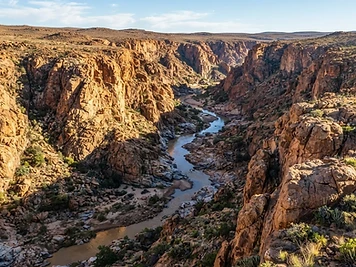
Augrabies National Park
Arid park on the Orange River, centred on the Augrabies Falls where the river plunges into a granite gorge.

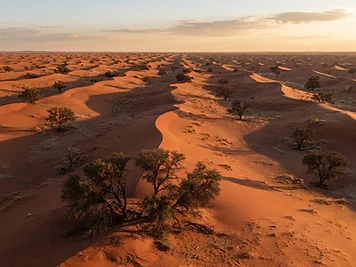
Kgalagadi Transfrontier Park
Vast red-dune Kalahari shared with Botswana — desert black-maned lions, gemsbok, and cheetah across the dry riverbeds.

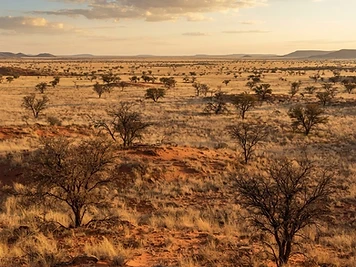
Mokala National Park
Kimberley's malaria-free park — roan, sable and tsessebe alongside the Big Five in acacia savanna.

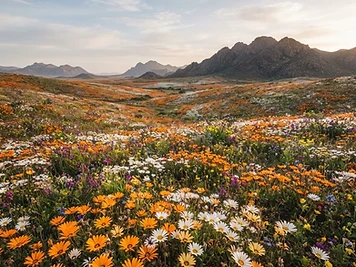
Namaqua National Park
The wildflower reserve that carpets the semi-desert in spring — one of the world's great blooms.

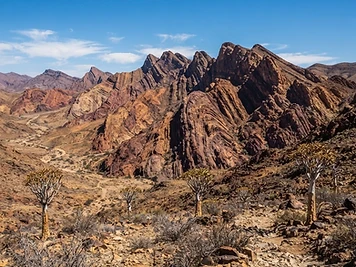
Richtersveld National Park
Mountain desert World Heritage Site on the Orange River — endemic succulents, desert scorpion and 4x4-only wilderness.