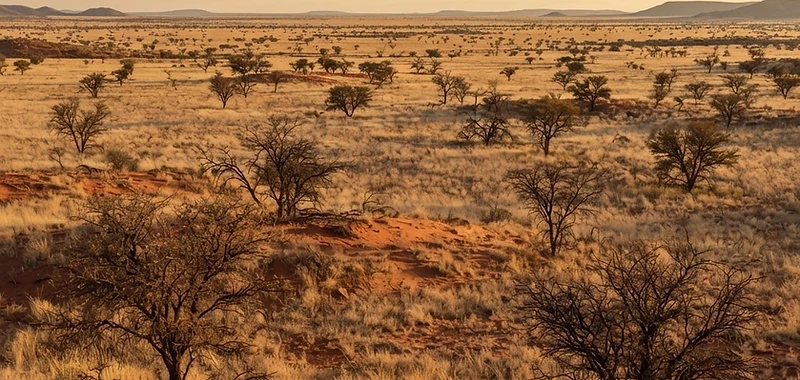
Mokala National Park
Kimberley's malaria-free park — roan, sable and tsessebe alongside the Big Five in acacia savanna.
Trip Role
Ideal stay
Best for
Our take
A low-stress, self-drive safari that delivers: good rhino and antelope sightings, quiet roads, and no queue at a sighting. Worth building a Northern Cape route around.
A low-stress, self-drive safari that delivers: good rhino and antelope sightings, quiet roads, and no queue at a sighting. Worth building a Northern Cape route around.
- Trip Role
- Worth a Detour
- Ideal Stay
- 2 days
- Time Needed
- 2 days
- Best For
- Rare antelope and a relaxed, malaria-free safari.
- Go If
- You want a malaria-free, family-friendly safari with high chances of seeing rare antelope.
Why it's worth your time
A quiet, malaria-free park south of Kimberley, known for its camel-thorn savanna and successful breeding programs for rare species like roan and sable. It offers a peaceful, uncrowded safari experience.
What we love
The peaceful atmosphere and the high probability of spotting roan and sable.
What to know
It is malaria-free, making it an excellent choice for families with young children.
The full guide
What it is like
Mokala sits in the expansive, flat heart of the Northern Cape. The landscape is defined by vast open plains interrupted by scattered stands of camel-thorn trees. The light here is sharp and unrelenting, casting long shadows against the pale, dusty earth. Unlike the dense, scrubby thickets found in many other reserves, the openness of this terrain makes the horizon feel infinite. You hear the rustle of dry grass and the distant calls of birds, but the dominant sensation is a profound, heavy silence. It lacks the crowded energy of major parks and feels remarkably contained.
Driving through the gates for the first time feels like entering a private, understated estate. The road network is simple and manageable, avoiding the frantic pace of busier conservation areas. There is a sense of deliberate pace that rewards slow movement. While neighbouring reserves often lean toward high-intensity tourism infrastructure, Mokala prioritises a quiet, almost domestic scale. You are not fighting for space here, and the atmosphere remains focused on the environment rather than the performance of a traditional safari.
Wildlife, realistically
Do not come here expecting the constant, high-octane predator sightings of the Kruger. Mokala is a sanctuary for rarity rather than mass volume. The park excels in its breeding programmes, making this one of the most reliable places to see roan and sable antelope in their natural environment. These animals are often elusive elsewhere, but here, they are the highlight. You will see rhino, which are generally well-protected and frequently spotted near the central watering holes, but sightings are not a guarantee of high-density action.
Seasonal movement dictates where animals congregate, particularly around the few permanent water sources during the dry months. Predators are present, but they are not the central attraction. If your entire safari goal involves tracking lions for hours, you will likely find the experience lacking. Instead, focus on the sheer variety of antelope species that thrive in the open savanna. Seeing a group of roan move through the dust in the late afternoon sun is the primary reward. It is a park for those who value patience and the specific beauty of a rare sighting over the thrill of a chase.
How a visit works
Mokala is designed primarily for the self-drive traveller. You have total agency over your daily schedule, which means your success depends entirely on your own interest in mapping out the tracks. There are guided game drives available through the camps, but the experience is generally more intimate if you navigate the loops yourself. Because the park is compact, you can cover most of the accessible areas in a single day, though this leads to a hurried experience that ignores the nuance of the landscape.
Two nights is the ideal duration for a visit. Anything less feels like a rushed stopover, and anything more than three nights can feel stagnant given the relatively small size of the road network. The camp logic relies on proximity to the main gates and watering spots. You will spend your days driving between specific zones and returning to your base long before dark. Whether you prefer a structured guided drive or the freedom of your own vehicle, the park rewards those who set out early and stay put at waterholes during the heat of the day.
When to go
The Northern Cape is a region of extremes. Summer brings brutal, oppressive heat that forces both animals and visitors into hiding during the middle of the day. The dry season, occurring through the winter months, is undoubtedly the best time for game viewing. During this period, the vegetation thins, water becomes scarce, and animals are forced to frequent the pans, making them significantly easier to spot. You trade the lush greenery of the rainy months for higher visibility and a much more comfortable climate.
Cost remains relatively stable throughout the year, but accommodation can fill up quickly during local school holidays. Fire is a genuine concern in the dry grass, so expect seasonal closures if conditions become dangerous. If you travel in the peak of winter, bring layers, as the desert night temperatures plummet long after the sun sets. Crowds are rarely a problem, even in high season, so you can generally plan based on your own tolerance for heat and your specific desire to see animals congregating at the pans.
Who it suits, who it does not
Mokala suits the traveller who is tired of the frantic pace and vehicle queues found in more famous destinations. It is a fantastic choice for families with young children, primarily because the park is malaria-free and the scale is small enough to keep boredom at bay without needing hours of transit. If you are an antelope enthusiast who values the sight of a rare roan or sable over the status of ticking off the Big Five, this place will feel like a private discovery.
However, it will frustrate the traveller who demands high-adrenaline predator viewing or constant action. If you are looking for the manic energy and density of the big-name game reserves, Mokala will feel slow and underwhelming. In those cases, you are better off booking a trip to the Kruger or the Sabi Sands, where the focus is entirely different. Mokala is not a grand adventure; it is a quiet, manageable corner of the world that works best as a deliberate, low-stress detour in a larger Northern Cape itinerary.
More national park in Northern Cape

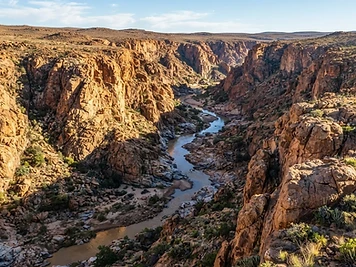
Augrabies National Park
Arid park on the Orange River, centred on the Augrabies Falls where the river plunges into a granite gorge.

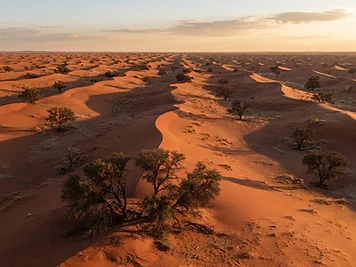
Kgalagadi Transfrontier Park
Vast red-dune Kalahari shared with Botswana — desert black-maned lions, gemsbok, and cheetah across the dry riverbeds.

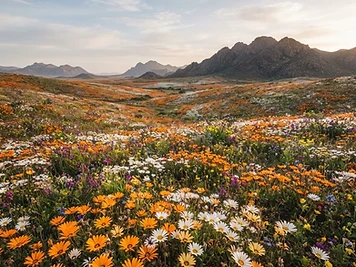
Namaqua National Park
The wildflower reserve that carpets the semi-desert in spring — one of the world's great blooms.

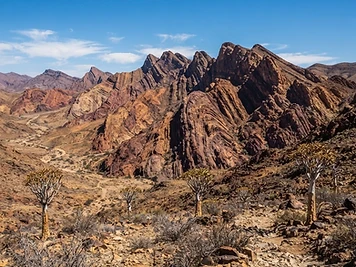
Richtersveld National Park
Mountain desert World Heritage Site on the Orange River — endemic succulents, desert scorpion and 4x4-only wilderness.

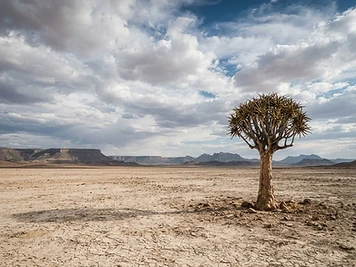
Tankwa Karoo National Park
Hyper-arid Karoo wilderness — stark landscapes, star fields and sparse desert fauna for those seeking silence.