Richtersveld National Park
Mountain desert World Heritage Site on the Orange River — endemic succulents, desert scorpion and 4x4-only wilderness.
Trip Role
Ideal stay
Best for
Our take
This is not a safari destination, but a raw, unforgiving frontier for those who find beauty in desolation.
This is not a safari destination, but a raw, unforgiving frontier for those who find beauty in desolation.
- Trip Role
- Only If Nearby
- Ideal Stay
- 4 days
- Time Needed
- 3-4 days
- Best For
- Off-road adventure and desert botany
- Go If
- You are an experienced 4x4 enthusiast seeking total isolation and a challenging, self-sufficient wilderness experience.
Why it's worth your time
A rugged, high-altitude desert landscape defined by the Orange River and dramatic mountain vistas. It is a World Heritage Site known for its unique succulent flora and extreme, arid conditions.
What we love
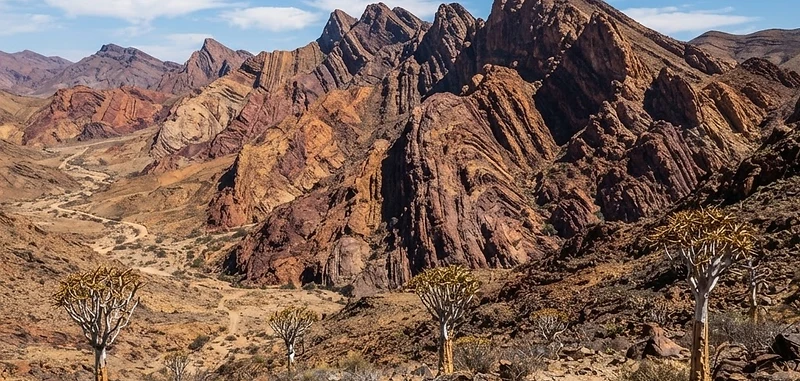
The surreal, moon-like landscape of the Tatasberg mountains.
What to know
The park is strictly 4x4 only; you must be fully self-sufficient with water, fuel, and supplies.
The full guide
What it is like
The Richtersveld feels less like a conventional park and more like an untamed, high-altitude desert frontier. The first hour inside the boundary is disorienting because the scale of the mountains dwarfs everything else. You are moving through a jagged landscape of copper-coloured rocks and stark, lunar-like volcanic formations. The vegetation is sparse but peculiar, dominated by twisted quiver trees and succulent species that look like they belong on another planet. The silence here is absolute, broken only by the crunch of tyres on gravel or the wind whistling through mountain passes.
Unlike the lush bushveld reserves further east, the Richtersveld offers zero shade or soft textures. The light is harsh and unforgiving, bleaching the colour from the valley floors by midday before casting long, deep shadows across the Tatasberg peaks in the late afternoon. This is not a place of green horizons or rolling savanna. It is an arid, brutal territory where the heat radiates off the stones and the river serves as the only relief from the oppressive dryness. It demands total focus just to navigate, which makes it feel smaller than it is, yet infinitely more dangerous.
Wildlife, realistically
Anyone entering this park expecting a standard safari experience will be disappointed. You are not coming here to tick off the Big Five or sit in a queue of vehicles waiting for a leopard sighting. Wildlife is sparse, elusive, and dispersed over a massive, rugged terrain. You might encounter springbok, klipspringer, or baboons, but these sightings require patience and a fair amount of luck. Do not expect to see large predators on a regular basis; the environment is too unforgiving for them to gather in high densities.
Sightings concentrate near the Orange River, where animals gather to drink, but even then, the animals are wary and quick to vanish into the rocky terrain. Trying to find specific species is a fool's errand. You are more likely to see a scorpion or a rare lizard than a mammal of any significant size. The real attraction is the botanical variety. If you look closely at the rock faces, you will find succulent species found nowhere else on earth. Those who treat the park as a zoo will leave frustrated, but those who appreciate the quiet persistence of desert-adapted life will find the lack of visible game irrelevant.
How a visit works
The Richtersveld is exclusively a 4x4 destination. The tracks range from deep, soft sand that traps the unwary to steep, rocky mountain passes that require proper clearance and a calm driver. There is no such thing as an easy route here. You must be entirely self-sufficient, meaning you carry your own water, fuel, food, and emergency supplies. The park logic is built around isolation; you camp in designated areas that offer little in the way of modern amenities. The day is shaped entirely by the terrain and the sun, with travel often taking twice as long as the map suggests.
A single night is a wasted effort that will leave you exhausted from driving without ever seeing the soul of the park. You need at least four days to settle into the rhythm of the place and reach the more remote corners like the Tatasberg. If you do not have the time to go slow, do not go at all. You are managing a self-contained expedition where every decision carries consequence, so build your itinerary around the slowest possible pace.
When to go
The seasonal trade-offs in the Northern Cape are extreme. Summer is blistering, with temperatures that can render outdoor activity impossible and vehicle engines prone to overheating. You risk heat exhaustion just by changing a tyre. The winter months are far more forgiving, with crisp, clear days that make navigating the mountain passes manageable, though the nights can drop to near freezing. You pay for the comfort of winter in the form of crowds, as other travellers seek out the mild temperatures, though the park is never truly busy in a conventional sense.
Visibility is always decent because of the lack of dense vegetation, but water levels in the river fluctuate, which can limit certain activities. Fire is a constant risk during the dryer months, and local regulations regarding open flames should be respected without question. If you are budget-conscious, remember that the cost of self-sufficiency remains high regardless of the season, as fuel consumption in deep sand is astronomical. Choose the shoulder seasons if you can, as they offer the best balance between bearable heat and the safety of daylight hours.
Who it suits, who it does not
This place is built for the traveller who finds comfort in solitude and thrives on mechanical challenges. It rewards the person who treats their 4x4 as a tool and not a luxury vehicle. If you are the type of person who needs a lodge, a serviced meal, or a network of paved roads, you will find the Richtersveld deeply hostile. It is not an entry-level wilderness experience; it is a raw environment that punishes incompetence and lack of preparation. The frustration levels for those who seek high-density game viewing will be off the charts.
If you are looking for a standard South African safari, head towards the Kruger or the private reserves in the north. Those destinations provide the spectacle you are likely imagining. The Richtersveld is for those who are tired of the tour bus experience and want to face a landscape that is indifferent to their presence. It is a destination for the solitary explorer who understands that the primary reward for a successful trip is the ability to walk away from a genuinely difficult environment having relied entirely on their own wits.
More national park in Northern Cape

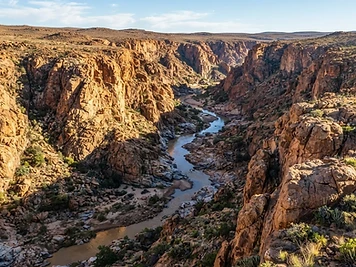
Augrabies National Park
Arid park on the Orange River, centred on the Augrabies Falls where the river plunges into a granite gorge.

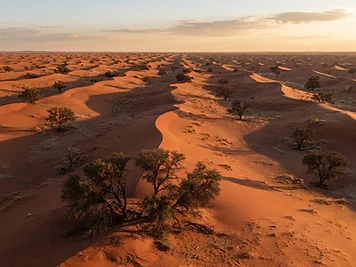
Kgalagadi Transfrontier Park
Vast red-dune Kalahari shared with Botswana — desert black-maned lions, gemsbok, and cheetah across the dry riverbeds.

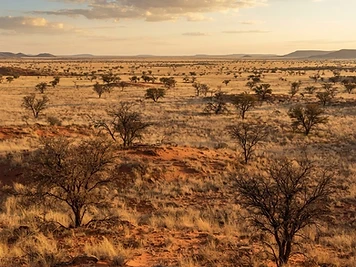
Mokala National Park
Kimberley's malaria-free park — roan, sable and tsessebe alongside the Big Five in acacia savanna.

Namaqua National Park
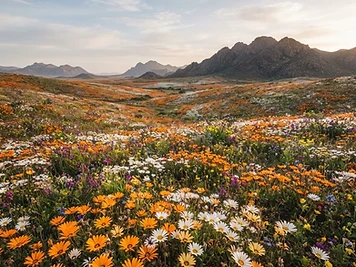
The wildflower reserve that carpets the semi-desert in spring — one of the world's great blooms.

Tankwa Karoo National Park
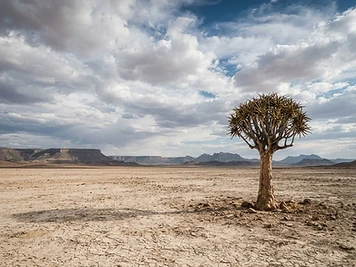
Hyper-arid Karoo wilderness — stark landscapes, star fields and sparse desert fauna for those seeking silence.