Sosaties
Cape Malay marinated lamb kebabs — sweet-sour, spiced, and grilled over coals.
Ideal stay
Best for
Our take
Sosaties are the definitive Cape Malay contribution to the South African braai. They offer a sophisticated balance of sweet, sour, and spiced flavours that elevate simple skewered meat into something far more memorable than standard barbecue fare.
Sosaties are the definitive Cape Malay contribution to the South African braai. They offer a sophisticated balance of sweet, sour, and spiced flavours that elevate simple skewered meat into something far more memorable than standard barbecue fare.
- Ideal Stay
- 30 to 45 minutes of active grilling time
- Best For
- authentic Cape Malay flavour, braai culture, sweet and savoury meat pairings
- Skip If
- those who prefer plain grilled meat, impatient cooks
- Go If
- You are attending a traditional South African braai or visiting a Cape Malay establishment in the Western Cape. This dish is essential for anyone wanting to understand the historical culinary fusion of the region.
Why it's worth your time
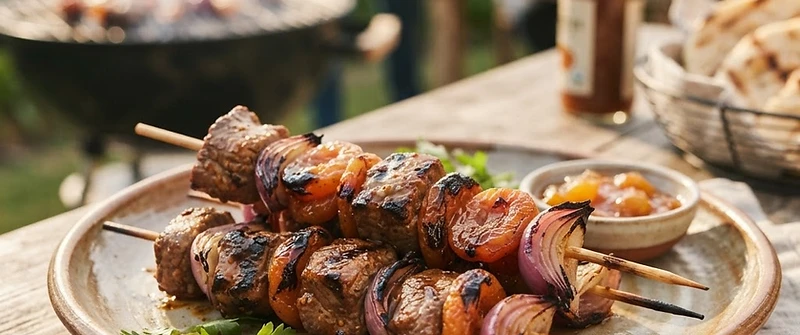
Cape Malay skewers, descended from Indonesian sate through the enslaved cooks of the 17th-century Cape. The marinade is the point — lamb in a sweet-sour bath of apricot, curry, and vinegar — and the dried apricot threaded between the meat is the tell. They belong to the braai, grilled over coals until the edges char. Find them at a Cape Malay braai or order them from a Bo-Kaap caterer; the supermarket version is a poor imitation.
What we love
The marinade is the soul of the dish. By soaking lamb in a mixture of curry spices, vinegar, and apricot, the meat undergoes a transformation that standard kebabs never achieve. The inclusion of a dried apricot on the skewer provides a concentrated burst of sweetness that cuts through the char.
What to know
The quality of the meat and the duration of the marinade are non-negotiable. You must marinate the lamb for at least overnight to allow the spices to penetrate. Avoid supermarket versions, which are often overly sweet and lack the depth of a proper, home-prepared or caterer-made batch. Always check if the meat is lamb, as it is the traditional choice.
The full guide
The flavour profile
A proper sosatie is defined by the tension between its sweet and sour elements. The base is typically lamb or mutton, cut into cubes and marinated in a mixture that relies on curry powder, turmeric, garlic, and chilli, balanced by the acidity of vinegar or tamarind juice. This marinade is not merely a coating but a deep soak that tenderises the meat while infusing it with aromatic spices. The tell-tale sign of an authentic sosatie is the presence of a dried apricot threaded between the meat cubes. When grilled over hot coals, the sugars in the fruit and the marinade caramelise, creating a dark, sticky char on the outside while keeping the interior succulent. It should taste complex and layered, never one-dimensionally sweet or overly spicy.
The braai setting
Sosaties are a staple of the South African braai, which is a social gathering centred around an open fire. They are rarely eaten alone; they usually follow the boerewors and chops in the sequence of the meal. Because they are marinated, they require careful attention on the grill to prevent the sugars from burning before the meat is cooked through. The setting is informal, often involving a group gathered around the fire with a drink in hand. They are best served alongside traditional starch sides like yellow rice or a simple salad. The drink of choice is often a crisp white wine or a local beer, which helps cut through the richness of the spiced lamb. The experience is as much about the slow process of cooking over coals as it is about the final bite.
Finding the real thing
To find a genuine sosatie, look toward the Bo-Kaap in Cape Town or seek out established Cape Malay caterers. Avoid the pre-packaged versions found in large supermarket chains, as these are often poor imitations that rely on excessive sugar rather than the traditional spice blend. If you are invited to a home braai, you may find the host has their own family recipe, which is the most authentic way to experience the dish. When ordering at a restaurant, ask if the sosaties are made in-house using traditional methods. If you are cooking them yourself, remember that the meat must be marinated for at least twenty-four hours for the best results. If using bamboo skewers, soak them in water beforehand to prevent them from burning on the fire, or use metal skewers for a more reliable result.
Before you book
Questions Sosaties always raises
- What meat is traditionally used for sosaties?
- Lamb or mutton is the traditional choice for sosaties. While you will occasionally find beef or chicken versions, the fat content and flavour of lamb are what allow the dish to hold up against the strong curry and vinegar marinade during the grilling process.
- Why is there an apricot on the skewer?
- The dried apricot is a signature element of the Cape Malay style. It provides a necessary burst of sweetness that balances the savoury, spicy, and acidic notes of the curry marinade. When grilled, the apricot caramelises, adding a distinct texture and flavour that defines the dish.
- Can I make sosaties without a braai?
- While a braai is the traditional method and provides the best flavour through the use of open coals, you can pan-fry or grill them in an oven. However, you will miss the smoky char that is essential to the character of the dish.
- How long should I marinate the meat?
- You should marinate the meat for at least overnight, though twenty-four hours is ideal. This long duration is necessary for the vinegar and spices to properly tenderise the lamb and infuse it with the deep, complex flavours that distinguish a real sosatie from a simple kebab.
More dish in Western Cape

Bobotie
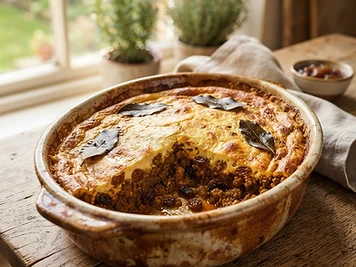
Cape Malay spiced minced meat baked with a savoury egg-custard top — South Africa's most famous home dish.

Gatsby
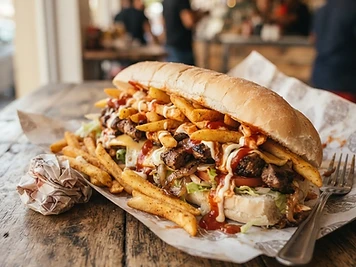
A long Cape Town submarine sandwich — a full loaf loaded with curry-slathered chips, meat and salad.

Koeksister
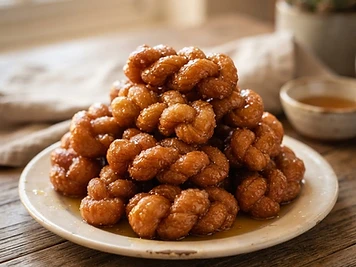
A plaited or ball-shaped doughnut, fried and drenched in syrup — two versions: the Cape Malay spiced ball and the Afrikaner plaited crisp.

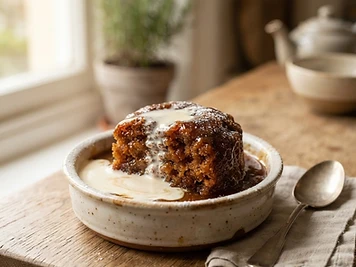
Malva Pudding
A baked, sticky sponge of apricot jam and butter, served hot with custard — the Cape's national dessert.

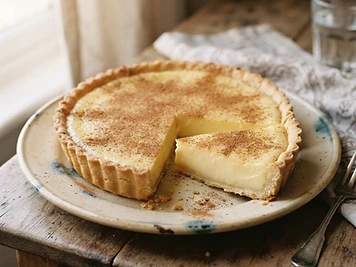
Melktert (Milk Tart)
A Cape custard tart dusted with cinnamon — soft, barely sweet, and the country's most-baked tart.

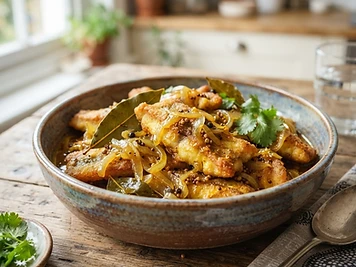
Pickled Fish
A Cape spiced pickled fish — snoek or hake in a turmeric-onion vinegar — the Easter dish of the Cape.