
Sabi Sand Game Reserve
The premium private reserve adjoining Kruger — legendary leopard sightings and off-road game drives.
Trip Role
Ideal stay
Best for
Our take
The country's top private safari address — unmatched leopard, night drives, and exclusivity, at the country's top price. Go if the budget fits; otherwise a lesser-known private reserve is the smarter value.
The country's top private safari address — unmatched leopard, night drives, and exclusivity, at the country's top price. Go if the budget fits; otherwise a lesser-known private reserve is the smarter value.
- Trip Role
- Trip Anchor
- Ideal Stay
- 2–3 nights
- Best For
- First-timers who can afford it, photographers wanting close leopard, anyone who wants the safari done in 2–3 nights rather than a week.
- Skip If
- Budget travellers, self-drive purists, anyone who needs the scale of public Kruger.
- Go If
- You have the budget for a top-tier private safari and want the closest, most reliable Big Five viewing in South Africa.
- Worth Extra Drive
- 0 min
Why it's worth your time
The most famous private reserve adjoining Kruger — unfenced with the park, and the country's premier address for close-up, open-vehicle Big Five game viewing. Sabi Sand's distinction is the night driving and off-roading the public Kruger can't offer, plus an extraordinary density of leopard that has made it the leopard-watching capital of the world. The honest cost: it is the most expensive safari in South Africa by some margin — the lodges here (Londolozi, MalaMala, Singita, Ulusaba, Sabi Sabi) are the global top of the market. You pay for exclusivity and the guarantee of close sightings on a private vehicle, not for a different park. For first-timers with the budget it is the single best safari in the country; for everyone else, Kruger's public rest camps or a less famous private reserve deliver 90% of the experience for a fraction of the price.
What we love
The leopard density — the best on earth; night drives and off-road access the public park forbids; the calibre of the guiding.
What to know
Book 6–12 months ahead for the top lodges. It's not Kruger — no public roads, no self-drive; you're on a lodge vehicle. 2–3 nights is the standard stay. Malaria-risk lowveld year-round — consult current guidance.
The full guide
What it is like
The Sabi Sand landscape consists of dense riverine thickets along the Sand and Sabie Rivers transitioning into rolling savannah. The terrain is relatively flat and dominated by knobthorn and marula trees. You do not get the vast, open horizons of the Kalahari here. Instead, you get a claustrophobic, high-intensity bush experience. The light filters through thick canopies, and the air carries the heavy scent of drying mopane leaves and damp river sand. Because there are no fences bordering the Kruger National Park, the wildlife moves freely across an enormous, continuous ecosystem.
Your first hour here feels less like a wilderness trek and more like a carefully orchestrated production. The roads are narrow, sandy tracks that disappear into thick undergrowth. You hear the constant crunch of tires on gravel and the idling of diesel engines. The reserve feels entirely private and detached from the outside world. It lacks the administrative feeling of the public Kruger rest camps. The focus is exclusively on the proximity of the animal to your vehicle. While neighbouring reserves offer similar geography, the Sabi Sand maintains a higher degree of infrastructure and lodge polish that makes the wild feel remarkably managed and accessible.
Wildlife, realistically
You will see the Big Five. The leopard density is the defining feature of this reserve. These animals are habituated to vehicles, meaning you can often watch a leopard hunt, sleep, or groom within a few metres of your seat. It is a spectacle that happens nowhere else with the same consistency. Lions and elephants are also ubiquitous. You will likely see large prides and breeding herds every single day. The visibility is dictated by the density of the bush, but the off-road access allows your guide to follow tracks into thickets where most vehicles are forbidden to go.
Some species remain elusive despite the high density. Rhinos are present but require more effort to locate due to ongoing security concerns and their solitary nature. Rare antelope species or nocturnal creatures like pangolins are difficult to find, even for the best trackers. Do not expect to see everything in a single drive. Sightings are concentrated along the river systems during the heat of the day. As the season dries out, the game becomes easier to spot as they congregate around the remaining water sources. You should treat every leopard sighting as a privilege, even if the radio chatter makes it seem routine.
How a visit works
The Sabi Sand is not a place for independent exploration. You are entirely dependent on your lodge for movement. You arrive at a specific gate, are met by your ranger, and spend the duration of your stay on a private vehicle. The days follow a rigid structure defined by the sunrise and sunset. You are out before dawn for a morning drive, back for a heavy breakfast, and out again in the late afternoon for a sunset drive that inevitably stretches into the night. The night drives are where the reserve separates itself from the public park experience, as you use spotlights to find nocturnal predators actively hunting.
Two or three nights is the standard duration for a stay. This is usually enough time to see the main attractions without experiencing fatigue from the repetitive schedule. Any longer risks diminishing returns, as the luxury of the lodge starts to feel like a cage. The logistics vary by operator, but the fundamental rhythm of wake-up calls, tracking, and sundowners remains identical across the reserve. It is a highly curated experience designed to keep you in the middle of the action at all times.
When to go
The dry winter months from May to September are the best time for viewing. The vegetation thins out significantly, making it easier to track and observe animals through the brush. The weather is cool in the mornings, though the midday heat is manageable. The trade-off is the high cost and the competition for space at the most popular lodges. You must book months in advance to secure a place during this period, and the price point reflects the peak demand.
Summer brings the rains, turning the reserve into a lush, green wilderness. While the landscape is visually striking, the foliage makes spotting wildlife a genuine challenge. The humidity can be stifling, and the presence of malaria requires constant vigilance. However, the bush is alive with migratory birds and new-born calves. Prices tend to soften slightly during the shoulder seasons, but the difference is negligible for a traveller focused on the budget. Fire risks increase as the dry season peaks, which can lead to temporary closures of certain tracts of land. You are paying for reliability, and the winter months provide the highest statistical probability of a successful trip.
Who it suits, who it does not
This reserve suits the first-time visitor who has the financial resources to ignore the price tag. It is a premier destination for serious photographers who need guaranteed proximity to leopards. If you value comfort, high-end dining, and the convenience of a turnkey holiday where every detail is managed by a professional guide, the Sabi Sand is the definitive choice. It rewards the traveller who wants the maximum density of sightings in the shortest possible window of time.
It frustrates the traveller who seeks solitude or a raw, unscripted wilderness experience. If you find the presence of other vehicles and the constant radio chatter of rangers distracting, you will dislike the scene here. For those who cannot justify the astronomical rates, the public Kruger National Park offers an authentic, if less exclusive, experience at a fraction of the cost. There are also smaller, lesser-known private reserves nearby that deliver ninety percent of the wildlife quality without the global price premium. If you require exclusivity but want a more subdued atmosphere, look elsewhere. You are here to pay for the reputation and the absolute proximity to the big cats.
What's here
Also in Sabi Sand Game Reserve

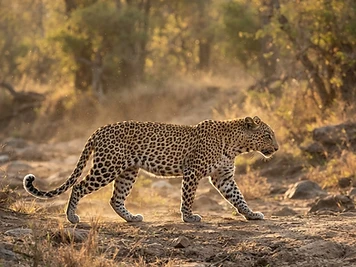
Londolozi Game Reserve
The iconic Sabi Sand lodge — the Varty family estate that essentially invented the modern photographic safari.

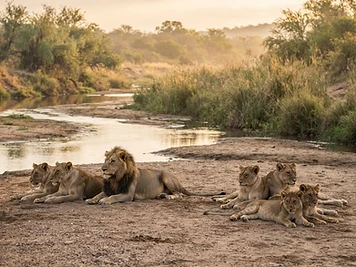
MalaMala Game Reserve
The original private safari camp in Sabi Sand — the Rattray family's estate with the largest share of unfenced Kruger boundary.

Sabi Sabi
A Sabi Sand collection of four themed lodges — from colonial-era Selati to the eco-luxury Earth Lodge.

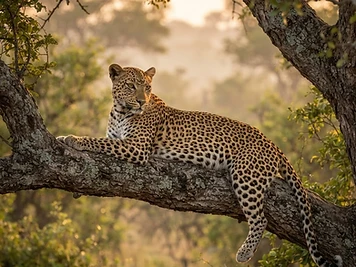
Singita Sabi Sand
The flagship of the Singita luxury group — Ebony, Boulders, and Sweni lodges setting the global bar for high-end safari.

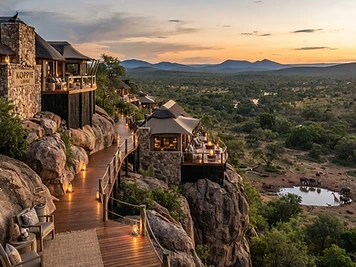
Ulusaba Private Game Reserve
Richard Branson's Sabi Sand lodge — cliff-top and rock-cave camps with exclusive-use appeal.
Pair it with
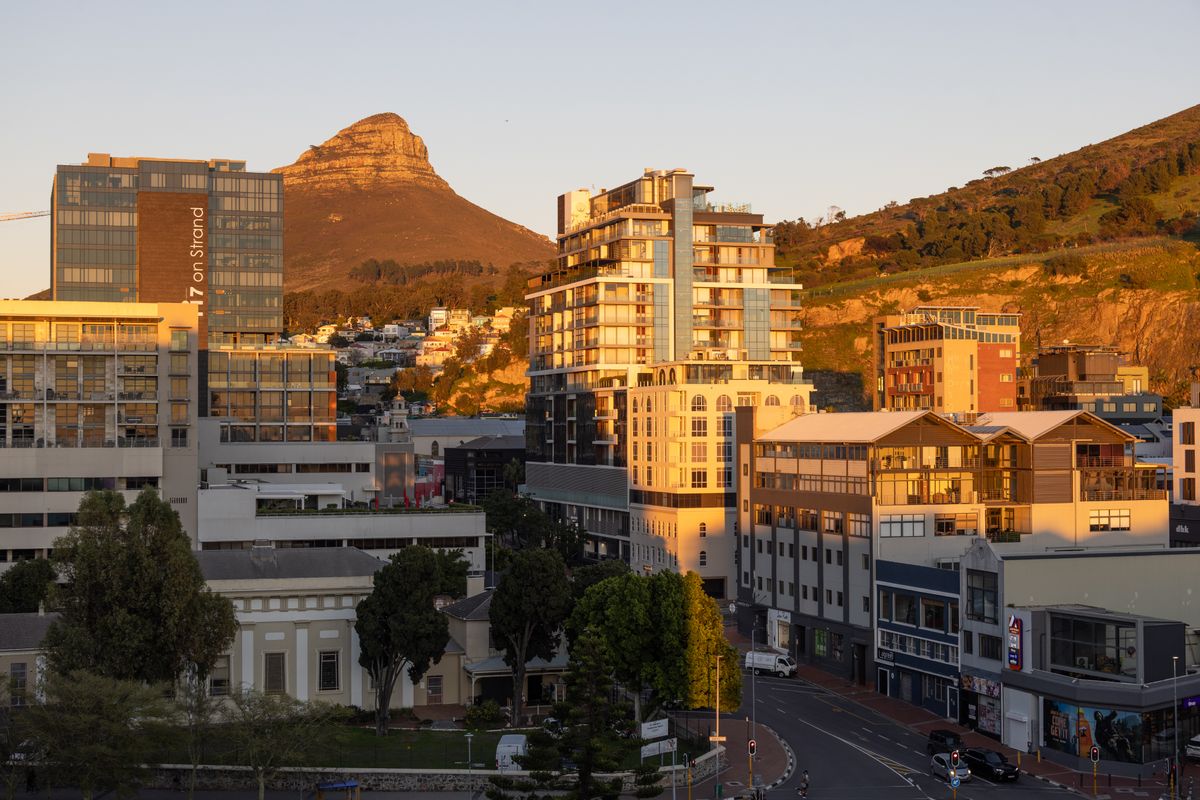
Hoedspruit
The bushveld town between Kruger and the private reserves — the safari logistics hub with a real community of guides and lodges.

Kruger National Park
South Africa's flagship Big Five park — nearly two million hectares of lowveld, 147 mammal species, and one of the densest wildlife populations in Africa.
More private reserve in Mpumalanga

Klaserie Private Nature Reserve
One of the largest private reserves adjoining Kruger — big, quiet, and Big Five, with a handful of lodges.
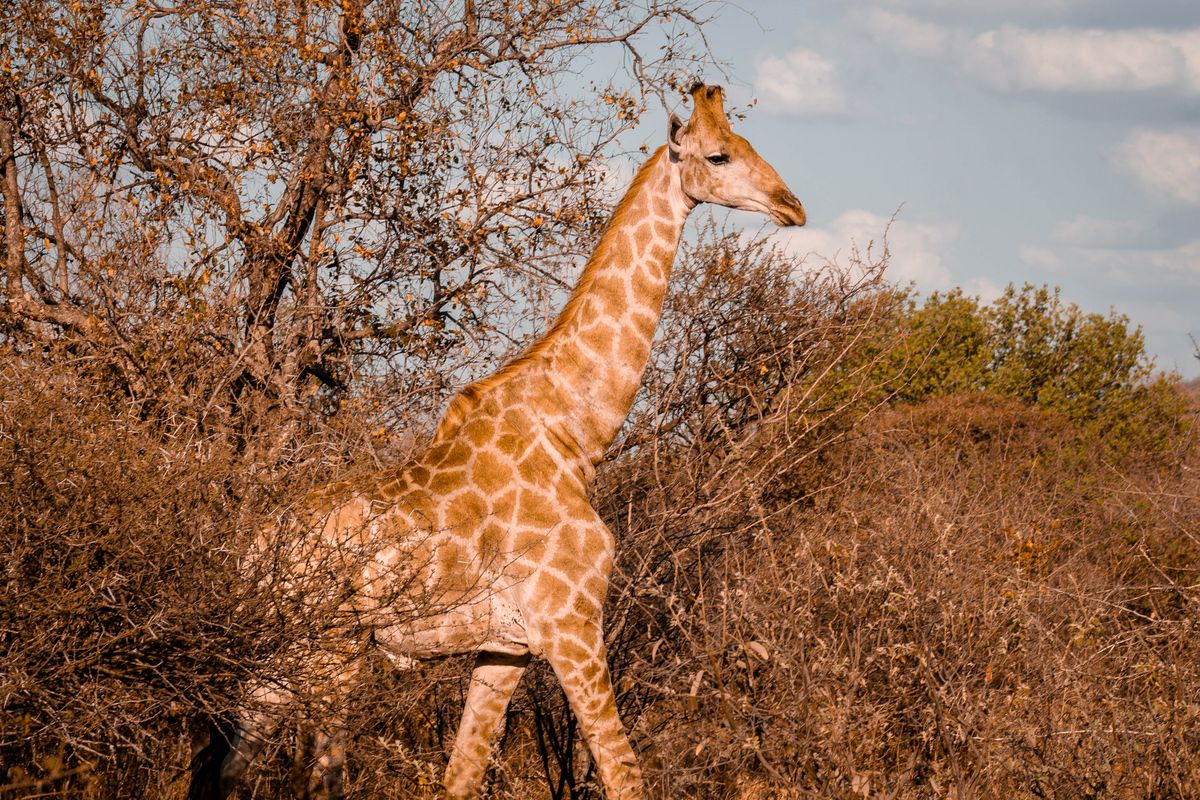
MalaMala Game Reserve
Iconic Sabi Sand reserve with the largest tract of riverfront in the region — consistently among the best leopard viewing on Earth.

Sabi Sand Game Reserve
The premium private reserve bordering Kruger without fences — the leopard capital of South Africa, with legendary guiding and lodges.
Thornybush Game Reserve
Big Five private reserve adjoining Timbavati — luxury lodges and off-road game viewing close to Kruger.