
Klaserie Private Nature Reserve
One of the largest private reserves adjoining Kruger — big, quiet, and Big Five, with a handful of lodges.
Trip Role
Ideal stay
Best for
Our take
The big, quiet greater-Kruger reserve for travellers who want space.
The big, quiet greater-Kruger reserve for travellers who want space.
- Trip Role
- Trip Anchor
- Ideal Stay
- 3-4 days
- Best For
- Space, solitude, and Big Five
- Go If
- You want Kruger-quality game viewing with solitude.
Why it's worth your time
Klaserie covers 600km2 — bigger than Sabi Sand — with far fewer lodges. Same unfenced Kruger game, far less vehicle traffic.
What we love
The sense of scale — 600km2 of bushveld with barely another vehicle.
What to know
One of the largest private reserves in the greater Kruger; part of the Associated Private Nature Reserves, unfenced with the national park.
The full guide
What it is like
Klaserie is defined by a sense of scale that most other private reserves lack. Covering 600 square kilometres, it feels significantly more expansive than the neighbouring Sabi Sand. The terrain is a mix of mopane woodlands and undulating bushveld that stretches toward the horizon without a fence line to mark where the national park begins. The light here is harsh at midday but turns into a soft, golden haze during the late afternoon. You will hear the distant hum of cicadas and the occasional snap of branches from an unseen elephant in the dry riverbeds.
Upon entering, the silence is immediate and disarming. There are far fewer lodges hidden within the acreage here, which keeps the experience rooted in the environment rather than the accommodation. Unlike the heavily developed hubs further south, the Klaserie does not feel cluttered. It is a quiet expanse where you can drive for long stretches without encountering another vehicle or seeing a concrete structure. The reserve retains a raw, unmanicured character that makes the bush feel like a vast, private wilderness rather than a managed wildlife park.
Wildlife, realistically
Because Klaserie is part of the unfenced Associated Private Nature Reserves, the game movement here is identical to that of the Kruger National Park. You can reasonably expect to see the Big Five during a standard stay, as the lack of boundaries allows animals to roam freely across a massive territory. Sightings concentrate heavily around the perennial and seasonal water sources, especially during the drier months when herds gather to drink. The sheer size of the reserve means that tracking can be more challenging than in smaller, more enclosed areas, but the payoff is a lack of congestion at a sighting.
Leopards are present but secretive, and finding them requires patience and a skilled tracker. Rhinos are monitored closely, though they are inherently elusive in the thicker mopane scrub. If you are specifically chasing a high-speed cheetah sighting, remember that these cats are nomadic and follow the prey movements that shift with the rainfall. Nothing is guaranteed here, but the density of game is robust enough that you rarely leave for a drive without seeing significant plains game, hyena, or elephant families.
How a visit works
A visit to Klaserie is defined by the logistical constraints of the lodge you choose. Most visitors rely on guided game drives provided by their accommodation rather than self-driving, as the reserve is vast and internal navigation is complex for outsiders. Your lodge dictates the rhythm of your day, which typically revolves around early morning and late afternoon excursions. These drives are the primary way to access the deep interior of the reserve.
Four days is the ideal duration for a trip here. One night is insufficient to settle into the pace of the bush or to cover enough ground to locate shy predators. A four-day window allows you to venture into different vegetation zones and provides a buffer for those days when the wildlife seems to have vanished. If you only have two days, you are constantly rushing to see the highlights, which defeats the purpose of choosing such a spacious, quiet reserve. Focus on staying put at one camp to reduce transit time and maximise your hours in the field.
When to go
The choice of when to visit is a trade-off between visibility and comfort. During the winter months from May to August, the vegetation thins out and water becomes scarce, forcing animals to congregate at known points. This makes wildlife tracking significantly easier, though you must prepare for chilly mornings and nights. The days are clear and mild, which is ideal for extended drives, but the landscape is brown and dusty.
From November through March, the landscape turns lush and green, making it harder to spot wildlife hiding in the thick brush. The summer heat is intense, often reaching levels that make midday activity uncomfortable. However, this is also the period for bird watching and watching the arrival of newborn impala lambs. You will pay a premium for the dry season when game viewing is at its easiest, but you will also compete with more travellers. If you prioritise budget and don't mind the dense foliage or the heat, the shoulder seasons provide a compromise on both cost and visibility.
Who it suits, who it does not
Klaserie is for the traveller who values solitude above all else. It suits those who have already experienced the more frantic, vehicle-dense reserves and now prefer the luxury of having a leopard sighting to themselves. If you appreciate the feeling of being in a genuinely wild space where you can drive for an hour without seeing another human, you will find this place deeply rewarding. It rewards patience, careful observation, and a preference for silence over the social aspect of a crowded lodge environment.
This reserve will frustrate the traveller who needs constant, high-octane action or who demands a massive selection of high-end lodge amenities. If you require a diverse range of on-site activities beyond game drives, you will find the options here limited. For those who want luxury infrastructure and a social scene, the Sabi Sand is a better alternative, even if it comes with the price of heavy traffic at sightings. If you need variety in your daily schedule, stay near a more developed area where the focus is less on raw nature and more on the hospitality package.
More private reserve in Mpumalanga
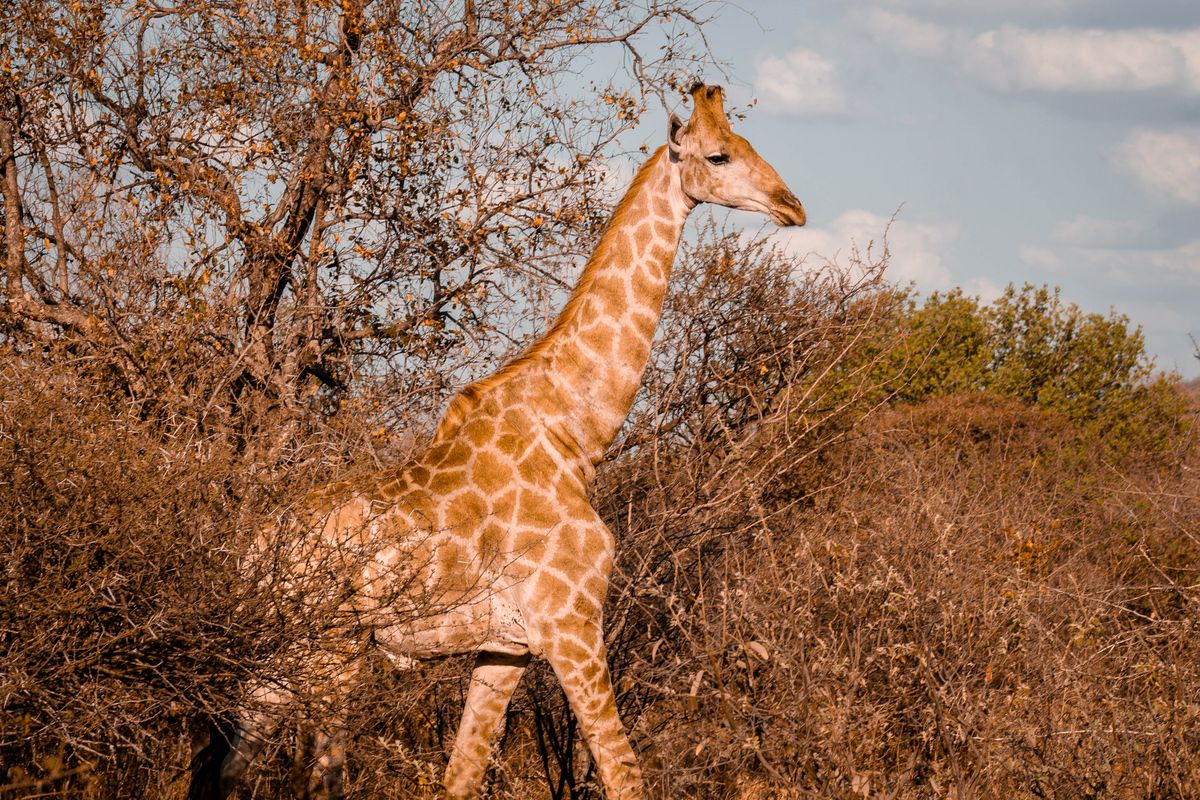
MalaMala Game Reserve
Iconic Sabi Sand reserve with the largest tract of riverfront in the region — consistently among the best leopard viewing on Earth.

Sabi Sand Game Reserve
The premium private reserve adjoining Kruger — legendary leopard sightings and off-road game drives.

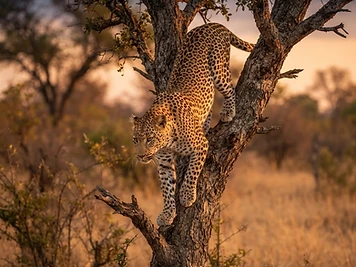
Sabi Sand Game Reserve
The premium private reserve bordering Kruger without fences — the leopard capital of South Africa, with legendary guiding and lodges.
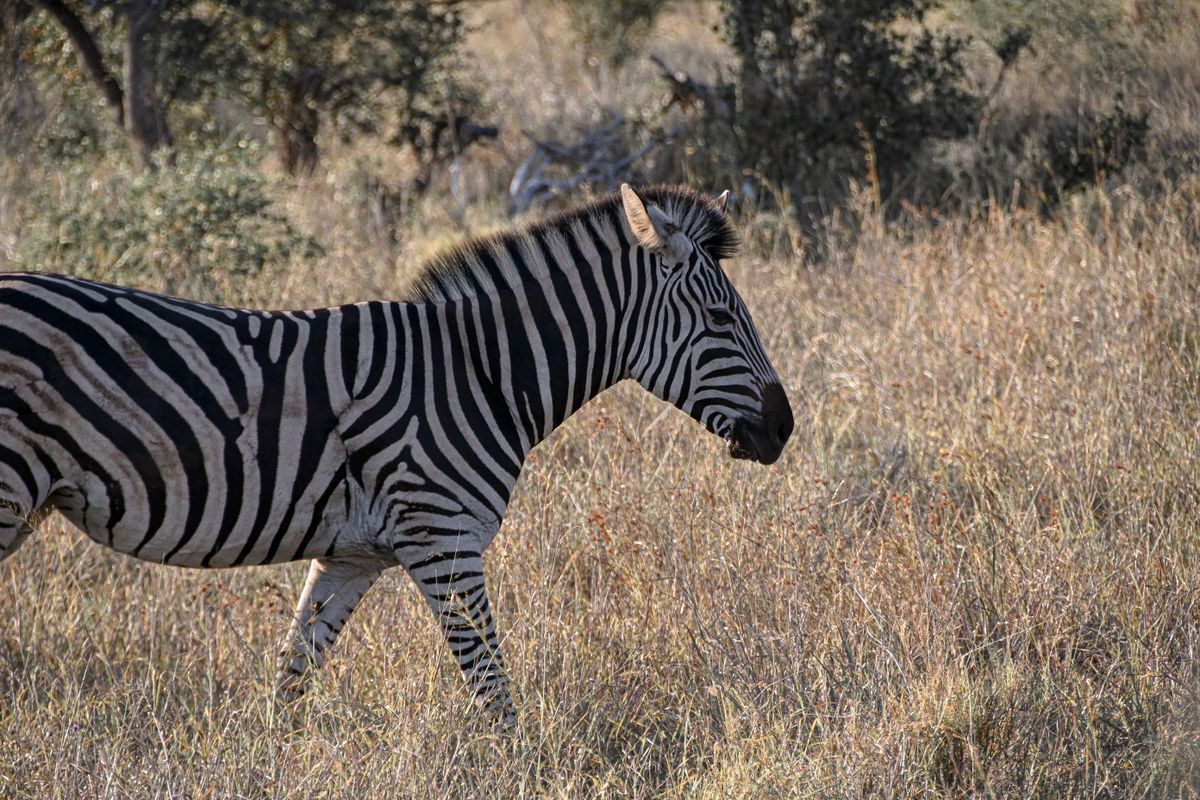
Thornybush Game Reserve
Big Five private reserve adjoining Timbavati — luxury lodges and off-road game viewing close to Kruger.