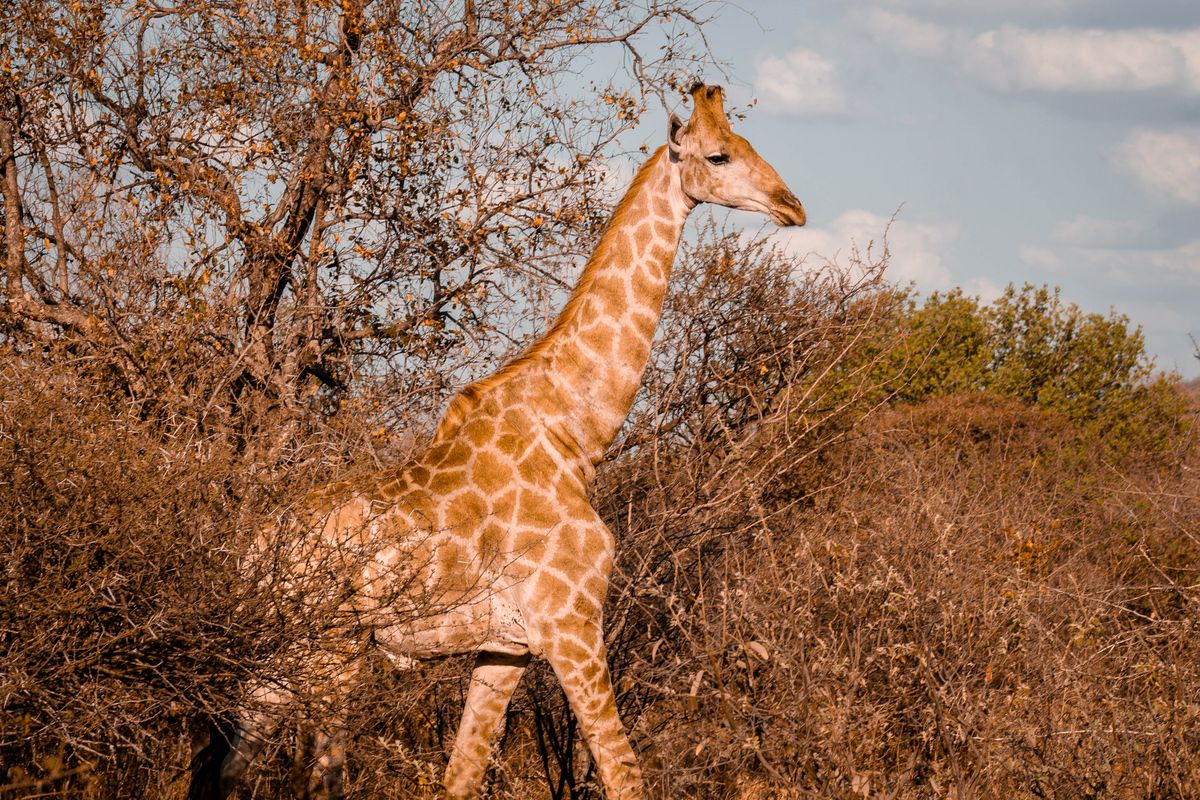
MalaMala Game Reserve
Iconic Sabi Sand reserve with the largest tract of riverfront in the region — consistently among the best leopard viewing on Earth.
Trip Role
Ideal stay
Best for
Our take
The undisputed heavyweight of African leopard viewing.
The undisputed heavyweight of African leopard viewing.
- Trip Role
- Base
- Ideal Stay
- 4 days
- Time Needed
- 3 days
- Best For
- Leopard sightings.
- Go If
- You are a serious photographer or wildlife enthusiast who prioritizes high-quality sightings.
Why it's worth your time
MalaMala is the gold standard for leopard viewing in the Sabi Sand. Its massive river frontage and strict conservation history make it one of the most productive wildlife areas in Africa.
What we love
The unparalleled access to the Sand River, which draws wildlife year-round.
What to know
It is a malaria-risk area and one of the most expensive reserves in the country.
The full guide
What it is like
MalaMala occupies a massive stretch of land along the Sand River, a feature that dictates the entire character of the place. The river frontage is vast and serves as a permanent magnet for wildlife, particularly when the surrounding bush dries out. The terrain is dense, thicketed, and undulating, dominated by knobthorn and marula trees. You do not get the sweeping, open plains of the Serengeti here. Instead, you get a labyrinthine landscape where the light filters through canopy cover in dappled patches, creating high-contrast environments that demand patience from a photographer. The soundscape is constant. There is the persistent rush of the river, the alarm calls of squirrels and impala, and the distant, territorial grunts of lions at night. The air smells of dry dust and river silt. Upon arrival, the scale of the reserve feels immense. Unlike the neighbouring reserves in the Sabi Sand that share unfenced borders, MalaMala feels isolated and private. You feel the history of the land immediately. It is not manicured or tame; it is a serious, functional ecosystem where the management has prioritised conservation over guest amenities for decades. The silence between engines is heavy and intentional, signalling that this is a place for observation rather than recreation.
Wildlife, realistically
If your primary goal is leopard viewing, there is no better place in Africa. The reserve has built its reputation on habituating leopards to the presence of vehicles, which means you will see them frequently and at remarkably close range. These sightings are not accidental; they are the result of decades of careful management and tracking. You can reasonably expect to see at least one leopard nearly every day. The lion prides are equally robust, often patrolling the riverine thickets in search of prey. Elephant herds are omnipresent, moving along the water in a steady, rhythmic procession throughout the dry months. Rhino sightings are common, though they require more effort than the apex predators. What is genuinely hard to find are the shyer, nocturnal creatures or the rare migrants that move through the deeper mopane woodlands in the north. Sightings concentrate heavily along the Sand River, which serves as a natural corridor for movement. Seasonal changes dictate where these animals congregate. During the peak of the dry season, the density of game near the water is staggering, but you must be prepared for the reality that nature is not always obliging. You may go hours without seeing a single large mammal, and the thick bush can hide even a giant elephant just metres from your path.
How a visit works
Self-drive travel is not permitted here. The entire experience is built around guided game drives led by professional trackers and rangers who have an intimate, generational knowledge of the terrain. The day follows a strict, predictable rhythm. You wake before dawn, head out into the cold morning air, and return for a late breakfast. The middle of the day is for resting or waiting out the heat, and the afternoon drive stretches into the night with a spotlight. This structure is designed to catch the peak periods of animal activity. Do not attempt a quick trip. One night is a waste of time and money, as it barely allows you to settle into the pace of the bush. Four days is the ideal length, providing enough buffer time for the inevitable gaps in activity and allowing you to track specific individuals across the landscape. The logic of the camp is secondary to the logic of the drive. The lodge exists solely to facilitate your transition from the bed to the vehicle. The quality of your guide will define your experience, and while the competence level across the reserve is high, the specific dynamic between you, the tracker, and the rest of the guests will vary.
When to go
The choice of when to go is a trade-off between visibility, comfort, and the intensity of the wildlife experience. The dry winter months, from June through August, are the undisputed best time for viewing. The vegetation thins out, water becomes scarce, and the animals are forced to congregate around the river, making them far easier to spot. The trade-off is the morning cold, which bites through thin layers, and the fact that everyone else is there at the same time. Costs are at their peak during this period. As the heat rises and the first rains fall, the bush transforms. Greenery explodes, the grass grows tall, and the animals scatter to find water in the hinterland. Visibility drops significantly. You might drive past a lion without seeing it, simply because it is obscured by thick shrubs. However, this season is quieter, cheaper, and offers a more visceral, uncrowded experience. If you are a serious photographer, the dry season is non-negotiable despite the dust and the crowds. If you prefer a more solitary, contemplative time and do not mind the occasional empty game drive, the transition months can offer a more rewarding, if difficult, safari.
Who it suits, who it does not
MalaMala rewards the serious, dedicated wildlife enthusiast. If you are the type of traveller who values the technical prowess of a tracker and the thrill of a long, sustained leopard chase, this place will exceed your expectations. It suits those who view the safari as a pursuit rather than a vacation. It is a place for photographers who understand the importance of light and persistence. Conversely, it will frustrate those who seek a more varied, light-hearted, or affordable holiday. If you are on a tight budget, the extreme cost will feel prohibitive and perhaps even alienating. It is not for the traveller who prefers an unpolished, do-it-yourself experience or who finds the intensity of the Sabi Sand circuit too restrictive. If you want to jump out of a vehicle and walk or engage in casual exploration, this is the wrong environment. When MalaMala is not the right fit, you are better off looking at the unfenced, rugged concessions of the Greater Kruger or private reserves in the Timbavati. Those areas offer a slightly different flavour of the wilderness, often at a different price point, and with a more open-ended, less prescribed atmosphere that might better suit someone looking for a more relaxed encounter with the bush.
More private reserve in Mpumalanga

Klaserie Private Nature Reserve
One of the largest private reserves adjoining Kruger — big, quiet, and Big Five, with a handful of lodges.

Sabi Sand Game Reserve
The premium private reserve adjoining Kruger — legendary leopard sightings and off-road game drives.

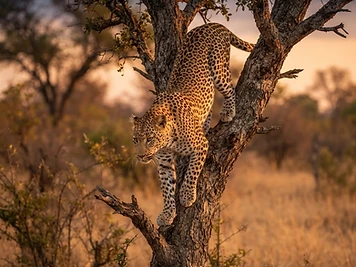
Sabi Sand Game Reserve
The premium private reserve bordering Kruger without fences — the leopard capital of South Africa, with legendary guiding and lodges.
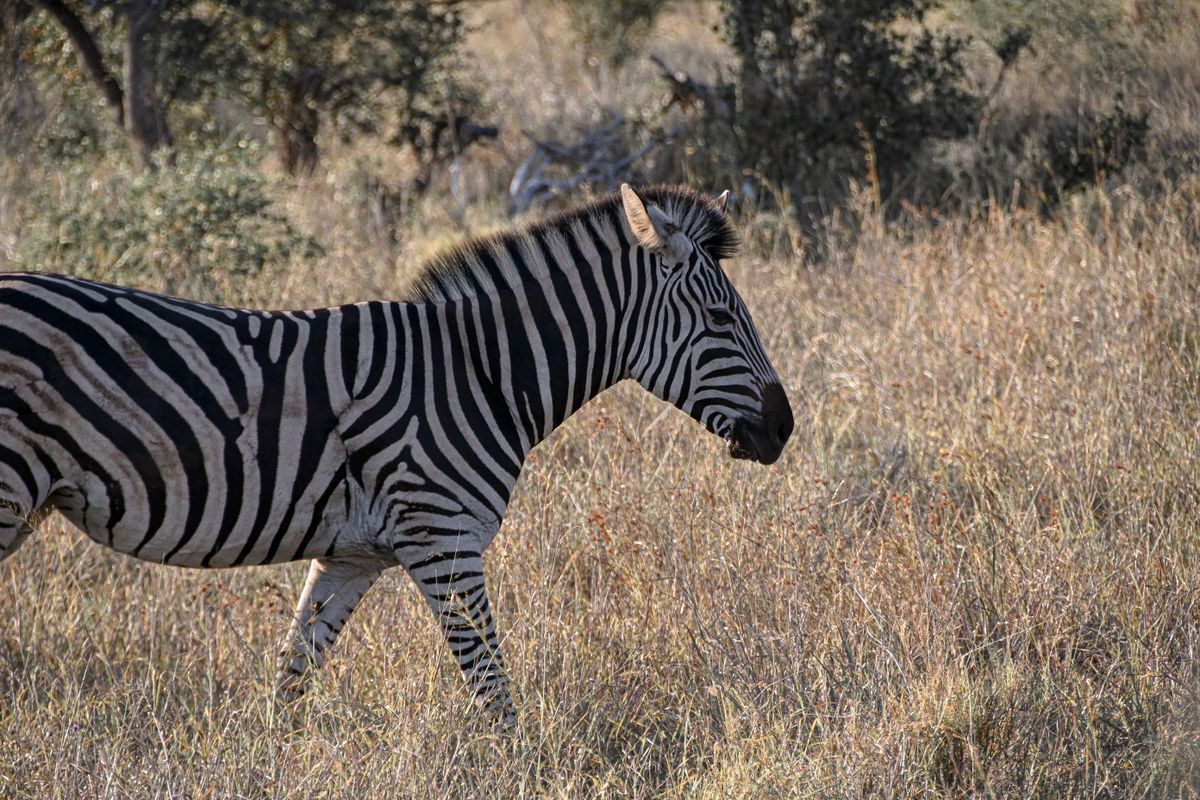
Thornybush Game Reserve
Big Five private reserve adjoining Timbavati — luxury lodges and off-road game viewing close to Kruger.