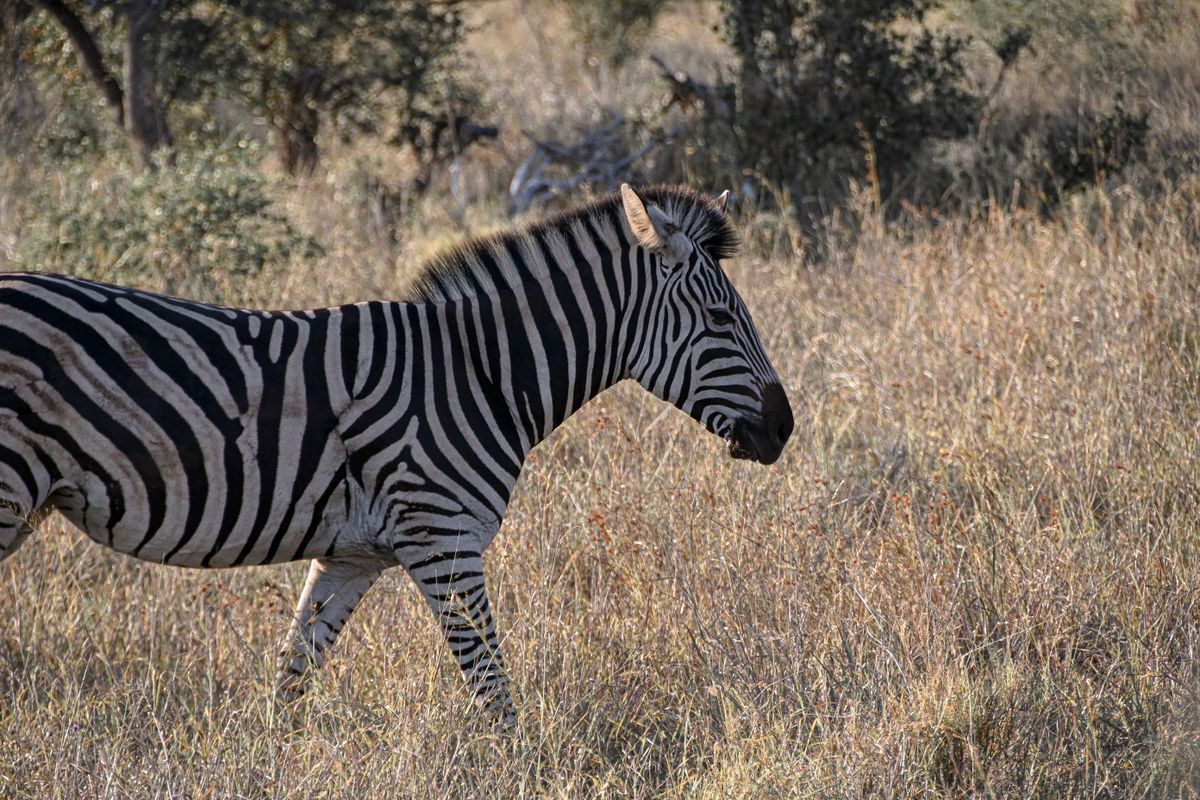
Thornybush Game Reserve
Big Five private reserve adjoining Timbavati — luxury lodges and off-road game viewing close to Kruger.
Trip Role
Ideal stay
Best for
Our take
Reliable, comfortable, and consistently high-quality.
Reliable, comfortable, and consistently high-quality.
- Trip Role
- Base
- Ideal Stay
- 3 days
- Time Needed
- 3 days
- Best For
- Luxury travelers and families.
- Go If
- You want a high-end, comfortable safari with reliable wildlife viewing.
Why it's worth your time
This reserve provides a polished, luxury safari experience adjacent to the Timbavati. It is well-regarded for its consistent Big Five sightings and high standard of lodge service.
What we love
The high frequency of leopard sightings.
What to know
It is a malaria-risk area.
The full guide
What it is like
Thornybush presents a flat, semi-arid landscape that feels remarkably contained compared to the sprawling, unfenced vastness of the Greater Kruger. The bushveld here is dense, consisting of a mix of knob thorn and marula trees that create a claustrophobic, tunnel-like effect along the narrow tracks. You will notice the light filtering through this canopy, casting shifting, sharp shadows that make tracking animals a constant exercise in focus. The silence is frequently broken by the low hum of distant game viewer engines or the rhythmic clacking of cicadas, a constant auditory backdrop that reminds you of the managed nature of this space. Unlike the Timbavati to the east, there is a sense of polished order here that keeps the environment feeling like a manicured estate rather than a raw, untamed wilderness.
Stepping out of the vehicle for the first time, you feel the immediate heat pressing down on the open ground. The scale is intimate, lacking the sweeping vistas found in the main national park, which forces your attention downwards toward the immediate shrubbery and the tracks embedded in the sandy soil. This is not a place for grand, panoramic photography but rather for observing the minute details of the bush. The dust settles quickly, and the air carries a distinct smell of dry earth and sun-baked wood, anchoring you firmly in the Mpumalanga lowveld.
Wildlife, realistically
The expectation of seeing the Big Five is rarely disappointed, but the experience is often curated. Leopard sightings are arguably the primary drawcard, and the frequency with which these cats are spotted is significantly higher than in public parks. Because the reserve management invests heavily in monitoring, rangers usually know exactly where to go. Do not mistake this ease for spontaneity. You are viewing animals that have long since grown accustomed to the presence of vehicles, meaning they rarely display the skittish, erratic behaviour of wildlife in less pressured environments.
Expect a reliable rhythm of elephants and buffalo moving through the property, particularly during the drier months when they gravitate toward artificial water sources. Lions are also common, though their movements are dictated by the territorial boundaries of the reserve. Finding elusive species like wild dogs remains a matter of pure luck, regardless of how skilled the guide might be. The density of vegetation can make sightings frustratingly brief, as a leopard might vanish into a thicket within seconds. If your heart is set on seeing a kill, realise that the dense cover often obscures the action, leaving you with only the sound of struggle. You will see much, but the encounters rarely feel wild in the true sense of the word.
How a visit works
Do not attempt a self-drive safari here; it is a private reserve with strict gate control and access is limited entirely to lodge guests. The experience is structured around the classic twice-daily game drive schedule, where the lodge dictates every minute of your itinerary. You wake up long before dawn, climb into an open-top vehicle, and return only once the morning light has become too harsh for effective tracking. The afternoons mirror this, with a tea break followed by a drive that bleeds into the early evening, often concluding with a sundowner drink in the bush.
Three days is the ideal duration for this setup. Staying for a single night feels rushed, leaving you no time to adjust to the heat or the specific geography of the property. Four nights often leads to a sense of repetition, as the routes become familiar and the novelty of the game drives begins to wane. The service is uniformly high, but it is also rigid. You are participating in a programme designed for comfort, not for the curious traveller who prefers to wander. Everything, from meal times to the laundry service, is designed to maximise your time in the vehicle while maintaining a high-end, predictable standard of hospitality.
When to go
The choice of when to visit involves a trade-off between the quality of sightings and the level of physical comfort. The winter months from May through August remain the most popular for a reason. As the vegetation dies back and water sources evaporate, animals are forced to congregate around the remaining pools, making them much easier to locate. The days are mild and pleasant, but the early mornings are surprisingly cold, requiring heavy layers that you will likely shed by mid-morning. You trade the heat for a higher density of game, though the reserve can feel crowded with other vehicles during peak school holidays.
Summer brings oppressive humidity and heat, which makes sitting in a vehicle for hours a gruelling test of endurance. The bush becomes thick, lush, and difficult to peer through, turning every leopard sighting into a frantic search through deep green foliage. However, the summer brings migratory birds and newborn calves, and the reserve is far quieter as fewer tourists brave the conditions. While costs are lower in the off-season, you must be prepared for the ever-present threat of malaria. Regardless of the month, the sun is harsh and the dust is omnipresent, so pack gear that is rugged enough to withstand the local environment.
Who it suits, who it does not
This reserve is perfectly suited for the traveller who prioritises convenience and high-end service above all else. If you are travelling with a family and want a seamless transition from the airport to a comfortable lodge with reliable, high-frequency wildlife sightings, you will be happy here. It is a refined environment that rewards those who enjoy the luxury of being looked after, where the focus is on ease of access to the Big Five rather than the challenge of the hunt. It functions more like an upscale resort that happens to be in the middle of a game reserve than a traditional safari outpost.
Conversely, it will deeply frustrate the traveller who seeks a rugged, off-the-grid experience. If you are the type of person who desires the freedom to explore or wants to avoid the constant proximity of other luxury vehicles, this is not the right place for you. You will feel hemmed in by the fences and the constant presence of staff and other guests. If you crave the silence of a true wilderness, look toward the central or northern parts of the Kruger National Park or the unfenced Timbavati, where the scale is grander and the experience is far less manufactured.
More private reserve in Mpumalanga

Klaserie Private Nature Reserve
One of the largest private reserves adjoining Kruger — big, quiet, and Big Five, with a handful of lodges.
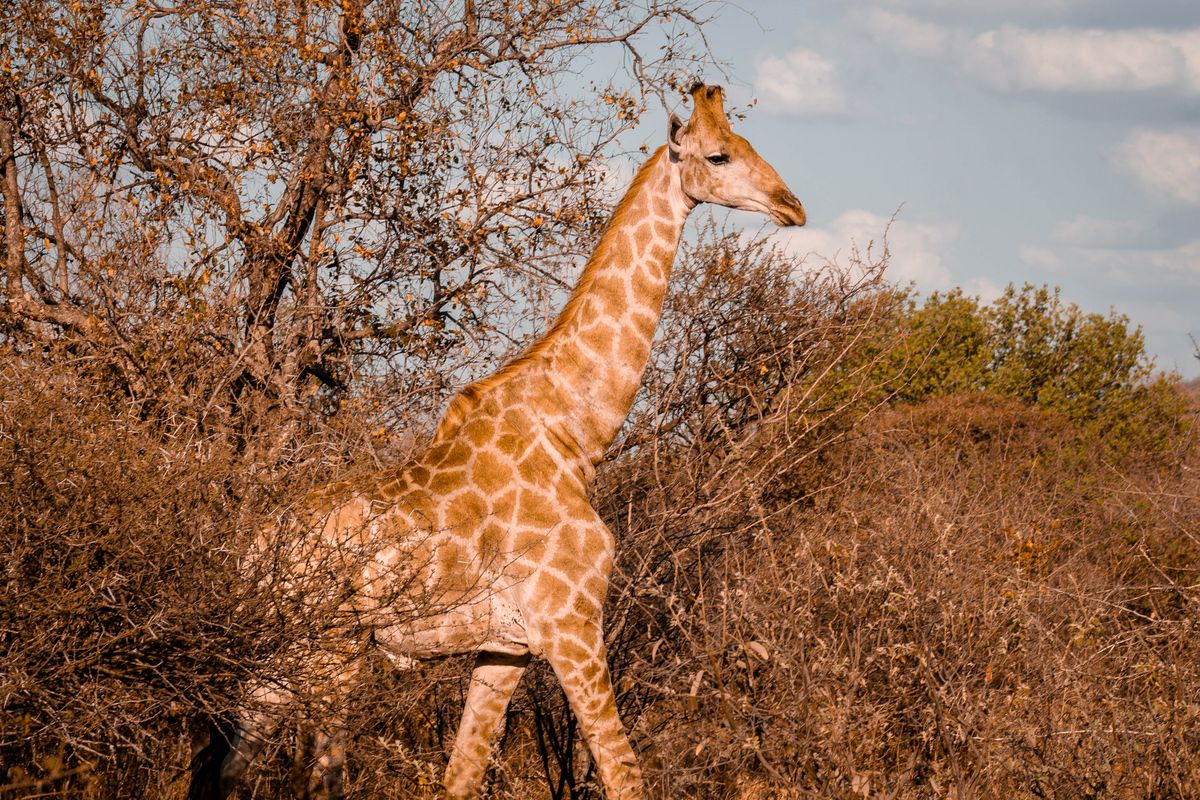
MalaMala Game Reserve
Iconic Sabi Sand reserve with the largest tract of riverfront in the region — consistently among the best leopard viewing on Earth.

Sabi Sand Game Reserve
The premium private reserve adjoining Kruger — legendary leopard sightings and off-road game drives.

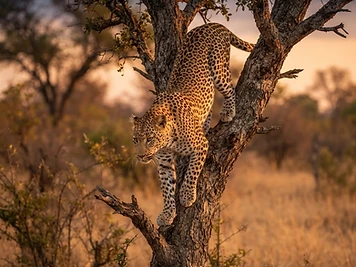
Sabi Sand Game Reserve
The premium private reserve bordering Kruger without fences — the leopard capital of South Africa, with legendary guiding and lodges.