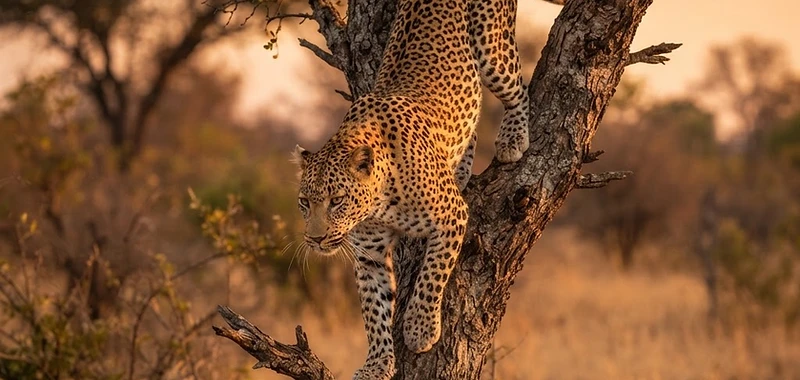
Sabi Sand Game Reserve
The premium private reserve bordering Kruger without fences — the leopard capital of South Africa, with legendary guiding and lodges.
Trip Role
Ideal stay
Best for
Our take
The private-reserve gold standard, and the best place in Africa to see leopard.
The private-reserve gold standard, and the best place in Africa to see leopard.
- Trip Role
- Trip Anchor
- Ideal Stay
- 3 nights
- Best For
- A once-in-a-trip luxury safari, serious photographers, leopard devotees.
- Skip If
- Budget travelers and anyone who dislikes sharing a sighting with three other vehicles.
- Go If
- You're spending real money on one safari and want it to deliver.
What to optimise for
What Sabi Sand Game Reserve rewards
The same reserve can be a different trip depending on what you came for. Choose the version you want, then plan around it.
- Leopard viewing
- Sabi Sand is the premier location for tracking elusive leopards. Guides move off-road to follow spoor, ensuring close encounters that are rarely matched elsewhere. The compromise is the vehicle density at major sightings, where multiple land rovers often surround a cat, detracting from the feeling of wilderness solitude.
- Luxury lodge experience
- Focus on the high-end lodges that define the reserve. You are paying for impeccable service, fine dining, and private game viewing experiences. The trade-off is the significant financial barrier to entry, as top-tier lodges command high rates per night that fluctuate wildly based on the booking season.
- Professional photography
- The habituated nature of the animals and the allowance for off-road driving make this ideal for wildlife photographers needing perfect angles. You must accept that you are often shooting alongside other guests. Patience is required to wait for your turn for an unobstructed frame when vehicles gather.
- Guided game drives
- Base your trip around the expert rangers and trackers who know the terrain intimately. They facilitate night drives and walking safaris impossible in public parks. The trade-off is a rigid schedule dictated by the lodge, meaning you cannot explore at your own pace or venture outside their concession.
When to go
Timing a visit to Sabi Sand Game Reserve
Rain, grass and water decide what you see. These are the trade-offs, season by season.
May to September, Dry Winter
BestThe bush thins out, forcing animals to congregate around permanent water sources. This makes spotting easier. Nights are cold, and dust is a constant nuisance during drives. Expect peak rates and fully booked lodges. Game viewing is reliable, but prepare for heavy competition among vehicles at popular predator sightings.
November to March, Green Season
MixedThe landscape turns lush, and migrant birds arrive. It is calving season, bringing new life, but the thick vegetation makes spotting predators harder. Afternoon thunderstorms are common, and heat is intense. Malaria risk is higher in this humid period, but rates are lower and the reserve feels quieter.
April and October, Shoulders
GoodThese months offer a balance between pleasant temperatures and thinning bush. The crowds are thinner than in the peak winter months. You avoid the extreme heat and humidity while still enjoying good wildlife concentrations. It is a smart compromise for travellers looking for value before the seasonal surges.
How long to stay
Nights, and what each one buys
Nights are the unit of cost here. This is the honest return on each one.
- One night
- A single night is barely enough to settle into the rhythm of the reserve. You will likely only experience two game drives, which feels rushed. Most lodges require minimum stay durations, making this length impractical. You miss the deep immersion required to fully appreciate the private concession environment.
- Two to three nights
- This is the optimal duration to maximise your chances of varied wildlife encounters. It allows time to track leopards and experience the night drives properly. You settle into the routine of lodge life without feeling exhausted. Most high-end lodges are geared specifically toward this length of stay.
- A week
- Staying for a week allows for a slower pace, but the repetition of the same small concession area may eventually lead to diminishing returns. Unless you are a specialist photographer, you risk seeing the same resident animals multiple times. Most guests find this length excessive for a single reserve.
Getting there
Airport, road, gate
Distances here are hours, not kilometres. Fuel up before the last town.
- Nearest airport
- Skukuza Airport sits right on the boundary, offering the most direct access. Other options include Hoedspruit or Kruger Mpumalanga International in Mbombela. Most visitors take a scheduled light aircraft transfer directly to a lodge airstrip, as road access is limited by private gate requirements.
- Drive
- Driving from Johannesburg takes about six to seven hours. The route involves major highways followed by slower roads near the reserve. It is a long haul. Check your specific lodge location, as the entry gate depends entirely on where your accommodation is situated within the reserve.
- Gates and hours
- The reserve uses private gates, and access is strictly controlled by lodge reservation confirmation. You cannot simply drive in. Most lodges enforce strict check-in and check-out times to manage vehicle flow. Missing your designated window can result in being denied entry or incurring significant arrival penalties.
- Roads and vehicle
- Public access roads leading to the gates are generally tarred, but internal roads vary significantly. Once inside, you rely on game viewing vehicles. A standard sedan can reach the main entry gates, but do not expect to drive your own vehicle on the sandy, bush-track game loops.
Where to base yourself
Three kinds of base
The base decides your gate times, your privacy and your bill more than the reserve does.
Inside the reserve
Staying at a lodge within the reserve is the only way to experience the exclusive off-road and night driving that defines Sabi Sand. It keeps you right in the action, meaning you start your game drives the moment you pull out of your driveway.
Private concession
Every lodge sits within its own mandated territory. You cannot traverse into other concessions, so the quality of your stay depends on the size and habitat diversity of the area surrounding your lodge. Research the reputation of specific concessions before you book, as they vary greatly.
Gateway town
There are no towns inside the reserve. Staying in nearby towns like Hazyview requires a daily commute to the gates. This adds hours of driving to your day, prevents you from joining early morning or night drives, and keeps you outside the private conservation area entirely.
Day trips and detours
What else the day holds
Most stays run on a fixed rhythm of dawn and dusk drives. The middle of the day is yours.
Kruger National Park
Adjacent
You share an unfenced border with Kruger, allowing animals to roam freely between both areas. There is rarely a reason to leave your private concession to enter the national park, as your current area offers superior sightings and exclusive access that the busy national park roads cannot provide.
Panorama Route
2 hours
This scenic drive includes the Blyde River Canyon and Three Rondavels. It is a major deviation from a safari itinerary. Only consider this if you have a spare day before or after your lodge stay. It is too far to do comfortably while staying inside the reserve.
Local community visits
Varies
Many lodges facilitate visits to local villages to see outreach projects. These offer a look into the life of those living around the reserve. Whether it is worth the time depends on your interest in conservation-linked social programs versus spending extra time tracking animals in the bush.
What it costs
The money, in bands
Rand rates and park fees change. Compare the bands, then check current figures with the park or the lodge directly.
- Park or reserve fees
- Entry fees are mandatory and help fund the extensive conservation work required for the area. These are often included in your all-inclusive lodge rate but can be charged separately. Check with your lodge for the exact breakdown of these daily per-person fees, which are reviewed annually.
- Self-catering
- Self-catering is effectively impossible here because the reserve is composed of private luxury lodges. You are not going to find public campsites or affordable self-drive facilities. This destination is built exclusively for the high-end traveller, and your budget must reflect all-inclusive pricing structures from the start.
- Mid-range guided
- Mid-range options are rare, as the overhead costs of managing a private reserve drive prices upward. What is considered mid-range here is still an expensive luxury elsewhere. These lodges offer high-quality service, but you might miss out on the ultra-exclusive dining and private butler benefits.
- Top end and fly-in
- This is the primary way to visit. Prices are astronomical and include flights, meals, drinks, and twice-daily guided drives. You pay for the exclusivity and the proximity to the animals. Rates vary by season and demand, so verify the total cost directly with the lodge before booking.
Why it's worth your time
Sabi Sand is the reserve every luxury safari in South Africa is benchmarked against, a collection of private concessions on Kruger's western boundary with no fence between them and the national park. The reputation is earned: the leopard viewing is among the best on the continent, the lodges are run to a standard most of the industry chases, and the off-road driving and night drives that Kruger doesn't allow are routine here. You pay for it — Sabi Sand is among the most expensive places to see wildlife in Africa — and at peak times the vehicles can queue at a sighting. But the density of game, the quality of the guiding, and the likelihood of close leopard encounters are why people pay it. For a once-in-a-trip luxury safari, this is still the place most operators will steer you.
What we love
Leopard sightings that other reserves spend years waiting for.
What to know
Malaria zone. Very high price; book the lodge, not the reserve. Vehicles can cluster at peak.
The full guide
What it is like
The Sabi Sand landscape consists of dense bushveld, thicket, and open riverine forest along the Sand River. The vegetation is aggressive and close. You do not get the sweeping, wide-open plains of the Kalahari or the Serengeti here. Instead, you get a labyrinthine network of tracks that wind through mopane and marula trees. Light filters through the canopy in fragmented patches, often creating challenging conditions for photography despite the fame of the reserve. The soundscape is dominated by the constant chirping of insects and the sudden, sharp alarm calls of monkeys or birds. Because there are no fences bordering the Kruger National Park, the scale feels infinite. The boundary is a legal fiction rather than a physical barrier. During the first hour, the primary sensation is one of intense claustrophobia followed by sudden exposure when you break into a clearing. You feel the weight of the heat and the density of the habitat. It differs from neighbouring reserves because of the sheer density of vehicles and the relentless pressure to produce sightings. Every turn feels purposeful, and every movement is tracked by a collective network of radio-linked vehicles moving with military precision through the scrub.
Wildlife, realistically
Expect to see the Big Five in a single day. This is not a guarantee, but it is the baseline expectation for every visitor. The leopards are the main draw. You see them here with a frequency that renders other reserves frustrating by comparison. They are habituated to the presence of vehicles, allowing for encounters that are unnervingly intimate. The viewing centres on the riverine corridors, where the cover is thick and the prey base is consistently high. Buffalo and elephant herds are ubiquitous, often moving through the camps themselves. Seasonal movement is less pronounced here than in migratory systems because of the permanent water provided by the Sand River and the abundance of artificial waterholes. It is genuinely hard to find solitude. While predators are abundant, they are often surrounded by three or four vehicles jockeying for the best angle. You rarely watch a kill or a hunt in isolation. If you demand a wilderness experience where you are the only witness to a natural event, you will likely be disappointed by the reality of a sighting in this reserve.
How a visit works
You do not visit the reserve; you visit a specific lodge. Your experience is entirely dictated by the mandate of your private concession. Self-drive is not an option here, as the reserve is an exclusive collection of private lands. Your day follows a rigid, binary rhythm. You are up before dawn for a morning drive, back for a heavy brunch, and then out again in the late afternoon for a drive that bleeds into the night. The night drive is where the reserve justifies its reputation, using spotlights to find the nocturnal predators that remain hidden in the national park next door. Three nights is the standard duration. One night is too short to settle into the rhythm or to recover from the travel fatigue, and anything beyond four nights often leads to diminishing returns as the sightings begin to repeat. The logic of the camp is absolute. You are part of a curated programme that manages your movement, your meals, and your interactions with the bush. There is no spontaneity outside of the wildlife encounters themselves.
When to go
May to September is the superior window for game viewing. This is the dry season, meaning vegetation thins out and animals congregate around the remaining water sources. Visibility is at its peak, and the temperature is manageable. However, you pay a premium for this reliability. The trade-off is the scale of the crowds. During these peak months, vehicle clustering at major sightings is a recurring problem that can diminish the atmosphere. If you choose to go in the summer months, the bush is lush and green, making predators difficult to spot in the long grass. You will deal with high humidity, stifling heat, and the ever-present threat of malaria. Conversely, the reserve is quieter and the costs are lower. Fires are a constant risk in the dry season, and controlled burns are a standard part of habitat management. You must balance your tolerance for heat and mosquitoes against your need for clear, unobstructed wildlife viewing. There is no perfect season, only a series of compromises between accessibility and exclusivity.
Who it suits, who it does not
This place rewards the traveller who views a safari as a transactional exchange. If you have a significant budget and want a high-probability return on your investment, this is the gold standard. It suits photographers who need close-up shots of leopards and those who value the creature comforts of a luxury lodge after a dusty morning in the field. It is for people who want the stress of planning removed by a professional operator. It frustrates the purist who values solitude and the autonomy of a self-drive adventure. If you are looking for an immersive, quiet wilderness experience, this environment will feel manufactured and frantic. You will feel the presence of the machinery—the engines, the radios, and the other guests—as much as you feel the presence of the wildlife. If you want a cheaper, less commercialised alternative, look to the surrounding private reserves within the Greater Kruger ecosystem. Many offer a similar level of biodiversity without the relentless marketing machine and the high-density vehicle traffic that defines the Sabi Sand experience.
Before you book
Questions Sabi Sand Game Reserve always raises
- Is there a malaria risk?
- Yes, this is a malaria zone. You should consult a medical professional about prophylaxis before your trip, especially if visiting in the warmer, wetter months. The risk is ever-present in the lowveld, and you must take precautions seriously regardless of your choice of lodge.
- Should I choose self-drive or guided?
- You do not have a choice. Private reserves mandate guided game drives for all guests. You will not be allowed to drive your own vehicle on the game viewing tracks, which protects both the animals and the integrity of the fragile, managed environment inside the reserve.
- Do I need a 4x4 vehicle?
- You do not need a 4x4 to reach the gates, as standard roads are sufficient. However, you will not be driving your own car on the reserve tracks. All game viewing is conducted in specialized, high-clearance 4x4 vehicles provided by the lodge, ensuring you handle the terrain.
- Is this destination suitable for children?
- It depends entirely on the lodge. Some cater to families with dedicated programs, while others enforce strict minimum age requirements due to the predator danger and the nature of the guided drives. Always confirm the specific age policy of your chosen lodge before you proceed with any booking.
- Is it worth the money compared to neighbouring options?
- If your priority is guaranteed, close-up leopard sightings, then it is worth the premium. You are paying for the density of game and the ability to drive off-road. If you simply want a general safari experience, other reserves in the Greater Kruger area offer comparable sightings for less money.
More private reserve in Mpumalanga

Klaserie Private Nature Reserve
One of the largest private reserves adjoining Kruger — big, quiet, and Big Five, with a handful of lodges.
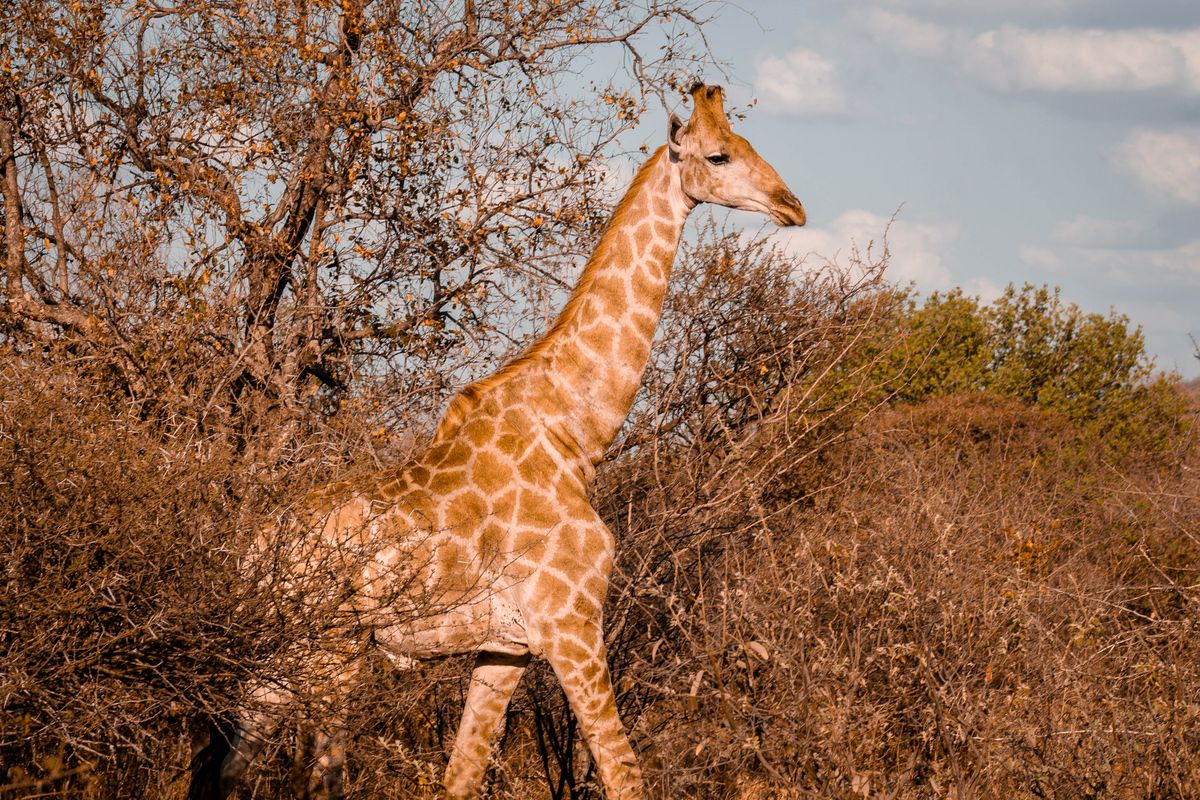
MalaMala Game Reserve
Iconic Sabi Sand reserve with the largest tract of riverfront in the region — consistently among the best leopard viewing on Earth.

Sabi Sand Game Reserve
The premium private reserve adjoining Kruger — legendary leopard sightings and off-road game drives.
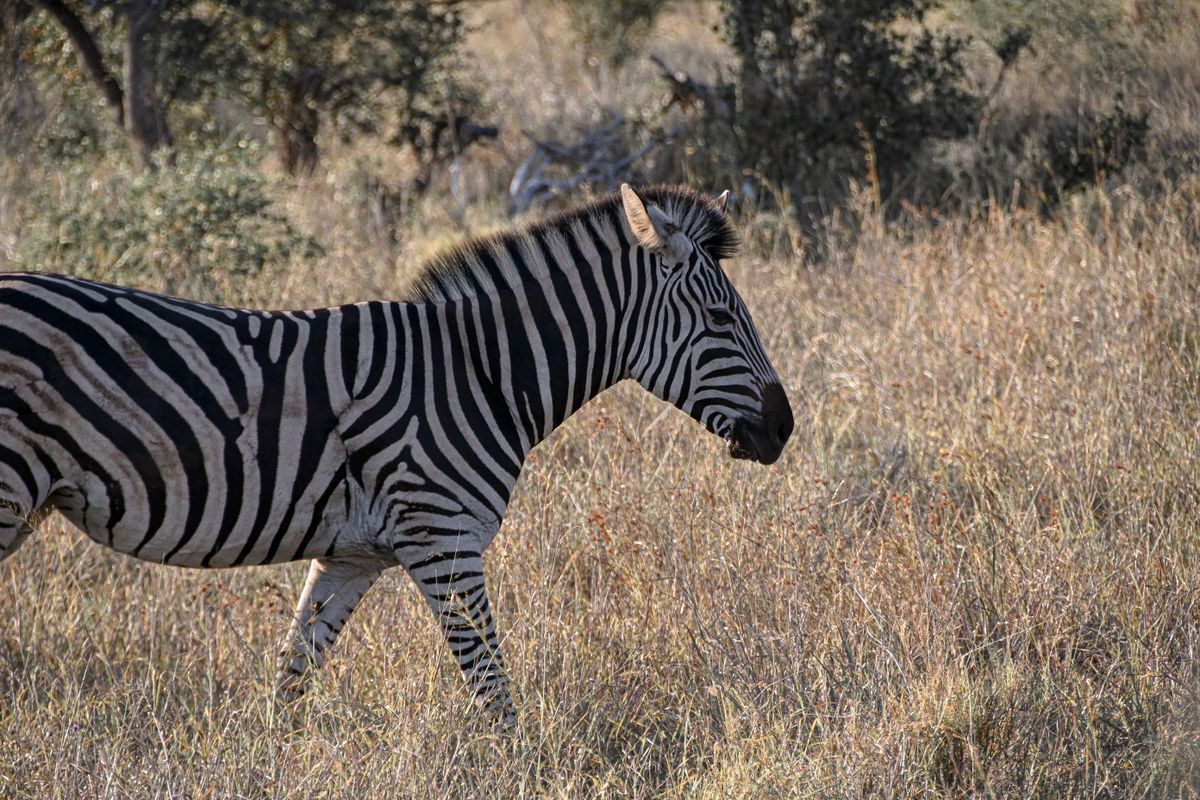
Thornybush Game Reserve
Big Five private reserve adjoining Timbavati — luxury lodges and off-road game viewing close to Kruger.