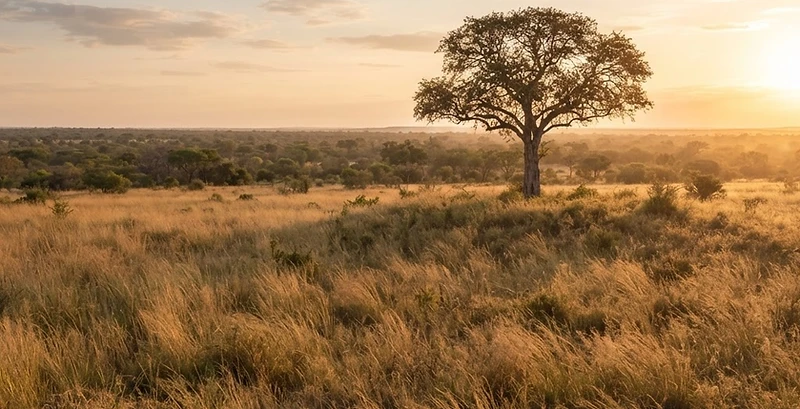
Kruger National Park
South Africa's flagship Big Five park — nearly two million hectares of lowveld, 147 mammal species, and one of the densest wildlife populations in Africa.
Trip Role
Ideal stay
Best for
Our take
The self-drive safari benchmark, and the place almost every first-time visitor should start.
The self-drive safari benchmark, and the place almost every first-time visitor should start.
- Trip Role
- Trip Anchor
- Ideal Stay
- 3-4 nights
- Best For
- First-timers, self-drivers, anyone who wants the full safari on a real budget.
- Skip If
- Travelers who want a private guide and a plunge pool, or anyone who can't take malaria medication.
- Go If
- It's your first safari, or you want Big Five without a lodge price tag.
- Worth Extra Drive
- 120 min
What to optimise for
What Kruger National Park rewards
The same reserve can be a different trip depending on what you came for. Choose the version you want, then plan around it.
- Self drive safari
- This is the primary way to experience the park. Rent a standard sedan and navigate the tar network at your own pace. The trade-off is high traffic volume on popular routes near southern camps. Be prepared to spend hours behind the wheel to secure the best wildlife sightings.
- Big five sightings
- Concentrate your time in the southern section where game density is highest. You will see lion, leopard, elephant, rhino, and buffalo if you commit to dawn and dusk departures. The compromise is sharing these sightings with dozens of other vehicles and losing the sense of isolation found elsewhere.
- Budget wildlife trips
- Stay in SANParks rest camps to avoid the heavy premiums of private lodges. You gain the ability to be inside the park gates immediately at sunrise. The trade-off is a lack of privacy, shared communal facilities, and the requirement to book your accommodation months in advance for peak periods.
- Northern wilderness escape
- Head north of the Olifants River to leave the mass tourism of the south behind. You trade the high-density big five sightings for massive baobabs, unique landscapes, and true solitude. The compromise is much longer distances between sightings and a far greater reliance on patience to find animals.
When to go
Timing a visit to Kruger National Park
Rain, grass and water decide what you see. These are the trade-offs, season by season.
May to September dry winter
BestThe bush dies back and game congregates at shrinking water holes. Temperatures drop significantly at night, but days are bright and clear. This is the peak time for visibility. Expect higher prices and limited availability in rest camps if you do not book well in advance of your visit.
November to March green season
GoodAfternoon thunderstorms turn the landscape lush and dense. You see fewer animals because they hide in the thick cover and find water everywhere. The heat is intense and malaria risk is at its highest. You get lower rates and fewer crowds, but your patience will be tested by sightings.
April and October shoulders
GoodThese months offer a balance between the extremes. The weather is milder, the crowds are thinner than the mid-winter peak, and the bush is often in a state of transition. You may catch the last of the greenery or the first signs of the dry season thin-out.
How long to stay
Nights, and what each one buys
Nights are the unit of cost here. This is the honest return on each one.
- Day visit
- A day visit allows for a brief introduction but leaves little time to reach the deeper, more rewarding parts of the reserve. You will likely spend most of your energy navigating the entrance queues, which limits your window for actual game viewing before the gates force you to exit.
- Two to three nights
- This is the minimum duration required to acclimatize to the environment and the rhythms of the bush. It gives you enough time to move between two different rest camps, which helps cover more ground and increases your odds of finding a variety of wildlife in diverse habitats.
- A week
- A full week allows you to transition from the hectic southern sector to the quiet north. You can slow down, spend entire mornings at a single water hole, and avoid the fatigue of constant driving. It is the best way to experience the true scale of the national park.
Getting there
Airport, road, gate
Distances here are hours, not kilometres. Fuel up before the last town.
- Nearest airport
- Skukuza Airport is inside the park, while Kruger Mpumalanga International near Nelspruit serves as the main gateway. Both are serviced by daily flights from Johannesburg. You will need to hire a car at the airport to reach your base and conduct your own game drives.
- Drive
- Driving from Johannesburg takes about five to six hours. The route is straightforward but demands alertness, especially on the final stretches toward the gates. Factor in additional time for potential road works and the inevitable delays that occur when navigating toward popular entry points during the weekends.
- Gates and hours
- Gate times are rigid and follow the sun. You must be inside the camp or out of the park by the published closing time. Missing these times results in significant fines. Check the specific gate hours before departure, as they change slightly throughout the year based on the season.
- Roads and vehicle
- A standard sedan is perfectly capable of traversing the tarred road network. You do not require a high-clearance 4x4 unless you intend to use specific restricted gravel routes. Keep to the speed limits, as animals frequently cross the roads and the rangers monitor speeds with radar.
Where to base yourself
Three kinds of base
The base decides your gate times, your privacy and your bill more than the reserve does.
SANParks Rest Camps
These provide the most authentic and affordable access. You stay inside the fence, often right next to active wildlife areas. Facilities are basic but functional. You have full control over your day, but you are responsible for your own meals and planning your routes.
Private Concession Lodges
These lodges sit on private plots within the park borders. They provide a high-end, all-inclusive experience with guided drives and off-road access. You pay a steep premium for this exclusivity, but you avoid the crowds and the need to self-drive on the busy tarred park roads.
Gateway Towns
Towns like Hazyview or Phalaborwa offer hotels and guesthouses outside the park fence. This is a fallback if the camps are full. You have more dining choices but you must factor in the time and expense of driving to the gate and back every single day.
Day trips and detours
What else the day holds
Most stays run on a fixed rhythm of dawn and dusk drives. The middle of the day is yours.
Panorama Route
1 to 2 hours
The escarpment offers views over the Lowveld, including Blyde River Canyon and various waterfalls. It is a massive departure from the safari experience. Do this on your way in or out of the park rather than losing a full morning of game viewing inside the reserve.
Private concession drive
Variable
Several luxury lodges operate on private land within or bordering the park. You can sometimes book a game drive if you are not staying there. This allows you to go off-road to track predators. Check availability and pricing in advance as these are often restricted to lodge guests.
Night drive
Internal
SANParks runs scheduled night drives from most rest camps. These are essential for spotting nocturnal predators and rare species like leopard. They are well worth the modest cost. Book these the moment you arrive at your camp, as they fill up quickly during the busier times of year.
What it costs
The money, in bands
Rand rates and park fees change. Compare the bands, then check current figures with the park or the lodge directly.
- Park or reserve fees
- Daily conservation fees are mandatory for all visitors. South African citizens and residents receive a significantly reduced rate. Rates vary based on your nationality and are checked against your identification at the entry gate. Pay these upon entry or pre-book online to speed up the process.
- Self-catering
- This is the most economical way to visit. Rest camps provide kitchens and braai facilities. You should shop for your groceries in a major city before reaching the park, as supplies inside are limited and more expensive. Rates for accommodation vary by camp size and comfort level.
- Mid-range guided
- This covers guided drives offered by the park and potentially some meals. It is a step up from total self-sufficiency. Rates vary by operator and the specific programme you choose. This is useful for travellers who want expert eyes to help locate elusive species like leopard or lion.
- Top end and fly-in
- This represents the private luxury lodge sector, where rates are all-inclusive and high. You pay for seclusion, gourmet catering, and expert tracking. Rates vary significantly depending on the lodge and the season. These packages are best for those who want a curated, effortless bush experience.
Why it's worth your time
Kruger is the park every other South African reserve gets measured against, and for a self-drive first-timer there is still nowhere better. Twenty thousand square kilometres of lowveld, every mammal you came to see, and a road network you can navigate yourself in a regular rental. The SANParks rest camps are functional rather than luxurious, but they put you inside the park at a fraction of what a private lodge costs, and the dawn and dusk drives between camps are where the sightings happen. The trade-offs are real: it gets crowded at peak season and in school holidays, the main tar roads around Skukuza and Lower Sabie can feel like a convoy, and it is in a malaria zone. But the size means you can escape the crowds by heading north, and the density of game in the south is unmatched for the price.
What we love
Driving yourself at your own pace, and paying camp fees instead of lodge rates.
What to know
Malaria precautions needed. Book rest camps and conservation fees months ahead in peak season.
The full guide
What it is like
Kruger occupies twenty thousand square kilometres of lowveld, a sprawling stretch of bushveld that feels massive the moment you clear the gate. The terrain is a mix of dense mopane scrub, granite outcrops, and acacia thickets that shift in color depending on the season and the angle of the sun. The light in the early morning is sharp and clear, casting long shadows across the red dust of the service roads, while the midday heat creates a shimmering haze that makes the horizon vibrate. The soundscape is dominated by the dry rustle of grass and the intermittent calls of birds that define the rhythm of the day.
Your first hour inside the park often feels like an exercise in frustration. You are likely to encounter a traffic jam of other visitors staring at an empty tree before you see a single animal. Unlike the neighboring private reserves where vehicles drive off-road to track predators into the thick bush, Kruger restricts you to the road network. This creates a different tension. You are watching the verge for movement while juggling the rules of the road. It feels less like an exclusive wilderness experience and more like a massive, curated piece of nature managed for public access. The sheer scale eventually swallows the crowds, but the initial impression is one of intense, busy activity.
Wildlife, realistically
You will see animals. If you drive with any regularity and keep your eyes on the brush, you will see elephants, impala, and zebras within your first few hours. The density of wildlife in the southern reaches of the park is high, and sightings of lions or buffalo are common if you are patient enough to wait near a cluster of parked cars. The southern riverbeds serve as reliable magnets for game during the heat of the day, as the animals move toward the water to drink or seek shade under the riverine trees.
Leopards and rhinos remain difficult to find. A leopard is an expert at vanishing into a branch canopy or a dry ditch, and you should not expect to see one just because you paid an entrance fee. Seasonal movements dictate where the game gathers, but these patterns are not guarantees. Some days you will drive for hours through a silent landscape, and other days the road will be blocked by a breeding herd of elephants. Do not come here expecting the immediate, high-frequency predator encounters advertised by private lodges that track animals via radio, as the scale of Kruger makes for a more unpredictable experience.
How a visit works
A visit to Kruger is built around the internal road network and the rest camps. You can choose to drive your own vehicle or use the guided options provided by the park. Driving yourself offers the freedom to choose your own route and stay at a sighting for as long as you like, which is the primary draw for most visitors. The rest camps are functional and offer a base that keeps you inside the gates, saving you the time of entering and exiting the park each day. These camps vary in quality, but they prioritize utility over comfort.
One night is never enough. The logistics of checking in, navigating the park, and finding a decent vantage point consume significant time. You need at least three to four nights to understand the geography of your chosen sector and to account for the days when the wildlife remains hidden. Your day is shaped by the gate times, as you are expected to be back within the camp fences by sunset. This forces a rigid schedule that dictates your morning and evening movements, effectively splitting your day into distinct windows of activity followed by long hours of sitting in camp.
When to go
The dry winter months from May to September are the superior time for viewing game. The vegetation dies back, the grasses become thin, and the animals congregate around the shrinking waterholes, making them much easier to spot. The trade-off is the popularity of the park during this window. You will share the roads with many other travelers, and the main thoroughfares can feel like a convoy at peak hours. It is also the most expensive time to visit if you consider the demand for the best camp spots.
The summer months bring heat that can be punishing and vegetation that is so thick you might drive past a pride of lions without ever knowing they were there. The park is quieter and the landscape is lush, but the wildlife visibility drops significantly. There is also the constant presence of malaria to consider, which requires vigilance regardless of the season. Fire risk is a constant reality during the late winter months when the bush is at its most desiccated. Ultimately, you are trading the convenience of seeing game for the peace of a less crowded road.
Who it suits, who it does not
Kruger suits the independent traveler who enjoys the process of discovery. If you find satisfaction in planning a route, reading a map, and spotting your own game, you will find this place deeply rewarding. It is the best option for a first-time visitor who wants a full safari experience without the extreme expense of a luxury lodge. It rewards those who are patient, observant, and capable of managing their own schedule over several days.
This park will frustrate the traveler who demands exclusivity, silence, and immediate gratification. If you find crowds distracting or if you are uncomfortable with the idea of sitting in a rental car for hours at a time, look elsewhere. People who require high-end service and curated sightings will likely feel let down by the utilitarian nature of the public rest camps and the unpredictability of the wildlife. If you want the luxury lodge experience where the stress of navigation and identification is handled for you, Kruger is not the right fit. You are better off saving your money for a private reserve where the density of guides and off-road capability compensates for the smaller land area.
Before you book
Questions Kruger National Park always raises
- Is malaria a major risk?
- Yes, this is a malaria-endemic region. Consult a medical professional regarding the use of prophylaxis well before your departure. Regardless of medication, use repellent, wear long sleeves during dawn and dusk, and sleep under nets or behind closed windows. Do not treat the risk casually, especially during the wetter months.
- Should I choose self-drive or guided?
- Self-drive offers freedom and privacy, letting you stay as long as you like at a sighting. Guided drives provide the benefit of a professional tracker who understands animal behaviour. Many experienced visitors combine both to get the best of both worlds, using guides for the high-intensity evening and dawn hours.
- Do I need a 4x4 vehicle?
- No. The main road network is almost entirely tarred and perfectly suitable for a standard sedan or small hatchback. You do not need high clearance or four-wheel drive to navigate the park successfully. Simply drive slowly, pay attention to the road surface, and respect the speed limits at all times.
- Is this a good place for children?
- Kruger is excellent for families. Many camps have swimming pools and shops, and the ability to drive at your own pace means you can stop whenever children need a break. However, young children may find long hours in a car boring. Plan short routes with frequent stops to keep everyone happy.
- Is it worth the money compared to private reserves?
- Kruger is far more affordable than neighbouring private reserves. While private reserves offer off-road driving and guaranteed proximity, Kruger offers a vast, raw wilderness experience that you navigate yourself. If you value autonomy and budget over luxury and off-roading, Kruger is the superior choice for a first-time safari traveller.
Pair it with

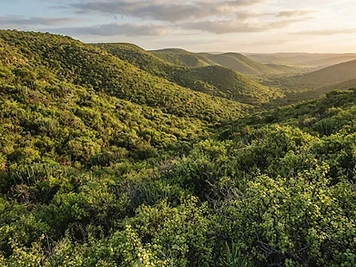
Addo Elephant National Park
Malaria-free elephant country — one of the best places on earth to see elephants in volume.
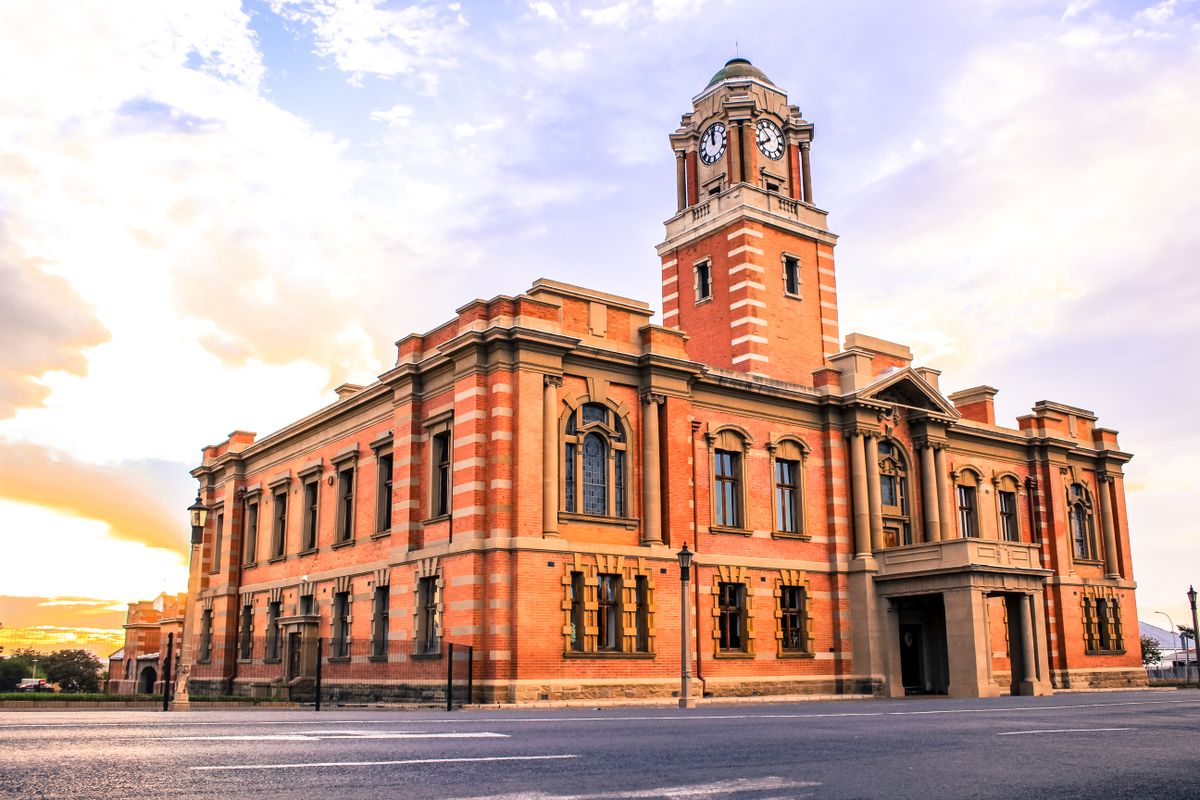
Hazyview
The self-drive Kruger gateway — the closest town to Phabeni and Numbi gates, and a launch point for the Panorama Route.

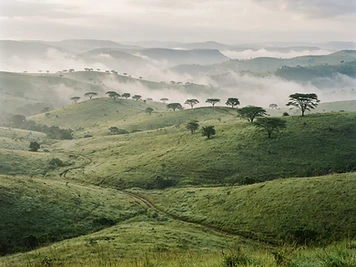
Hluhluwe–iMfolozi Park
South Africa's oldest game reserve and the park that saved the white rhino.

Sabi Sand Game Reserve
The premium private reserve adjoining Kruger — legendary leopard sightings and off-road game drives.