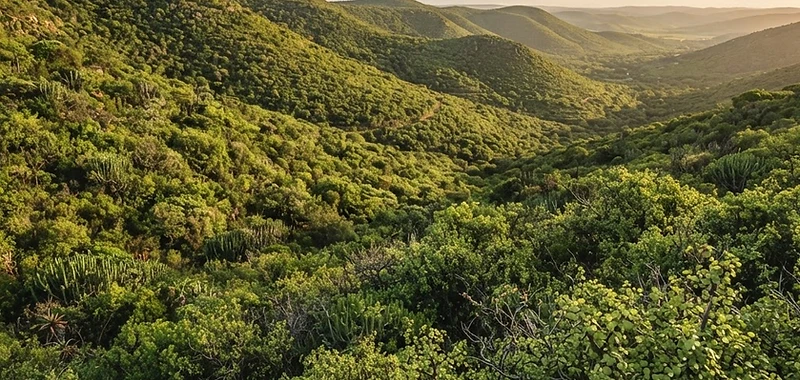
Addo Elephant National Park
Malaria-free elephant country — one of the best places on earth to see elephants in volume.
Trip Role
Ideal stay
Best for
Our take
The best malaria-free safari in the country for a short, easy trip.
The best malaria-free safari in the country for a short, easy trip.
- Trip Role
- Trip Anchor
- Ideal Stay
- 1-2 nights
- Best For
- Families, first-timers, anyone routing along the Eastern Cape coast.
- Skip If
- Travelers chasing dense predator action or vast wilderness.
- Go If
- You want a real safari without a malaria zone or a lowveld flight.
Why it's worth your time
Addo is the Eastern Cape's answer to Kruger without the malaria and without the flight to the lowveld, an hour from Gqeberha (Port Elizabeth). It started as an elephant sanctuary and the elephants are still the headline — hundreds of them, easy to find, often close to the road. It's since grown into a Big Seven park, adding southern right whales and great white sharks to the Big Five across its expanded marine section. For a first safari, a family safari, or a two-day stop on a Garden Route drive, it is the most accessible serious game park in the country. The trade-off is scale and variety: it's a fraction of Kruger's size, the predator density is modest, and self-drive sightings can be quieter than the private reserves nearby. But for the price and the ease, few places beat it.
What we love
Elephants you can nearly count on, in a malaria-free park you can reach on a day's drive.
What to know
Malaria-free. Main camp is the best base; book the waterhole hide for an hour at dusk.
The full guide
What it is like
Addo is a dense, thicket-choked pocket of the Eastern Cape. The landscape consists of tangled spekboom scrub that hugs the ground and obscures long views. The light here is sharp and white, reflecting off the pale, dusty soil that coats every vehicle by midday. You will hear the snapping of branches and the low, resonant rumbles of elephant herds long before you actually see them through the dense wall of greenery. The air feels heavy and scrubbed of moisture.
The initial hour inside the park is often a study in frustration for those expecting wide-open savannahs. You will find yourself squinting into thick brush, waiting for a grey shape to emerge from the grey foliage. It feels smaller and more contained than the sprawling northern parks. While the private reserves on the neighbouring borders rely on managed waterholes and manicured clearings, Addo maintains a wilder, more claustrophobic character. It does not possess the sweeping grandeur of the lowveld, but it rewards those who stop the engine and listen to the forest.
Wildlife, realistically
The elephants define the park. They are the reason the reserve exists, and they are everywhere. You will see them in groups, singly, and in nursery herds that block the narrow roads for twenty minutes at a time. They are the only guarantee here. Other Big Five species require genuine effort and a degree of luck. Lions are present but elusive, often hiding in the deep thickets where they remain invisible to the passing car. You might spend three days searching for a leopard and leave empty-handed.
The predator density remains modest compared to private reserves where rangers communicate sightings via radio. Addo is a place for observation rather than high-octane chasing. Seasonal movements follow the water, but because the vegetation is so thick, the animals often dictate their own visibility. The marine extension of the park adds a layer of complexity with whales and sharks, but the terrestrial experience remains focused on the persistent elephant traffic. Do not arrive expecting the sheer volume of game density seen in the Sabi Sands, and you will not leave disappointed.
How a visit works
Most travellers stick to the main camp as their base of operations. The logic is simple: it is central and puts you in the heart of the elephant territory. A self-drive approach is the standard, allowing you to choose your own pace and spend as much time as you want watching a calf interact with its mother. Guided drives are available through park operators, and these can be helpful for spotting things you would otherwise drive right past, but they follow set routes and timeframes. A private vehicle offers more freedom, provided you are willing to navigate the dusty loops yourself.
Two nights is the maximum stay required to feel like you have seen the park properly. A single night often feels rushed given the time it takes to wind through the gates. Spend your afternoons at the waterhole hide near the main camp. It is the single best way to witness the animal hierarchy without the noise of an engine. You must accept that your day will be shaped by the slow speed of the elephants and the occasional traffic jam caused by a herd crossing the road.
When to go
The winter months from May to September are the honest choice for game viewing. The vegetation thins out slightly, and the animals congregate around water sources as the heat dries the landscape. The mornings are crisp, sometimes bordering on cold, but the light is easier on the eyes. You lose the vibrant green of summer, but you gain a better chance of spotting the elusive predators through the bare stems of the spekboom.
Summer brings oppressive heat and tall, lush growth that turns the park into an impenetrable wall of green. You will have a harder time spotting anything smaller than an elephant. The crowds are also significantly heavier during school holidays, which makes the narrow, winding roads feel cramped and difficult to navigate. If your budget is tight, shoulder seasons can offer lower costs, but prepare for unpredictable weather. Avoid the peak of December if you value solitude, as the park reaches capacity and the noise levels from other tourists can become tiresome.
Who it suits, who it does not
Addo suits the traveller who wants an accessible, malaria-free introduction to safari without the logistical headache of flying to remote bush strips. Families find the infrastructure easy to manage, and the sheer number of elephants provides constant entertainment for children. If your goal is a quick stop on a coastal road trip, this park is the perfect anchor. It rewards the patient, low-key observer who is happy to sit at a waterhole with a book.
It frustrates those who have spent time in top-tier private reserves. If you have grown accustomed to off-roading, expert trackers, and guaranteed predator sightings, Addo will feel like a compromise. It lacks the exclusivity and the luxury service that defines the high-end safari circuit. If you are a seasoned safari-goer looking for a wilderness experience or high-density sightings, look toward the private reserves in the northern parts of the country instead. Addo is a solid, functional, and deeply rewarding experience, provided you understand it is a national park, not a boutique wildlife retreat.
Pair it with

Gqeberha
The Friendly City — a coastal Eastern Cape hub with beaches, ocean safari, and the gateway to Addo and the Garden Route's eastern end.

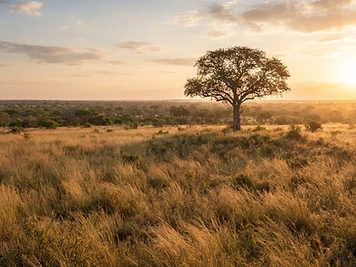
Kruger National Park
South Africa's flagship Big Five park — nearly two million hectares of lowveld, 147 mammal species, and one of the densest wildlife populations in Africa.
More national park in Eastern Cape

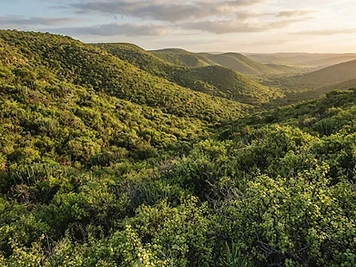
Addo Elephant National Park
Home to more than 600 elephants, plus lion, buffalo and the world's largest flightless dung beetle — a malaria-free Big Five park near Gqeberha.

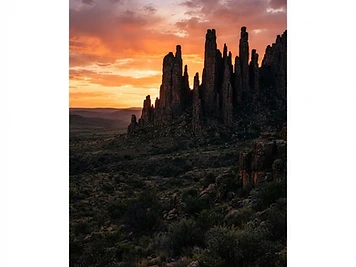
Camdeboo National Park
Surrounds Graaff-Reinet and the Valley of Desolation — kudu, springbok and Cape buffalo among dramatic Karoo columns.

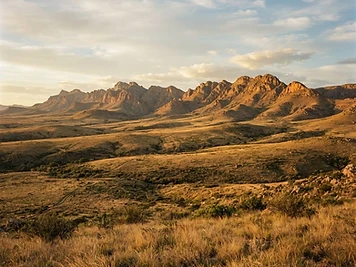
Mountain Zebra National Park
Cape mountains sanctuary for the endemic Cape mountain zebra, plus cheetah, buffalo and black rhino — malaria-free near Cradock.