Mountain Zebra National Park
Cape mountains sanctuary for the endemic Cape mountain zebra, plus cheetah, buffalo and black rhino — malaria-free near Cradock.
Trip Role
Ideal stay
Best for
Our take
The quiet Eastern Cape alternative — fewer crowds, real game, malaria-free.
The quiet Eastern Cape alternative — fewer crowds, real game, malaria-free.
- Trip Role
- Base
- Ideal Stay
- 1-2 nights
- Best For
- Travelers who've done the big parks and want quiet, self-drivers crossing the Karoo.
- Skip If
- First-timers wanting dense Big Five action.
- Go If
- You're crossing the Karoo or want an uncrowded reserve.
Why it's worth your time
Mountain Zebra National Park, near Cradock in the Eastern Cape, is the park that saved the Cape mountain zebra from extinction and remains the best place to see it. It's a malaria-free SANParks reserve on the Karoo edge, with self-drive routes, a rest camp, and a quiet that Kruger and Addo no longer offer. Beyond the namesake zebra there are cheetah, buffalo, black rhino and plains game, and the landscape — rolling karroid hills giving way to mountain — is its own reason to go. It's not a Big Five headline park and the predator action is modest, but for travelers who want a real reserve without the crowds, and a stop that breaks the long drive between the Eastern Cape coast and the interior, it's a strong, underused option.
What we love
A proper national park with almost no other vehicles.
What to know
Malaria-free. Self-drive; one rest camp. Pairs with a Karoo crossing.
The full guide
What it is like
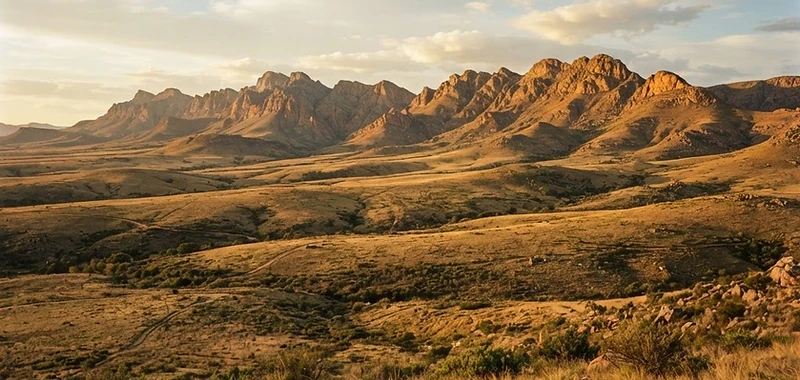
Mountain Zebra National Park sits on a high, rugged plateau that feels distinct from the scrubby plains you pass on the way from Cradock. The terrain is dominated by steep mountain ridges and deep, shadowed valleys that catch the light in ways that make the colours shift from dusty ochre to bruised purple by late afternoon. The scale is manageable and intimate, far removed from the sprawling, crowded lowveld reserves. Silence is the primary feature here, broken only by the wind moving through the dry, sparse vegetation or the occasional call of a black eagle circling the crags.
The first hour involves climbing from the lower plains into the folded mountains, where the air grows thin and crisp. Unlike the neighbouring reserves that rely on dense bushveld, this landscape is open and exposed. You do not feel like you are searching through thicket for a hidden animal. Instead, you are traversing an amphitheatre. It is a slow, methodical drive that demands you look at the topography as much as the wildlife. The experience is meditative and quiet, lacking the frantic energy found at the gates of more famous parks.
Wildlife, realistically
The park exists primarily to protect the Cape mountain zebra, and you will see them here in abundance. They are easily distinguished from the common plains zebra by their distinct dewlap and smaller, more compact frame. Seeing them graze on the rocky slopes is a guaranteed encounter. Beyond the namesake species, you can expect common plains game like red hartebeest, springbok, and black wildebeest. These animals are generally unbothered by vehicles, allowing for decent photographic opportunities without the need for off-roading.
Predators are present but keep a low profile. While cheetah sightings occur, they are far from guaranteed and require a sharp eye and significant patience. Buffalo and black rhino also roam the mountainous terrain, but they are elusive and often retreat into the deeper kloofs when temperatures rise. Do not arrive expecting the consistent predator action of the Kruger. This is not a destination for those who want to tick off a list of headline species in a single weekend. It is a place where you appreciate the persistence of life in a harsh, dry environment.
How a visit works
This is a self-drive destination. There is a single rest camp that serves as the central hub for accommodation and information. The logistics are straightforward and lean, meaning you rely on your own vehicle to navigate the network of gravel roads. Some tracks are steep and require a high-clearance vehicle, though standard cars can manage the primary routes if driven carefully. The day is shaped by how much of the mountain you choose to climb, as the slow pace of the terrain limits how much ground you can cover between sunrise and sunset.
One or two nights is sufficient to explore the core routes. Staying longer than three nights often leads to diminishing returns unless you intend to spend your time hiking or sitting on your porch watching the light change. The camp offers the standard facilities you expect from a national park, including communal braai areas and basic amenities. There is little reason to seek out external guides unless you want specific insight into the mountain flora, as the park is designed to be navigated independently at your own speed.
When to go
The seasonal trade-offs are dictated by the harsh nature of the Karoo. Winter months offer the best game visibility because the grass is short and the animals congregate around the few remaining water sources. The days are clear and bright, but the nights drop to freezing temperatures, so bring adequate bedding and heavy layers. Summer brings higher temperatures and the occasional intense thunderstorm, which turns the dry landscape vibrant green almost overnight. While the scenery is more dramatic during the rains, the animals tend to disperse and become harder to spot in the lush growth.
Crowds are rarely a factor regardless of when you visit, though the school holidays bring a slight uptick in visitors. If you want to avoid the heat, plan for the shoulder months of April or September. These periods balance tolerable temperatures with enough vegetation to make the landscape look healthy without obscuring your view. Cost remains relatively stable throughout the year as the park operates on a standard park fee structure, avoiding the price volatility seen in private reserves.
Who it suits, who it does not
This park rewards the patient traveller who has already checked the major reserves off their list. It is an ideal stop for those crossing the country by car who want a quiet, malaria-free environment that serves as a genuine base for contemplation. If you find value in solitude and enjoy the aesthetic of wide-open, mountainous horizons, you will find this place deeply satisfying. It is a relief to visit a park where you can drive for hours without seeing another vehicle.
It will frustrate the traveller who needs constant stimulation or expects a parade of lions every morning. Those who equate a safari with a high density of big predators will be disappointed by the modest sightings and the empty stretches of road. If you are looking for a luxury experience or high-intensity game viewing, go to Addo or a private concession in the lowveld instead. Mountain Zebra is for those who find the act of simply being in the landscape sufficient, provided the setting is quiet and well-managed.
More national park in Eastern Cape

Addo Elephant National Park
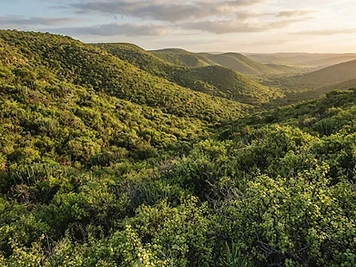
Malaria-free elephant country — one of the best places on earth to see elephants in volume.
Addo Elephant National Park
Home to more than 600 elephants, plus lion, buffalo and the world's largest flightless dung beetle — a malaria-free Big Five park near Gqeberha.

Camdeboo National Park
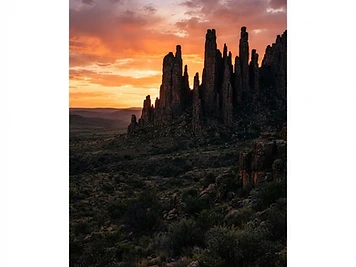
Surrounds Graaff-Reinet and the Valley of Desolation — kudu, springbok and Cape buffalo among dramatic Karoo columns.