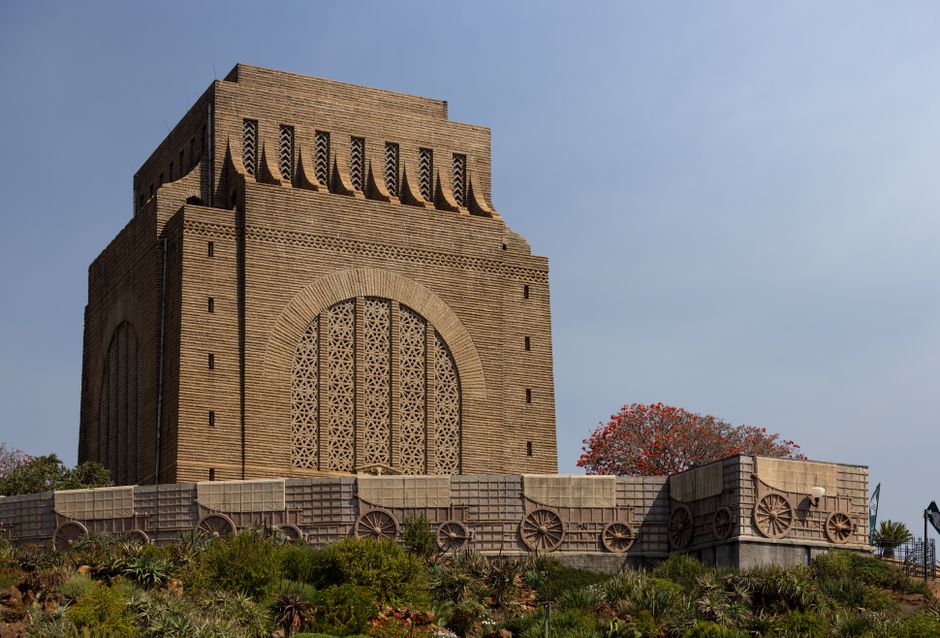
Voortrekker Monument
A massive granite monument to the 19th-century Voortrekker migration — controversial, imposing, and impossible to understand Afrikaner nationalism without.
Trip Role
Ideal stay
Best for
Our take
This is a heavy, imposing piece of political architecture that demands attention. It is essential for understanding the roots of Afrikaner nationalism, serving as a stark, granite-clad window into a specific and influential chapter of South African history.
This is a heavy, imposing piece of political architecture that demands attention. It is essential for understanding the roots of Afrikaner nationalism, serving as a stark, granite-clad window into a specific and influential chapter of South African history.
- Trip Role
- Worth a Detour
- Ideal Stay
- 90 minutes to two hours, plus the drive.
- Best For
- historical context, architectural study, panoramic city views, quiet reflection
- Skip If
- casual tourists, those seeking light entertainment, visitors with limited time
- Go If
- You are a student of history or politics who wants to understand the ideological foundations of the former state. It is a necessary stop for anyone grappling with the complexities of South African identity.
Why it's worth your time
A 40-metre granite monument to the Great Trek — historically loaded, architecturally striking, and essential context.
What we love
The engineering precision of the cenotaph lighting is genuinely impressive. At exactly noon on the sixteenth of December, a shaft of sunlight pierces the dome to illuminate the words on the cenotaph below. It is a deliberate, calculated moment of theatre that perfectly encapsulates the monument's intent.
What to know
The site is vast and requires significant walking. Wear comfortable shoes for the climb to the entrance and the exploration of the surrounding nature reserve. Check the official website before you leave, as entry fees and operating hours vary by season and visitor type. Do not expect a quick visit; the scale of the structure demands time.
The full guide
The Architecture of Ideology
The monument is a massive granite structure that dominates the hill south of Pretoria. Designed by Gerard Moerdijk and opened in 1949, its Art Deco lines are intended to project strength and permanence. The exterior is ringed by a wall of sixty-four granite ox-wagons, a direct reference to the defensive laager formation used at the Battle of Blood River. Inside, the Hall of Heroes contains the world's largest historical frieze, depicting the Great Trek in twenty-seven marble panels. Every element, from the statue of the Voortrekker woman to the cenotaph in the lower hall, is a deliberate symbol of Afrikaner nationalism. The building does not just house history; it is a physical manifestation of the political ideology that shaped the country for much of the twentieth century.
Navigating the Interior
Start your visit by walking the perimeter to appreciate the scale of the granite work and the views over the city. Once inside, the Hall of Heroes is the primary focus. Take your time with the friezes, as they provide the narrative arc of the migration from the Cape Colony. Descend to the Cenotaph Hall to see the central focal point of the monument. The atmosphere here is intentionally solemn and quiet. If you are interested in the broader context, look for the Vrijheidsreis museum, which offers an interactive look at the journey from the Great Trek to the formation of the Republic. The site is large, so prioritise the main hall and the cenotaph if your time is limited. Bring a sense of curiosity about how history is curated and remembered.
Practicalities and Surroundings
The monument sits on a hill south of Pretoria, making it easily accessible by car. There is no convenient public transport or walking route to the entrance, so a taxi or private vehicle is necessary. The surrounding grounds are a declared nature reserve, which provides a quiet, green contrast to the stark granite of the monument. For a more balanced historical perspective, many travellers pair this visit with a trip to Freedom Park, located on the facing hill. The two sites offer opposing narratives of South African history, and seeing them back-to-back provides a much clearer picture of the country's past. Check the official website for current entry fees, as these vary for international and local visitors. Refreshments are available on-site, but the primary draw remains the historical and architectural experience.
Before you book
Questions Voortrekker Monument always raises
- Is the Voortrekker Monument worth visiting?
- Yes, if you are interested in South African history. It is a significant site that explains the origins of Afrikaner nationalism. If you prefer neutral or lighthearted attractions, you may find the heavy political symbolism and the specific narrative focus less engaging or even uncomfortable.
- Can I visit Freedom Park and the Voortrekker Monument on the same day?
- Absolutely. They are located on facing hills and represent two different, often conflicting, perspectives on South African history. Visiting both provides a comprehensive and thought-provoking experience that is far more rewarding than seeing either one in isolation. Allow a full half-day for both.
- Do I need a guide to understand the monument?
- A guide is not strictly required, but it is highly recommended. The monument is dense with symbolism and specific historical references that are not always clear from the displays alone. A knowledgeable guide can provide the necessary context to help you interpret the site's complex political history.
- What is the best way to get there?
- The most practical way to reach the monument is by private car or taxi. It is located south of Pretoria city centre, and there is no reliable public transport that drops you at the entrance. If you are visiting multiple sites, hiring a driver for the day is the easiest option.
More historic site in Gauteng
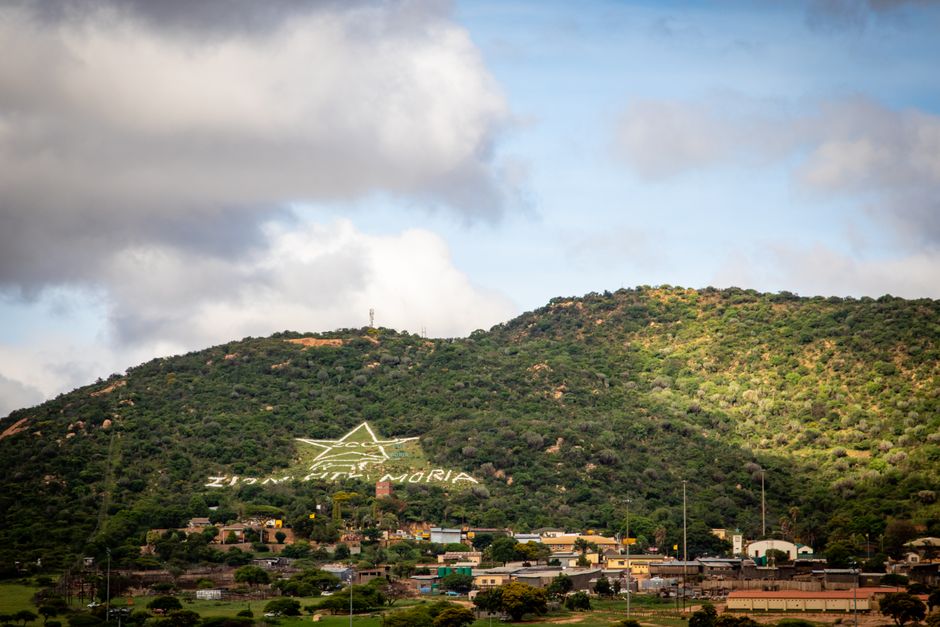
Constitution Hill
A living court-and-prison precinct — the Old Fort, the Constitutional Court, and South Africa's constitutional story in one site.
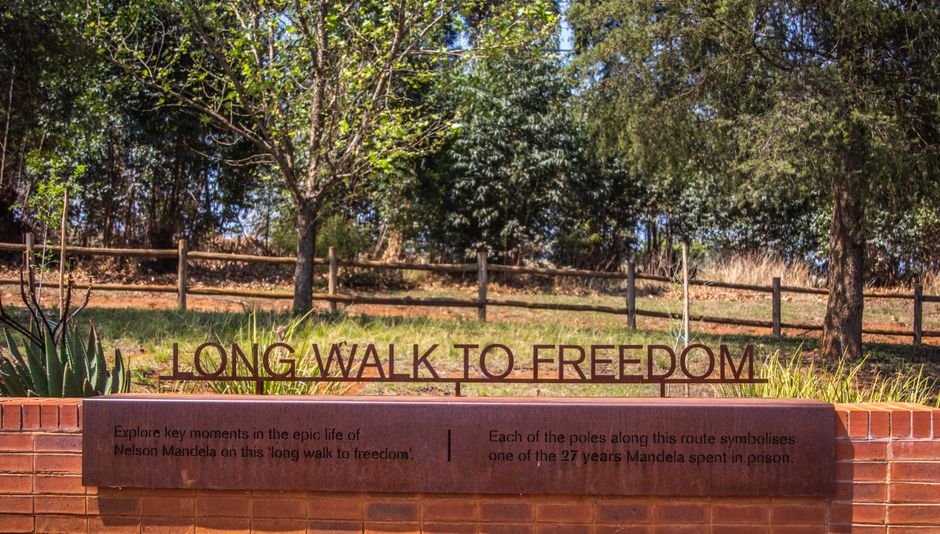
Freedom Park
A memorial precinct on Salvokop overlooking Pretoria — the country's official site of remembrance for the struggle.
Liliesleaf
The Rivonia-era safe house where the ANC leadership was arrested in 1963 — now a museum of the underground struggle.

Mandela House
Nelson Mandela's Soweto home on Vilakazi Street — the small house where the family lived before and after prison.