
Mandela House
Nelson Mandela's Soweto home on Vilakazi Street — the small house where the family lived before and after prison.
Trip Role
Ideal stay
Best for
Our take
Mandela House is a modest, poignant look at the domestic reality of a global icon. It is not a grand museum, but a small, brick-walled testament to the personal sacrifices made during the struggle against apartheid.
Mandela House is a modest, poignant look at the domestic reality of a global icon. It is not a grand museum, but a small, brick-walled testament to the personal sacrifices made during the struggle against apartheid.
- Trip Role
- Day Trip
- Ideal Stay
- 30 to 60 minutes, excluding the time spent on Vilakazi Street.
- Best For
- a quick, personal look at history, context for Soweto, Nobel laureate history
- Skip If
- those expecting a large, sprawling museum, visitors with limited time
- Go If
- You are already touring Soweto and want to ground your understanding of the liberation struggle in the intimate, everyday reality of the Mandela family home. It is essential for those seeking a personal, human-scale perspective.
Why it's worth your time
The Soweto house Mandela returned to — a small, full house on the world's only street with two Nobel laureates.
What we love
The sheer, jarring ordinariness of the structure. Seeing the cramped rooms where a world-changing figure lived makes the history feel tangible and immediate in a way that larger, more polished institutions simply cannot replicate. It is a rare, quiet moment of humanity in a loud, busy street.
What to know
The house is extremely small and can only accommodate a limited number of visitors at once, which often leads to queues. Vilakazi Street is a major tourist hub, so expect noise, crowds, and aggressive souvenir hawkers outside. Visit on a weekday morning to avoid the worst of the weekend bus tours and school groups.
The full guide
The domestic reality of a struggle
The house at 8115 Vilakazi Street is a standard matchbox-style dwelling, identical to hundreds of others built in Orlando West during the 1940s. It served as the family home for Nelson and his wives, Evelyn and later Winnie, though Mandela himself spent little time there due to his intense political activity and eventual imprisonment. The interior is sparse, containing a collection of personal memorabilia, photographs, and honorary awards that trace the family's life through the most turbulent years of the apartheid era. It is not a place of grand exhibits or high-tech displays. Instead, it offers a glimpse into the domestic life of a man who became a global symbol of resistance. The scale of the rooms, which are remarkably small, provides a necessary, sobering context for the life he led before his long incarceration.
Navigating the site and surroundings
Because the house is small, the experience is often managed through guided tours that move groups through the rooms in quick succession. You should be prepared for a structured, sometimes hurried, walk-through. The site is located on Vilakazi Street, which is a major tourist destination in its own right, being the only street in the world to have housed two Nobel Peace Prize winners. The area is perpetually busy, filled with restaurants, street vendors, and tour groups. To get the most out of your visit, treat the house as one stop in a broader half-day tour of Soweto. Prioritise visiting the nearby Hector Pieterson Memorial to understand the 1976 uprising, which provides the essential political backdrop for the neighbourhood. Do not expect a solitary or quiet experience; the street is a vibrant, loud, and commercialised space.
Practicalities for the visitor
Access to the house varies by operator and season, so check the official museum website or local listings before you travel. Entry fees are tiered, with different rates for local and international visitors, and students or pensioners often receive discounts. You will find on-street parking, but it can be chaotic; many visitors prefer to arrive as part of a guided tour or via a reputable local transport service. The museum is generally open daily, but hours can shift, so verify them before you head out. If you are sensitive to crowds, avoid weekends entirely. The surrounding area is safe for tourists during the day, but keep your belongings secure and be prepared for the persistent attention of local vendors. The experience is best when you arrive with some prior knowledge of the Mandela family's history.
Before you book
Questions Mandela House always raises
- Is it worth visiting if I have already been to the Apartheid Museum?
- Yes, but for a different reason. The Apartheid Museum provides the broad, necessary historical context, while Mandela House offers a specific, intimate look at the family's personal life. They complement each other well if you have the time to visit both.
- Can I walk around the house on my own?
- The museum typically uses guided tours to manage the flow of visitors through the small rooms. While you may occasionally have some freedom, expect to follow the guidance of the staff to ensure everyone gets a chance to see the interior.
- Is the house wheelchair accessible?
- The house is a small, historic structure with narrow doorways and tight spaces. Accessibility is limited, and you should contact the museum directly before your visit to confirm if they can accommodate specific mobility requirements.
- Do I need to book my tickets in advance?
- While you can often buy tickets on arrival, booking in advance is recommended if you are visiting during peak tourist seasons or on weekends to avoid long wait times. Check the official website for the most current booking procedures.
More historic site in Gauteng
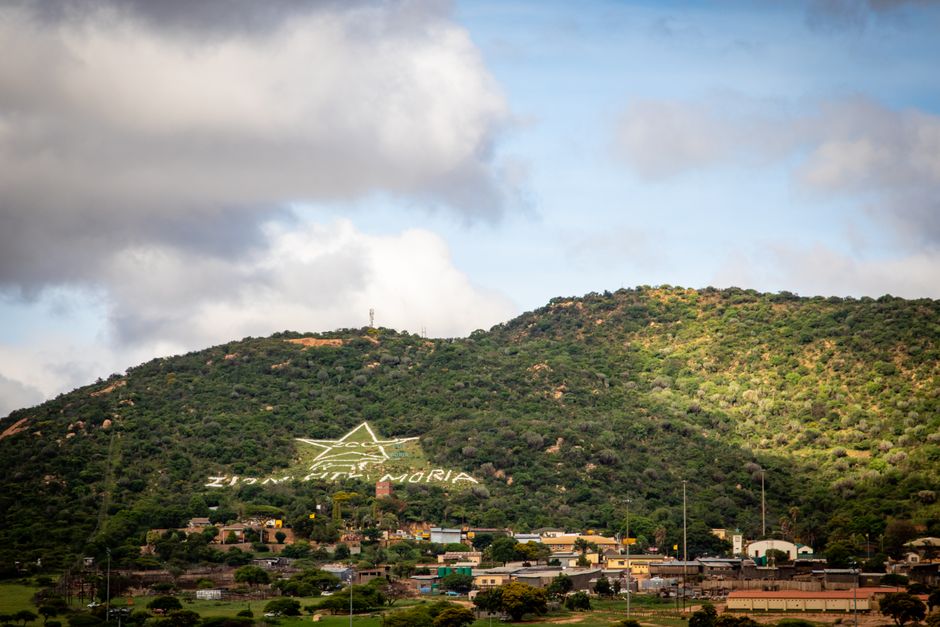
Constitution Hill
A living court-and-prison precinct — the Old Fort, the Constitutional Court, and South Africa's constitutional story in one site.
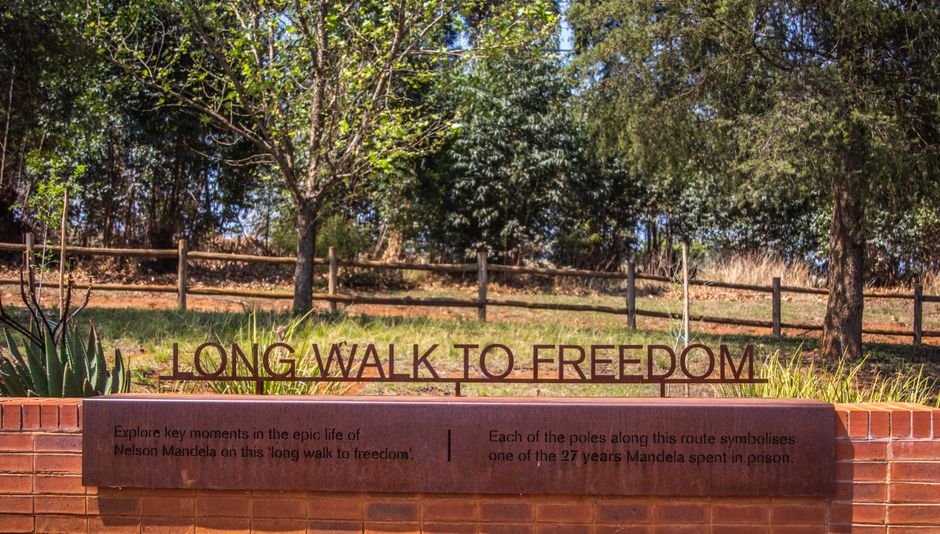
Freedom Park
A memorial precinct on Salvokop overlooking Pretoria — the country's official site of remembrance for the struggle.
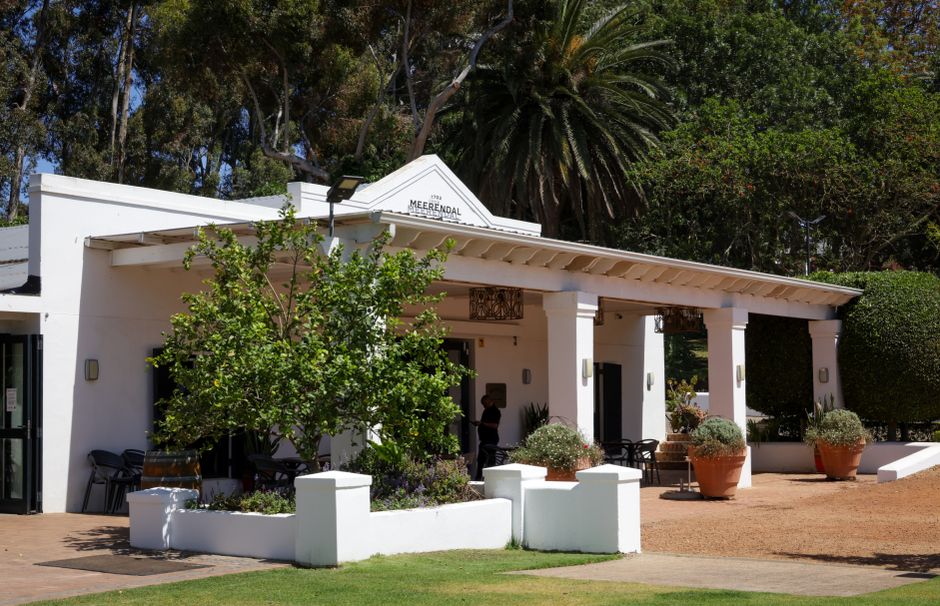
Liliesleaf
The Rivonia-era safe house where the ANC leadership was arrested in 1963 — now a museum of the underground struggle.
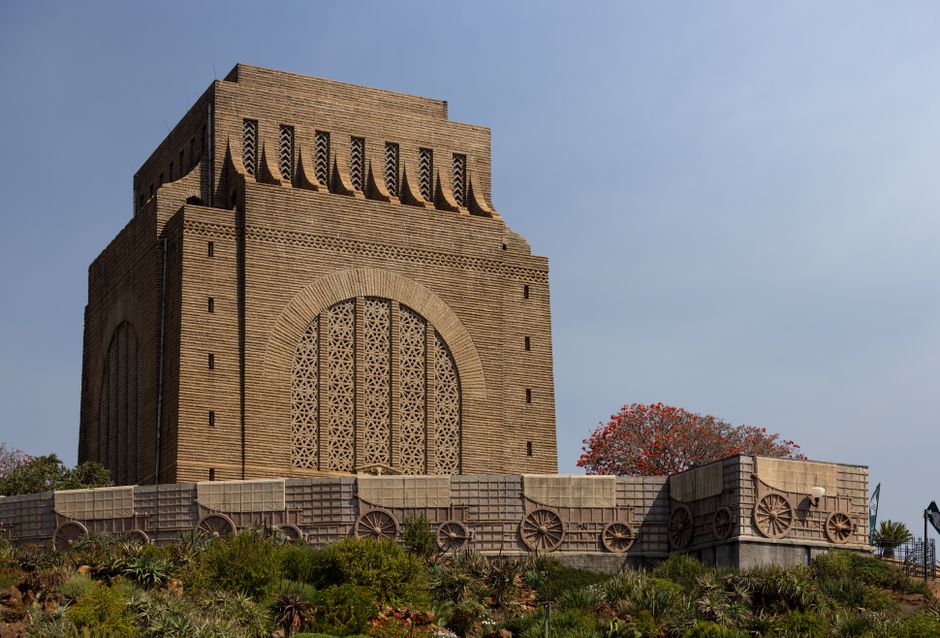
Voortrekker Monument
A massive granite monument to the 19th-century Voortrekker migration — controversial, imposing, and impossible to understand Afrikaner nationalism without.