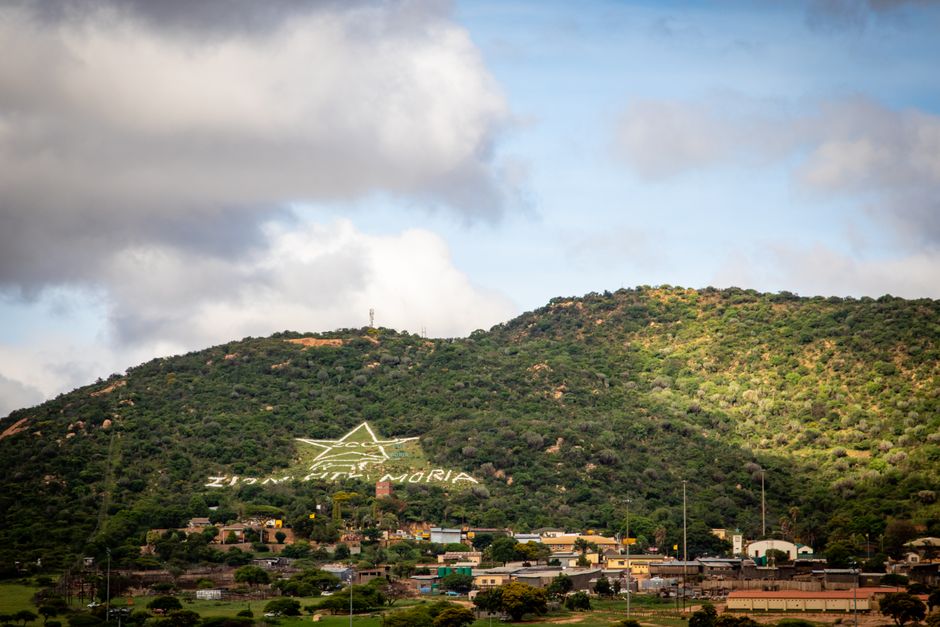
Constitution Hill
A living court-and-prison precinct — the Old Fort, the Constitutional Court, and South Africa's constitutional story in one site.
Trip Role
Ideal stay
Best for
Our take
Constitution Hill is a heavy, essential site that forces a confrontation with South Africa’s past. It succeeds by placing the brutal reality of its former prisons directly alongside the hopeful architecture of the country’s highest court.
Constitution Hill is a heavy, essential site that forces a confrontation with South Africa’s past. It succeeds by placing the brutal reality of its former prisons directly alongside the hopeful architecture of the country’s highest court.
- Trip Role
- Trip Anchor
- Ideal Stay
- three to four hours
- Best For
- historical context, architectural contrast, understanding South African democracy, guided tours
- Skip If
- casual tourists, young children, those avoiding heavy emotional content
- Go If
- You want to understand the human cost of apartheid and the subsequent attempt to build a democratic society. It is a necessary stop for anyone seeking the historical context of modern South Africa.
Why it's worth your time
A prison turned into the country's highest court — the Old Fort, the Constitutional Court, and the story of rights in one visit.
What we love
The physical juxtaposition of the site is unmatched. Walking from the claustrophobic, brutal cells of Number Four and the Women’s Jail into the light-filled, open chamber of the Constitutional Court provides a visceral, architectural lesson in the country’s transition that no textbook can replicate.
What to know
The precinct is large and requires significant walking. While some areas are free to enter, you will need to pay for access to the main prison museums. Check the official website or call ahead to confirm current tour schedules and entry fees, as these vary by season and operator. Wear comfortable shoes and prepare for an emotionally demanding experience.
The full guide
Navigating the prison museums
The precinct contains three distinct prison sites: the Old Fort, the Women’s Jail, and Number Four. Each holds a different, harrowing history of incarceration. Number Four, once the prison for black men, is particularly stark and serves as a dark heart of the complex. You will find cells left largely as they were, with graffiti and structural decay providing a grim record of the conditions. The Women’s Jail offers a different perspective on the same system of abuse. Do not try to rush through these; the exhibits rely on the personal stories of former inmates to convey the reality of life under apartheid. If you are unsure where to start, the visitor centre provides maps and information on which sections are currently open for self-guided exploration or scheduled tours.
The Constitutional Court
The Constitutional Court is the final, necessary stop. It is built on the site of the old prison, using bricks salvaged from the demolished sections of the jail. This is not just a government building; it is a functioning court and a symbol of the country’s democratic transition. The architecture is deliberate, with high ceilings and light-filled spaces that contrast sharply with the prison cells you just left. You can often visit the court chamber, which is designed for transparency and public access. It is a place of active debate and legal proceedings, so be mindful of your surroundings if a session is in progress. The Flame of Democracy, located nearby, serves as a focal point for the entire precinct and is best viewed from the court’s vantage point.
Practicalities of the visit
The site is located in Braamfontein, near the centre of Johannesburg. It is accessible by car or the City Sightseeing bus, but check local transport advice before you set out. The precinct is a mix of indoor and outdoor spaces, so dress for the weather. There are various venues for food and events on-site, but the primary focus remains the heritage experience. Guided tours are available and highly recommended, as they provide the necessary context to interpret the exhibits correctly. If you are travelling in a group, it is wise to book your tour in advance. Remember that this is a place of memory and respect; keep your volume low and be prepared for the emotional weight of the stories you will encounter throughout the day.
Before you book
Questions Constitution Hill always raises
- Is it safe to visit Constitution Hill?
- Yes, the precinct is a well-managed, secure heritage site located in a busy part of Johannesburg. Like any major city, remain aware of your surroundings when arriving and departing, but the site itself is designed for public access and is monitored by security staff.
- Do I need to book a guided tour?
- You do not have to, but it is strongly recommended. The history of the site is complex, and the guides provide essential context that you might miss on your own. Tours are included in the museum entrance price, though you should check the schedule upon arrival.
- Can I take photographs inside the prison cells?
- Photography is generally permitted in most areas of the precinct, but always check for signage or ask a staff member before taking photos inside specific exhibits or the court chamber. Some areas may have restrictions to protect the privacy of the space or the integrity of the displays.
- Is the site wheelchair accessible?
- Much of the site has been renovated to include ramps and accessible pathways, but because it is a historic prison complex with uneven floors and narrow corridors, some areas may be difficult to navigate. It is best to contact the visitor centre ahead of time to discuss specific access needs.
More historic site in Gauteng
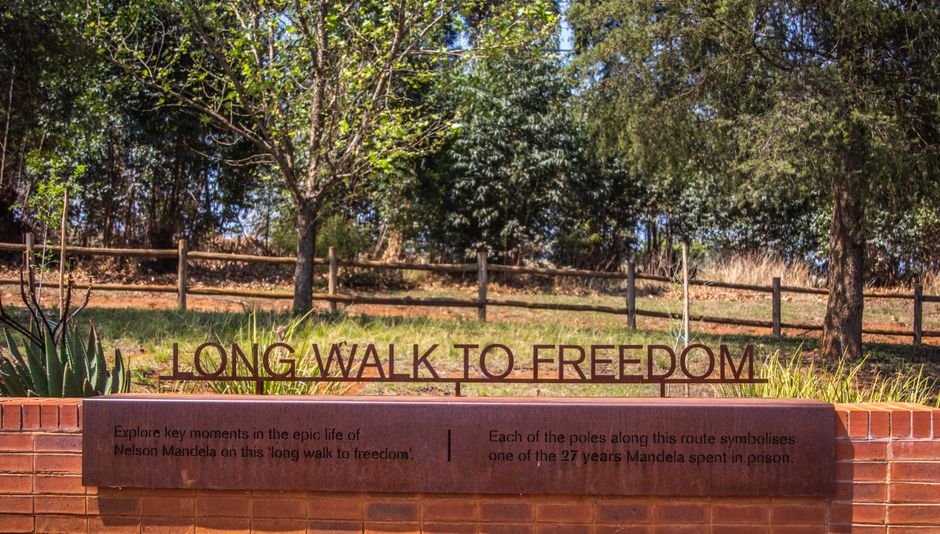
Freedom Park
A memorial precinct on Salvokop overlooking Pretoria — the country's official site of remembrance for the struggle.
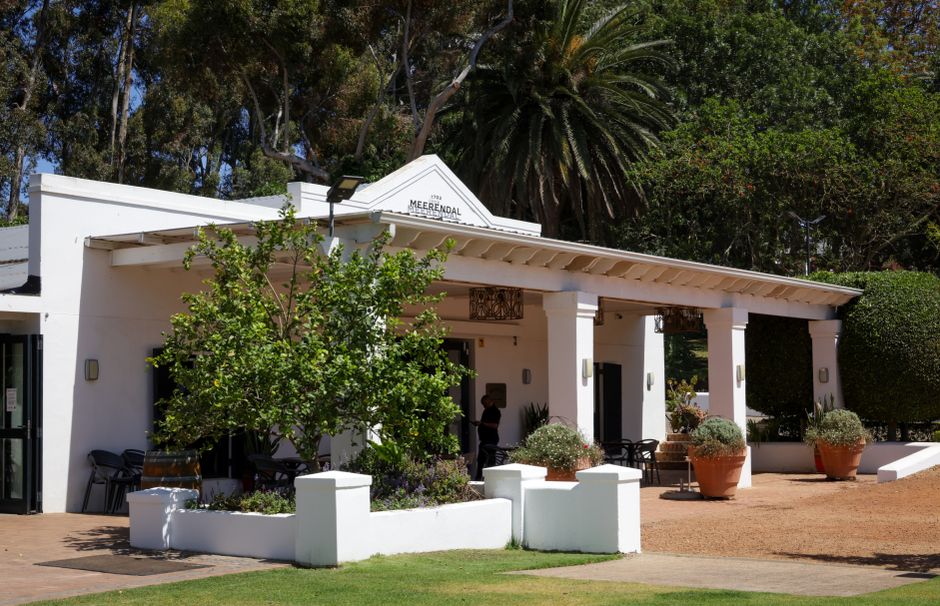
Liliesleaf
The Rivonia-era safe house where the ANC leadership was arrested in 1963 — now a museum of the underground struggle.

Mandela House
Nelson Mandela's Soweto home on Vilakazi Street — the small house where the family lived before and after prison.
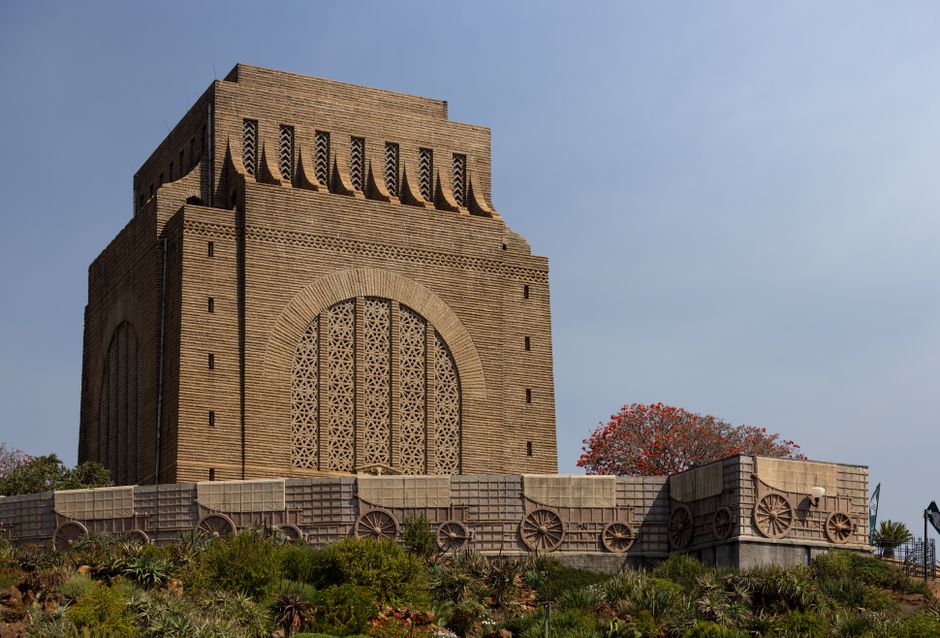
Voortrekker Monument
A massive granite monument to the 19th-century Voortrekker migration — controversial, imposing, and impossible to understand Afrikaner nationalism without.