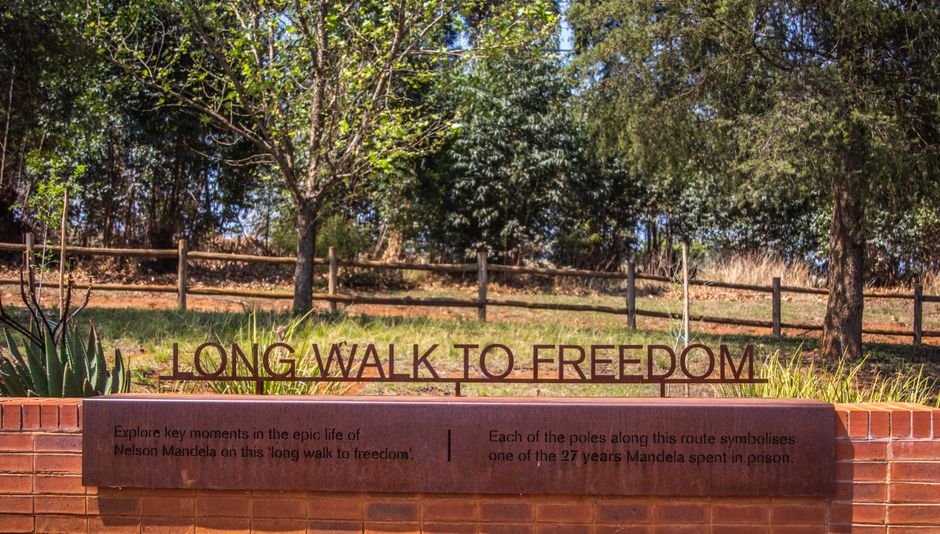
Freedom Park
A memorial precinct on Salvokop overlooking Pretoria — the country's official site of remembrance for the struggle.
Trip Role
Ideal stay
Best for
Our take
Freedom Park is a somber, sprawling memorial landscape that succeeds as a deliberate, quiet counterpoint to the nearby Voortrekker Monument. It is a place for reflection rather than spectacle, best experienced as part of a broader historical itinerary.
Freedom Park is a somber, sprawling memorial landscape that succeeds as a deliberate, quiet counterpoint to the nearby Voortrekker Monument. It is a place for reflection rather than spectacle, best experienced as part of a broader historical itinerary.
- Trip Role
- Day Trip
- Ideal Stay
- 90 minutes to two hours, plus the drive.
- Best For
- wide city views, historical reflection, understanding post-apartheid narratives, quiet walking
- Skip If
- tourists seeking quick photo opportunities, those with limited mobility
- Go If
- You are interested in the post-apartheid narrative of South Africa and want to see how the country commemorates its liberation struggle through a lens of indigenous knowledge and spiritual healing.
Why it's worth your time
Pretoria's memorial precinct — a deliberate counterpoint to the Voortrekker Monument, across the valley.
What we love
The site avoids the trap of being a static monument. Instead, it functions as a processional landscape where the architecture, including the museum shaped like a rock outcrop, feels integrated into the Salvokop ridge rather than imposed upon it.
What to know
The site is large and exposed to the elements, so wear comfortable shoes and bring sun protection. Guided tours are the most effective way to navigate the complex symbolism of the various memorial zones. Check the official website or call ahead, as tour schedules and operational details can vary.
The full guide
The Processional Route
Freedom Park is not a single building but a series of linked episodes spread across the Salvokop ridge. The journey is designed as a processional route that guides you through different stages of South African history and spiritual remembrance. You begin by moving through the landscape, which is intended to evoke a sense of healing. The site includes the Isivivane, a symbolic resting place for the spirits of those who died in the struggle, where visitors are asked to treat the ground with reverence. The route continues to the Sikhumbuto, a massive curved wall that records the names of the fallen across eight major conflicts. This is the heart of the memorial, and it is best experienced by walking the full length of the wall to grasp the scale of the loss being commemorated.
The Museum and Archives
The //hapo museum is the intellectual core of the precinct. Its name is derived from a Khoi word meaning dream, and the structure is designed to resemble a cluster of boulders emerging from the earth. Inside, the exhibits cover a vast timeline, starting from the geological origins of the continent 3.6 billion years ago and moving through pre-colonial history, slavery, and the liberation struggle. The museum uses a mix of multimedia and traditional displays to tell these stories. It is dense with information, so do not expect to absorb everything in a single pass. The Pan African Archives are also located here, serving as a repository for the country's history. If you have specific interests in the liberation struggle, focus your time here, as the exhibits provide the necessary context for the outdoor memorials.
Practical Navigation
The site sits on a hill overlooking Pretoria, providing a 360-degree view of the city. It is located near the Voortrekker Monument, and many travellers choose to visit both sites on the same day to contrast the two different historical narratives. While they are geographically close, they are distinct institutions with separate entry fees and management. Access is straightforward by car, but the site is large and involves significant walking on uneven paths. There is a restaurant and a gift shop on-site, though the quality and availability of services can vary depending on the day and the number of visitors. Always check the current status of tours before you arrive, as the experience is significantly enhanced by the context provided by the guides who manage the flow of the visit.
Before you book
Questions Freedom Park always raises
- Is it worth visiting both Freedom Park and the Voortrekker Monument?
- Yes. Visiting them back-to-back provides a powerful contrast between the Afrikaner nationalist history and the post-apartheid liberation narrative. They face each other across a valley, making it a logical and rewarding half-day trip for anyone interested in the complexities of South African history.
- Do I need a guide to see the park?
- While you can walk the grounds independently, a guided tour is highly recommended. The site is rich in symbolic architecture and indigenous spiritual references that are not always obvious to the casual observer. A guide provides the necessary context to understand the deeper meaning of the memorial.
- Is the site accessible for people with limited mobility?
- The site is spread across a large, hilly area with significant walking required. While there are paths, the nature of the terrain and the distance between the different memorial zones can be challenging for those with limited mobility. Contact the park directly to discuss specific accessibility needs.
- Are there entry fees for the park?
- Yes, there are entry fees for Freedom Park, and they are separate from those at the Voortrekker Monument. Prices can vary, so check the official website or call the administration office before you travel to ensure you have the most current information.
More historic site in Gauteng
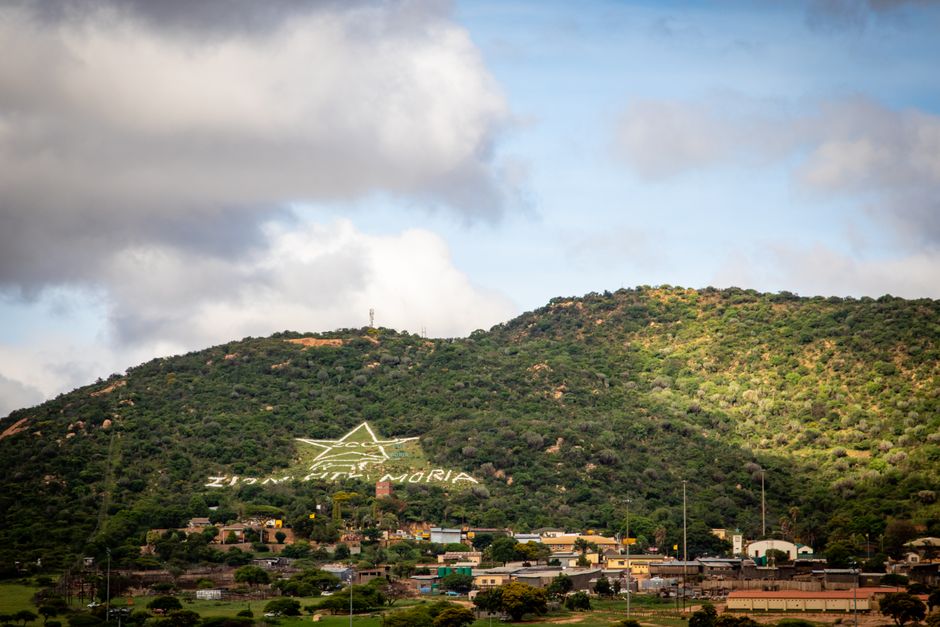
Constitution Hill
A living court-and-prison precinct — the Old Fort, the Constitutional Court, and South Africa's constitutional story in one site.
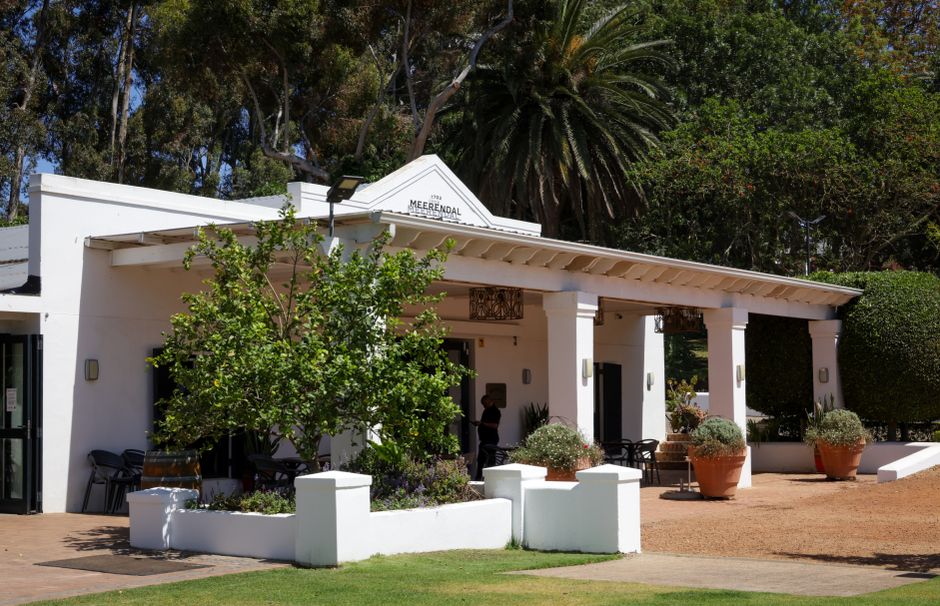
Liliesleaf
The Rivonia-era safe house where the ANC leadership was arrested in 1963 — now a museum of the underground struggle.

Mandela House
Nelson Mandela's Soweto home on Vilakazi Street — the small house where the family lived before and after prison.
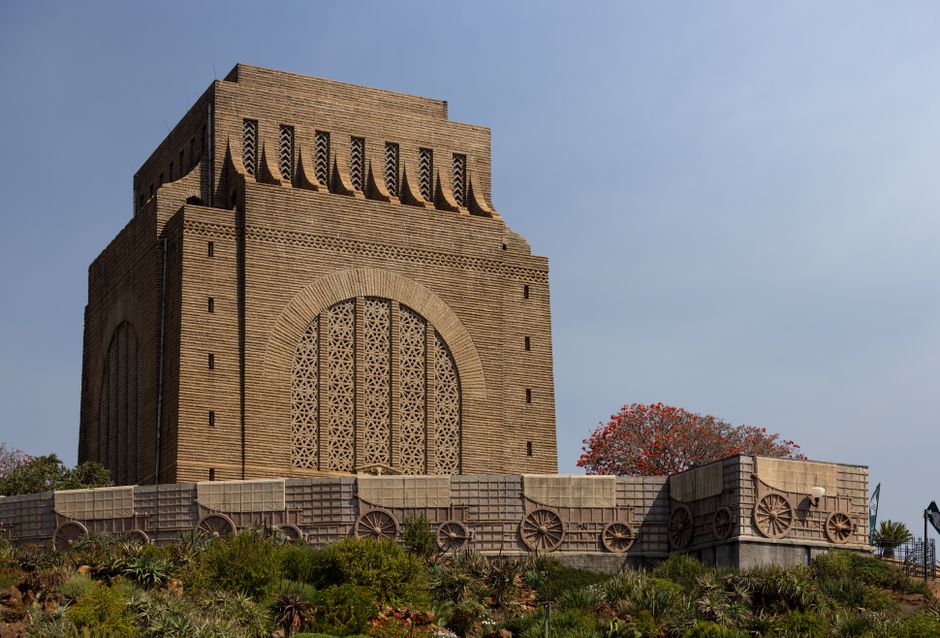
Voortrekker Monument
A massive granite monument to the 19th-century Voortrekker migration — controversial, imposing, and impossible to understand Afrikaner nationalism without.