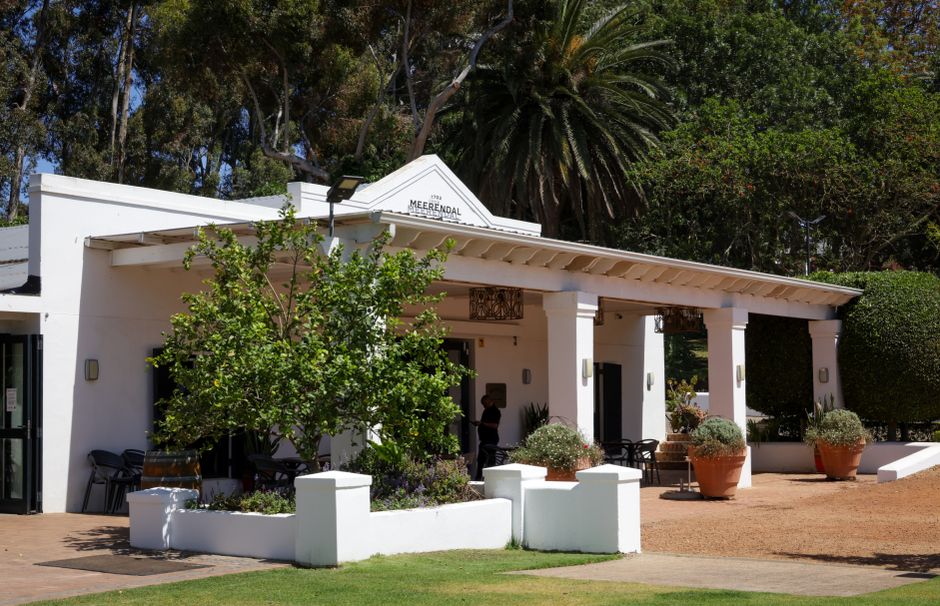
Liliesleaf
The Rivonia-era safe house where the ANC leadership was arrested in 1963 — now a museum of the underground struggle.
Trip Role
Ideal stay
Best for
Our take
Liliesleaf is a polished, essential site for understanding the mechanics of the anti-apartheid underground. It succeeds as a serious, well-curated museum that manages to humanise the high-stakes political history of the 1963 Rivonia raid.
Liliesleaf is a polished, essential site for understanding the mechanics of the anti-apartheid underground. It succeeds as a serious, well-curated museum that manages to humanise the high-stakes political history of the 1963 Rivonia raid.
- Trip Role
- Day Trip
- Ideal Stay
- two to three hours
- Best For
- understanding the Rivonia Trial, learning about the liberation struggle, history buffs
- Skip If
- casual tourists, young children, those seeking a quick outdoor activity
- Go If
- You are a student of twentieth-century history or a traveller seeking to understand the specific, clandestine origins of the liberation movement. It is a necessary stop for anyone wanting to grasp the Rivonia Trial's context.
Why it's worth your time
The farm where the 1963 Rivonia raid netted the ANC leadership — a precise, well-told museum of the underground.
What we love
The site avoids the trap of becoming a dry monument. By using interactive technology and personal accounts from those who were actually there, it transforms a quiet suburban property into a vivid, high-tension narrative of the underground struggle that feels immediate rather than distant.
What to know
The site's operational status varies, so check if it is open for public visits before you travel. It is located in a quiet suburb, not the city centre, and requires a car to reach. Give yourself at least three hours to engage with the exhibits, as the volume of information is significant and easily underestimated by first-time visitors.
The full guide
The Site and the Story
Liliesleaf was the secret headquarters for the ANC and the Communist Party during the early 1960s. It served as a safe house where leaders like Nelson Mandela and Walter Sisulu planned the transition from passive resistance to armed struggle. The property was chosen for its rural isolation, which allowed activists to meet under the guise of farm labourers. The museum now occupies the original farmhouse and several outbuildings, housing a collection that includes the documents and plans seized during the 1963 police raid. These materials formed the basis of the Rivonia Trial, which resulted in life sentences for the movement's core leadership. The site is a place of memory, designed to show how a quiet farm became the crucible for the liberation movement's most critical decisions.
Navigating the Exhibits
Prioritise the farmhouse and the outbuildings where the actual planning took place. The museum uses interactive tables and audiovisual archives to explain the events leading up to the raid. Do not miss the customised safari bus parked at the rear, which was used to smuggle weapons into the country. The exhibits are dense, so pace yourself. If you are visiting as part of a group, check in advance if guided tours are available, as these provide essential context that the static displays sometimes lack. The museum is designed to be read and watched, not just viewed, so bring patience and a willingness to engage with long-form historical narratives. The transition from the rural hideout of the 1960s to the modern museum space is stark, but the historical weight remains.
Practicalities and Surroundings
The site is located in Rivonia, a northern suburb of Johannesburg. It is not accessible by public transport, so you will need to drive or use a ride-hailing service. The area is residential and lacks other major tourist attractions, making this a destination-specific trip rather than a stop on a wider walking tour. Check the current opening status before you leave, as the site has experienced periods of closure for maintenance or administrative reasons. There is a cafe on-site, which is useful for a break between the various exhibition rooms. Because the museum is largely indoors, it is a reliable option regardless of the weather. If you are planning to visit on a weekend, expect more local visitors, which can make the smaller rooms feel crowded.
Before you book
Questions Liliesleaf always raises
- Is Liliesleaf Farm open to the public right now?
- The site's operational status varies. It has been closed for public visits at times due to administrative or maintenance reasons. Always check the official website or call the provided contact number to confirm it is open before you make the trip to Rivonia.
- Do I need to book a guided tour in advance?
- Guided tours are often available, but they are typically prioritised for larger groups. If you are visiting as an individual, you can usually explore the museum at your own pace using the interactive displays. It is best to call ahead if you specifically require a guided experience.
- How much time should I set aside for a visit?
- You should plan for at least two to three hours. The museum contains a vast amount of text, video, and archival material. Rushing through the exhibits means missing the context of the Rivonia Trial, which is the primary reason to visit this specific location.
- Is the site accessible by public transport?
- No, there is no reliable public transport to the site. It is located in a quiet, upmarket residential suburb. You will need to use a private vehicle, a taxi, or a ride-hailing service to reach the entrance on George Avenue.
More historic site in Gauteng
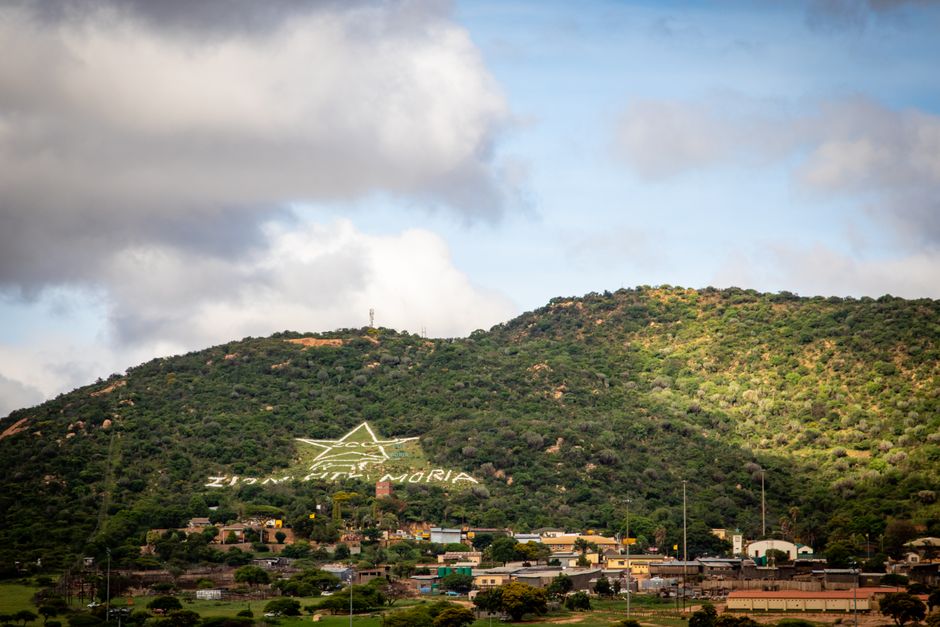
Constitution Hill
A living court-and-prison precinct — the Old Fort, the Constitutional Court, and South Africa's constitutional story in one site.
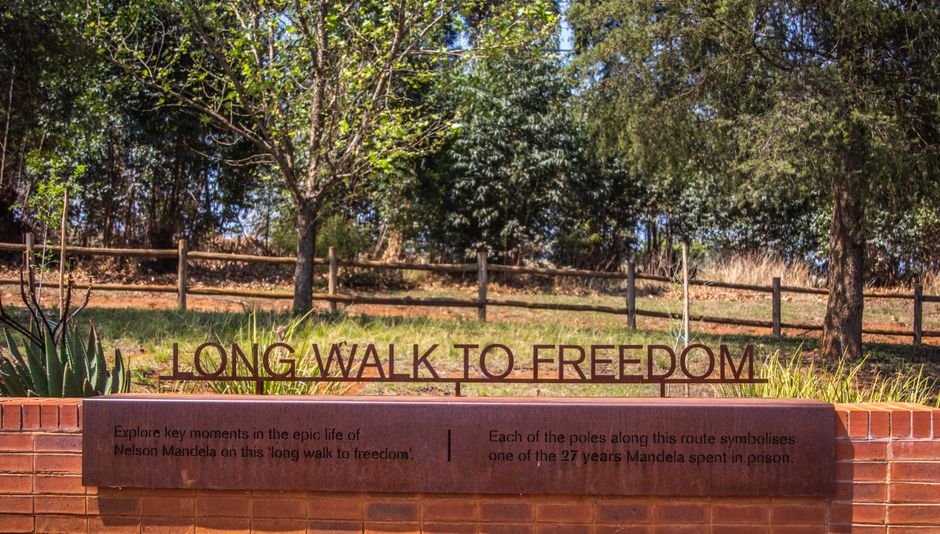
Freedom Park
A memorial precinct on Salvokop overlooking Pretoria — the country's official site of remembrance for the struggle.

Mandela House
Nelson Mandela's Soweto home on Vilakazi Street — the small house where the family lived before and after prison.
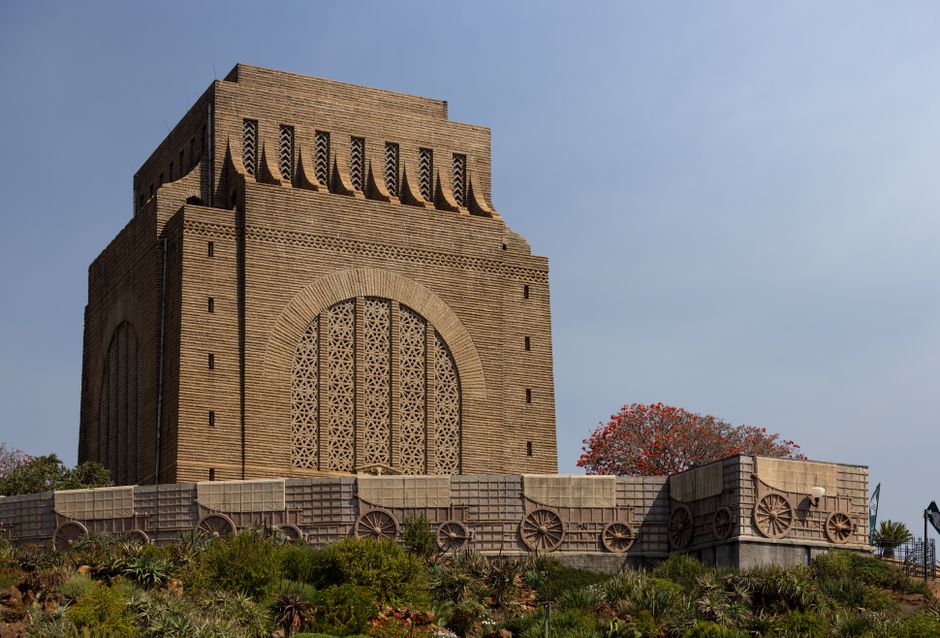
Voortrekker Monument
A massive granite monument to the 19th-century Voortrekker migration — controversial, imposing, and impossible to understand Afrikaner nationalism without.