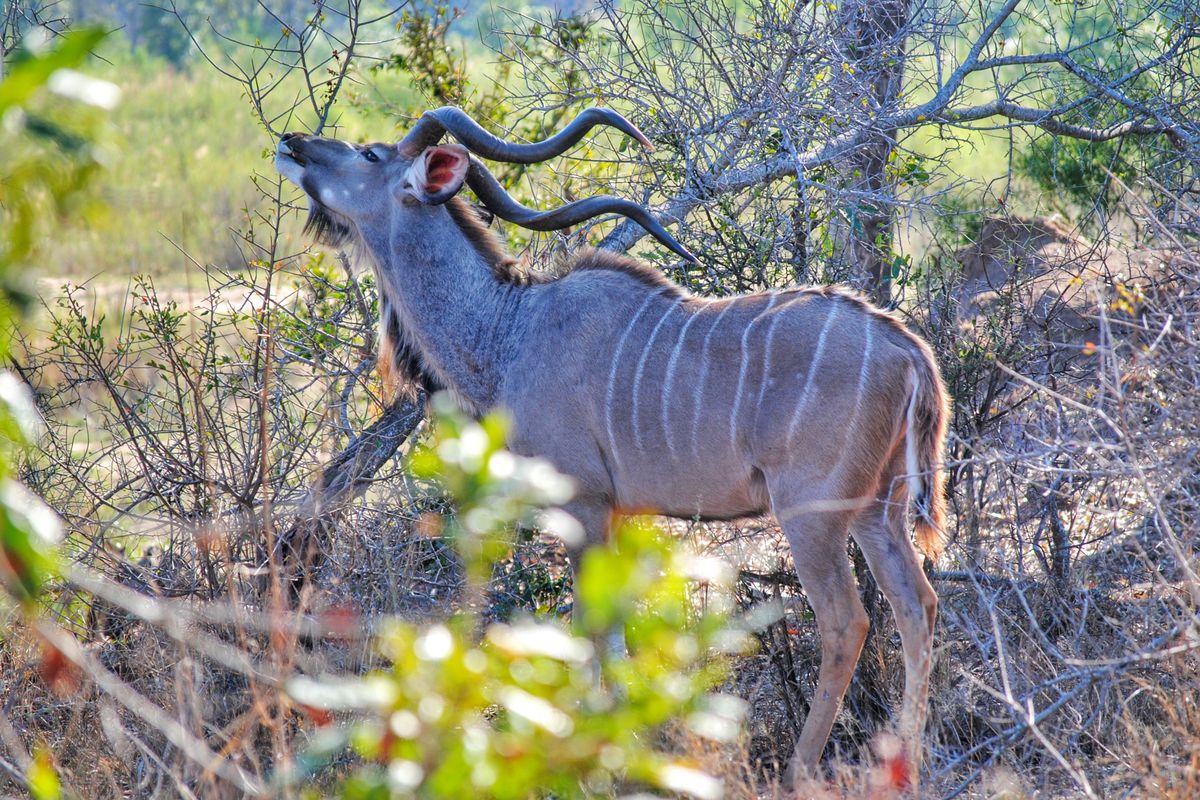
De Hoop Nature Reserve
Coastal reserve on the Overberg with fynbos, white dunes, and the Whale Trail multi-day hike.
Trip Role
Ideal stay
Best for
Our take
One of the most visually arresting coastal reserves in the country, offering a rare sense of solitude.
One of the most visually arresting coastal reserves in the country, offering a rare sense of solitude.
- Trip Role
- Worth a Detour
- Ideal Stay
- 3 days
- Time Needed
- 2-3 days
- Best For
- Coastal hiking and whale watching
- Go If
- You want to combine coastal hiking with the chance to see southern right whales from the shore.
Why it's worth your time
A coastal sanctuary featuring white sand dunes, limestone cliffs, and pristine fynbos. It is a premier location for land-based whale watching and the famous multi-day Whale Trail hike.
What we love
The stark contrast between the turquoise ocean and the blindingly white dunes.
What to know
The road to the reserve is gravel and can be rough; check conditions before arrival.
The full guide
What it is like
De Hoop sits at the edge of the continent, defined by a brutal, beautiful collision of limestone cliffs and the Atlantic. The scale feels immense, not because of depth, but because of the horizon. You enter through a landscape that feels parched and scrubby. The vegetation consists mostly of low-lying fynbos, which offers little cover and forces your eyes to adjust to the subtle, muted greys and greens of the Cape flora. The light here is sharp and unrelenting, reflecting off the blindingly white sand dunes that ripple toward the ocean. It lacks the dense, heavy silence of the bushveld. Instead, the air is full of a constant, rhythmic roar from the surf and the high-pitched wind that scours the limestone ridges.
The first hour is defined by the jarring transition from the main roads to the long, corrugated gravel stretches leading to the coast. You do not arrive in a lush oasis. You arrive in a place that feels exposed. Unlike the neighbouring private game reserves which are often manicured and enclosed, De Hoop feels wild and unkempt. The reserve does not cater to an expectation of comfort, but to a reality of geographic isolation. It is a place that feels scrubbed clean by salt air and time, indifferent to your presence.
Wildlife, realistically
Do not come here expecting a standard game drive. You will see plenty of bontebok, which are often found grazing near the main roads and human settlements. Eland, cape mountain zebra, and ostriches move across the open plains with predictable frequency. However, if you are searching for the elusive predators associated with the northern parks, you will leave disappointed. Leopard sightings occur, but they are rare, fleeting, and require immense patience or significant luck. The wildlife here is not performing for a tourist audience; it is simply surviving in a harsh, wind-battered environment.
The real show happens in the water, not on the land. During the winter months, southern right whales frequent the bays, and sightings from the shore are almost guaranteed if you put in the time to scan the waves. The marine life is the main attraction, yet it is seasonal and dictates the pace of your day. Birds of prey, particularly those adapted to coastal cliffs, are visible if you look up. If you are desperate for a classic safari list of lion, elephant, and buffalo, look elsewhere. De Hoop is a sanctuary for unique fynbos species and marine mammals, and you must calibrate your expectations accordingly.
How a visit works
The logistics of De Hoop demand planning. You can self-drive the reserve, which provides the most flexibility for stopping at coastal viewpoints or bird hides, but the gravel roads are unforgiving and can damage a low-slung vehicle. If you prefer guided excursions, these are available through the various lodges, but the experience becomes more structured and less spontaneous. The reserve is not a place you dash through in an afternoon. It requires at least three days to settle into the rhythm of the tides and the long hiking trails.
Your day is shaped by the weather, which can turn from sunshine to gale-force winds in an hour. Mornings are best spent on the Whale Trail or exploring the intertidal pools, while the afternoons are often better suited for quiet observation from the dunes. There is no central town to retreat to, so you are bound to the reserve rules and the specific amenities of your chosen accommodation. If you attempt to cram your visit into twenty-four hours, you will spend most of your time in the car, missing the stillness that makes the reserve worth the long drive in the first place.
When to go
Timing your visit is a trade-off between whale sightings and weather comfort. Winter and spring are the logical choices if your priority is whale watching, but you must accept that the wind will be relentless and the temperature cold. The sky remains clear, but the ocean is often grey and aggressive, which adds to the atmosphere but makes coastal hiking physically taxing. You will pay for the high season in both demand for accommodation and potential noise from other visitors.
Summer brings heat and the possibility of fire, which is a genuine risk to the fynbos. The crowds thin out somewhat, but the lack of shade makes mid-day exploration punishing. Water is a limited resource, and the reserve reflects the dryness of the season. If you are indifferent to whales, summer provides better opportunities for walking the trails without the bite of the winter wind, but you lose the spectacle that defines the reserve. There is no perfect season, only the one that aligns with your tolerance for wind and your desire to see marine life.
Who it suits, who it does not
De Hoop suits the traveller who finds comfort in isolation and values a landscape for its raw, geological character. If you are the kind of person who enjoys a rugged hike, the sound of an empty beach, and the challenge of spotting wildlife that is not being baited or chased by a dozen vehicles, you will feel at home here. It rewards those who are self-sufficient and capable of entertaining themselves for several days without the need for constant, curated activity.
It frustrates the traveller who equates a safari with a trophy list of sightings or those who expect the amenities of a seaside resort. If you are looking for soft, golden beaches for swimming or a high-end luxury experience where the environment is managed for your maximum convenience, De Hoop will feel like a mistake. It is not a place for a quick weekend getaway from the city, and it is certainly not a surrogate for a Big Five safari. If that is what you require, look to the private reserves in the Eastern Cape or the north of the country.
What's here

More private reserve in Western Cape
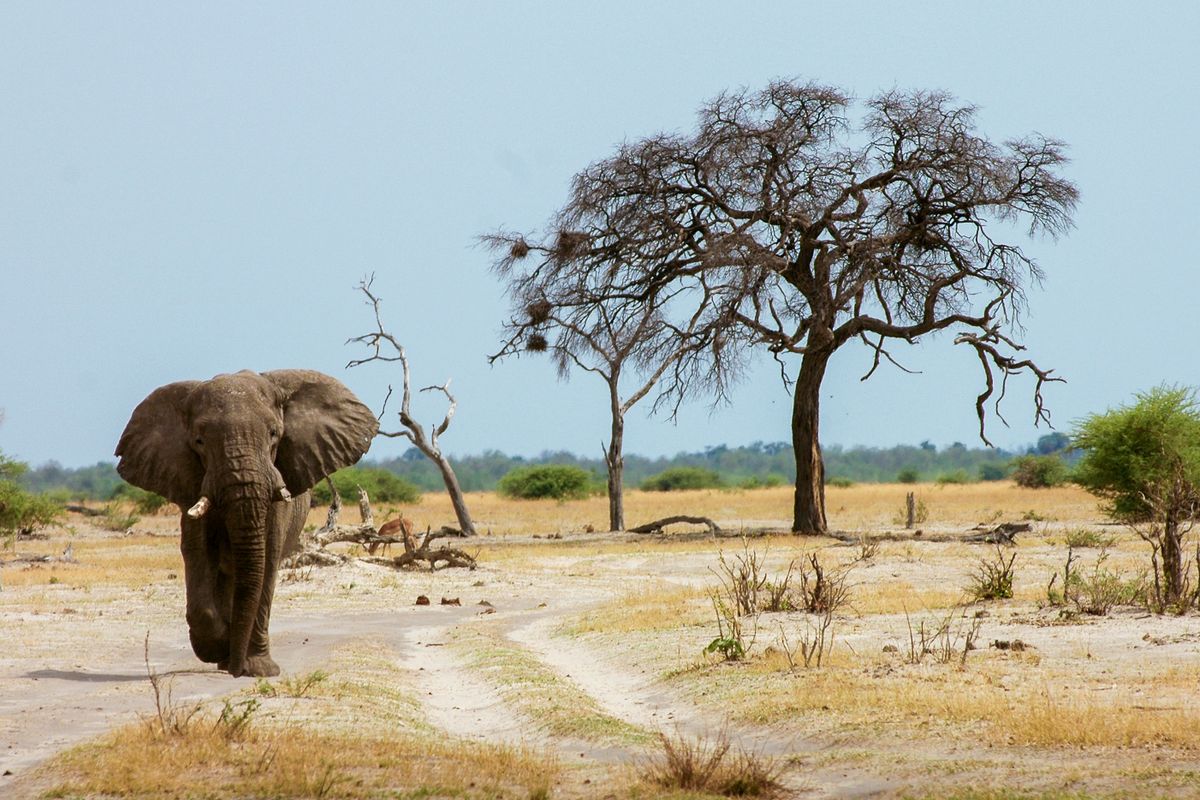
Aquila Private Game Reserve
Closest Big Five reserve to Cape Town — a malaria-free day-trip safari option for short-stay visitors.
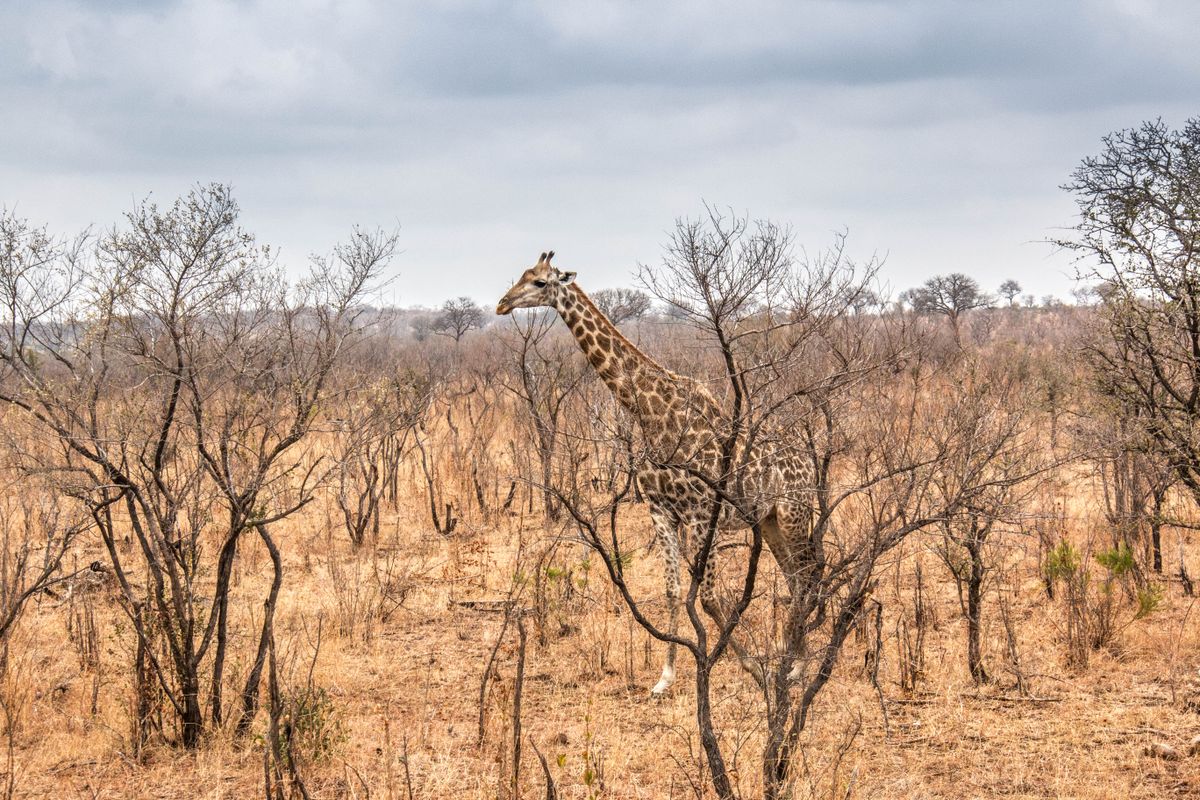
Gondwana Game Reserve
11,000-hectare malaria-free Big Five reserve on the Garden Route — fynmos ecosystem with free-roaming wildlife.
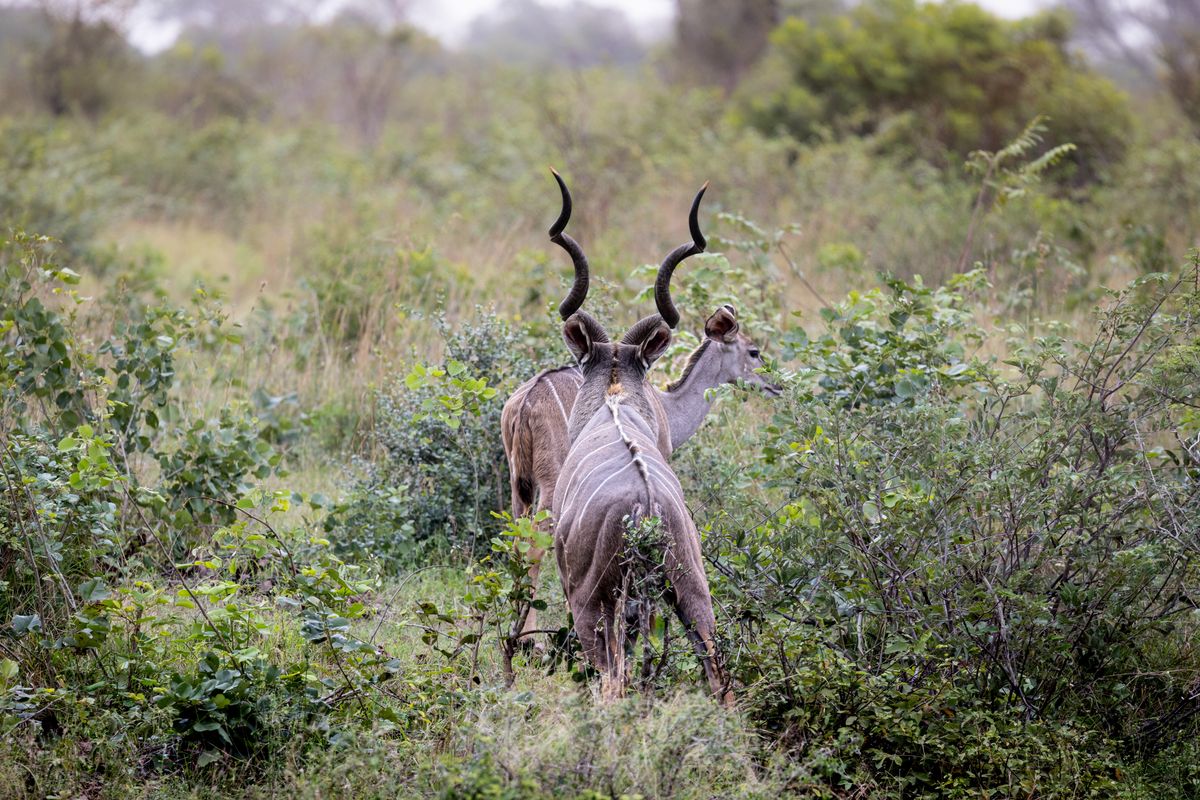
Sanbona Wildlife Reserve
Big Five in the Little Karoo — fynbos-meets-Karoo landscape, white lion project, and rock art, malaria-free.