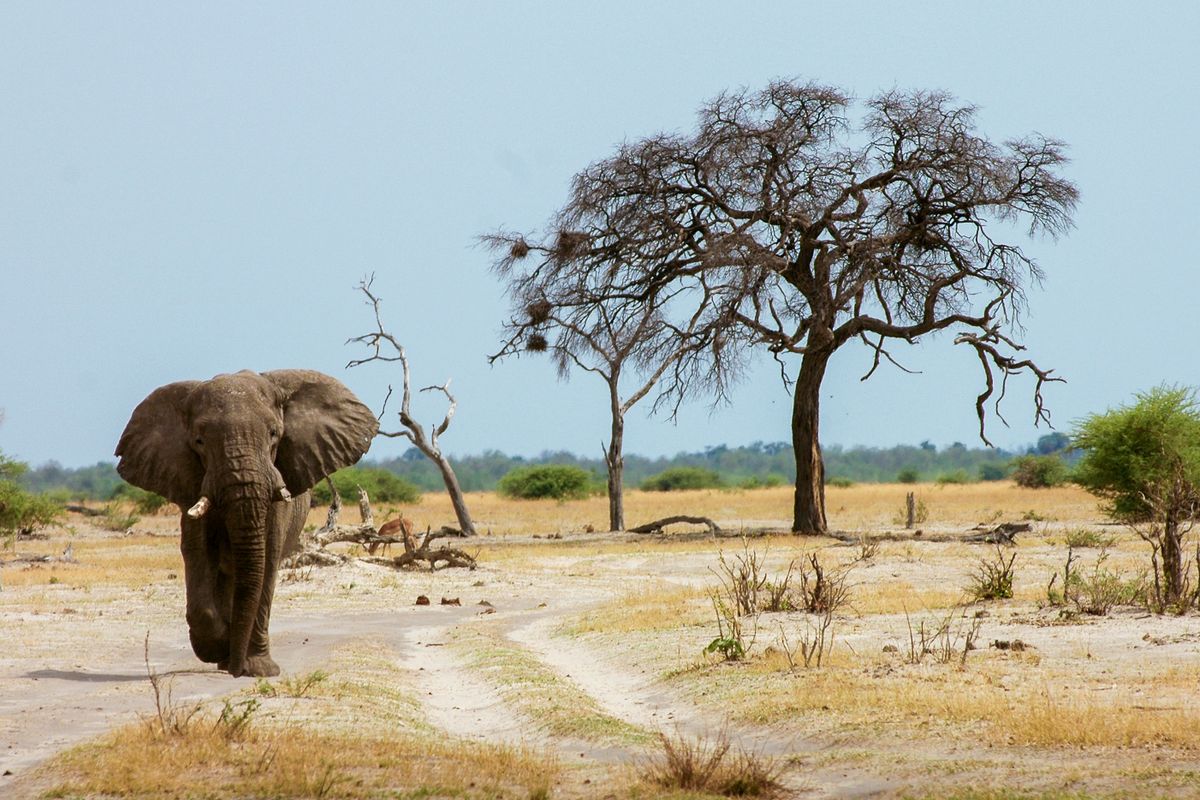
Aquila Private Game Reserve
Closest Big Five reserve to Cape Town — a malaria-free day-trip safari option for short-stay visitors.
Trip Role
Ideal stay
Best for
Our take
The ultimate convenience safari for the time-poor traveler.
The ultimate convenience safari for the time-poor traveler.
- Trip Role
- Day Trip
- Ideal Stay
- 1 day
- Time Needed
- 1 day
- Best For
- Day-trippers from Cape Town.
- Go If
- You have very limited time in South Africa and want a quick Big Five fix near Cape Town.
Why it's worth your time
Aquila is the most accessible Big Five reserve from Cape Town, catering primarily to day-trippers and short-stay visitors. It is a malaria-free, high-volume destination.
What we love
The sheer convenience of being a two-hour drive from the city.
What to know
It can get very crowded, especially on weekends and holidays.
The full guide
What it is like
Aquila occupies a patch of rugged Karoo scrubland two hours by road from Cape Town. The landscape is defined by low-lying mountains, arid plains, and stubborn, drought-resistant vegetation. The light here is sharp and unrelenting, casting long shadows against the backdrop of the Hex River mountains. Unlike the vast, unfenced wilderness areas of the Limpopo or Mpumalanga provinces, this reserve feels contained. The scale is modest enough that you will constantly see the perimeter fences and the infrastructure of the reserve itself.
The first hour is a exercise in logistics and expectation management. You arrive at a busy reception centre after navigating a winding mountain pass. The air is dry and carries the scent of dust rather than the dense, damp heat of a sub-tropical savanna. It is an industrialised safari experience. You do not come here for solitude or the feeling of being miles from civilisation. You come because it is the only place within a reasonable driving distance of the city where the geography is sculpted for the specific purpose of housing the Big Five.
Wildlife, realistically
The wildlife sightings at Aquila are managed with precision. Because the reserve is smaller than the iconic parks in the north, the animals are monitored closely to ensure that day-trippers see what they paid to see. Expect to see rhino and buffalo with high frequency. Lions are kept in specific sections of the reserve, which means you are guaranteed a sighting even if it lacks the unpredictability of a true wild encounter. The concentration of animals is high because the area is essentially a managed enclosure.
You should adjust your expectations regarding the behaviour of the predators and mega-herbivores here. They are habituated to the constant hum of safari vehicles. Leopards remain the most difficult find, as they are elusive by nature and require more space than this reserve affords. Seasonal movement is not really a factor here because the animals do not have the ability to migrate across the landscape. The game is largely stationary. If you are looking for the thrill of tracking a hunt through miles of thicket, you will leave feeling underwhelmed by the predictability of the process.
How a visit works
The entire operation is built for the high-volume, time-poor traveller. Most visitors arrive as part of a scheduled day trip, piling into large, open-air vehicles alongside dozens of other tourists. The gate logic is straightforward and strictly timed. You follow a set programme that balances the game drive with a communal meal at the main lodge. There is no freedom to wander or explore on your own terms. The experience is rigid and moves at a fast pace, designed to get you in, fed, and back on the road to Cape Town before sunset.
While the reserve offers overnight accommodation, the rhythm of the place is dictated by the steady flow of people passing through for the day. Staying for one night is plenty to see what there is to see. Two nights might feel repetitive, and four nights would be excessive unless you simply want to sit by a pool in the Karoo. The self-drive experience is effectively non-existent for the average guest, as the reserve relies on its own drivers to manage the traffic and the safety of the animals within the restricted boundaries.
When to go
The trade-offs for visiting are largely based on the extremes of the Karoo climate. Summer months are intensely hot and dry, which makes the middle of the day difficult for human comfort, though it keeps the animals near the waterholes. The winter brings cold, biting winds and crisp, clear air. Game visibility is often better in the cooler months because the vegetation thins out significantly. You must also account for the reality of crowd density. Weekends and school holidays turn the reserve into a busy hub of activity, with multiple vehicles clustered around every notable sighting.
Cost remains fairly consistent, but the value proposition shifts depending on when you arrive. During peak season, the premium is for the convenience of avoiding the long-haul travel to other provinces. If you are sensitive to noise and crowds, avoid the mid-summer holiday period entirely. You will not find the price-based seasonal fluctuations of the more remote lodges here. Instead, you trade money for proximity to the city. The primary goal of every visitor should be to balance the desire for a sighting against the likelihood of sharing that moment with three other full vehicles.
Who it suits, who it does not
This place rewards the person who has a flight to catch in forty-eight hours and a burning need to see a lion. It suits the traveller who prioritises convenience over the soul-stirring silence of an untouched ecosystem. If you are in Cape Town for a limited time and want to tick the Big Five off your list without a domestic flight or a ten-hour drive, this is your only logical choice. It is a functional, efficient machine for safari tourism that acknowledges its own limitations as a day-trip destination.
It will frustrate the traveller who has experienced a true wilderness safari in the Lowveld or Botswana. If you value silence, the tracking of spoor, or the sensation of being deep in the bush, you will hate the repetitive nature of these drives. The constant presence of other vehicles and the managed feel of the environment is the antithesis of an immersive experience. If you have the luxury of time, skip this entirely and head towards the Eastern Cape or the greater Kruger area. Only come here if the alternative is not seeing these animals at all.
More private reserve in Western Cape
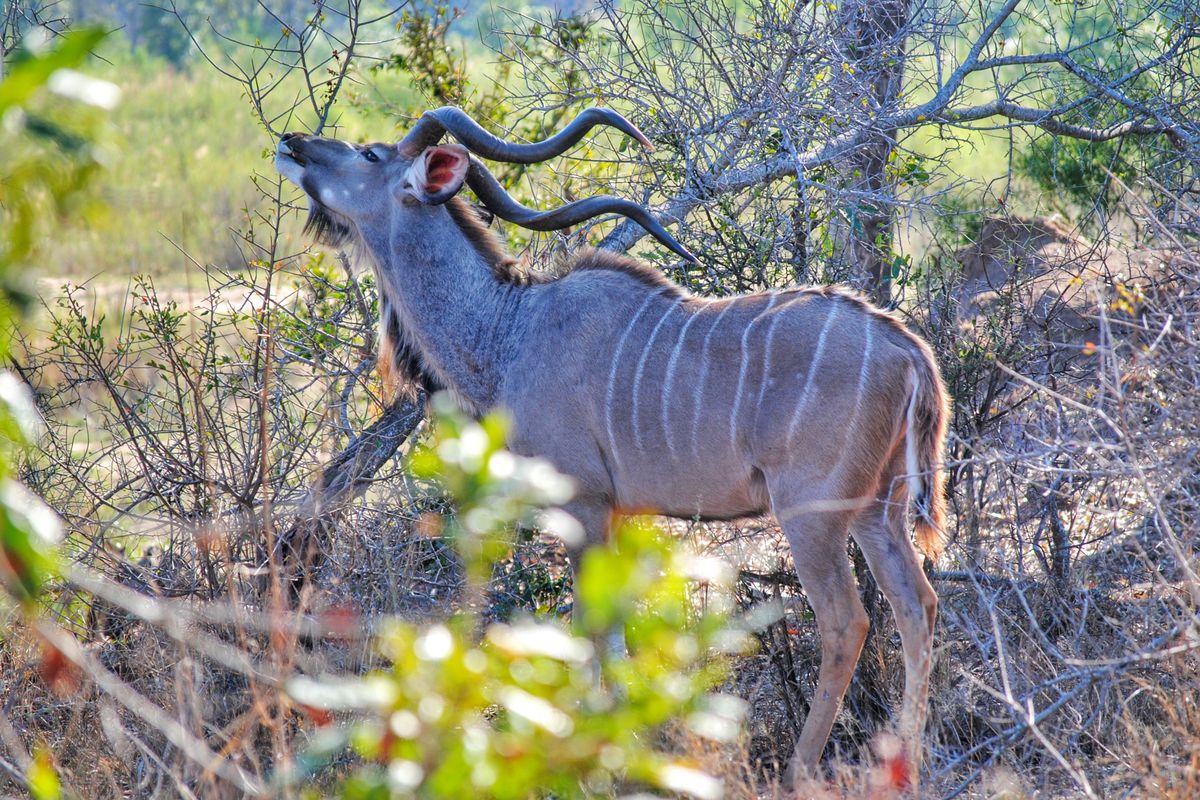
De Hoop Nature Reserve
Coastal reserve on the Overberg with fynbos, white dunes, and the Whale Trail multi-day hike.
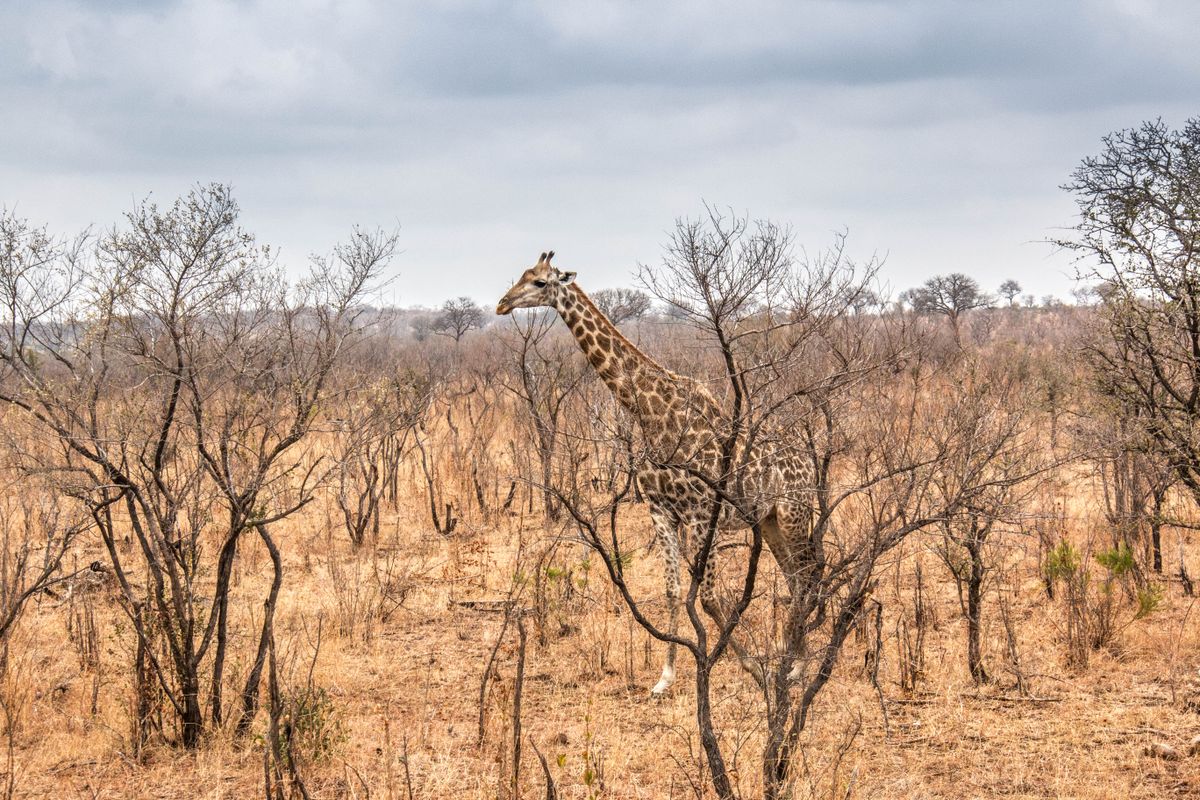
Gondwana Game Reserve
11,000-hectare malaria-free Big Five reserve on the Garden Route — fynmos ecosystem with free-roaming wildlife.
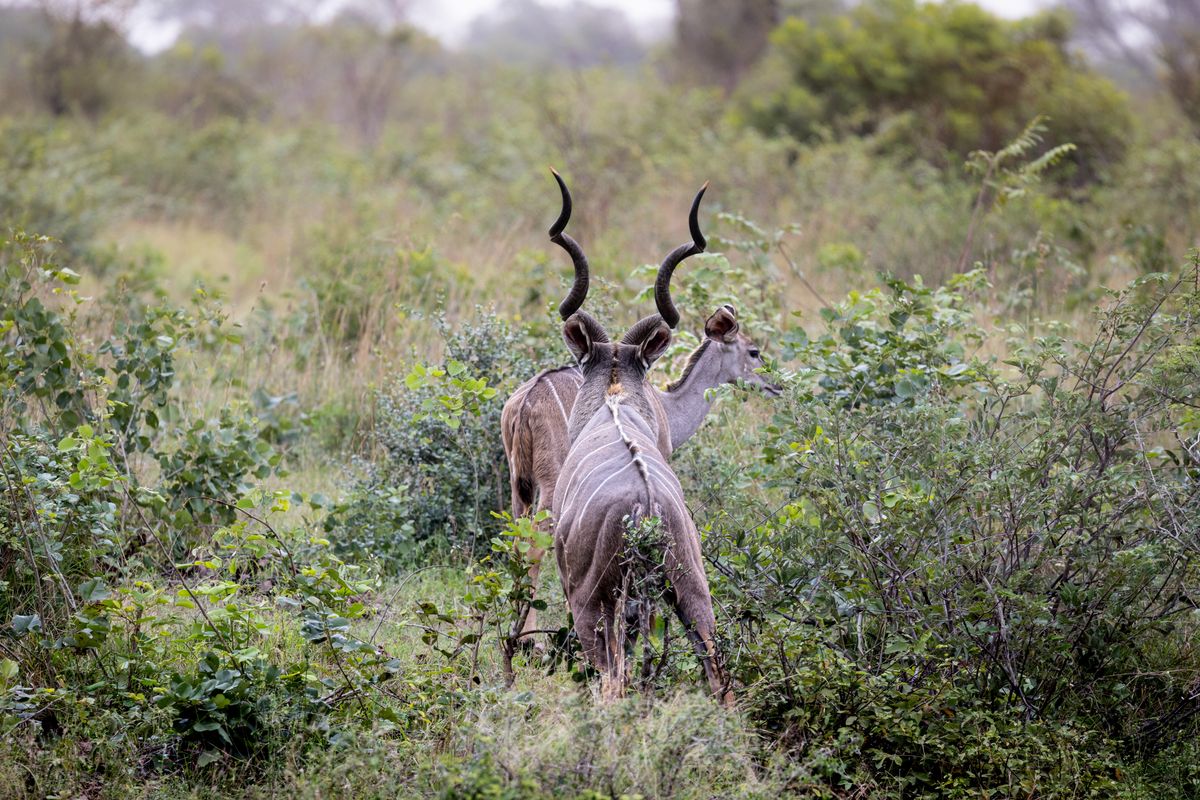
Sanbona Wildlife Reserve
Big Five in the Little Karoo — fynbos-meets-Karoo landscape, white lion project, and rock art, malaria-free.