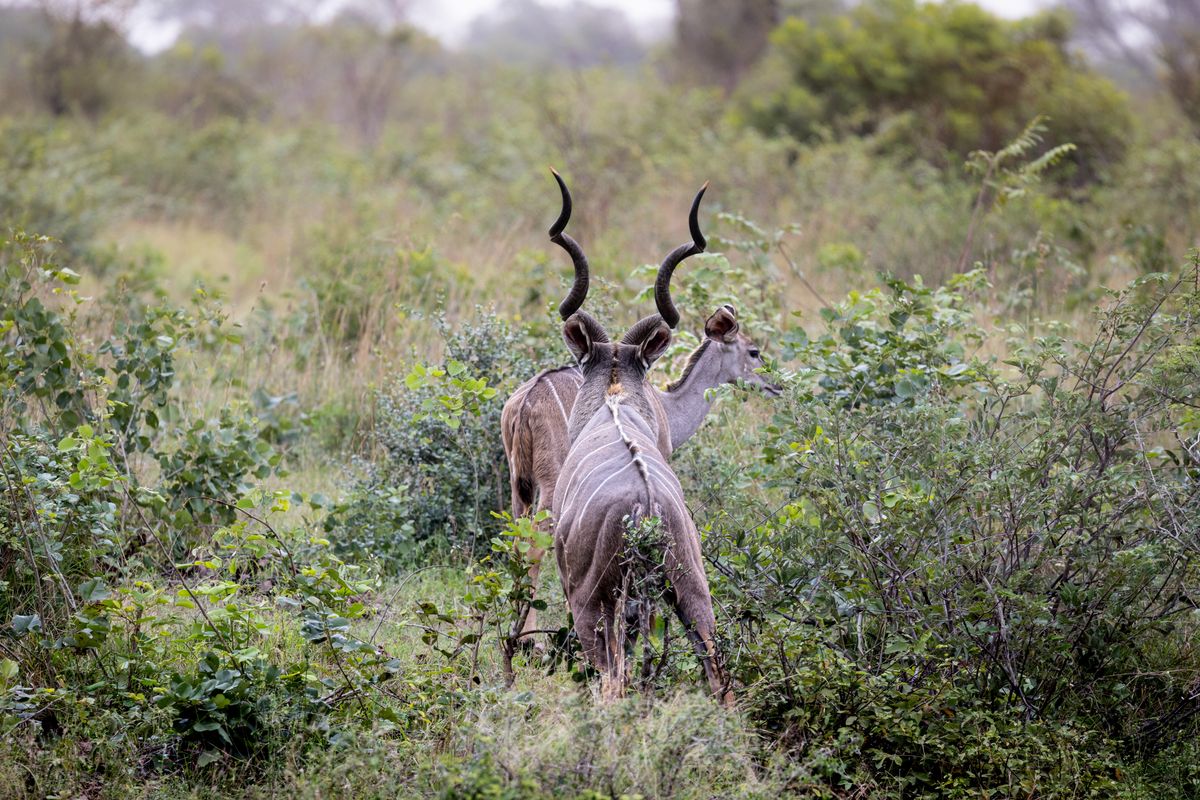
Sanbona Wildlife Reserve
Big Five in the Little Karoo — fynbos-meets-Karoo landscape, white lion project, and rock art, malaria-free.
Trip Role
Ideal stay
Best for
Our take
A vast, quiet, and visually arresting Karoo escape.
A vast, quiet, and visually arresting Karoo escape.
- Trip Role
- Base
- Ideal Stay
- 3 days
- Time Needed
- 2 days
- Best For
- Landscape photography and solitude.
- Go If
- You want a dramatic, arid landscape and a sense of profound isolation.
Why it's worth your time
Sanbona is a vast, malaria-free reserve in the Little Karoo, known for its wide-open spaces and unique rock art. It is one of the few places to see white lions in a free-roaming environment.
What we love
The ancient San rock art sites found on the property.
What to know
It is a significant drive from Cape Town, though the scenery is spectacular.
The full guide
What it is like
Sanbona sprawls across the Klein Karoo, a landscape defined by exposed rock, stunted succulents, and a sense of immense space that feels entirely detached from the greener reserves of the north. The terrain is arid and rugged, with jagged mountains providing a harsh, cinematic backdrop to the low-lying scrub. Light here is sharp and unrelenting, stripping away the hazy softness often found in savannah regions and forcing your eyes to adjust to high-contrast textures. Sound is equally sparse, broken only by the wind moving through the bushes or the occasional call of a bird echoing across an empty valley.
The first hour inside the gate feels like entering a silent, ancient desert kingdom. Unlike the dense, riverine bushveld of the Kruger or the private reserves near the coast, this place offers no hiding spots. You see the horizon clearly for kilometres in every direction. It is a quiet, contemplative environment that trades the claustrophobic density of other parks for a scale that makes you feel small and irrelevant. The isolation is the point, and the silence is what lingers after you leave.
Wildlife, realistically
Managing expectations here is essential because the density of animals is lower than in the high-rainfall regions of the country. You will likely see the standard plains game, such as zebra and springbok, moving through the valleys. The reserve is home to the Big Five, but they are spread across a vast, challenging terrain. Sightings require patience and a willingness to drive long distances between watering holes. The white lions are the most discussed feature, though visitors often misunderstand their status. They are not part of a separate enclosure but live within the wild population, and seeing them requires luck rather than a scheduled itinerary.
Predators are genuinely hard to find in this environment, as they roam widely to cover the expansive territory. The lack of thick, green cover means that when you do spot a predator, the view is usually unobstructed. Leopard sightings are rare and require significant effort from your guide. Seasonal movement is dictated by the availability of water, which is scarce for most of the year. Do not come here expecting a daily parade of animals outside your door. You are here to track them across a challenging, beautiful landscape, not to tick boxes on a list.
How a visit works
Sanbona operates entirely on a guided safari basis, meaning your movement within the reserve is restricted to professional game vehicles. This is not a place for self-driving or wandering independently. The camp logic is integrated into the daily routine, which starts well before sunrise and ends after an evening drive. Your day revolves around the rhythm of the guides, who focus on navigating the long, dusty tracks to find animal activity that may be kilometres away from the lodges. Meals and downtime are carefully punctuated by these outings, ensuring that the wildlife experience remains the primary focus.
A single night here is a mistake that will leave you frustrated and exhausted from the travel time. Three days is the practical minimum required to actually feel the pace of the reserve and give yourself a fair chance of seeing more than just the common species. The journey from the nearest towns is significant, and arriving in the late afternoon only to leave the next morning means you miss the quiet, golden hours that define the experience. Give the reserve the time it needs to reveal itself.
When to go
The Karoo is a land of extremes, and the seasonal trade-offs are significant. Summer brings intense, baking heat that can make midday activities uncomfortable, though the evening storms can provide a sudden, violent relief to the dry earth. Winter offers cool, crisp days and freezing nights, which is often better for game viewing as animals must congregate around the fewer remaining water sources. During these colder months, the vegetation is dormant and visibility across the plains is at its peak, making it easier to spot movement in the distance.
Fire risk is a constant factor in the drier months, and the reserve staff are acutely aware of how quickly the scrub can burn. Crowds are rarely a concern here regardless of the season, which is one of the reserve's primary strengths. You will pay for the exclusivity, and the cost remains consistent regardless of whether you are roasting in February or shivering in July. Decide if you prefer the dramatic, heat-shimmering horizons of the hotter months or the clear, biting air of winter, but prepare for both the sun and the cold regardless of when you book.
Who it suits, who it does not
This reserve rewards the traveller who craves silence and solitude. If you are a photographer interested in wide-angle landscape shots or the stark, unforgiving beauty of the semi-desert, you will find exactly what you are looking for. It suits the person who views the safari as a meditative, slow-paced pursuit rather than a high-octane chase for sightings. Those with an interest in history will appreciate the ancient rock art sites scattered throughout the property, which provide a rare window into the people who lived here long before the fences were erected.
It frustrates the traveller who demands lush, green scenery or constant animal encounters. If your definition of a successful trip relies on seeing a dozen elephants in a single afternoon, the vast emptiness of the Karoo will leave you feeling disappointed. If you prefer a thick, tropical bush environment where wildlife is abundant and easily found, look toward the reserves in the eastern or northern provinces instead. Sanbona is for those who find beauty in the void, and if that does not sound appealing, you are better off booking elsewhere.
More private reserve in Western Cape
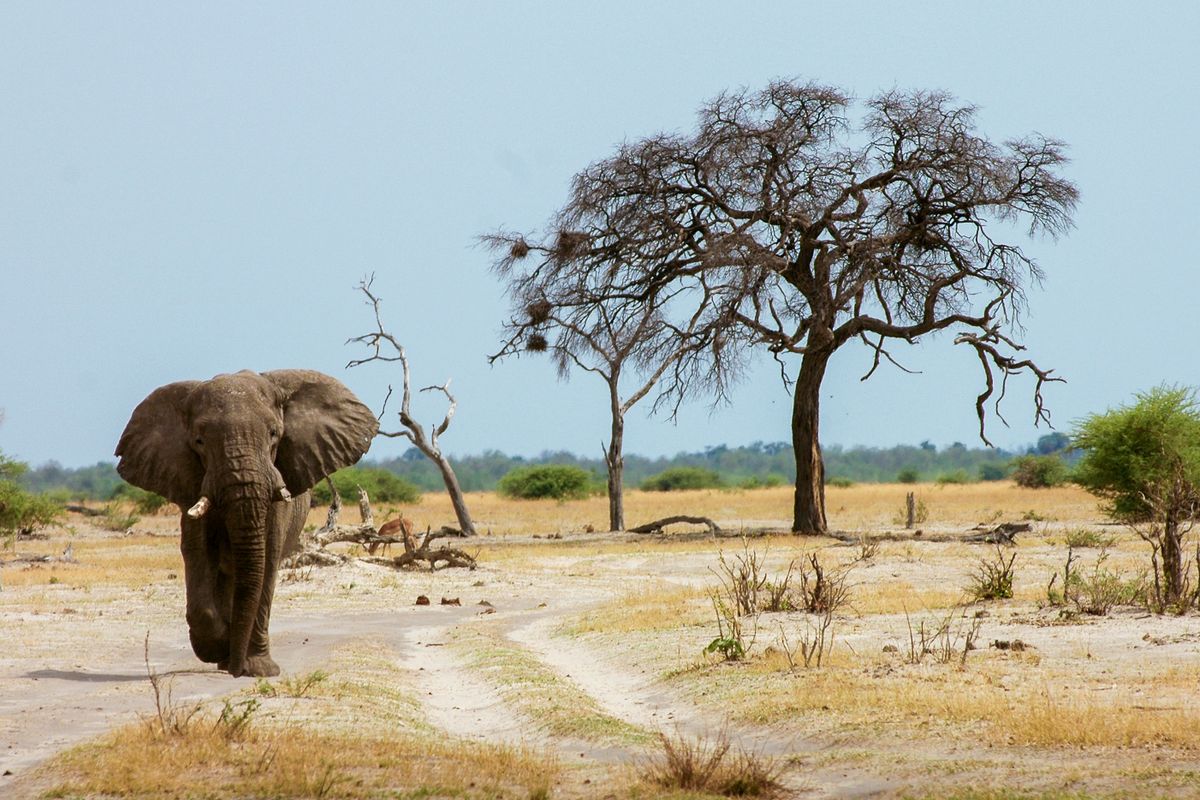
Aquila Private Game Reserve
Closest Big Five reserve to Cape Town — a malaria-free day-trip safari option for short-stay visitors.
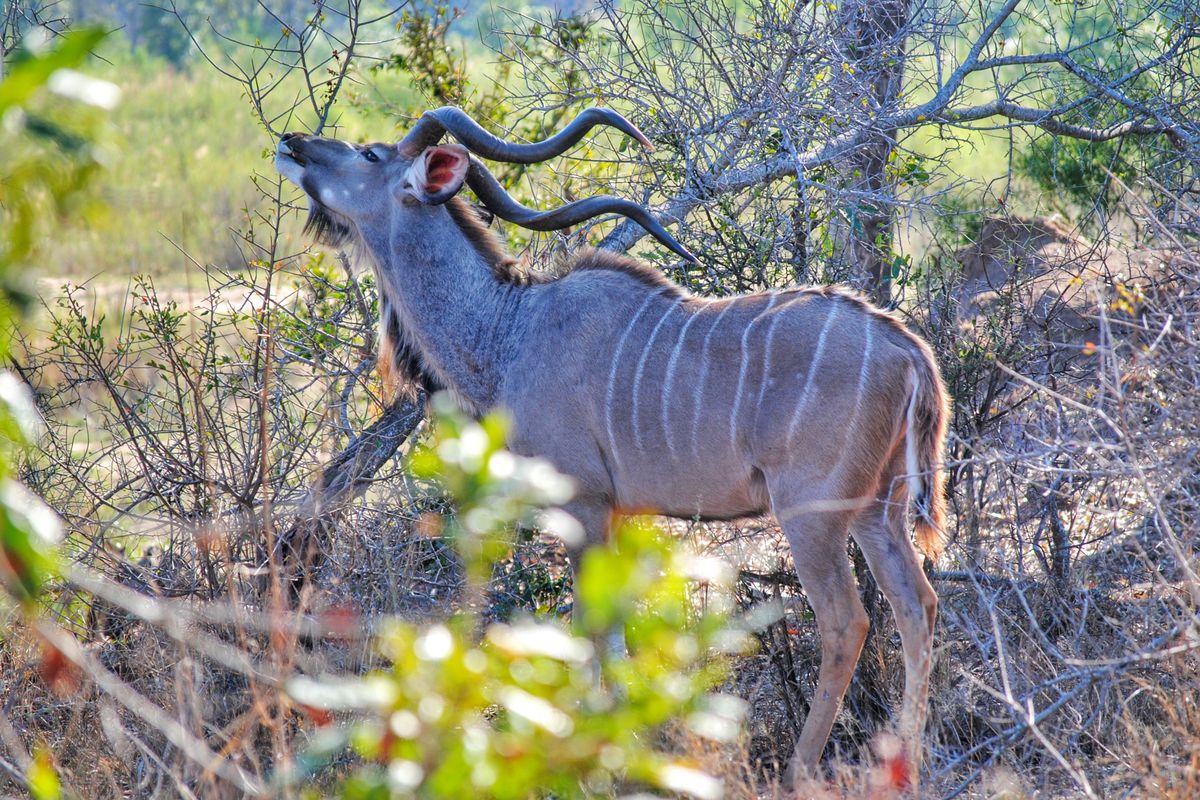
De Hoop Nature Reserve
Coastal reserve on the Overberg with fynbos, white dunes, and the Whale Trail multi-day hike.
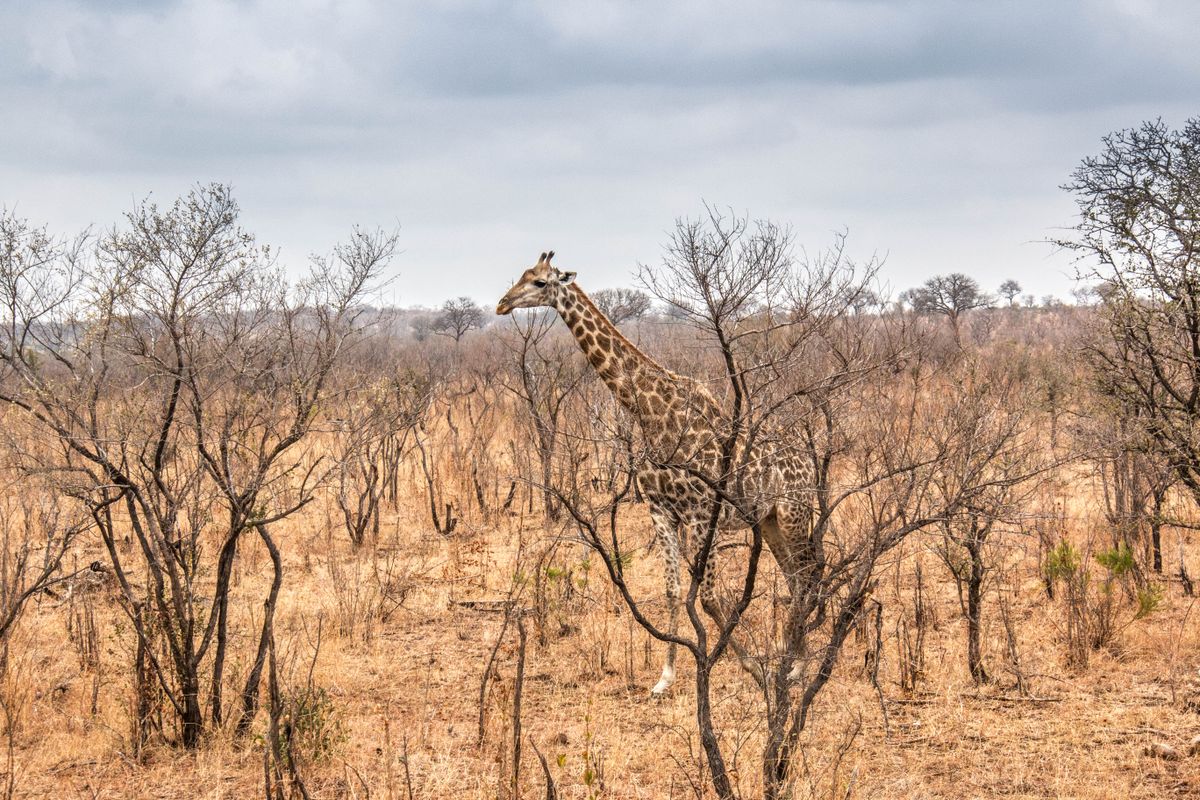
Gondwana Game Reserve
11,000-hectare malaria-free Big Five reserve on the Garden Route — fynmos ecosystem with free-roaming wildlife.