
The Whale Trail
A 5-day slackpacking hike through De Hoop Nature Reserve — fynbos, dunes, and southern right whales from the cliffs.
Trip Role
Ideal stay
Best for
Our take
This is a well-managed, five-day slackpacking route that balances mountain fynbos with dramatic coastal scenery. It is a reliable, comfortable way to experience the De Hoop coastline without the burden of a heavy pack.
This is a well-managed, five-day slackpacking route that balances mountain fynbos with dramatic coastal scenery. It is a reliable, comfortable way to experience the De Hoop coastline without the burden of a heavy pack.
- Trip Role
- Worth a Detour
- Ideal Stay
- Five days and five nights.
- Best For
- slackpacking, whale watching, coastal fynbos, marine protected area exploration
- Skip If
- solitary hikers, last-minute planners, those seeking rugged wilderness
- Go If
- You are a group of friends or family who want a multi-day hike with the luxury of luggage portage and solid roofed accommodation, and you have planned your booking a year ahead.
Why it's worth your time
The slackpacking hike with whales below the path — five days through De Hoop, fynbos, and cliff-edge whale-watching.
What we love
The transition from the high-altitude fynbos of the Potberg mountains to the limestone cliffs and white-sand beaches of the coast is seamless. Having your gear moved between huts allows you to actually look at the landscape instead of staring at your boots, which is a rare luxury on a five-day trek.
What to know
The trail is a fixed five-day programme that starts at Potberg and ends at Koppie Alleen. You must arrange a shuttle for your vehicle, as the start and end points are far apart. Shade is almost non-existent on the coastal sections, so start early to avoid the midday heat. Always check the tide and sea conditions before walking the beach stretches.
The full guide
The route and daily rhythm
The trail covers approximately 55 kilometres over five days, beginning at the Potberg mountains and finishing at the coast near Koppie Alleen. The first two days are the most physically demanding, taking you through mountain fynbos and over rocky terrain. The third day is significantly shorter, offering a welcome break to explore rock pools and swim. The final two days follow the coastline, where the terrain shifts to soft sand and limestone cliffs. You spend each night in designated cottages, which are equipped for self-catering. Because the trail is a linear route, you must park your vehicle at the start and use the pre-arranged shuttle service to return to your car from the finish. The pace is set by the distance between huts, but the shorter days provide ample time for swimming and whale watching.
Handling the hard parts
The primary challenge is the first day, which involves a steep climb up the Potberg mountain. This section requires a good level of fitness and steady footing. Later in the week, the difficulty shifts to the environment rather than the gradient. Walking on soft beach sand for extended periods can be exhausting and hard on the ankles. There are no technical climbing sections, but you will encounter chain ladders and uneven coastal paths that require caution. Exposure is a constant factor, as there is very little shade or shelter along the coast. If you are prone to heat exhaustion, manage your water intake carefully and ensure you carry enough for the entire day. Never turn your back on the ocean when walking the shoreline, as freak waves and strong rip currents are real hazards.
Timing and preparation
The best time to visit is during the whale season, which runs from June to November, when southern right whales frequent the bay. However, the trail is a viable option year-round for those who prefer cooler weather. Booking is essential and often requires planning a year in advance due to high demand. You must carry your own food and supplies, as there are no shops along the route. Pack light, even if you use the portage service, as there are strict weight limits for the containers. Always carry a mobile phone and a map, and check in with the reserve staff at the start for the latest safety briefings. Weather can change rapidly, so bring appropriate gear for both mountain winds and intense coastal sun. If you are not part of a pre-booked group, you cannot join the trail mid-hike.
Before you book
Questions The Whale Trail always raises
- Can I hike the trail without booking in advance?
- No. The Whale Trail is extremely popular and typically sells out a year in advance. You must book through the official conservation agency well before your intended travel dates. There are no walk-in spots available for this hike.
- Is the trail suitable for beginners?
- It is achievable for moderately fit hikers, but it is not a beginner walk. The first day is strenuous, and the total distance is 55 kilometres. You should be comfortable walking for several hours a day over varied, sometimes sandy or rocky, terrain.
- Do I have to carry all my gear?
- You have the option to use a portage service, which transports your luggage between the overnight huts. If you choose this, you only need to carry a daypack with your water, food, and personal items. If you do not use the service, you must carry everything.
- What happens if the weather is bad?
- The trail remains open in most conditions, but you must be prepared for wind and rain. Always check the weather forecast before you start. If conditions are dangerous, such as during severe storms, consult with the reserve staff at the office for guidance.
More hike in Western Cape

Cecilia Forest Hike
A half-day forest walk on the back of Table Mountain near Kirstenbosch, rising gently onto the contour path.

Cederberg Cracks Hike
A half-day hike through the Cederberg's signature rock formations, the Cracks, near Algeria.
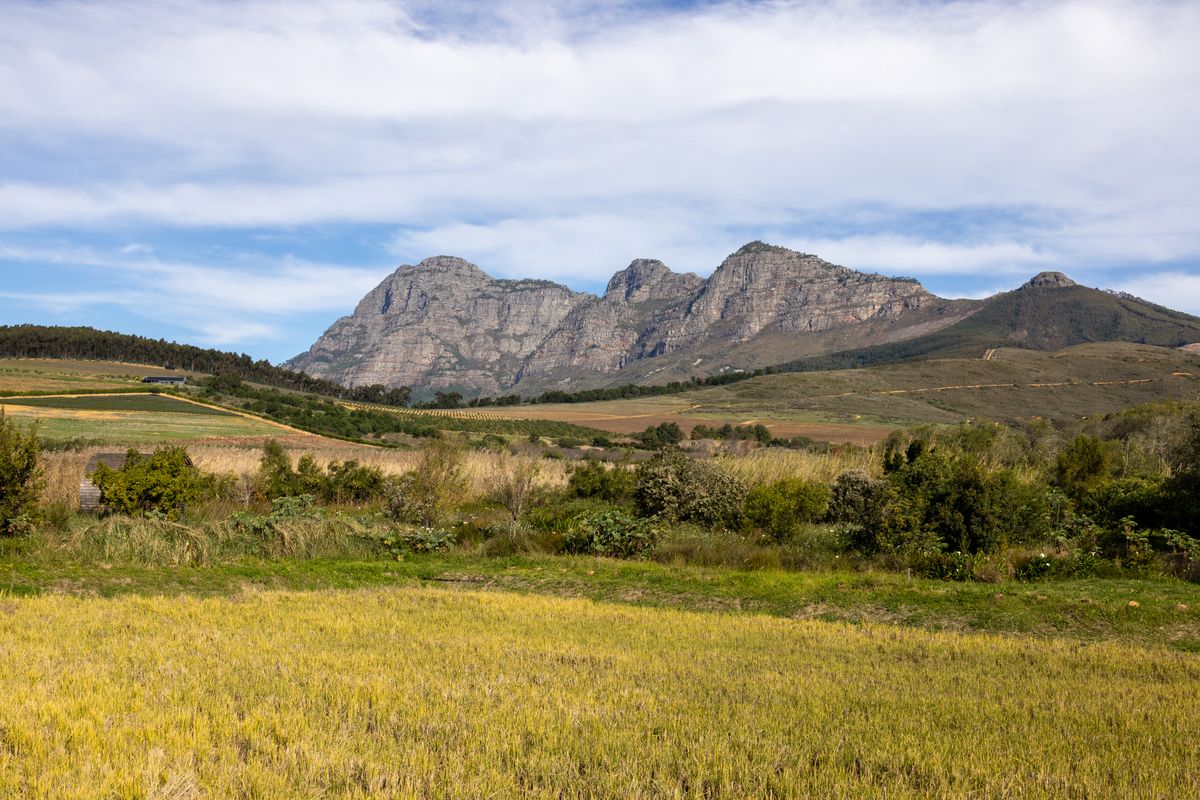
Cederberg Wolfberg Arch Hike
The iconic Cederberg hike to the Wolfberg Arch and Crack — two nights, rock formations, and a high plateau camp.
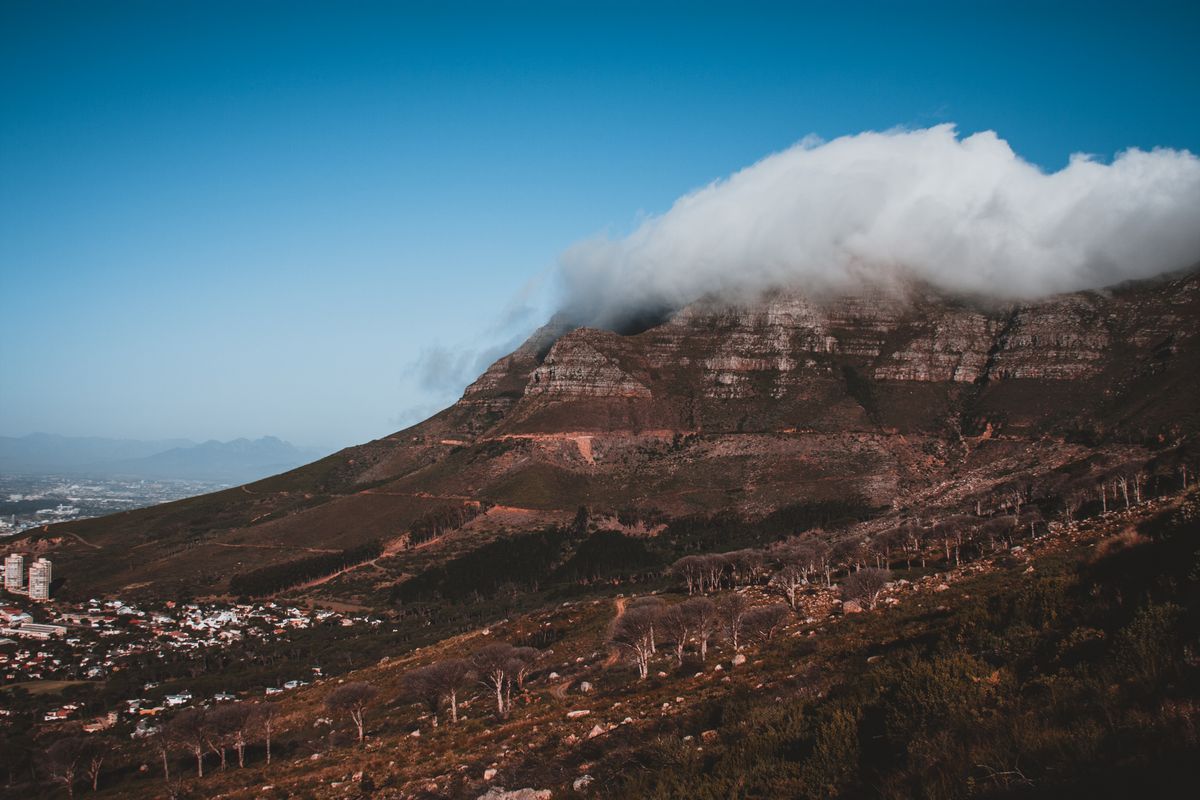
Devil's Peak Hike
The Table Mountain sibling hike to the peak that frames the City Bowl — a steep, quiet summit away from the cableway crowds.
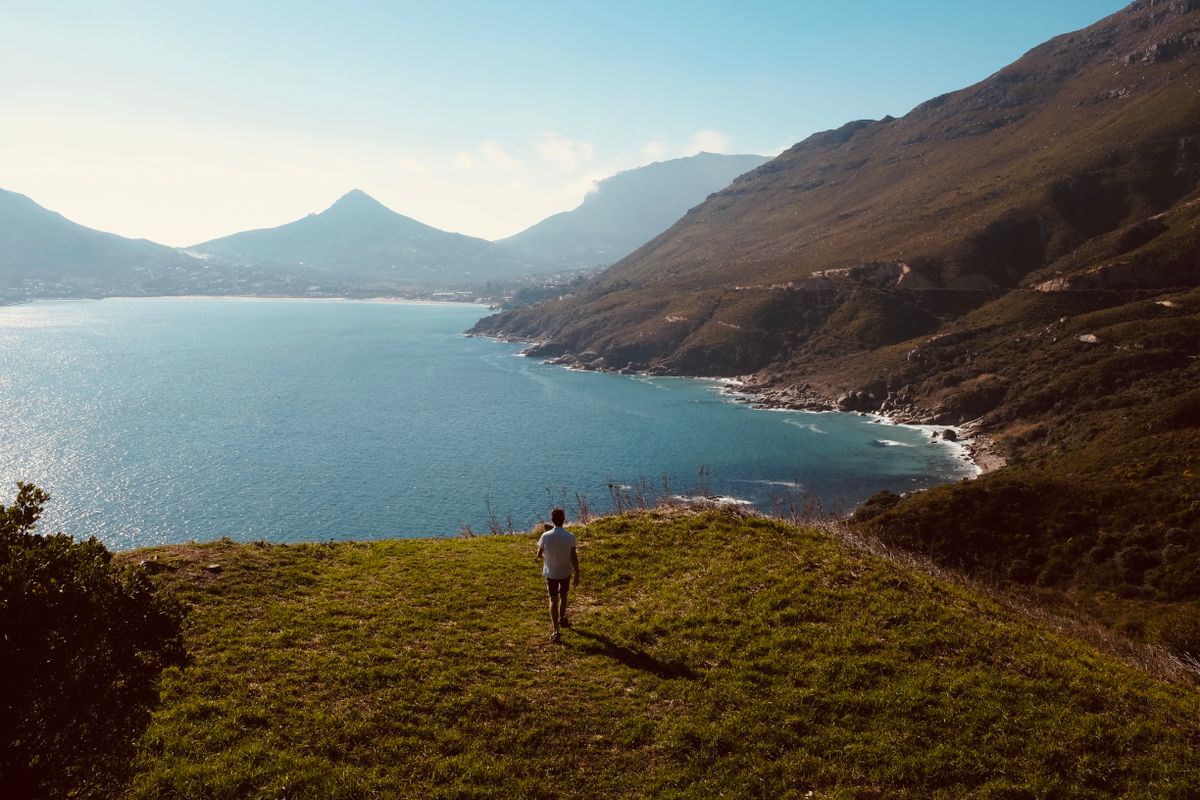
Du Toitskloof Hike
A Boland mountain hike between Paarl and Worcester — high passes, a waterfall tunnel, and a Cape-fold range crossing.

Elephant's Eye Cave Hike
A half-day hike in Silvermine Nature Reserve to a cave with a view over False Bay.